
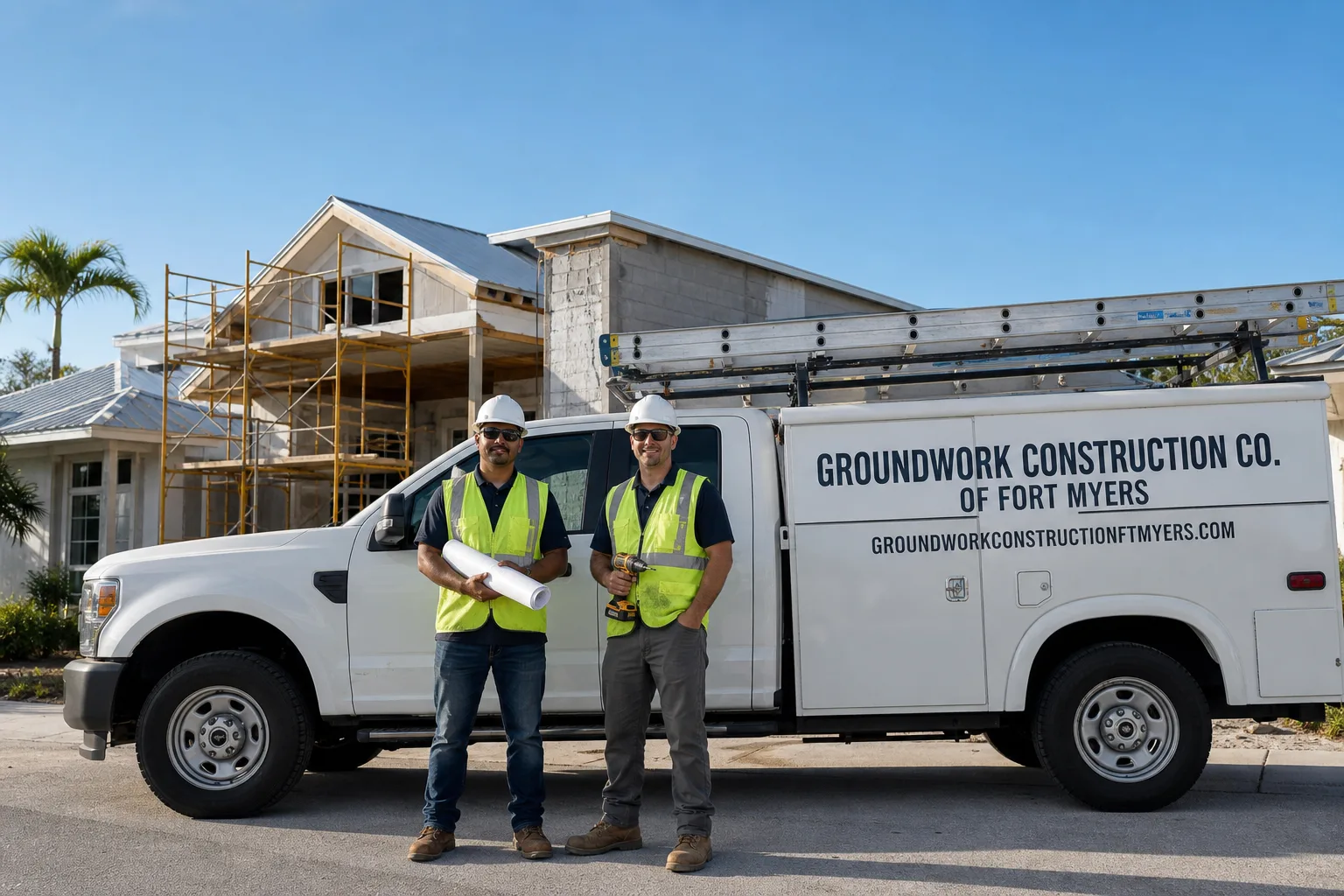
What Metal Roofing in McGregor Actually Costs and How Long It Takes
Metal roofing in McGregor runs $15,000 to $40,000 for a full home install on a typical mid-century CBS ranch, with most jobs completing in 5 to 9 working days. That price includes tear-off of the old roof, underlayment, the metal panels or shingles, trim, flashings, and the fasteners and clips rated for Florida’s high-velocity hurricane zones. Call (844) 638-7249 for a line-item quote specific to your home. A standing-seam roof on a 1,800-square-foot McGregor home sitting under the royal palm canopy will land differently than a corrugated panel job on a riverfront estate, and we walk you through exactly why.
How a Metal Roof Goes on a McGregor Home
The real process matters because most people hear “metal roof” and think it’s a one-day sheet-drop. It isn’t. Here’s the actual sequence, staged out so you know what happens day by day and what’s expected of you at each decision point.
Stage 1: Tear-off and deck inspection (1-2 days). The existing roofing material comes off down to the deck. On a McGregor CBS home from the 60s or 70s, that usually means stripping asphalt shingles, maybe a second layer if someone roofed over the original. Once the deck is bare, we walk it and check for rot, termite damage, or truss movement. This is the moment when the real condition of your roof deck reveals itself. About 30% of the Ian-era homes we open up need some deck sheathing replaced, and you’ll get a photo update and a cost to approve before any new material goes down.
Stage 2: Underlayment and waterproofing (1 day). Florida Building Code requires a secondary water barrier. We lay a high-temperature peel-and-stick underlayment or a synthetic underlayment rated for metal, depending on your roof slope and whether the home is in a flood-zone-adjacent area where moisture drive is higher. In McGregor’s river corridor, the morning dew load alone is enough to sweat a poorly underlaid metal roof, so this stage is not where anyone should cut corners.
Stage 3: Trim, flashing, and penetration prep (1 day). Every pipe boot, valley, dormer transition, chimney, and vent gets custom-flashed before panels go up. McGregor homes built in the 50s-70s often have boxed-out plumbing vents or odd eave returns that off-the-shelf flashing doesn’t fit, so we fabricate on-site. This is also when we coordinate any needed roof-to-wall connection upgrades if your home’s existing strapping doesn’t meet current code for a metal overlay.
Stage 4: Panel or shingle installation (2-4 days). The visible part. Panels go on in full-length runs where possible, which minimizes seams and leakage points. On a low-slope McGregor ranch, we’re using standing-seam panels with concealed fasteners. On a steeper-gable estate, you might choose a metal shingle product that mimics slate or tile. Every panel is clipped, not face-screwed, and the clip spacing is engineered for the wind-uplift zone your home sits in. We track the weather daily during this stage because afternoon thunderstorms stop work for safety, and we don’t rush to finish before a storm arrives.
Stage 5: Final inspection and cleanup (1 day). We run a magnetic sweep for fasteners, check every seam and flashing point, and confirm the under-eave ventilation is functioning correctly. Lee County will send an inspector to sign off on the roof if a permit was pulled, which it nearly always is. We walk the roof with you at the end so you see what we see.
The Options You’ll Choose Between
Metal roofing isn’t one product. You’re making a handful of real decisions, and each one changes the look, the longevity, and the number on your estimate.
- Standing-seam panels vs. metal shingles. Standing-seam is the most common choice in McGregor. Concealed fasteners, clean vertical lines, and a 40-to-60-year lifespan. Metal shingles cost more per square but give you a texture pattern closer to slate or tile, which matters if you’re on a historic-section street where curb-appeal cohesion matters. Both meet Florida wind codes when installed correctly, but standing-seam sheds debris from the palm canopy better.
- Gauge and substrate. 24-gauge steel is the minimum we spec in coastal zones. 22-gauge is thicker and holds its shape better under impact from wind-driven palm fronds, which are a genuine threat on McGregor Boulevard. Aluminum is available for homes directly on the Caloosahatchee where salt spray is a daily factor, and it comes at a premium. Galvalume-coated steel splits the difference for most inland-corridor homes.
- Finish and color. Kynar 500 or Hylar 5000 PVDF coatings are the industry standard for Florida UV exposure. The color you choose affects heat reflectivity, and on a McGregor ranch with older attic insulation, a lighter Energy Star-rated finish can drop your cooling load measurably. We’ll show you samples from manufacturers we stand behind, and the color choice is yours alone.
- Fastener type. Exposed-fastener systems cost less up front but require fastener maintenance at the 10-to-15-year mark as the neoprene washers degrade in Florida sun. Concealed-fastener standing-seam systems have a higher material cost but zero exposed gaskets. On a home you plan to own for 15-plus years, concealed fasteners almost always make more sense.
What Metal Roof Installation Costs in McGregor, FL
You should expect to spend $15,000 to $40,000 for a complete metal roof on a McGregor home. The low end covers a simple-gable CBS ranch under 1,400 square feet with an exposed-fastener panel and standard trim. The high end covers a complex roof with multiple dormers, a standing-seam or metal-shingle system, upgraded underlayment, and custom flashing on a 2,500-plus-square-foot property along the river corridor.
The four things that move your number the most are roof square footage, roof complexity, deck condition, and material grade. Square footage is obvious: more roof, more material, more labor. Complexity includes valleys, hips, dormers, and chimney penetrations. A simple hip roof with two plumbing vents is fast. A McGregor estate with six valleys and a chimney you can’t stage a ladder near is slow. Deck condition we already talked about: rotten sheathing replacement adds $2 to $4 per square foot and isn’t known until tear-off. Material grade is the panel gauge, the finish spec, and whether you’re running concealed fasteners or exposed.
Every estimate we write is a line-item document listing exactly what material is going on, how many squares, and what’s included in the labor. A metal roof estimate should cover tear-off and disposal, deck inspection, underlayment, flashings, panels or shingles, fasteners, trim, and permit fees. It typically does not include gutter replacement, soffit repair, or new insulation unless you ask us to bundle those. We won’t hand you a single “roof replacement” number and call it a day. You’ll see the breakdown.
What McGregor Homes Specifically Do to This Job
McGregor Boulevard is not a generic suburban street. The royal palm canopy is protected by county ordinance, so any roof project on a property with palms in or near the right-of-way requires a pre-construction consultation with Lee County Urban Forestry for root-zone encroachment. That permit step adds lead time and cannot be skipped, and out-of-area crews learn that lesson the hard way. We file it as part of the permit package and build the timeline around it.
The housing stock itself creates a distinct set of roof conditions. Most homes along the corridor are CBS ranch construction from the 1950s through the 1970s. Their original roof decks are often 1-by pine or plywood that has survived decades of wet-season humidity and at least one major hurricane. When we open a roof on a home near the river in the Waterway Estates section or off McGregor near the Edison & Ford Winter Estates, we regularly find deck fasteners that have corroded from decades of morning condensation and salt-laced air moving up from the Caloosahatchee. That corrosion pattern is hyper-local. A roof in Fort Myers a mile inland won’t show the same fastener degradation that a McGregor river-adjacent home does.
Post-Hurricane Ian, nearly every roof replacement in this corridor is subject to current Florida Building Code wind-load requirements for roof-to-wall connections and secondary water barriers. A 1965 ranch that lost shingles in Ian likely needs strapping upgrades before a metal roof can be signed off. Lee County permitting backlogs from the Ian rebuild wave remain a scheduling factor. We pull permits as early in the process as possible and track the review queue daily. If you’re getting bids from multiple contractors, ask each one how they’re handling current Lee County permit timelines for a reroof. You’ll learn quickly who actually works here and who doesn’t.
Roofing in McGregor covers the broader scope if you need shingle, tile, or flat-roof work. For metal specifically, you want a crew that knows this corridor’s peculiarities. We’ll also mention that many homeowners doing a full exterior upgrade after Ian pair a metal roof with Impact Windows & Doors in McGregor or Window Replacement in McGregor so the entire envelope is hurricane-rated at once.
Serving McGregor, FL - Our Local Coverage Area
We’re based in the McGregor area and know this community well. Use the map below to see our service coverage - if you’re nearby, we can almost certainly help.
Frequently Asked Questions About Metal Roofing in McGregor
Yes. Lee County requires a reroof permit, and a metal roof triggers a structural review under current Florida Building Code because of the wind-uplift calculations. We pull the permit, manage the inspections, and coordinate any Urban Forestry review if your property falls within the McGregor Boulevard palm protection zone. The permit is a line item on your estimate, not an afterthought.
A 24-gauge standing-seam metal roof with a PVDF coating will run 40 to 60 years in the McGregor climate, provided the underlayment is spec’d right and the fasteners are rated for the coastal humidity. The finish warranty from the coating manufacturer typically runs 30 to 40 years against chalking and fade, and the metal itself will outlast the fasteners if you choose an exposed-fastener system. Concealed-fastener systems remove that weakest link. A roof on a riverfront lot will weather faster than one two blocks inland, and that’s simply salt air doing what salt air does.
It’s technically possible, but we rarely recommend it on a McGregor home. Overlaying metal on shingles traps moisture between the layers, and in this humidity that accelerates deck rot. You also lose the chance to inspect the deck for Ian-related damage and to upgrade the underlayment to a modern peel-and-stick barrier. Tear-off costs more up front but avoids a much larger deck-replacement bill five or ten years down the road. Call (844) 638-7249 and we’ll talk through what’s under your current roof before anyone cuts a check.
Often yes, and significantly. Metal roofs carry a Class 4 impact rating with most insurers, and in a post-Ian Lee County market where wind-mitigation credits directly affect premiums, a documented metal roof with the correct roof-to-wall attachment can reduce your wind premium by 20 to 35 percent. We supply the wind-mitigation inspection report and installation photos your insurer will ask for. Ask your agent about the specific credit for a standing-seam metal roof with secondary water barrier installed to current code.
Two warranties cover you. The manufacturer warranties the metal finish and substrate, typically 30 to 40 years on the coating and a lifetime limited on the steel itself. Our 730-Day Done Right Promise covers the installation workmanship. If something isn’t done right within two full years of the job finishing, we make it right at no cost to you. That’s one of the longest workmanship guarantees on residential metal roofing in the area, and it’s in writing.
Get a Written Estimate for Metal Roofing in McGregor
If you’re weighing a metal roof on your McGregor home, start with a free on-site estimate. We’ll walk the roof, measure it, inspect the deck condition from the attic side if accessible, and put a line-item quote in your hands that breaks down materials, labor, permits, and timeline. No pressure, no lump-sum guesswork. Call (844) 638-7249 to schedule yours. A live person answers, day or night, and we’ll have a uniformed, background-checked technician at your home when it’s convenient for you. Our full Roofing team works across McGregor regularly, and we know exactly what the county permitting office needs to move your file through.
Written by Derek Hollenbeck, Owner at Groundwork Construction Co., providing metal roofing and full-scope home construction to McGregor homeowners.