
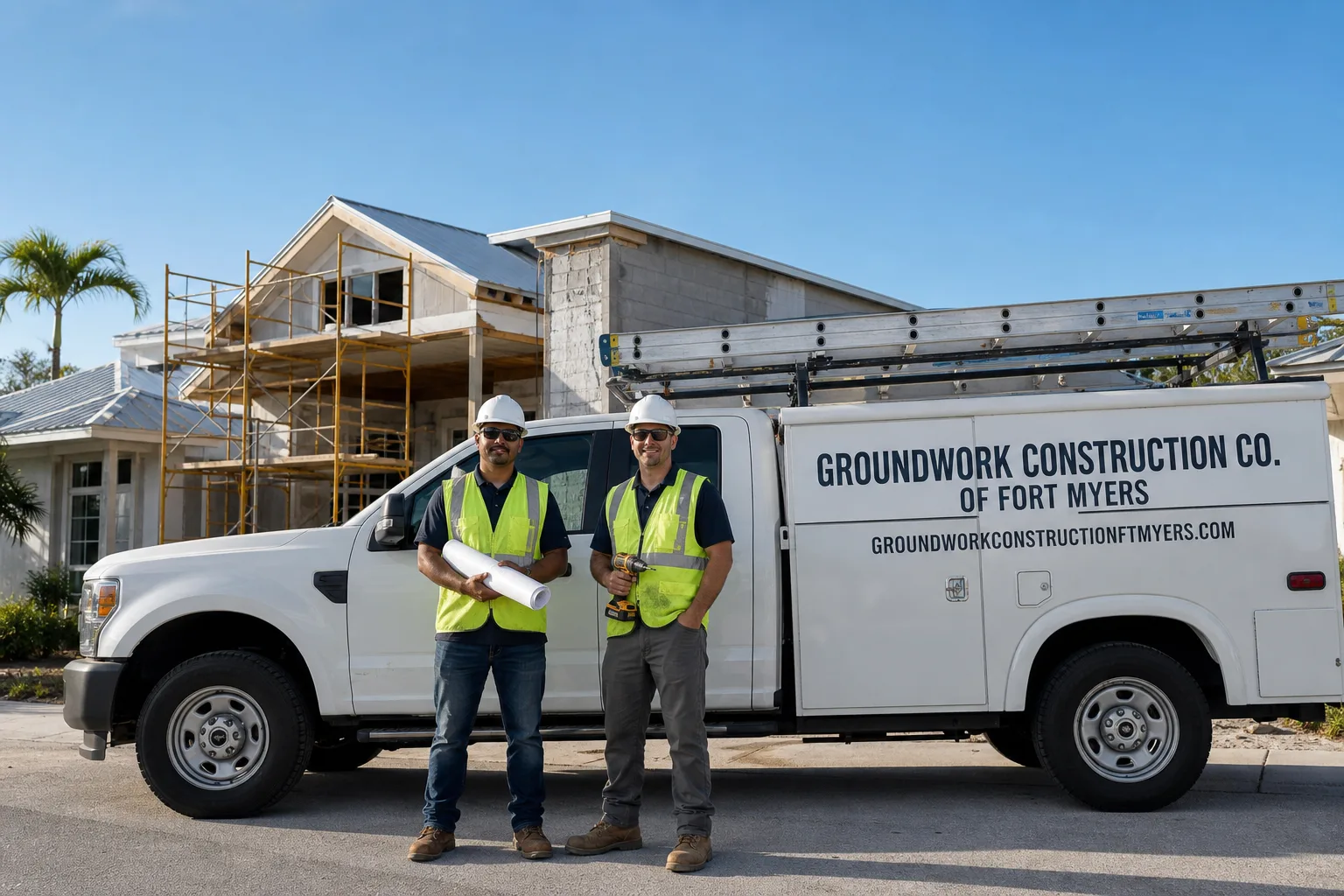
What an Aluminum Fence in Cypress Lake Really Costs and What to Expect
An aluminum fence installation in Cypress Lake typically runs between $3,500 and $9,000 for a standard residential yard, with most jobs finishing in two to four days. That range assumes a powder-coated, Florida-grade aluminum system rated for the wind loads and salt air common to Lee County, not a lightweight big-box panel. If you’re staring at a fence that Hurricane Ian mangled or one that’s been rusting through since the 1980s, call us at (844) 638-7249 for a free on-site estimate that gives you a fixed number, not a rough guess.
How We Install an Aluminum Fence in Cypress Lake
The process isn’t complicated, but the details matter more here than in inland Florida. Aluminum does well against moisture and salt, but only if the posts are set deep enough and the concrete cures properly in our sandy, occasionally saturated soils. Here’s how the job runs.
Day 1, first half: Layout, locate, and mark. Our crew marks the exact fence line with stakes and paint, then calls in a private locate service to flag underground utilities. In Cypress Lake, a lot of the 1970s and 1980s homes have shallow irrigation lines the original builder ran wherever was convenient. We also verify the property pins; a surprising number of post-Ian re-fences go up on the wrong side of the lot line because storm debris buried the original survey stakes. This stage takes about two hours on site, plus the locate company’s turnaround.
Day 1, second half: Post-hole digging and concrete setting. We dig post holes 24 to 30 inches deep - deeper than the standard 18-inch minimum because Lee County’s sandy soil loses grip in heavy saturation. Each post gets set in a wet concrete pour, not just tamped dirt, and we check every post for plumb twice before the mud firms up. If the fence line runs near a canal or retention pond - and plenty of Cypress Lake lots do - we increase the hole diameter and use a higher-psi concrete mix. The concrete needs 24 hours to cure before panels go up.
Day 2 or 3: Panel hanging and gate installation. Once the posts are locked, we hang the horizontal rails and slide in the aluminum pickets. Everything gets stainless-steel fasteners, not zinc-plated screws that’ll rust in two wet seasons. Gates get commercial-grade hinges and a self-closing latch. If you want a keyed lock or an electronic opener, we prep the post for it now. Most straight-yard fences are paneled and gated in a single day.
Day 3 or 4: Bracing, punch list, and walkthrough. We tension-check every gate, adjust the latch alignment, and add any diagonal bracing the design calls for. The crew walks the line with you before we leave - you point, we fix. Our fence installation foreman won’t close the job until the gate swings smooth and every post reads dead plumb.
What we leave behind. The site is scraped clean of concrete spoil and aluminum cut-offs. Any divots from the post digger get backfilled and tamped. You’ll get a written summary of what was installed, grade of aluminum, finish warranty information, and care notes for the salt-air exposure in this part of Florida.
The Options You’ll Choose Between Before We Order Materials
- Panel grade: residential versus commercial. Residential panels use .050-inch wall thickness on the uprights and rails. Commercial-grade jumps to .062-inch or heavier, which matters if your fence faces an open canal or golf course fairway where wind gusts hit harder. The commercial upcharge runs about $8 to $12 per linear foot in Cypress Lake, and it’s the single best money you can spend if the fence will see direct tropical-storm winds.
- Finish: standard powder coat versus marine-grade. Standard powder coat holds up fine on inland aluminum fences. Within three miles of the Caloosahatchee or the Gulf, we strongly recommend the marine-grade polyester powder coat - it costs about 12 to 18 percent more but won’t chalk or pit from salt mist within five years the way standard finishes do on coastal installations.
- Rail configuration: two-rail versus three-rail. A two-rail design (top and bottom) works for purely decorative fences under four feet tall. Any fence four feet or taller, or one that needs to keep a medium-to-large dog in the yard, should use three rails. The added rail adds $4 to $7 per linear foot and stops the pickets from bowing or spreading under pressure.
- Gate type and hardware. Single walk gates are standard. A double drive gate for boat or RV access changes the post sizing and hardware spec - expect an extra $600 to $1,400 depending on width. All gate hardware for our Fence Installation in Cypress Lake jobs ships with stainless-steel hinges and a corrosion-resistant self-closing latch as the default.
- Post spacing: standard versus wind-rated. Standard residential spacing puts posts every six feet on center. For a wind-rated installation, we drop that to four or five feet and upsize the post gauge. The tighter layout adds roughly 15 to 22 percent to the post and concrete cost. If your property sits anywhere near a FEMA wind zone that sustained Ian damage, the wind-rated spacing is worth the bump.
What an Aluminum Fence Costs in Cypress Lake, FL
For a typical Cypress Lake yard - call it 120 to 180 linear feet with one walk gate - the job lands between $3,500 and $9,000. The low end is a two-rail residential panel straight run with no obstacles. The high end is a three-rail marine-grade fence with a double drive gate, wind-rated post spacing, and a few 45-degree corners around a pool cage or lanai.
The four things that push the price up or down:
- Linear footage. This is the obvious driver. Every additional foot is more panel, one more post, more concrete, more labor. Aluminum fence in Cypress Lake roughly pencils at $28 to $50 per linear foot installed, depending on grade and terrain.
- Gate count and size. A single walk gate is one line item. Add a double drive gate and you’ve added heavier posts, a beefier hinge set, more hardware, and more concrete. Two gates can add $800 to $2,200 to the total.
- Terrain and access. Flat grass yards are the cheapest to fence. If your property slopes toward a retention pond, has old tree roots running the fence line, or sits behind a narrow side yard where the auger can’t reach, expect more hand-digging and a labor uptick.
- Material grade and finish. The jump from residential-grade to commercial-marine makes the largest material-cost difference. A 150-foot run in standard powder coat might come in around $4,500. The same run in marine-grade with wind-rated post spacing runs closer to $7,800.
Every estimate we write is a fixed-price, line-item quote. The number you see is the number you pay. No change orders because the post holes hit unexpected sand - we already accounted for that. Call (844) 638-7249 and we’ll measure the yard, discuss the grades, and hand you a written estimate, typically within 48 hours of the site visit.
What Cypress Lake Homes Specifically Do to This Job
Cypress Lake isn’t a cookie-cutter subdivision platted on flat fill dirt in the last ten years. It’s a patchwork of 1970s and 1980s concrete-block stucco homes on irregular lots, some backing up against canals, some sitting low enough that the post-Ian flood-map revisions pulled them from Zone X into Zone AE. That changes aluminum fence work in three ways our crews deal with every week.
First, saturated soil. The same sandy loam that drains well in dry season turns soupy during a tropical storm and stays wet for weeks. We learned the hard way after Ian that a standard 18-inch post hole with dry-set gravel doesn’t hold a fence line when the ground turns to sponge. Every post gets a minimum 24-inch depth and a wet concrete footer with a bell-shaped bottom to resist uplift - the same principle a deck pier uses. Along canals in the older sections off Cypress Lake Drive, we sometimes core down to 30 inches.
Second, Lee County permits aren’t optional for a new permanent fence. The county’s current turnaround on a fence permit runs longer than homeowners expect - plan on one to three weeks depending on backlog volume. Our crew pulls the permit as part of the job, and we won’t start digging until it’s in hand. If the fence runs adjacent to a sea wall or canal easement, the permit path may also trigger an environmental review or a setback verification, adding time but zero risk of a code violation down the road.
Third, the wind. Aluminum is lighter than steel, but that’s exactly why the engineering matters: a poorly braced aluminum fence in 90-mph gusts turns into a sail. Our standard Cypress Lake install uses through-post fastening (not sheet-metal screws into thin-wall tubing) and we reinforce gate posts with an extra half-bag of concrete and a welded corner bracket. If you’re pairing the fence with hardscape like Driveway Repair & Replacement in Cypress Lake or Patios, Walkways & Pool Decks in Cypress Lake, we coordinate the post layout so the fence line doesn’t conflict with new pavers or a widened driveway approach.
Serving Cypress Lake, FL - Our Local Coverage Area
We’re based in the Cypress Lake area and know this community well. Use the map below to see our service coverage - if you’re nearby, we can almost certainly help.
Frequently Asked - Aluminum Fence in Cypress Lake
Two to four days on site, with a 24-hour gap between post setting and panel hanging to let the concrete cure. The bigger variable is the Lee County permit turnaround, which typically adds one to three weeks before we can break ground.
Yes, if it’s the right grade. Standard powder-coated aluminum resists rust and corrosion far better than steel, but within a few miles of salt water, the marine-grade polyester powder coat is what keeps the finish from chalking and pitting. We use only Florida-rated aluminum systems with stainless-steel fasteners on every Cypress Lake job.
Yes. Lee County requires a permit for any permanent fence over two feet tall, and the application includes a site plan showing the fence line, setbacks, and any easements. We handle the entire permit process as part of the project.
The aluminum and powder coat carry a manufacturer’s finish warranty - typically 15 to 20 years against peeling, cracking, or chalking, though that can vary by brand and grade. Our workmanship is backed by the 730-Day Done Right Promise: if something isn’t right, we make it right, no fine print. That covers post lean, gate sag, hardware failure, and any installation-related issue.
Not unless you change the scope. We write fixed-price quotes after measuring the yard and verifying the subsurface conditions. If we discover an unknown underground obstacle - and in Cypress Lake, that’s usually an abandoned concrete footer from a 1980s lanai - we’ll show you what we found and discuss the adjustment before any extra work happens. You approve it first.
Get a Fixed-Price Estimate for Your Aluminum Fence in Cypress Lake
If you’re ready to price an aluminum fence that’s built for Lee County wind, wet soil, and salt air - not a generic panel kit from a catalog - call (844) 638-7249. We’ll schedule a site visit at your Cypress Lake home, measure the yard, walk through the grades and gate options, and hand you a written, line-item estimate. Free. No pressure. A real person answers the phone, day or night.
Written by Derek Hollenbeck, Owner at Groundwork Construction Co., serving the Fort Myers area and Cypress Lake since 2014.