
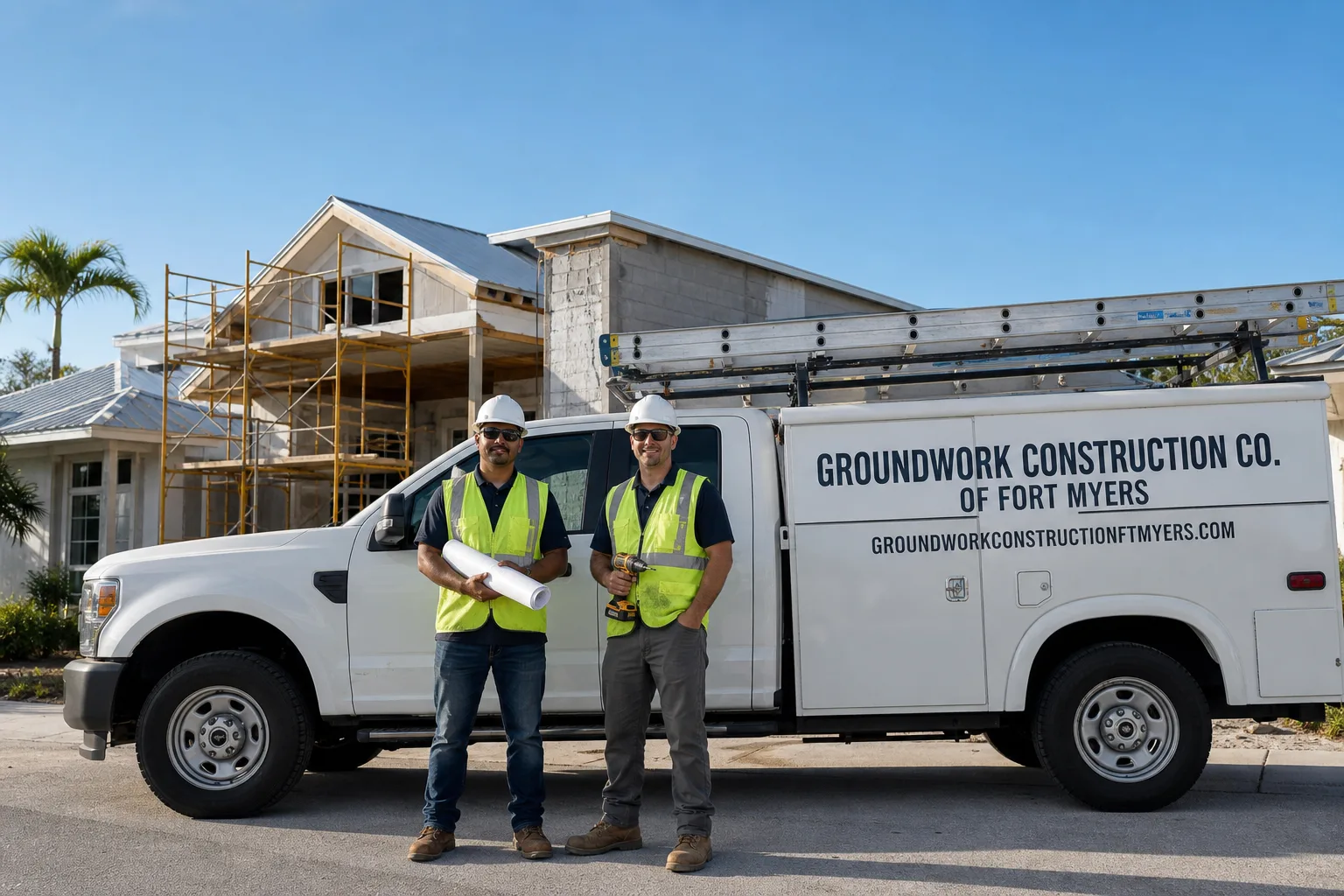
What a Metal Roof Costs and How Long It Takes in Harlem Heights, FL
Metal roofing in Harlem Heights, FL typically runs $15,000 to $40,000 for a full installation on a standard single-family home, with most jobs finishing in 3 to 5 working days once materials are on site. That price covers tear-off of the old roof, underlayment, the metal panels themselves, trim, flashing, and the fasteners rated for our coastal corrosion zone. Call (844) 638-7249 for a written, line-item estimate that locks in your number before we order the first panel.
We write this from experience on Harlem Heights streets like Concourse Drive and Apollo Drive, where the combination of salt air, hurricane exposure, and older framing makes metal roofing a different animal than it is inland. The investment makes sense here: a properly installed standing-seam or exposed-fastener metal roof will outlast two asphalt shingle replacements and can knock 20 to 30 percent off your wind-mitigation insurance premium when documented correctly.
How a Metal Roof Goes On, From Tear-Off to Final Inspection
We walk every homeowner through the sequence before we start. Knowing what happens on day one versus day three removes the anxiety and lets you plan around the noise. Here is the real timeline for metal roofing in Harlem Heights:
Stage 1: Permitting and material order (1 to 2 weeks before hammer swing). Lee County requires a wind-load calculation and a permit for any roof replacement, period. We pull the permit through our expediter relationship with the county office on Colonial Boulevard. While that processes, we order your metal panels and trim to spec, color, and gauge. The lead time on the metal order sets the project calendar. We give you the install date once the coil is scheduled at the fabricator.
Stage 2: Tear-off and deck inspection (day 1). The crew strips the existing roofing down to the plywood or plank deck. This is when we find what Harlem Heights homes hide: rotted sheathing from post-Ian moisture intrusion, undersized truss connections from the 1970s, or missing hurricane clips that the original builder skipped. We show you photos of any deck damage and give you a square-footage price to replace it before the underlayment goes down. You approve the number, we fix it that same day.
Stage 3: Underlayment and flashing (day 2, sometimes spilling into day 3). A high-temperature peel-and-stick underlayment rolls across the entire deck, sealed at every lap. We flash the valleys, eaves, rakes, and penetrations in the order that water flows, not the order that’s fastest. Step flashing tucks under siding and behind chimney brick. Pipe boots get a lifetime silicone collar, not a rubber one that the Gulf Coast sun will crack in five years.
Stage 4: Panel installation (days 3 and 4). The metal goes on. Panel by panel, lapped away from the prevailing wind and fastened with stainless-steel screws into the ribs or flats, depending on the profile you chose. Each screw sets to a calibrated torque: too loose and the panel rattles in a storm, too tight and the washer extrudes and fails within a season. Our guys hit the spec because they do it every week in this zip code.
Stage 5: Trim, cleanup, and final inspection (day 5). Ridge cap, gable trim, and eave drip edge lock everything together. The site gets magnet-swept for fasteners and debris. We walk the roof with you, then call in the county inspector. When the inspector signs off, we hand you the permit close-out card and the manufacturer’s warranty registration, plus our 730-Day Done Right Promise in writing. You’re done.
The Metal Roofing Options You’ll Choose Between
Not all metal roofing is the same product, and the choice you make here drives both the price and how the roof looks in ten years. We stock and install four main configurations in Harlem Heights, and we’ll walk you through samples at the estimate:
- Exposed-fastener corrugated or ribbed panels. The most cost-conscious metal option. Screws go through the face of the panel into the purlin or deck. Installs fast, sheds rain well, and costs less than standing seam. The trade-off: the screw washers are the weather barrier, and in our salt-corrosion zone they need replacement every 8 to 12 years. We recommend stainless-steel fasteners and a thicker 24-gauge panel here to stretch that interval.
- Snap-lock standing seam. The panels clip together with concealed fasteners. No exposed screws on the roof face, which eliminates the washer maintenance cycle entirely. The profile is cleaner, and the wind-uplift rating jumps significantly. This is the most common choice we install in Harlem Heights because it balances cost against the long-term corrosion advantage. Runs about 30 to 40 percent more than exposed-fastener.
- Mechanically seamed standing seam. A machine crimps the panel seams together on site. This is the top-tier option for wind resistance and watertightness. Required on very low-slope roofs where water could pond, and highly recommended if your home sits on an exposed lot where Ian-level gusts could return. The labor is more intensive and the cost reflects it.
- Stone-coated steel tile. Steel panels stamped and coated with a stone granulate that mimics barrel tile or slate. Gives you the impact and corrosion resistance of metal with a look that fits Southwest Florida architecture. Heavier than standard metal panels, so your truss structure may need reinforcement. We’ll check that at the estimate.
Across all four options, we source from mills that hold Miami-Dade County Product Approval, which Lee County accepts as proof of wind-load compliance. The gauge, finish (Kynar 500 or SMP), and panel width all move the per-square-foot number. We spell out every choice and what it costs before you sign.
What Metal Roofing Costs in Harlem Heights, FL
A full metal roof installation on a typical Harlem Heights home lands between $15,000 at the lower end for a simple gable with exposed-fastener panels and no deck replacement, and $40,000 or more for a complex hip roof with standing seam, stone-coated steel, or significant structural remediation. Tear-off, disposal, underlayment, flashing, and the permit fee are included in those numbers.
Five variables push a job toward the high or low end:
- Roof square footage and complexity. More squares equal more material. But complexity – valleys, dormers, hip intersections, skylight curbs – drives labor harder than pure size. A 2,200-square-foot rectangle costs less to metal than a 1,800-square-foot cut-up roof with six planes.
- Deck condition. If the plywood is delaminated from moisture or the original 1960s plank decking gaps exceed code, we replace it at a per-sheet price. On post-Ian homes in Harlem Heights, we frequently find deck rot around chimney crickets and unflashed pipe penetrations that went unnoticed for decades.
- Panel type and gauge. Exposed-fastener 26-gauge costs the least. Snap-lock standing seam 24-gauge costs about 35 percent more. Mechanically seamed adds another 15 percent on top of that. Stone-coated steel runs closest to the $40,000 ceiling.
- Trim and detail work. Custom-wrapped fascia, soffit replacement, or matching the trim color to a specific HOA palette adds labor and brake time. Harlem Heights has fewer deed-restricted communities than some neighboring areas, but the ones that exist enforce color and profile standards tightly.
- Structural upgrades required by the inspector. If the existing roof-to-wall connections are the toe-nailed setups common in 1970s block homes here, Lee County will often require retrofit hurricane clips before signing off on the new roof. That is a line item on our estimate, not a change-order surprise.
Every written estimate from Groundwork Construction Co. includes the full scope: tear-off, disposal, underlayment system, metal panels, all trim and flashing, fasteners, permit fee, and the 730-Day Done Right Promise. The number you see is the number you pay. We do not write change orders on a roof unless you ask us to expand the scope after we open the deck.
What Harlem Heights Homes Specifically Do to a Metal Roof Job
Harlem Heights sits in one of the most heavily scrutinized construction corridors in Lee County right now. This community was ground zero for Hurricane Ian’s wind and water damage in 2022, and the rebuilding wave that followed overloaded the county’s permitting and inspection infrastructure. For any homeowner here considering metal roofing, that means two realities. First, the permit process runs through a phased inspection backlog that, without an expediter, can add weeks between tear-off and final sign-off. We keep a dedicated relationship with the Colonial Boulevard office specifically to keep Harlem Heights jobs moving while other contractors wait on hold. Second, the wind-mitigation inspection after installation carries weight here that it doesn’t in a non-coastal county: a proper standing-seam metal roof with documented clip spacing and a Miami-Dade approval number can reduce your insurance premium enough to recoup thousands over the roof’s life.
The housing stock itself shapes the work. Most Harlem Heights homes were built between the 1950s and the 1980s, before post-Andrew code revisions mandated continuous load paths. When we strip an old shingle roof on a 1960s concrete-block rancher off San Carlos Boulevard or a wood-frame house near the Harlem Heights Community Center, we routinely uncover toe-nailed rafter connections and missing hurricane straps that have to be remediated before the metal panels go on. The inspector will not close the permit without it, and honestly, the homeowner should not want them to. The salt-air exposure from the Gulf, just a few miles west, also dictates fastener selection in a way a Fort Myers contractor might not need to obsess over: every screw we drive into a Harlem Heights metal roof is stainless steel, rated for the corrosion zone. Galvanized fasteners rust through in five years here. We’ve seen it on roofs other crews installed.
Detached workshops and oversized garages are common on the larger lots in the community, and those structures often get a metal roof at the same time as the main house. We quote those as a separate line item but run them on the same permit pull and the same crew schedule. One trip, one inspection appointment, one cleanup.
Serving Harlem Heights, FL - Our Local Coverage Area
We’re based in the Harlem Heights area and know this community well. Use the map below to see our service coverage - if you’re nearby, we can almost certainly help.
Frequently Asked Questions About Metal Roofing in Harlem Heights
Yes. Lee County requires a building permit for any roof replacement, including a like-for-like material swap to metal. The permit package includes a wind-load calculation and a product approval document for the panel system you choose. We handle the entire permit process from application to final inspection, including the expediter coordination that keeps Harlem Heights jobs from stalling in the county’s post-Ian backlog.
A Kynar 500-finished standing-seam metal roof installed with stainless-steel fasteners will last 40 to 50 years in Harlem Heights’ salt-air environment before the finish shows meaningful wear. The substrate steel and the concealed fasteners will outlast the finish. Exposed-fastener systems have a shorter practical life, closer to 25 to 30 years, because the neoprene washers degrade in the UV and salt exposure and need periodic replacement. That maintenance cycle is the hidden cost of that system type here.
Building code allows a single overlay in some jurisdictions, but we do not recommend it in Harlem Heights for two reasons. First, old shingles trap moisture against the deck, and with the humidity and post-Ian saturation issues we see across this community, that deck needs to be inspected dry. Second, an overlay adds dead load your trusses may not be rated for, and Lee County inspectors are increasingly rejecting overlays on homes built before the 2002 Florida Building Code. We strip to the deck, inspect it, and start clean. It costs more up front and avoids a failure later.
The metal panel manufacturer warranties the finish against peeling, cracking, and chalking for a stated term, usually 30 to 40 years depending on the coating system. The paint warranty comes from the mill. Our workmanship is covered by the 730-Day Done Right Promise: if something we installed fails because of how we installed it, we fix it at no cost within two full years. That guarantee is written into your contract, not a verbal promise you have to remember. Call (844) 638-7249 and we’ll walk you through the specific warranty docs for the panel you choose.
It can, and in Harlem Heights the difference is often significant because of the community’s location in a wind-borne debris region. A standing-seam metal roof with the proper Miami-Dade product approval and documented clip spacing qualifies for wind-mitigation credits that can reduce the wind portion of your premium by 20 to 30 percent on some policies. We give you the product approval and installation documentation your insurer needs. You send it to your agent. We cannot guarantee a specific dollar reduction, but every Harlem Heights homeowner we have done this for has seen a meaningful credit.
Get Your Metal Roof Estimate in Harlem Heights
We’ll come to your home in Harlem Heights, measure the roof, talk through the panel options and the real cost of each, and hand you a written estimate that stays the price. No weekend seminar pitch, no inflated number we “discount” if you sign today. Call (844) 638-7249 to set the appointment. A live person answers, day or night.
If you are planning a full exterior overhaul, our Roofing in Harlem Heights team can coordinate the metal roof with the rest of the envelope. Homeowners upgrading for wind protection often pair a metal roof with Impact Windows & Doors in Harlem Heights to maximize the insurance discount in one project. We also provide Window Replacement in Harlem Heights for homes that need a full opening-by-opening upgrade. Whatever the scope, our Roofing crew brings the same upfront pricing and 730-Day Promise to every job across Harlem Heights.
Written by Derek Hollenbeck, Owner at Groundwork Construction Co., serving Harlem Heights and all of Lee County.