
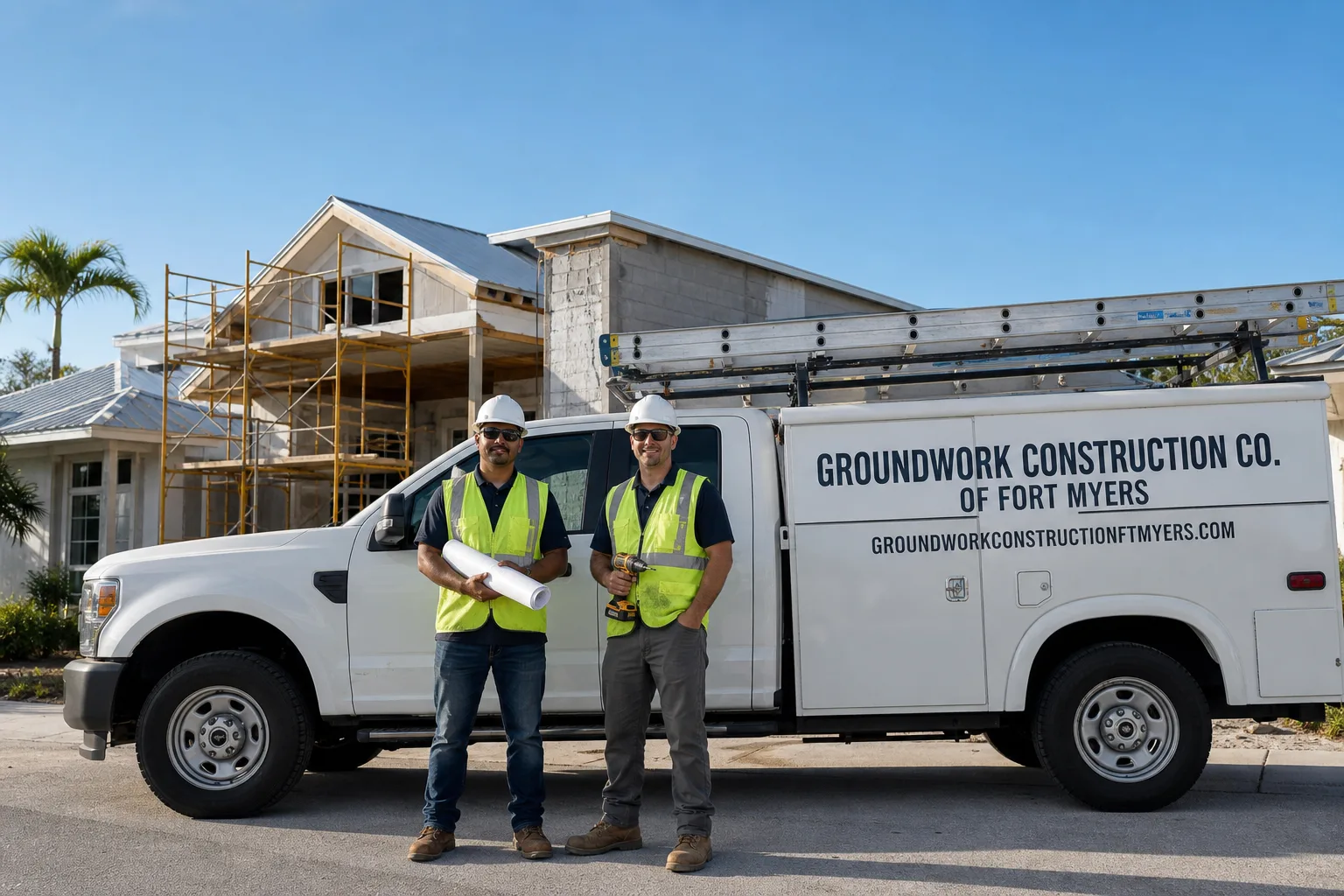
What Glass Railing Systems in San Carlos Park Actually Cost and How Long They Take
A glass railing system in San Carlos Park typically runs between $4,500 and $15,000, depending on linear footage, the frame material, and whether we’re working with an existing deck or pouring new footings. Most jobs are finished in five to seven business days, with the bulk of the time spent on precise measurements and concrete curing rather than the installation itself. For a firm number on your specific deck, balcony, or staircase, call us at (844) 638-7249 - we quote it in writing, upfront, with no markups added after the fact.
How We Take a Glass Railing Job From Measurements to Final Walkthrough
We’ve built enough of these to know that the difference between a railing that looks crisp ten years later and one that wobbles after its first hurricane season comes down to what happens before a single post goes in the ground. Here’s the sequence we follow on every glass railing system in San Carlos Park.
Stage 1: Site measure and substrate check (Day 1, about 90 minutes). A technician comes out, lasers every mounting point, and assesses what the posts will anchor into - concrete slab, wood deck framing, or CMU block. In San Carlos Park, we pay special attention to spalling or hidden corrosion in older concrete patios, especially on homes built in the 1970s and 1980s that sat through decades of wet-season saturation before Ian hit. If the substrate isn’t sound, we spec the repair before we quote the railing, because no glass system holds straight on a failing base.
Stage 2: Material ordering and permit pull (Days 2-4, we handle it). Once you’ve chosen your frame finish and glass type, we order the system and submit the permit package to Lee County. Glass railings on decks more than 30 inches above grade trigger the Florida Building Code’s guardrail requirements, which means a permit is not optional - we pull it, we put our license on it, and it’s included in your estimate. The county’s post-Ian permit volume is still running high, so we build a few extra days into this window just in case.
Stage 3: Footing and post prep (Day 5, 4-6 hours). If core-drilling into existing concrete, we use a wet diamond bit to keep dust down and avoid micro-cracking the slab. On new footings, we dig to the depth Lee County specifies for unconfined sandy soil - usually 12 to 18 inches, depending on the railing height and exposure category of the property - and use a high-strength, salt-resistant mix. This is one of those steps that gets skimped on all the time around here, and it’s why you see railings pulling loose three years in.
Stage 4: Frame and glass install (Days 6-7, one to two days). Posts go in, leveled, and anchored with stainless hardware. Tempered glass panels are set into the channels or clamped with the point-fixed hardware you selected, then everything is torqued and aligned. We check each panel with a rubber mallet and a level - if it rings or shifts, we re-set it. This is also when we drill any needed weep holes at the base channel so rainwater doesn’t pool against the glass edge and grow mildew in the track.
Stage 5: Final inspection and walkthrough (Day 7 or 8, 45 minutes). The county inspector signs off, and we walk the entire length of the railing with you. We show you the anchoring points, explain the weep-hole function, and point out how to clean the glass without scratching the coating. Our 730-Day Done Right Promise covers the installation from that moment - if anything settles, shifts, or loosens within two years, we come back and fix it, no invoice.
The Options You’ll Choose Between for Your Glass Railing System
Every system we install in San Carlos Park starts with tempered safety glass - that’s non-negotiable per code - but the frame, the mounting style, and the glass tint are where the look and the long-term maintenance diverge. Here’s what we walk you through during the estimate.
- Frameless with point-fixed clamps: Stainless steel standoffs or mini-clamps hold the glass panels with no top rail. The cleanest sightline you can get, and the most popular choice for lake-view decks and pool enclosures. The trade-off: it’s the most expensive option per linear foot, and it requires perfectly level mounting surfaces because there’s no frame channel to absorb unevenness.
- Semi-frameless with aluminum top and bottom channels: Glass sits in a U-channel top and bottom, with slim vertical posts only at corners and transitions. Stronger than full frameless in high-wind exposure, and the channel hides small slab irregularities. In San Carlos Park, we spec the aluminum in a marine-grade powder coat or anodized finish - raw mill aluminum pits within two years in the salt-laced humidity that drifts inland from Estero Bay.
- Fully framed aluminum system: Glass panels are set inside a full perimeter of aluminum posts and rails. The most rigid option, and the one we recommend for second-story balconies or any application where the railing doubles as a windbreak. It’s also the lowest cost per linear foot. We order the extrusions with a factory-applied coastal coating - not a rattle-can job done in someone’s garage.
- Glass tint and coating: Clear tempered glass is standard. For west-facing decks that take the full afternoon sun, we often recommend a low-iron glass with a slight blue-green tint - it cuts glare without darkening the view - or an optional hydrophobic coating that sheds rain and makes salt haze easier to hose off between cleanings.
These decisions drive both the price and the look. We bring samples to the estimate so you can see the frame finishes and glass types against your actual deck surface and house color - renderings on a screen don’t account for how San Carlos Park’s flat afternoon light hits the glass.
What Glass Railing Systems Cost in San Carlos Park, FL
Most of the glass railing jobs we complete in San Carlos Park land between $4,500 and $15,000. A short, straight-run deck railing at ground level - 12 to 15 linear feet, semi-frameless, no stair transition - tends toward the low end. A long, second-story balcony with a staircase run, frameless clamps, and custom corner panels can push past the $12,000 mark without anyone blinking.
The four variables that actually move the number:
- Linear footage: The raw driver. Every additional foot means more tempered glass, more channel or clamps, and more labor hours for alignment. Two decks of the same square footage can have wildly different railing lengths depending on the layout.
- Frame system and finish: Frameless point-fixed systems cost more in hardware and precision labor. A marine-grade powder coat on an aluminum frame adds about 12-18% over standard anodized, but it’s not a corner we’d cut this close to the coast - the replacement cost of corroded rails dwarfs the upfront savings.
- Mounting substrate: Anchoring into sound, level concrete is straightforward. If we discover spalled concrete, rotted deck joists, or out-of-level slab that needs grinding or overlay, the prep work adds to the total. We flag this during the site measure so you’re not surprised.
- Stair runs and transitions: A railing that runs down a flight of stairs requires angled cuts, multiple panel transitions, and additional posts at every landing - easily 25-35% more labor than a straight horizontal run.
Every estimate we write is a line-item breakdown: materials, labor, permit, and any substrate prep. No lump-sum “railing project” number that balloons later. Our upfront pricing - the number you see is the number you pay - is one of the reasons San Carlos Park homeowners call us after a bad experience with a low-ball bid. We also offer 0% financing for 18 months for projects that qualify, plus $1,000 off when the total project crosses $10,000.
What San Carlos Park Homes Specifically Do to a Glass Railing Job
The housing stock here - largely 1970s-to-1990s concrete block slab-on-grade homes - presents a concrete reality that shapes every railing install we do. Many of these slabs were poured on the sandy, low-bearing-capacity soils typical of Lee County, and after forty or fifty years of wet-dry cycling, we routinely find surface spalling and hairline cracking around the perimeter where railings need to anchor. We don’t bolt to compromised concrete, because the first tropical-storm gust that loads the glass will pull the anchors right out. We core-drill to sound substrate, epoxy-set stainless anchors, and, where the slab edge has deteriorated past a certain point, pour new reinforced footing blocks tied into the existing pour. That’s a San Carlos Park-specific detail - newer communities with post-2000 slabs rarely need it.
The other factor specific to this community is the post-Ian permitting environment. Lee County is still processing a backlog of substantial-improvement determinations, and we’ve learned to check every property’s FEMA flood zone status before we finalize a railing permit application. For a deck railing replacement, it’s rarely an issue - it’s not adding square footage or enclosed space - but if the railing is part of a larger outdoor renovation that touches the home’s footprint, we cross-check with the county to make sure the cumulative scope doesn’t trip the 50% threshold. When homeowners are also considering a Fence Repair in San Carlos Park or updating a Paver Driveways in San Carlos Park project, we look at the whole scope together so nothing gets flagged mid-permit. It’s the kind of local knowledge that only comes from working hundreds of jobs in the San Carlos Park footprint.
Corrosion is the quiet constant here. We’re far enough inland that storm surge isn’t the daily concern it is on Fort Myers Beach, but the same salt-laden humidity that rusts lanai fasteners and gate hardware eats unprotected railing metal. That’s why every glass railing system we install uses 316-grade stainless fasteners, marine-rated aluminum extrusions, and nylon isolators anywhere two dissimilar metals meet. We learned the hard way years ago that a galvanized bolt touching an aluminum post in this air becomes a small battery the moment the rainy season starts - and the railing loses.
When a glass railing project is part of a broader exterior upgrade, our Windows & Doors in San Carlos Park team can coordinate the work so the deck, railings, and any sliding door replacements happen in the right sequence - glass first so the interior trim isn’t getting debris on it, or doors first if the rough opening needs to be weathertight before finish work begins. Our Windows & Doors crew runs this same play in coastal communities up and down the coast, and the cross-trade coordination saves weeks on multi-scope jobs.
Serving San Carlos Park, FL - Our Local Coverage Area
We’re based in the San Carlos Park area and know this community well. Use the map below to see our service coverage - if you’re nearby, we can almost certainly help.
Frequently Asked - Glass Railing Systems in San Carlos Park
Yes. Any guardrail on a deck or balcony more than 30 inches above the adjacent ground triggers a Lee County building permit. We pull the permit and schedule the inspection as part of the job - the cost is included in your estimate, and the permit card stays posted on-site until the final sign-off. Attempting this without a permit in San Carlos Park is a gamble that can stall a home sale years later when the missing permit shows up on a title search.
Five to seven business days is typical once materials are on-site. The permitting and material-ordering window adds three to five days at the front end. We’ll give you a firm timeline at the estimate - and because we answer the phone live, 24/7, you can reach a human at (844) 638-7249 any time during the project if you have questions.
Tempered safety glass in a properly anchored railing system meets the Florida Building Code’s wind-load requirements for our design wind speeds - 130 to 150 mph depending on the exact parcel. The glass itself won’t fail under wind pressure. The failure point on cheap installations is always the anchoring: posts pulling out of rotted framing or under-drilled concrete. Our anchoring spec is built for this climate, and our 730-Day Done Right Promise means we stand behind it for two full years.
Every line-item estimate includes: site measurement, permit, all materials (frame, glass, hardware, fasteners), demolition and disposal of any existing railing, concrete prep or new footings if needed, installation labor, and the final county inspection. The only thing that would change the price after we start is if we discover hidden structural damage - a rotted deck band joist, for instance - that nobody could have seen before opening it up. If that happens, we stop work, show you photos, and write a change order that you approve before we touch it.
We can’t match an existing custom fabrication exactly, but we can spec a frame finish and glass type that reads the same architecturally - same post diameter, similar sightline, compatible metal tone. We bring a finish-sample kit to the estimate and hold it against your existing rails or window frames so you can see how they read together before you commit.
Let’s Get a Number on Your Glass Railing System in San Carlos Park
Call (844) 638-7249 to set up a free on-site estimate. We’ll come out, measure everything, talk through the frame and glass options, and hand you a written, line-item price before we leave. No vague ranges, no pressure, just a real number from a contractor who’s done this work in San Carlos Park long enough to know what the salt air and the sandy soil demand from a railing. Derek Hollenbeck and the Groundwork Construction Co. of Fort Myers team handle it from the first measurement to the final county signature.
Written by Derek Hollenbeck, Owner at Groundwork Construction Co. of Fort Myers, serving San Carlos Park homeowners with upfront pricing and a 730-Day Done Right Promise on every glass railing system we install.