
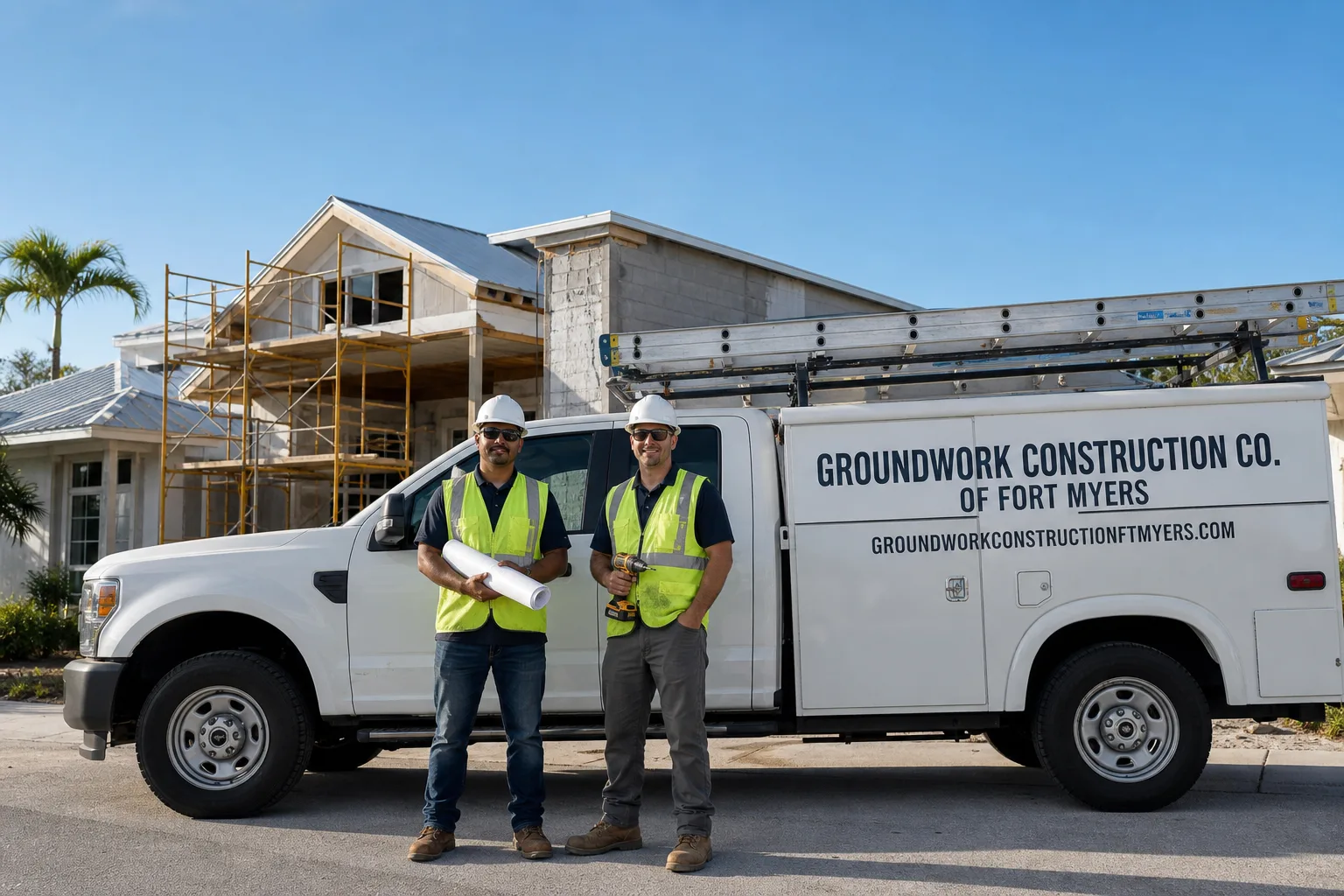
What Storm Damage Repairs Actually Cost and How Quickly We Can Start in Punta Gorda Isles
Emergency storm damage repair in Punta Gorda Isles typically runs between $400 and $20,000, depending on whether you’re facing a small leak or a full roof replacement after a named storm. Most smaller repairs, like missing shingles or lifted flashing, can be completed in one to two days, while full replacements take five to seven working days once the roof is dried in and materials land. Call us at (844) 638-7249 and we’ll have a background-checked technician on-site within hours to give you a written, line-item price, not a vague ballpark.
The Legacy Roof Failure That Catches Punta Gorda Isles Homeowners Off Guard
We roll up to a lot of Punta Gorda Isles homes built in the 1970s and 1980s after a summer squall, and the call is almost never about the shingles. It’s about the old one-piece garage door that buckled under a 60-mph gust, or the original aluminum fascia that finally let go because the fasteners have been rusting in salt air for forty years. These houses have a particular rhythm to how they fail. You’ll hear the wind rattle a legacy roof-to-wall connection that hasn’t been touched since Charley came through in 2004, and you’ll find the real problem isn’t the water on the ceiling, it’s that the entire edge detail was installed to a code that got rewritten twice since the home was built. We look for that first. If you need broader roofing work, we handle Roofing in Punta Gorda Isles from ridge to eave.
After a storm, the calculus changes. You’re not planning a remodel. You’re standing under a wet spot, or worse, a tarp. The question is whether the damaged section can be repaired and brought up to current wind-mitigation standards, or whether the underlying structure is compromised enough that retrofitting a new system makes more financial sense than patching an old one. We’ll walk you through that math honestly, with line-item pricing that separates the stopgap fix from the long-term upgrade. That way you decide with real numbers, not pressure.
How We Handle Emergency Storm Damage, From the First Call to the Final Inspection
Stage 1: Triage and temporary weatherproofing (hours 1-4). A uniformed technician arrives in Punta Gorda Isles, assesses the damage, and photographs everything. If there’s an active leak, we install heavy-duty tarps and watertight coverings to stop further intrusion. This is stabilization work, and we document every inch of it for your insurance adjuster. You’ll get a copy of the photos and our initial findings before we leave the property.
Stage 2: Damage assessment and scope-of-work (day 1-2). Once the home is protected from additional weather, we perform a complete inspection of the affected area plus adjoining systems. On a Punta Gorda Isles canal-front home, that means checking not just the obvious shingle damage, but the flashing at roof-to-wall intersections, the soffit and fascia for corrosion, and any vents or penetrations that might have shifted. We’re looking for the secondary failure that always shows up six months later if nobody looks for it now. You’ll receive a written scope that separates emergency repair from elective upgrade, so you see two columns of numbers.
Stage 3: Material specification and permitting (days 2-5). You choose your materials based on what we discussed during the assessment. For a roof, that might mean matching existing architectural shingles or stepping up to a higher wind-rated product from GAF or CertainTeed. Because Punta Gorda Isles sits in a High-Velocity Hurricane Zone, the local building department requires a permit for any structural roof repair. We pull it, we schedule the inspection, and we keep you updated if the permitting office is backed up, which happens during storm season. Your only job during this stage is to make the material call and sign off on the permit application.
Stage 4: The repair or replacement work (1-7 working days, depending on scope). A background-checked crew arrives. For a repair, it’s typically a one-day job. For a full replacement, figure five to seven working days from tear-off to final cleanup. We use magnetic sweepers for nails, and we’re obsessive about debris because nothing kills goodwill faster than a roofing nail in a neighbor’s boat-trailer tire. Our Roofing team works with the materials you selected and installs to current Florida Building Code wind-load requirements.
Stage 5: Final inspection and closeout (day of completion). The Punta Gorda Isles building inspector signs off, and we walk the job with you. You get a closeout packet with the permit sign-off, material warranties, and our 730-Day Done Right Promise in writing: if something isn’t right, we make it right, no argument. That guarantee covers workmanship for two full years, and it applies to emergency repair work the same as it does to a planned full replacement.
Material Choices That Matter After a Storm in Punta Gorda Isles
When you’re repairing storm damage, you’re not starting from a blank slate. You’re matching what exists or making a conscious choice to upgrade while the roof is already open. Here’s what you’ll typically decide between:
- Asphalt shingles, standard architectural. The most common repair material. Costs less, installs fast, and most Punta Gorda Isles homes were built with them. A good match if the undamaged portion of the roof has years of life left and you’re not ready for a full replacement.
- High-wind-rated asphalt shingles. Products rated for 130-mph winds and above. The upcharge is modest, usually 10-15% over standard architectural shingles, and the insurance discount often pays for the difference over a few years. We recommend this whenever a repair area is large enough that the cost difference pencils out.
- Metal panel or standing-seam retrofit. More expensive up front but the longevity argument is strong in salt-air environments. When we’re doing a full replacement after storm damage, metal is worth considering because it eliminates the corrosion cycle that eats standard fasteners near the canals.
- Tile repair and match. If your Punta Gorda Isles home has original barrel tile, matching the profile and color matters cosmetically and for resale. We source from Oldcastle and other major manufacturers to get the match right, and we install with the current attachment standards that didn’t exist when the original roof went on.
- Underlayment upgrade. If the shingles came off, the underlayment took a hit too. We’ll show you the difference between standard felt and a high-performance synthetic underlayment with a longer lifespan, and let you decide whether the added water protection is worth it while the deck is exposed.
What Emergency Storm Damage Costs in Punta Gorda Isles, FL
Roof repair in Punta Gorda Isles runs $400 to $1,800 for isolated damage, a few missing shingles, a small section of lifted flashing, or a single vent that failed. A full roof replacement after significant storm damage lands between $8,000 and $20,000, driven mostly by square footage, material choice, and how much of the underlying deck needs to be replaced once we open it up.
The variables that move the number are real and we put them in writing. Square footage of the damaged area is the obvious one: a 200-square-foot repair costs a fraction of a 2,000-square-foot full replacement. Material grade is the next lever; standard architectural asphalt sits at the low end, standing-seam metal at the high end. Deck condition is the wildcard we cannot fully price until we expose the plywood or plank sheathing beneath the shingles. If water has been getting in for weeks before anyone noticed, rotted deck replacement adds $2 to $4 per square foot to the final bill. Permit scope matters too: a simple like-for-like repair permit moves through the city faster than a full replacement that triggers a wind-mitigation review. Finally, canal-front access changes logistics. If we need to bring materials in from the street side because the water side has zero staging room, that adds labor hours, not materials cost, and we’ll show you the line item.
Every estimate we write includes a clear breakdown of materials, labor, permit fees, and decking allowance. What it usually doesn’t include, and we flag this explicitly, is the cost of replacing rotten fascia or soffit that isn’t visible until the old roofing is off. If we find it, we photograph it, we show you, and we price it separately before any work proceeds. No change orders without your signature.
How Punta Gorda Isles’s Canal-Front Homes Change This Job
Punta Gorda Isles contains over 55 miles of navigable saltwater canals, and that single fact reshapes how we approach every storm-damage roof we touch here. Most lots sit within feet of brackish tidal water on at least three sides, and the airborne salt accelerates fastener corrosion at a rate you don’t see in inland Charlotte County neighborhoods. We specify stainless or hot-dipped galvanized hardware as the floor on every repair, not an upsell. Using electroplated fasteners near the water is a callback waiting to happen, and we won’t do it.
The housing stock itself compounds the challenge. Many homes were built between the 1960s and 1990s with concrete-block walls, which hold up beautifully in hurricanes, but the roof-to-wall connections were installed to older standards that predate the post-Charley Florida Building Code overhaul. On the same street in Punta Gorda Isles you’ll find a 2006 rebuild with hurricane straps and a fully engineered tie-down system right next to a 1978 original with toenailed trusses. The repair approach has to be specific to what’s actually there. We open the soffit and inspect the connection before we quote a repair strategy, because if the attachment is the weak link, replacing shingles alone doesn’t make the roof any stronger.
Permitting here goes through the City of Punta Gorda building department, and during storm season the review queue lengthens. We track it daily, we know the inspectors by name, and we build the realistic timeline into our start-date estimate. Some homeowners in neighborhoods near the yacht club or along the deeper canals also have HOA architectural-review requirements for visible materials like tile color or metal-roof profile. We help you submit what’s needed, and we’ve done it enough locally that the process is routine for us. If your home took a hit, you may also be looking at related exterior damage. Many homeowners pair this work with Custom Windows & Doors in Punta Gorda Isles or add Wood Fence in Punta Gorda Isles replacement if the storm took out fencing too.
Serving Punta Gorda Isles, FL - Our Local Coverage Area
We’re based in the Punta Gorda Isles area and know this community well. Use the map below to see our service coverage - if you’re nearby, we can almost certainly help.
Frequently Asked Emergency Storm Damage Questions in Punta Gorda Isles
We answer the phone with a live person 24/7, and we can typically have a uniformed technician at your Punta Gorda Isles home within a few hours of your call to install heavy-duty temporary weatherproofing. The tarp work itself takes 30 to 90 minutes depending on the size and location of the breach. This stops the water intrusion immediately and buys you the time to work through insurance and scope-of-work decisions without the ceiling getting worse. Call (844) 638-7249 and you’ll speak to a human, not a voicemail tree.
Yes, structural roof repairs in Punta Gorda Isles require a city permit. The City of Punta Gorda building department treats any repair beyond replacing a handful of shingles as a permitted job, and if the repair involves the roof deck or changes the roof assembly, the permit triggers an inspection. We pull the permit as part of our scope. You don’t chase paper. We do. We also schedule the final inspection so the job closes cleanly with city sign-off.
In many Punta Gorda Isles homes, yes, particularly if the existing roof is 15 or more years old and you’re already paying for labor to open it up. The incremental cost for a high-wind-rated shingle upgrade or synthetic underlayment is modest relative to the labor that’s already in the estimate. For canal-front properties especially, we recommend bumping up the fastener specification to stainless or hot-dipped galvanized even if it wasn’t there before, because the original fasteners are often the root cause of the wind damage in the first place. We’ll show you the price difference on a separate line so you decide.
It means the same thing it means for a full planned replacement. If our workmanship fails within two years, we fix it. Emergency repairs don’t get a shorter warranty, and the guarantee covers leaks, fastener failures, and installation defects tied to our scope. Material warranties from the manufacturer run separately and typically extend much longer. The 730-day clock starts the day we finish, and we put it in writing in your closeout packet.
You won’t know for certain until the shingles come off, and we won’t give you a firm decking number before we expose it. What we do is include a decking allowance in the estimate that covers typical replacement based on what we see from the attic side during the initial assessment. If we pull the shingles and find extensive rot, we photograph it, show you, and price the additional sheets at the per-square-foot rate that was already in your written estimate. You approve the change before we proceed. No surprises, no blank-check invoices.
Your Next Step: A Free, Written Estimate for Storm Damage Repair in Punta Gorda Isles
If a storm just came through and you’re looking at ceiling stains, missing shingles, or a garage door that isn’t sitting right, call us at (844) 638-7249. You’ll get a live person who can dispatch a background-checked technician to your Punta Gorda Isles home for a free, no-pressure assessment. We’ll hand you a line-item price with real numbers, explain what’s urgent and what can wait, and leave you with the information you need to make a clear-headed decision. Upfront pricing, no surprises, and a 730-Day Done Right Promise on every repair we touch.
Written by Derek Hollenbeck, Owner at Groundwork Construction Co., serving Punta Gorda Isles with emergency storm damage repair and full-scope residential construction.