
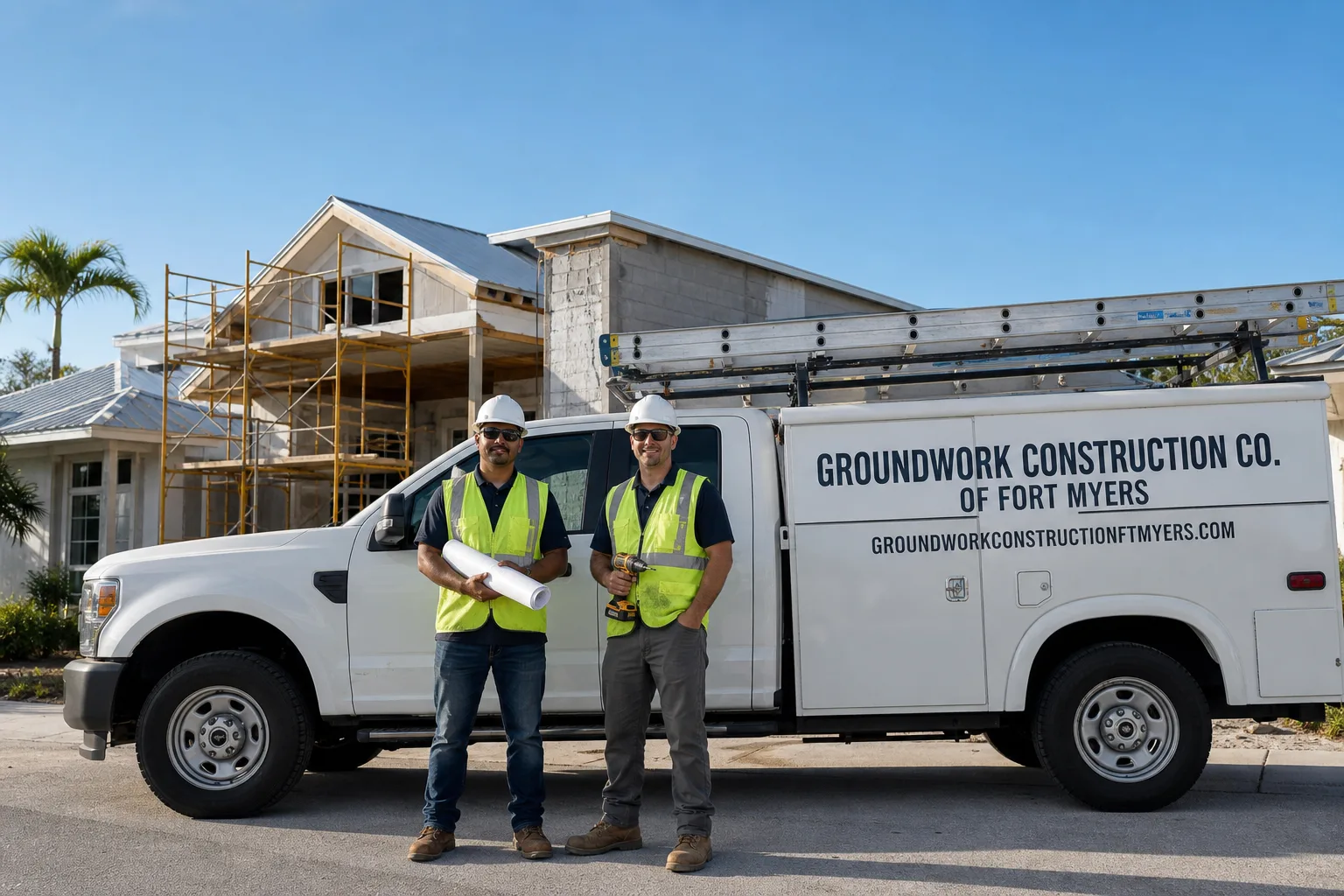
What a Window Replacement in Cleveland Actually Costs and How Long It Takes
Our Windows & Doors services in Cleveland typically run $4,500 to $15,000, with most full-home vinyl retrofit jobs landing around $5,000 to $8,000 and full tear-out replacements with premium frames hitting the upper end. You’re not just swapping glass - you’re pulling the old frame down to the rough opening, addressing any water damage in the buck, squaring the opening, setting the new window, insulating and sealing the perimeter, and trimming out both sides. Most jobs take one to three days, depending on how many windows we’re doing and what we find when the siding comes off. Call (844) 638-7249 for a free on-site estimate with a written line-item quote - no surprises, no change orders slipped in after the fact.
We spend a lot of time in Cleveland on homes built between the mid-1960s and the late 1980s, and the window failure pattern is the same almost every time: the seal between the panes has gone, the track is packed with years of subtropical grit, and the rough opening has been quietly soaking up moisture since the last big thunderstorm season. In this part of Florida, a fogged-up double pane isn’t just an energy bill problem. June through September, afternoon storms hit hard and fast, and a window that won’t seal or latch cleanly becomes a real security and water-intrusion risk - especially if the homeowner is evacuating or battening down for a named storm. The framing is usually CBS - concrete block and stucco - which means the retrofit-vs-full-replacement conversation is different here than it is on a wood-framed house inland, and we’ll get into why that matters below.
How Much Does Window Replacement Cost in Cleveland?
For a standard Cleveland ranch house - say 1,200 to 1,800 square feet on a flat CBS slab, built in the ’70s or early ’80s - you’re looking at three broad pricing bands for Concrete Driveways & Concrete Work in Cleveland and windows alike, depending on what system you choose and what condition the existing openings are in. These numbers cover the window units, labor, perimeter insulation, exterior sealing, interior trim, haul-away, and the permit.
- Retrofit vinyl inserts (most common budget route): $4,500 - $7,000 for a typical full house. The new window fits inside the existing aluminum or wood frame, so we’re not opening the wall or replacing interior trim. Fastest install, lowest cost, and still a big step up in energy performance over single-pane originals.
- Full-frame replacement with mid-grade vinyl or fiberglass: $7,500 - $12,000. The entire old frame gets cut out and the opening gets squared, re-flashed, and sealed from the sheathing out. This is the right call when we find rot, termite channels, or the rough opening has settled out of square - which happens a lot on Cleveland’s older slabs where sinkhole-related movement wasn’t investigated when the house went up.
- Impact-rated windows (wind-borne debris zone compliance): $10,000 - $15,000. These carry Florida product approval numbers, meet the large-missile impact test, and satisfy the Pasco County wind-load requirements for openings. If you’re near an evacuation zone or your insurer is pushing for a wind-mitigation discount, this is the tier that moves the needle.
What pushes a Cleveland job toward the high end of that range? First, the number of openings - a three-bedroom ranch might have 8 windows, while a two-story or an addition-heavy layout can push past 14. Second, what we find during demo: rotted framing bucks on the south and west exposures are common here because those walls eat the afternoon sun and every thunderstorm for decades. Third, trim condition - if we’re matching interior casing to a house that had custom millwork done in the ’70s, the finish carpentry time goes up. Fourth, impact-approval paperwork: Pasco County wants the NOA (Notice of Acceptance) numbers on the permit, and if the house doesn’t already have a wind-mitigation inspection on file, getting that squared away adds a step. Every written estimate from us breaks out the line items so you see exactly what you’re paying for.
How We Handle Window Replacement in Cleveland
This isn’t a “drop the crew off and hope” job. We’ve been doing this long enough to know that the window unit is only half the story - the rough opening is where the real work lives, especially on a CBS house that’s been through 40 years of Florida humidity. Here’s how the job runs start to finish.
Day one - interior prep and site protection. The crew lays floor protection from the entry point to every window being worked. We mask the interior casing with painter’s tape and cover nearby furniture with clean drop cloths. If the job involves full-frame tear-outs, we set up a dust-containment zip wall so the demo stays in the window bays and out of your living space. This stage takes about an hour on a typical single-story Cleveland house, longer if we’re doing a full perimeter of impact windows. You’ll decide final trim profiles and interior paint-grade vs stain-grade at this point if you haven’t already - we bring physical samples to the walkthrough so you’re not guessing from a screen.
Removal and rough-opening assessment. We pull the sash, cut the old frame at the corners, and extract it in sections. On a CBS wall, the window buck is usually pressure-treated lumber set into the block, and after 30 or 40 years in Cleveland’s humidity, about one in three houses shows some level of deterioration at the sill - especially on east-facing windows that catch morning condensation and never fully dry. If we find rot, we cut it out, treat the cavity, and sister in new stock before the opening gets re-squared. This is the point where a “retrofit” estimate can turn into a “full-frame” scope, and we photograph everything and walk you through it before we proceed. No surprises.
Setting and sealing the new unit. The new window goes into the opening, shimmed level and square, and fastened to the framing buck according to the manufacturer’s fastener schedule - not just wherever it’s convenient. We backer-rod the perimeter gap and apply a continuous bead of low-expansion foam insulation that stays flexible as the house moves. On the exterior, we flash the head and jamb with butyl-backed tape, lapped shingle-style so water never gets directed behind the WRB (weather-resistive barrier). This step is the difference between a window that stays dry for 30 years and one that leaks inside the wall in its first thunderstorm season - and it’s where we spend the time that a rushed crew skips. For impact-rated windows in Cleveland, we also verify the anchor count and embedment at this stage because the Pasco County inspector will check it against the NOA drawing.
Interior trim and casing. Once the window is set and sealed, we install the interior stops and casing to match the existing profile or the style you chose at the walkthrough. Joints get coped, not just butted, and nail holes get filled with a two-part wood filler that won’t shrink and telegraph through the paint. For full-frame jobs, this stage includes patching and floating any drywall or stucco around the interior opening. We prime bare wood and leave the trim ready for your final paint - or we paint it to match if that’s in the scope.
Final seal, cleanup, and walkthrough. The exterior gets a color-matched sealant bead around the entire perimeter. The crew runs every window through a full cycle - open, close, lock, unlock - and checks for smooth operation and positive latch engagement. We vacuum the bays, remove all protection, and walk you through each window so you know what was done and what to expect as the sealants cure over the next 48 hours. You’ll also get digital photos of the rough openings from before we closed them up - documentation that matters if you ever sell the house or file an insurance claim.
The Window Options You’ll Choose Between
The choices break into two big buckets: the frame material and the glass package. What you pick here determines how the window performs in Cleveland’s climate and what it costs over its lifetime, not just on the front end.
- Vinyl frame (insulated or non-insulated). The workhorse for most Cleveland retrofits. Vinyl doesn’t rot, doesn’t need paint, and the multi-chamber extrusions give a solid U-factor at a price point that makes a full-house job accessible. The trade-off: dark colors can warp under direct Florida sun, so we typically spec white or light tan on south and west exposures. Insulated vinyl adds foam inside the frame chambers for a modest thermal bump and slightly better sound deadening.
- Fiberglass frame. A step up in rigidity and longevity. Fiberglass expands and contracts at nearly the same rate as the glass itself, so the seals hold up longer through Cleveland’s daily heat-cool-moisture cycling. It takes dark colors without complaint and the frames are thinner, giving you more glass area per rough opening. It’s a good match for impact-rated applications because the material’s strength complements the laminated glass.
- Aluminum frame (thermally broken). Strong, narrow sightlines, and a natural fit for the mid-century CBS houses that still have their original aluminum single-panes. We only spec thermally broken aluminum - the kind with a polyamide strip between the inner and outer frame - because non-broken aluminum sweats like a glass of iced tea in July and will drip condensation onto your sill. More expensive than vinyl, less than fiberglass, and the go-to when an architect or HOA wants a specific profile.
- Glass package - Low-E, argon fill, and impact lamination. In Cleveland’s climate, we spec Low-E coating on surface 2 or 3 depending on whether you’re prioritizing heat gain reduction (west-facing) or visible light transmission (north-facing). Argon fill between the panes drops the U-factor about 0.05, which matters less here than in Minnesota but still helps on those rare February mornings when the heat actually kicks on. For impact-rated windows, the inner pane is laminated - two sheets of glass bonded to a PVB interlayer that holds together even when a 2×4 hits it at 34 mph. That’s not an upsell, it’s a code requirement in certain wind zones, and we’ll confirm whether your Cleveland address falls in one during the estimate.
What Cleveland Homes Specifically Do to This Job
We’ve replaced enough windows across Cleveland to know the patterns. The bulk of the housing stock here is 1960s-through-1980s CBS ranches - block walls, slab-on-grade, low-pitch hip roofs - and that construction type dictates how we approach a window job differently than we would on a newer wood-framed house in, say, Fort Myers. The window bucks on these older CBS homes are wood set directly into the block, and after four or five decades of subtropical humidity cycling, the sill end of that buck is frequently soft. When we pull the old frame and find that, it’s not a surprise and it’s not a budget-buster, but it has to be addressed before the new window goes in or you’re just hiding a problem behind fresh caulk.
The other factor that’s specific to this part of Pasco County - beyond Driveway Repair & Replacement - Cleveland - is slab movement. Cleveland sits on karst limestone geology - the same formation that gives the county its sinkhole reputation - and we routinely see houses where one corner of the slab has settled a quarter-inch or more over the years. That shows up as a window opening that’s trapezoidal instead of square, and you can’t just force a square window into a non-square hole and expect it to operate smoothly for 20 years. We square the opening during the rough-in stage, and if the movement is significant enough that we suspect active settlement, we’ll recommend a structural engineer’s opinion before we proceed. It’s a conversation we have more often in Cleveland than almost anywhere else we work, and it’s one of the reasons we never give a firm price over the phone - the rough opening tells the truth, and we need to see it.
Permitting is straightforward but specific. Pasco County requires a window replacement permit for any job that alters the rough opening - so a retrofit insert inside an existing frame typically doesn’t trigger one, but a full tear-out does. We pull the permit, schedule the inspection, and make sure the NOA numbers for impact-rated units are on file with the building department. If your homeowners’ association has architectural review requirements, we’ll help you navigate that, but it’s worth knowing that some of the older Cleveland subdivisions have covenants that predate the current Florida Building Code and may restrict visible frame colors or exterior trim materials.
Serving Cleveland, FL - Our Local Coverage Area
We’re based in the Cleveland area and know this community well, from Chain Link Fence in Cleveland to windows and beyond. Use the map below to see our service coverage - if you’re nearby, we can almost certainly help.
Frequently Asked Questions About Window Replacement in Cleveland
Most single-story window replacement jobs in Cleveland wrap in one to three working days depending on the number of openings and whether we’re doing retrofits or full-frame replacements. A typical 10-window retrofit on a CBS ranch is a two-day job: day one is removal and setting, day two is interior trim and final seal. Full-frame tear-outs add about half a day per three windows because of the extra demolition and buck repair. Impact-rated jobs sometimes add a day for the county inspection to be scheduled and passed before we can call the job complete. If you’re planning around a specific date - a home sale, an insurance re-inspection, the start of hurricane season - call (844) 638-7249 and we’ll give you a realistic timeline based on our current workload in Cleveland.
It depends on the scope. Retrofit window replacements where the new unit slides into the existing frame and the rough opening isn’t altered typically don’t require a permit in unincorporated Pasco County. Full-frame replacements - where the old frame gets removed down to the rough opening - do require a permit, as does any replacement with impact-rated windows that need NOA documentation on file. We handle the permit application, the fee, and the inspection scheduling as part of the job, so you’re not running paperwork yourself. If you’re in a gated community or an HOA with its own architectural review board, that’s a separate step we’ll flag during the estimate.
Yes, but the real savings in a Cleveland home are more about HVAC runtime than the dollar amount on your FPL bill. Single-pane aluminum windows - which are still in a lot of the 1960s and ’70s CBS houses here - have a U-factor around 1.0 and let a huge amount of solar heat gain through, especially on west-facing walls. Swapping those for modern Low-E double-pane units drops the heat transfer by roughly 50 to 60 percent, which means your air conditioner cycles less often during the long afternoon hours when it’s working hardest. The dollar savings depend on your home’s insulation, shading, and thermostat habits, but the comfort difference - rooms that stay cooler at 3 p.m. in August - is what most homeowners notice first.
You can, and we do phased window replacement in Cleveland regularly. The most common approach is to start with the worst-performing exposure - usually the south or west wall, which takes the brunt of the afternoon sun and wind-driven rain - and work through the rest of the house over time. The main thing to know is that doing all the windows at once costs less per opening because the crew is already mobilized, the permit covers the full scope, and the material order hits a more efficient quantity. We’ll quote both ways - full house and phased - so you can make the call based on your budget.
Impact windows provide passive, always-there protection - the laminated glass and reinforced frame meet Florida’s large-missile impact test without you having to do anything before a storm. Shutters require you to be home, physically deploy them, and secure them before the wind picks up. In Cleveland, where a lot of homeowners leave for work during the day or travel during storm season, impact windows eliminate the panic of trying to get the house buttoned up on short notice. They also qualify for wind-mitigation discounts on your homeowners’ insurance, which can offset some of the upfront cost. The trade-off is price: impact windows run 30 to 50 percent more than a comparable non-impact retrofit. We’ll run both numbers during the estimate so you can see the payback.
Get a Straightforward Quote for Window Replacement in Cleveland
If your Cleveland home is ready for new windows - or if you’re seeing fogged glass, sticking sashes, or water stains around the trim and want to know where you stand - call us at (844) 638-7249. We’ll schedule a free on-site estimate with one of our background-checked, uniformed technicians who will measure every opening, check the rough openings for hidden damage, and give you a written line-item quote that doesn’t change unless the scope changes. From the first call - answered by a live person, 24/7 - to the final walkthrough, every window replacement job is backed by our 730-Day Done Right Promise: if it’s not done right, we make it right. You can also ask about pairing new windows with exterior upgrades like Vinyl Fence in Cleveland or Aluminum Fence in Cleveland - homeowners often roll those projects together when they’re refreshing the whole property envelope.
Written by Derek Hollenbeck, Owner at Groundwork Construction Co., serving Cleveland since 2014.