
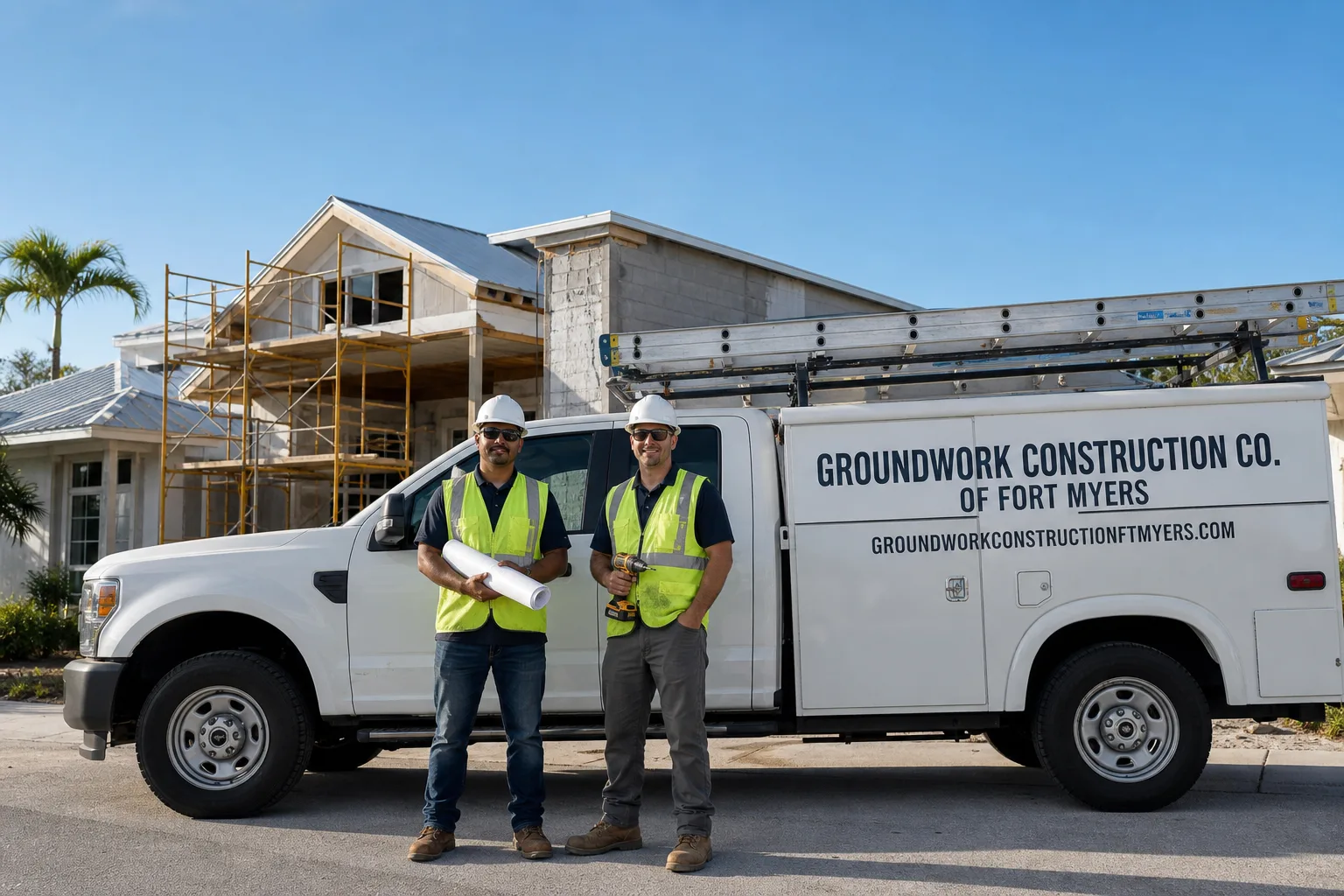
What a Chain Link Fence in Pelican Bay Actually Costs and How Long It Takes
A chain link fence in Pelican Bay typically runs between $3,500 and $9,000 for a standard residential installation, and most jobs wrap up in two to five days. The price swings on four things: linear footage, gate count, the gauge and coating of the wire, and whether we’re coring into an existing concrete patio slab or setting posts in soil. Call (844) 638-7249 for a free on-site estimate with a written line-item quote, no surprises and no change orders.
How We Build a Chain Link Fence, Start to Finish
The process is straightforward, but there are real decisions at every stage, and we walk you through each one before a single tool hits the ground. Here is the sequence on a typical chain link fence in Pelican Bay.
Day zero: the site walk. Derek or a senior estimator comes out, measures the full run with a wheel, and checks the grade. On Pelican Bay properties with existing paver or concrete patios, we mark exactly where posts will be set and confirm whether we are coring into hardscape, digging in turf, or both. You get the written quote that same day, with every line broken out so you know what each choice costs before you sign.
Day one: locate and layout. We call in utility locates before we dig, which is non-negotiable on every job. Once the area is cleared, we stake the line and mark post spacing. You decide exactly where each gate goes, how wide it swings, and which way it opens. In Pelican Bay, we also check HOA submittal requirements at this stage because many communities want a drawing before posts go in the ground.
Day two: post setting. We dig or core terminal and line posts to the depth required for the fence height, set them in concrete, and brace them to cure. Post depth in Southwest Florida is driven more by wind-load tables than by frost line, and we size our footings accordingly. The concrete cures overnight, and we return the next morning to hang the fabric.
Day three: fabric and tension. We unroll the chain link mesh, attach it to the terminal posts with tension bands, and stretch it using a come-along and tension bar. The top rail goes on, and we tie the fabric to the line posts. Proper tension is the difference between a fence that still looks taut five years later and one that sags after a single rainy season. We tension every run to manufacturer spec.
Day four or five: gates, hardware, and cleanup. We hang and align every gate, install latches and drop rods, and walk the entire fence with you. Any adjustments get made on the spot. The crew removes all scrap, rakes disturbed soil, and pressure-washes any concrete slurry left from coring. The fence is ready to use the day we finish.
The Options You’ll Choose Between
A chain link fence is not a one-size product. The choices you make on the front end determine what the fence looks like, how long it lasts in Gulf Coast air, and what the final number is. Here are the main decisions:
- Wire gauge. Residential chain link typically uses 11.5-gauge or 12.5-gauge wire. The lower the gauge number, the thicker the wire. We recommend 11.5-gauge for Pelican Bay because it resists sagging better over long runs and stands up to the constant wind loading that comes with being a mile from the Gulf. It costs more upfront but buys years of tighter fabric.
- Coating: galvanized vs. aluminized vs. polymer. Standard galvanized is the workhorse and the most budget-friendly. Aluminized adds a layer of aluminum to the zinc coating and holds up longer in salt-laden air, which matters on properties west of Tamiami Trail. A polymer or vinyl-coated chain link (black, green, brown) costs more but blends into landscaping and resists corrosion best. For beachfront Pelican Bay towers, polymer-coated 9-gauge is common on pool enclosures and service-yard fences.
- Frame and post finish. Posts, rails, and gate frames come in galvanized or powder-coated finishes to match the fabric. Powder coating adds cost but delivers a cleaner look and better scratch resistance on visible runs. We also spec terminal posts one size heavier than line posts because they carry the full tension load.
- Gate style and hardware. A single walk gate versus a double drive gate changes the post engineering and the hardware spec. We use commercial-grade hinges and fork latches on drive gates, and self-closing hinges with a pool-code latch on any gate that opens toward a pool enclosure. If you are fencing a pool in Pelican Bay, the gate must self-close and self-latch to pass Collier County inspection.
- Bottom wire vs. bottom tension. On fences where dogs or wildlife are a concern, we add a tensioned bottom wire to prevent pushing under the fabric. It is a modest line item added at the estimate stage, but we recommend it on any run that abuts preserves or golf course edges, which describes many Pelican Bay property lines.
What a Chain Link Fence Costs in Pelican Bay, FL
Most residential jobs in Pelican Bay land between $3,500 and $9,000, with smaller dog-run or pool-enclosure projects occasionally dipping to around $2,800 and large perimeter fences with multiple drive gates pushing toward $11,000. The spread is real, and it comes down to a handful of drivers we can explain in plain terms.
The biggest variable is linear footage. A 60-foot run with one walk gate costs a lot less than a 200-foot perimeter with a double drive gate. Second is post footing conditions: digging in native sandy soil is straightforward; coring into an existing concrete patio or pool deck adds labor, diamond-blade time, and cleanup. Third is wire and coating spec. Upgrading from standard galvanized to polymer-coated 9-gauge adds material cost but is a smart investment on a Pelican Bay property where salt spray is a daily reality. Fourth is gate count and type. A single 4-foot walk gate is one line item; a 12-foot double drive gate with a heavy-duty frame and fork latch is a much larger one. Fifth is vegetation and access. Removing a mature hedge line or working in a tight side yard where we wheelbarrow concrete in by hand adds labor hours.
We write every estimate as a fixed-price, line-item quote. You see the per-foot cost for the fabric, the per-post cost with footing, and each gate broken out separately. What is included: demolition and removal of an existing fence if there is one, concrete for footings, all posts, rails, fabric, gates, hardware, cleanup, and a final walkthrough. What is typically not included unless we flag it upfront: major stump or root removal, relocating underground utilities, and extensive regrading beyond what post-hole digging disturbs. We will tell you if any of those apply before you commit.
What Pelican Bay Properties Specifically Do to This Job
Pelican Bay is not a generic suburb. It is a master-planned Gulf-front community where most properties sit inside condo associations with architectural review boards, and the salt-laden air west of Tamiami Trail corrodes standard galvanized hardware faster than you would believe. We have replaced chain link on Pelican Bay service yards where the original 12.5-gauge posts were paper-thin at the base after fifteen years of salt exposure. Our material spec for Pelican Bay starts with 11.5-gauge minimum and aluminized or polymer-coated fabric, because the few hundred dollars saved on standard galvanized gets eaten by a replacement ten years early.
The permitting reality is also different here. Most Pelican Bay communities require HOA approval with a site plan and material spec sheet before you pull a county permit. Collier County will want a fence permit if the fence exceeds a certain height or encloses a pool, and the pool barrier code is enforced tightly. We have navigated the submittal process for enough Pelican Bay associations to know what gets kicked back and what sails through, and we include the permit coordination in our estimate. On newer single-family lots east of the beachfront towers, the soil is typically well-draining sandy fill, which means post footings set fast. On older infill villas near the Bay Colony edge, we occasionally hit construction debris or coral rock two feet down, which adds auger time. No two lots are the same, and we price the dig only after we have walked the line.
Homeowners who want a cohesive property often pair a chain link service-yard fence with a hardscape update. We regularly coordinate with our Concrete Driveways & Concrete Work in Pelican Bay crew when a fence install overlaps with a driveway extension, and for properties where the driveway surface itself is due for replacement, we can bring in our Asphalt Driveways & Resurfacing in Pelican Bay team as part of the same project schedule.
Serving Pelican Bay, FL - Our Local Coverage Area
We’re based in the Pelican Bay area and know this community well. Use the map below to see our service coverage - if you’re nearby, we can almost certainly help.
Frequently Asked Questions About Chain Link Fence in Pelican Bay
Most residential chain link fence jobs in Pelican Bay finish in two to five working days, assuming weather cooperates. A straight 80-foot run with one gate can be done in two days; a perimeter fence on an irregular lot with multiple gates, concrete coring, or significant vegetation clearing may stretch to four or five. We give you a firm schedule at the estimate, and we stick to it. Call (844) 638-7249 to get a timeline specific to your property.
If the fence is over a certain height or encloses a pool, Collier County requires a permit, and most Pelican Bay community associations require HOA approval with a site drawing regardless of height. We handle the full submittal package and pull the permit so you do not have to manage it. The HOA review can take two to four weeks depending on the association’s meeting schedule, so plan that into your timeline.
Residential chain link in Pelican Bay generally runs $22 to $38 per linear foot installed, depending on wire gauge, coating, and whether posts are set in soil or cored into concrete. A basic galvanized 4-foot fence on open soil lands at the lower end; a polymer-coated 6-foot fence with powder-coated posts and concrete coring lands at the higher end. Our written quote shows the per-foot price for your exact spec so there is zero guesswork.
Yes, and we do it regularly in Pelican Bay where pool decks and patios extend to the property line. We core the concrete with a diamond-bit rig, set the post in the cored hole with concrete, and sleeve the post base so the concrete slab can still expand and contract without cracking around the post. The coring step adds to the per-post cost, and that cost is fully disclosed on the estimate.
Every chain link fence we install in Pelican Bay is covered by Groundwork Construction Co.’s 730-Day Done Right Promise: if it is not done right, we make it right. The materials themselves carry manufacturer warranties that range from 10 years to limited lifetime depending on the coating system you choose. We will walk you through those warranties during the estimate so you know exactly what is covered and for how long.
If your scope goes beyond a stand-alone fence and into a full property project, this work falls under our broader Fence Installation in Pelican Bay service, and we schedule it as part of one coordinated job. Our Fence Installation crew works across Pelican Bay regularly and knows the HOA landscape, the permit process, and the material upgrades that hold up in Gulf Coast conditions.
Get a Fixed-Price Quote on a Chain Link Fence in Pelican Bay
Every estimate starts with a simple site visit where we measure, talk through your options, and answer your questions in person. You get a written, line-item quote that shows what each choice costs, no hidden fees and no change orders. Call (844) 638-7249 to schedule yours. A real person answers the phone, 24/7, and we can usually have someone at your Pelican Bay property within a couple of days.
Written by Derek Hollenbeck, Owner at Groundwork Construction Co., serving Pelican Bay and surrounding communities with exactly the same standard we would want on our own homes.