
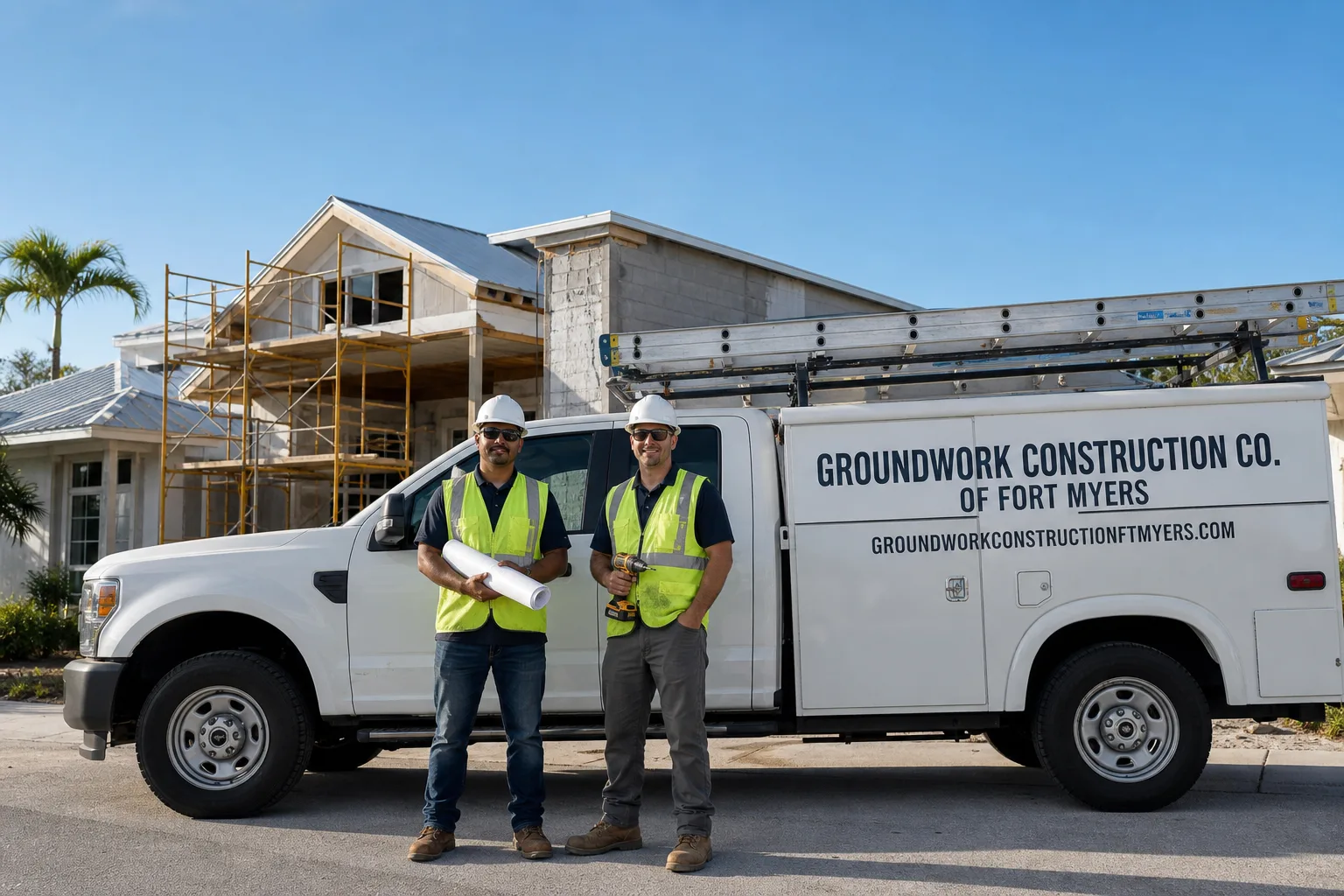
What Specialty Roofing Actually Costs and Entails in Island Walk, FL
Specialty roofing in Island Walk covers the non-standard roof work that falls between a simple repair and a full tear-off replacement, think chimney flashing rebuilds, skylight replacements, dormer re-flashing, cricket installations behind wide chimneys, or integrating a new roof section onto an existing DiVosta barrel-tile roof. A realistic timeline is two to five working days, and the price in Island Walk typically runs from $1,200 to $6,800 depending on the scope and how much concrete-core anchoring the project requires. Call (844) 638-7249 and we’ll send a roofing lead who knows the DiVosta wall system cold; the estimate is free and the number you see is the number you pay.
How We Handle Specialty Roofing on an Island Walk Home
Every specialty roofing job here starts with the same reality check: this is a poured-concrete DiVosta home, built between roughly 1996 and 2006, and the first-gen tile roof components are all aging out at the same time. Here’s the real sequence we follow, and what you will decide at each stage.
Stage 1: On-site assessment and core-drill planning. We spend about 90 minutes on your roof and around the perimeter checking the existing flashing, underlayment, and tie-in points where the specialty work will happen. On an Island Walk home, we also map exactly where any new anchoring will need to penetrate the solid concrete walls or bond beam, because standard Florida block-drilling isn’t an option here. You are deciding right then whether to scope just the immediate problem or to bundle any adjacent aging components we flag. This stage takes one visit, usually the day after you call.
Stage 2: Material matching and order. DiVosta’s original barrel tiles came from specific manufacturers, and the color lots from the late-90s and early-2000s haven’t been in continuous production. We pull a sample tile, match it against current CertainTeed and Eagle stock, and present you with the two closest matches along with the price difference. This stage takes one to three days; your decision is which tile match you prefer, or if you would rather use a complementary flat-profile tile for a dormer or cricket area.
Stage 3: Underlayment, flashing, and core-prep. This is the messy day. We strip back the existing underlayment and flashing in the work zone, prep the concrete surface for new self-adhered high-temperature underlayment, and core-drill any attachment points into the DiVosta wall using a wet diamond rig (the same equipment we use when tying a new flat-roof section into a poured-concrete gable). You do not make decisions during this stage. The work takes one full day.
Stage 4: Specialty component installation. New flashing, crickets, dormer saddles, skylight curbs, or ventilation inlets go in. If the job involves retrofitting a new skylight into a poured-concrete roof deck, we cut the opening with a walk-behind concrete saw with integrated dust suppression; on a framing lumber home that would take two hours, on a DiVosta build it is a solid day of cutting and sealing. The crew is uniformed, background-checked, and the foreman on site has done this exact cut on at least a dozen Island Walk houses before yours.
Stage 5: Tile re-set, water test, final walk. We re-lay the matched tiles, run a hose test across every new joint and tie-in, and walk the roof with you before we descend. Any debris, core slugs, or stripped materials leave with us. The whole roof gets a written condition report covering what was done, what we touched, and the projected remaining service life of the surrounding roof sections that were not part of the scope. Your final decision is sign-off, and the 730-Day Done Right Promise starts the moment you do.
The Options You’ll Choose Between
Specialty roofing isn’t one-size-fits-all, and in Island Walk the choices hit harder because a bad match on a tile roof stands out for two blocks. Here are the real trade-offs a homeowner weighs on this kind of job:
- Tile matching versus complementary contrast. An exact color match to 2003-vintage DiVosta barrel tile is possible about 70% of the time. When the original lot is discontinued, you can either go with the closest production shade (within one to two tones, warranty-identical) or choose a flat-profile concrete tile in a deliberate complement, like a darker saddle on a dormer. The complementary route often saves $400 to $900 in material hunting fees and looks intentional rather than like a near-miss match.
- Self-adhered versus mechanically fastened underlayment. In the specialty zone, a self-adhered high-temperature underlayment runs about 15 to 20 percent more in materials but creates a fully sealed barrier at every penetration. A mechanically fastened synthetic underlayment is tougher than felt but relies on cap nails and overlapping seams. On an Island Walk roof where the DiVosta concrete deck is dead-flat with zero cavity ventilation, we strongly favor the self-adhered route because there is no attic airflow to dry out a minor leak.
- Skylight curb: keep and re-flash versus full replacement. If your existing skylight curb is wood-framed and showing even minor rot around the poured-concrete opening, replacing the entire curb-and-flashing assembly adds one day and roughly $800 to $1,400 to the job. Keeping the curb and re-flashing it saves that money but leaves you with 20-year-old wood that will never be any better than it is today.
- Chimney cricket or no cricket. Island Walk homes with wide chimneys (over 30 inches) should have a cricket diverting water around the up-roof side. Many original DiVosta builds skipped the cricket to save a line item. Adding one now means bringing the specialty roof section up to current Collier County code, and it adds $700 to $1,100 depending on the chimney width. Not adding one means the flashing at that junction will remain the highest-maintenance joint on your roof.
What Specialty Roofing Costs in Island Walk, FL
Specialty roofing in Island Walk runs $1,200 to $6,800. Small flashing jobs sit at the low end; dormer rebuilds, chimney cricket additions, and skylight retrofits into a poured-concrete deck push toward the high end. Everything we do comes as a written, line-item estimate with no change orders unless the scope changes at your request.
The variables that actually move the number:
- Concrete-core access hours. The single biggest variable on a DiVosta home is how much diamond-core drilling the job requires. Each attachment point into a solid poured wall takes three to five times longer than the same anchor into hollow CMU block, and the rig time costs money. A dormer tie-in that needs six anchor points into the gable wall runs higher here than the identical job in a nearby CMU neighborhood.
- Tile sourcing complexity. Discontinued tile colors mean a material broker search or custom blending. If the tile is still in active production from a major brand like Eagle or CertainTeed, material costs stay standard. If we are hunting remnant lots, expect $200 to $600 in added material search cost.
- Underlayment condition at the tie-in. If the underlayment in the adjacent roof section is brittle or delaminated from the concrete deck, we need to extend the underlayment replacement zone, which widens the scope and the day count.
- Permit scope and wind-mitigation upgrades. Most specialty roofing in Collier County triggers a roof permit, and if the work touches more than 25 percent of a roof section, the inspector will require that the entire section meet current wind-load attachment standards. That can mean additional strap or clip upgrades, which add $400 to $1,200.
- Flood-zone detailing. Homes on Island Walk’s lakes and canals often sit in a FEMA flood zone, and any structural penetration through the roof deck needs supplementary sealing documentation for the elevation certificate file. The detailing itself adds minimal cost, but the paperwork and inspection coordination add half a day.
A Groundwork estimate for specialty roofing includes the material line items, the labor and core-drill hours, permit fees, and the dump fee for removed material. It does not include hidden structural repairs found after opening the roof deck (rare, but we will stop and show you before proceeding) or HOA architectural-review fees if your Island Walk sub-association requires one.
What Island Walk Homes Specifically Do to Specialty Roofing
The DiVosta poured-concrete construction that defines Island Walk changes specialty roofing in ways that a contractor who only knows standard Florida CMU block construction will misjudge every time. Every roof-to-wall tie-in, dormer cheek, and chimney saddle on these homes bonds to a solid, cavity-free concrete deck and wall system. There is no hollow block to fish flashing into, no cavity to nail a wooden nailer strip into, and no attic cavity to ventilate out a small moisture intrusion. A specialty roofing detail on a DiVosta home lives or dies by its adhesion and mechanical anchoring into solid concrete. Every attachment point requires a wet diamond core drill, epoxy-set stainless anchors, and a flashing detail that accounts for zero drying airflow. Our crew brings a Hilti core rig to every Island Walk specialty roofing job, and we budget the rig time into the estimate upfront. Contractors who did not know this community have shown up with standard hammer drills and left to rent equipment they never priced into the job, and that delay almost always lands on the homeowner’s change-order line.
Permitting runs through Collier County, and any roof penetration work here that changes the structural attachment of a roof section triggers a wind-mitigation review under current code. Hurricane Ian made the county’s plan reviewers particularly rigorous about roof-to-wall strap continuity. On a specialty roofing job that touches a dormer or chimney tie-in, the inspector will check that the existing straps in the opened section meet the current uplift standard. If they do not, the permit scope expands to bring that section into compliance, and we have seen this add a day and roughly $500 to $900 on several Island Walk homes built in the 1998-2002 window. It is not a surprise cost when you work with a Roofing crew who knows the Collier permitting rhythm. It is an unpleasant surprise when the contractor finds out at inspection.
The community’s network of lakes and canals also means many lots sit in or adjacent to FEMA-designated flood zones. Any roof opening that could theoretically admit water into the building envelope during a flood event needs to be sealed and documented to a higher standard, and Coller County plan review will flag the address in the flood layer automatically. This adds a half-day of inspection coordination on roughly one in three Island Walk specialty roofing jobs, and we schedule that buffer from day one so your timeline does not slide.
Serving Island Walk, FL - Our Local Coverage Area
We’re based in the Island Walk area and know this community well. Use the map below to see our service coverage - if you’re nearby, we can almost certainly help.
Frequently Asked - Specialty Roofing in Island Walk
Most specialty roofing in Island Walk takes two to five working days from setup to final walk. The DiVosta concrete deck adds about one full day of core-drilling and anchoring compared to a standard CMU-block home, and tile matching can add one to three days of lead time before materials arrive. A simple flashing rebuild might close in two days; a dormer re-flash with skylight curb replacement will push to the five-day end.
Yes, almost always. Collier County requires a roof permit for any work that penetrates or alters the roof deck, underlayment, or structural attachment, which covers virtually every specialty roofing scenario. If your job touches more than 25 percent of a roof section, the inspector will require wind-mitigation compliance for that entire section. We pull the permit as part of the estimate, and the fee is a line item you see before you sign. Call (844) 638-7249 and we can walk you through exactly what your specific scope triggers.
About 70 percent of the time, yes, we can source an exact or near-exact production match from current CertainTeed or Eagle tile lines. When the original color lot is fully discontinued, we present you with the closest available shade and a deliberate-complement option. Either way, the tile warranty is identical and the color difference on a dormer or chimney section is rarely visible from the ground once the roof has a season of weather on it.
Not unless the scope changes at your request. Our estimates are written and line-itemed, and the 730-Day Done Right Promise means we stand behind the number. The one scenario where a specialty roofing job in Island Walk can uncover a hidden scope expansion is rotted wood blocking inside a chimney chase or skylight curb that was not visible during the pre-work inspection. If we find it, we stop, show you photos, and get a signed change order before touching it. No surprises, no invoice you did not approve.
All specialty roofing work by Groundwork Construction Co. is covered by our 730-Day Done Right Promise. If it is not done right, we make it right. The materials themselves carry their respective manufacturer warranties, typically 10 to 30 years for concrete tile and 15 to 30 years for self-adhered underlayment systems. Both are detailed in your final project packet.
Schedule Your Free Specialty Roofing Estimate in Island Walk
A specialty roofing issue on a DiVosta home is not something to let sit, not with Florida’s afternoon downpours and the way water travels laterally across a flat concrete deck. Call (844) 638-7249 and a live person answers, 24/7, no voicemail. We will set a time for a roof lead to walk the scope with you, explain exactly what needs to happen and what it costs, and leave you a written estimate the same day. Upfront pricing, a crew that knows poured-concrete construction, and the longest workmanship guarantee in residential Roofing in Island Walk. Homeowners doing specialty roof work often pair it with new Sliding & Patio Doors in Island Walk or a fresh Glass Railing Systems in Island Walk to tie the exterior look together, and we can scope both in the same visit.
Written by Derek Hollenbeck, Owner at Groundwork Construction Co., serving Island Walk since 2014.