
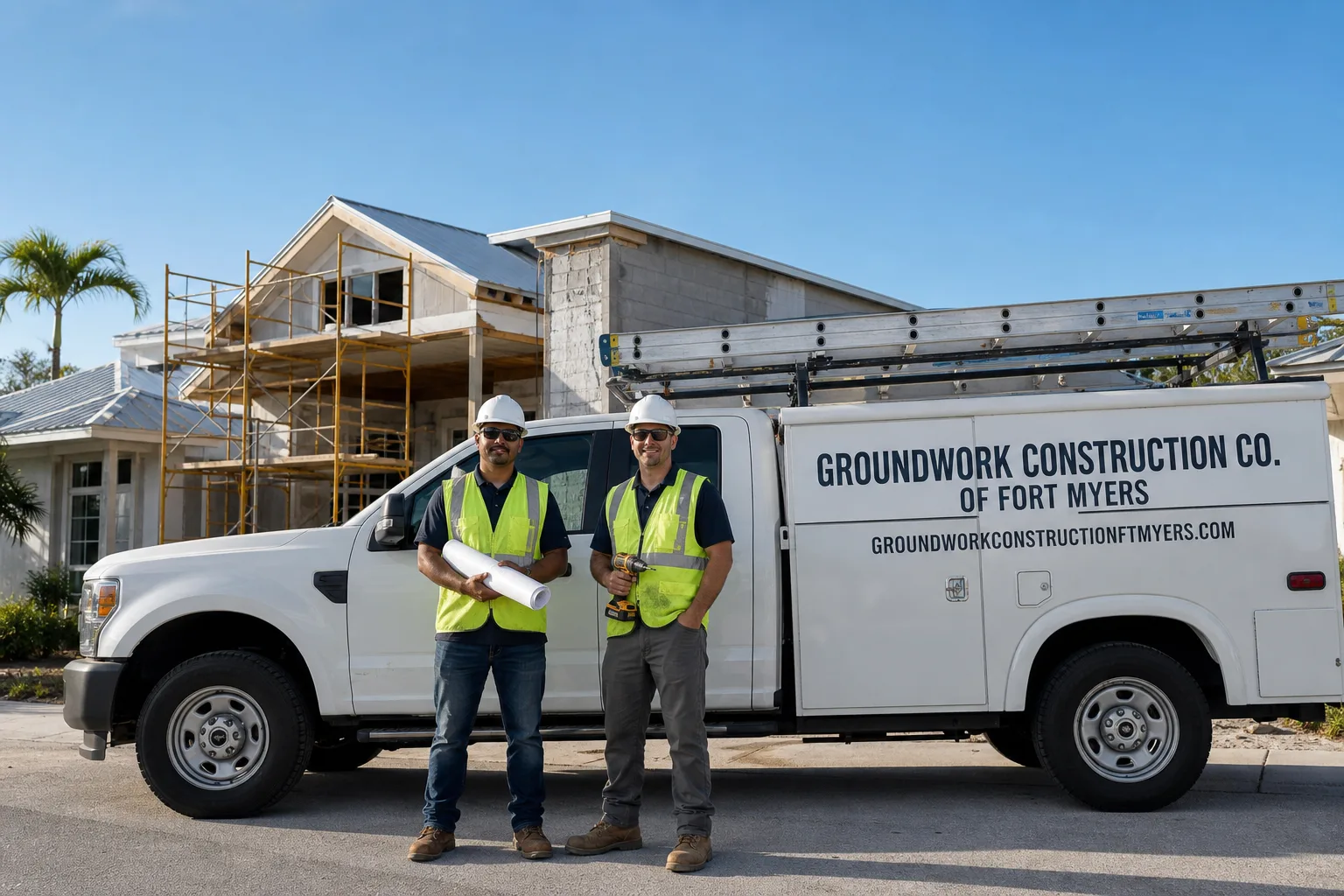
What a Chain Link Fence Job in LaBelle Actually Looks Like
A chain link fence install in LaBelle typically runs between $3,500 and $9,000, with most residential lots falling in the $4,200-$6,800 range. The job itself takes two to four days from post-hole digging to final walkthrough, assuming we’re working with standard 4-foot or 5-foot galvanized fabric on flat or gently sloped ground. Call (844) 638-7249 and we’ll give you a fixed written price before any dirt moves - no day-of surprises, no change orders buried in the fine print.
The range breaks down simply: a smaller backyard enclosure with one walk gate on a quarter-acre lot sits near the bottom. A full perimeter fence around a larger rural property with multiple gates, tighter post spacing for livestock, or dog-run sections with bottom tension wire hits the higher end. Every LaBelle chain link job we price includes full demo of any failed existing fence, concrete footers at every post, and a permit package submitted to Hendry County - because skipping that step on river-adjacent property invites real problems during the next flood-map review.
How We Build a Chain Link Fence on Your LaBelle Property
Every job follows the same core sequence, but LaBelle’s flat-ground, high-water-table soil means we adjust footing depth and post anchoring to match what we find once the auger goes in. Here’s the stage-by-stage breakdown.
Day 1: Layout, locate, and dig. We mark the fence line in paint with you walking the property - this is where you confirm exactly where the fence goes, where gates swing, and what stays inside versus outside the enclosure. The same day, we call 811 for utility locating, which Florida law requires before any excavation. Within 48 hours of the locate being cleared, we’re back with an auger setting terminal and line posts at 10-foot spacing, going 24 to 30 inches deep into LaBelle’s sandy loam to hit stable bearing below the muck layer. Every post hole gets a concrete footer poured to grade - no dry-setting posts in backfill, period.
Gate posts and bracing. Terminal posts at gates and corners go in first and get a heavier concrete footing than line posts, because these take the real tension load. On a farm gate or a 12-foot double-drive gate on a LaBelle rural lot, we’ll often overbore the footer diameter by 2 inches beyond code minimum. The soil here gets saturated for weeks during wet season, and an undersized footer in saturated ground will lean within two years. We set brace bands and tension rods on terminal posts before the concrete cures so the hardware is bearing directly into the footing, not just the post.
Fabric stretch and tension. Once footers have set - typically 24 hours in summer, closer to 36 in cooler months - we roll and stretch the chain link fabric using a come-along tension bar system. Fabric gets pulled tight along the top rail and secured with tie wires every 24 inches on the top rail and every 12 inches on line posts. Bottom tension wire follows immediately, pulled tight and secured at the grade line to prevent what we see constantly on older LaBelle fences: fabric that’s bowed out at the bottom because someone skipped the tension wire to save an hour.
Gates, hardware, and latch alignments. Gates get hung on heavy-gauge hinges welded or bolted to the terminal posts, and we align latch assemblies so they catch cleanly without dragging. On a pool-safety fence or a daycare enclosure, this is where we verify the self-closing spring tension meets Florida Building Code requirements. Every gate on a LaBelle chain link job gets a drop rod or cane bolt if it’s a double-drive gate - something you’ll appreciate the first time a calf leans against it.
Final walkthrough and cleanup. Before we call the job done, we walk the full fence line with you, check every tension band and tie, and confirm gates swing freely. Concrete spoils get hauled off, the fence line is raked clean, and you get a copy of your permit closeout documentation. The whole sequence, from the day we start digging to the walkthrough, lands inside four working days on almost every residential job in LaBelle.
What You’ll Decide Before We Order Materials
Most homeowners we work with in LaBelle haven’t spent much time comparing chain link specifications - and that’s fine. These are the choices that matter, with the honest trade-offs on each.
- Galvanized vs. aluminized vs. vinyl-coated fabric. Standard hot-dip galvanized is the workhorse - it’s what you see on 95% of rural LaBelle fences, and it’ll give you 20-30 years inland with minimal maintenance. Aluminized adds a layer of corrosion resistance worth considering if your property sits within a mile of the Caloosahatchee, where airborne moisture accelerates rust on standard zinc coatings. Vinyl-coated chain link in black or green costs more but disappears into landscaping better and resists the wet-season humidity without oxidizing - a real plus for front-yard or HOA-governed installations.
- Post gauge and diameter. Residential jobs use 2-inch OD line posts at 16-gauge minimum; corners and gate terminals step up to 2.5-inch or 3-inch OD in a heavier schedule 40 wall. If you’re running a fence line on a cattle property or enclosing a commercial yard in Hendry County, we spec the terminal posts heavier - the cost difference on materials is modest, and the 10-year performance gap is enormous.
- Fabric height and mesh size. Four feet handles most backyard dog enclosures and pool-code compliance. Five feet and up works for security or livestock containment. Mesh sizing (2-inch vs 1-inch diamond) matters primarily for smaller animals - a 2-inch mesh won’t keep a determined puppy or a raccoon out, and a 1-inch mesh is what we recommend for kennels and chicken runs.
- Gate count, size, and swing direction. Every gate adds line items to the price - a single walk gate, a double-drive gate for vehicle access, or a cantilever rolling gate on a wider opening. We’ll walk the property with you and mark swing arcs in paint so you can see exactly how the gate will operate before we commit to the layout.
When your project is part of a larger property improvement, we often coordinate the fence install alongside Concrete Driveways & Concrete Work in LaBelle or Asphalt Driveways & Resurfacing in LaBelle - sequencing the work so fence posts don’t interfere with new pavement edges.
What Chain Link Fence Costs in LaBelle, FL
Expect to invest $3,500-$9,000 for a full chain link fence installation on a standard LaBelle residential lot. The low end represents a straightforward backyard enclosure - roughly 150 linear feet of 4-foot galvanized fabric, one walk gate, no demo of existing fence. The high end covers a larger perimeter - 300-plus linear feet with multiple gates, taller fabric, heavier-gauge posts, and demo of an old failing fence before the new one goes in.
The variables that move the number: linear footage is the biggest driver, since materials and labor both scale directly with fence length; existing fence removal adds a half-day to a full day depending on what’s there and how it was set; gate count and size - each gate requires heavier posts, hardware, and alignment labor; fabric grade and coating - vinyl-coated or aluminized runs 15-30% above standard galvanized per linear foot; and site access and obstructions - a clear, open lot lets us run the auger at pace, while a fence line threaded between mature trees or alongside irrigation lines slows everything down.
Every written estimate from Groundwork Construction Co. includes fabric, rails, posts, concrete footers, hardware, gates, permit filing, and cleanup. What’s typically not included: relocating underground irrigation lines that run directly under the proposed fence path, tree removal, and any HOA architectural-review filing fees (though we’ll provide whatever drawings and specs your HOA committee requires). Our estimate is a fixed number - the price you approve is the price you pay, backed by a 730-Day Done Right Promise that covers every post and tension wire on the job. For qualified projects, 0% financing for 18 months and $1,000 off jobs over $10,000 can make a full Fence Installation in LaBelle significantly more manageable.
What LaBelle Properties Demand From a Chain Link Fence
LaBelle’s geography shapes fence work more than most homeowners realize. The Caloosahatchee River floodplain runs directly through the city, and post-Ian FEMA map revisions pushed a significant number of parcels out of Zone X into Zone AE. If your property sits in a Special Flood Hazard Area and the fence is part of a larger improvement project, Hendry County permitting will review the scope against the 50% substantial-improvement threshold - which rarely affects a standalone chain link fence but matters enormously when the fence is part of a rebuild that includes elevation or foundation work.
The soil itself is the day-to-day challenge. LaBelle’s ground alternates between sandy loam and organic muck in the floodplain, and during the June-through-September wet season, water tables sit high enough that post holes can fill with groundwater before we finish augering. We compensate with deeper footers and, on properties that stay saturated, slightly over-wide concrete collars at each post - a detail that adds labor-hours to the job but prevents the slow post-lean we see on fences set to minimum depth in wet soil. Older single-wide and double-wide lots from the 1980s and 1990s, which make up a large share of LaBelle’s housing stock, often have septic drain fields and shallow utility lines that require careful locating before any post-hole digging begins - and occasionally force a fence-line adjustment that we flag during the layout walk.
For properties with agricultural outbuildings or livestock, our fence installation crew specs heavier terminal posts and sometimes a bottom rail instead of tension wire - cattle and hogs lean hard on fabric, and a tension wire alone won’t hold shape under daily pressure. These rural-LaBelle jobs are a different animal from a suburban backyard enclosure, and we approach them accordingly.
Serving LaBelle, FL - Our Local Coverage Area
We’re based in the LaBelle area and know this community well. Use the map below to see our service coverage - if you’re nearby, we can almost certainly help.
Frequently Asked - Chain Link Fence in LaBelle
Most residential chain link jobs in LaBelle take two to four working days from layout to final walkthrough. The biggest variable is weather - a heavy afternoon thunderstorm during wet season can pause outdoor work for the day, but since our post-footing concrete is mixed on-site in small batches rather than delivered, we can usually work around a single rain delay without losing a full day on the schedule.
Yes. Hendry County requires a building permit for fence installations, and the process includes a site-plan review that checks for property-line setbacks and any floodplain or easement restrictions. We file the permit as part of every installation - our crew handles the paperwork, the site-plan drawing, and the closeout inspection so you don’t have to navigate the county’s online portal or schedule an inspector yourself. Working without a permit on a LaBelle property in a post-Ian FEMA zone is a risk no homeowner should carry.
For properties within a mile or so of the Caloosahatchee - or any low-lying parcel that stays humid through summer - aluminized or vinyl-coated fabric will outlast standard galvanized by a meaningful margin. The moisture and airborne salts near the river accelerate rust on raw zinc coatings, and we regularly replace 15-year-old galvanized fences near the water that would have lasted twice as long inland. The upgrade cost is modest relative to the lifespan gain. Call (844) 638-7249 and we’ll price both options for your specific fence line.
No. The price on your written estimate is the price you pay unless you ask us to add scope - more fence footage, an extra gate, a taller fabric. If we encounter something unexpected underground during post-hole digging, we’ll stop, show you what we found, and give you a fixed price for any additional work before we proceed. No buried change orders, no end-of-job surprises. That commitment is part of our 730-Day Done Right Promise across every job in LaBelle.
Almost never. Used chain link posts that have been in the ground for a decade or more in LaBelle’s wet soil typically show corrosion at the concrete line and inside the post base - even if the above-ground portion looks fine. Setting new fabric on compromised posts guarantees a shorter lifespan for the fence as a whole, and the labor to salvage and re-set old posts often matches the cost of new material. We’ll assess your existing posts honestly during the estimate walk, but in the vast majority of cases, fresh posts with new concrete footers are the right call.
Get a Fixed Price on Chain Link Fence in LaBelle
You’ll get a free on-site estimate with a written, line-by-line price - no range, no “depending on materials,” just the real number for your property and your fence layout. When you call (844) 638-7249, a live person answers - 24/7, no voicemail black hole - and we’ll schedule the walk at a time that works for you. We’ll measure the fence line, discuss fabric and gate options, flag any site-access concerns we see, and hand you the price before we leave. No obligation, no sales pressure - just an honest quote from a team that’s been doing this work long enough to put a 730-Day Done Right Promise behind every foot of fence we build.
Written by Derek Hollenbeck, Owner at Groundwork Construction Co., serving LaBelle and the Caloosahatchee region with fixed-price, warrantied fence work since 2014.