
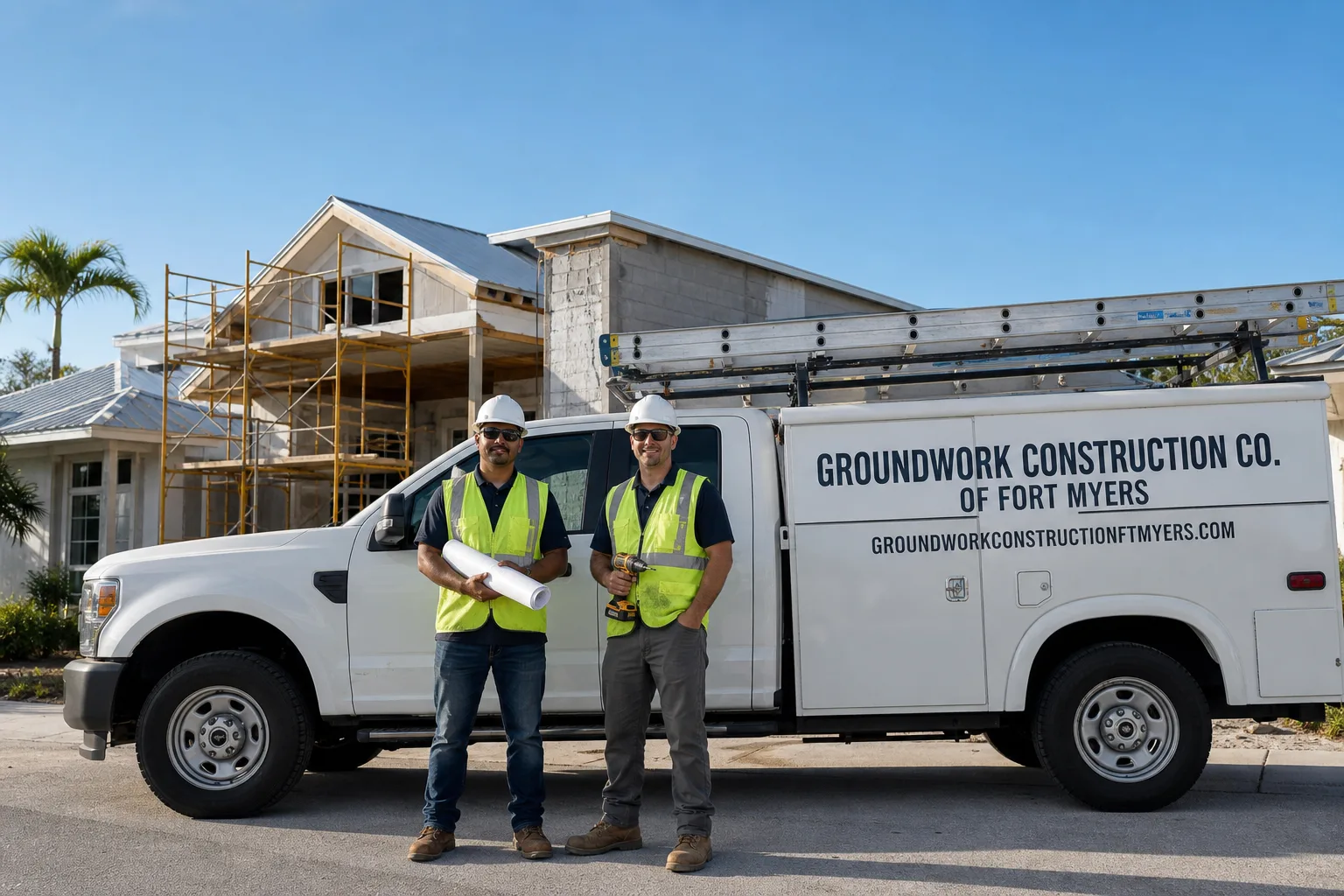
What a Wood Fence Job Actually Looks Like in Southeast Arcadia
A new wood fence in Southeast Arcadia typically runs $3,500-$9,000 for a standard residential lot, with most jobs wrapping in 3 to 5 working days. That number includes tearing out and hauling away an old fence, setting pressure-treated posts in concrete, hanging cedar or pine pickets, and installing your gate hardware. Call us at (844) 638-7249 and we’ll walk the yard with you, take measurements, and hand you a line-item written quote before we leave - no open-ended ballparks, no three-week wait for a number.
The two things that move that price more than anything in this area are linear footage and what’s happening underground. Southeast Arcadia’s clay-heavy soils hold water after our summer rains, which means posts set too shallow or without enough concrete start leaning inside of two wet seasons. We overdig every post hole to 36 inches and backfill with at least two 60-pound bags of concrete per post - more if the ground is saturated when we dig. Pre-2004 lots that were patched up after Hurricane Charley can also hide old fence post remnants, building rubble, or buried stumps that turn a straightforward dig into a half-day delay. If we hit it, we handle it, and the price rarely moves because we already accounted for the soil reality here.
The Real Day-by-Day Sequence for a Wood Fence
Every crew works a little differently. Here is exactly how we run a wood fence job from the moment you sign the estimate, so you know what to expect day by day.
Day 0 - Markouts and Permitting. Before a shovel hits dirt, we call 811 to have underground utilities marked, which Florida law requires on any excavation deeper than a few inches. In unincorporated DeSoto County, where most of Southeast Arcadia sits, a fence permit runs through the county building department and is typically issued within 5 to 7 business days if the survey and site plan are clean. If your lot falls within one of the few newer planned subdivisions in the area, we also submit the fence plan to the HOA architectural review board at the same time. That board can add a week or two depending on their meeting schedule, so we flag it in the estimate if an HOA is in play.
Day 1 - Demo and Layout. We show up between 7 and 8 AM with a crew of two to three uniformed technicians. The old fence comes down first - we cut it into manageable sections, pull the posts, and load everything onto our trailer. If the old fence line ran along a property boundary and the pins are buried or missing, we locate or reset the corners with a survey-grade GPS unit so the new fence sits exactly where it belongs. By noon the line is staked with string, post locations are spray-painted at the spacing your fence style requires (typically 6 or 8 feet on center), and we start digging.
Day 2 - Posts and Concrete Cure. Every post hole goes to 36 inches, which is roughly a foot below the frost line that matters in northern states but critical here for wind resistance. Southeast Arcadia’s summer storms can slap a wood fence with straight-line gusts north of 60 mph, and a post set shallow in wet clay will start to lean by the following spring. We backfill with a dry-mix concrete that pulls moisture from the soil and sets up within 4 to 6 hours, then we let the full set cure overnight before hanging any weight on the posts.
Day 3 - Rails, Pickets, and Trim. Horizontal rails go on first, then we hang pickets from one end to the other using a spacer block that keeps the reveal consistent. If you chose a shadowbox or board-on-board pattern, this is the day that takes the most time - those patterns require pickets on both sides of the rail and twice the fasteners. By end of day, the fence line is fully hung and we are installing post caps, trim boards, and any decorative top cuts you selected during the material walk-through.
Day 4 - Gates and Hardware. Gates are the part of a wood fence that fails first, so we frame them with a welded steel insert inside the wood gate frame - no sagging, no warping, no dragging on the ground after a season of rain. We hang the gate with heavy-gauge galvanized hinges, install the latch, and test the swing arc 20 or 30 times to make sure nothing binds. If you opted for a double gate for driveway access, we also install a cane bolt and drop rod so the inactive leaf stays put when it’s not in use. By the time we roll off, the fence is clean, the gate swings true, and the only thing left is a final walk-through with you to confirm every detail matches the estimate.
The Choices You’ll Make Before We Build
A wood fence is not one product. These are the decisions you will sit down and make with us before the first board is ordered - and the honest trade-off of each option.
- Western Red Cedar vs. Pressure-Treated Southern Yellow Pine. Cedar costs about 30-40% more upfront but resists rot and insect damage naturally because of the oils in the wood itself. It weathers to a silver-gray within 12 to 18 months and will last 18-25 years in our humidity if you stain or seal it every two years. Pressure-treated pine runs less per linear foot, takes paint and solid stain better than cedar, and makes sense if you plan to paint the fence a specific color from day one. In Southeast Arcadia, pine fences near irrigation canals or low-lying lots that hold standing water after a storm tend to show fungal spotting within three years - we recommend cedar for those yards unless budget is the absolute deciding factor.
- Picket Spacing and Pattern. A standard dog-ear picket with a ¼-inch spacing gives you a classic privacy fence that still allows some wind to pass through, which matters during a summer squall. If you want full visual privacy, a board-on-board pattern offsets the pickets so no gap exists between them, but it uses nearly twice the material and adds roughly 30% to the lumber cost for the same linear footage. Shadowbox fences - pickets alternating on both sides of the rail - cost even more but look finished from both your yard and your neighbor’s, which can make an HOA or shared-property conversation smoother.
- Gate Type and Width. A standard walk gate is 36 or 48 inches wide and uses one leaf. If you need to get a riding mower, trailer, or small vehicle through, a double gate at 96 inches or wider requires a heavier frame, steel reinforcement, and a drop rod - that gate alone can add $400-$800 to the job depending on width and hardware grade.
- Stain and Seal. We apply a penetrating oil-based stain after the wood has dried to the right moisture content, which typically means waiting 3 to 6 weeks after install. We can price the stain work as part of the original estimate and schedule it as a separate half-day visit once the wood is ready. Unstained cedar will gray fast; stained cedar holds its color and sheds water better. Pressure-treated pine needs to dry before it’ll take a stain properly, so we do not stain PT pine on installation day - we come back when the wood is ready.
What a Wood Fence Costs in Southeast Arcadia, FL
The working range for a standard residential wood fence here is $3,500 on the low end to roughly $9,000 for a large or premium-material job. A typical 150-linear-foot backyard fence using pressure-treated pine with one walk gate and basic dog-ear pickets lands around $4,200-$5,600. The same layout in Western red cedar runs closer to $7,000-$8,200 with the gate and hardware included. These are real numbers we have written on estimates for homeowners in Southeast Arcadia - not national averages pulled from a cost calculator.
What pushes a job toward the high end: linear footage is the biggest lever, and every extra 50 feet adds roughly $1,200-$1,800. A board-on-board or shadowbox pattern tacks on 25-35% to total lumber cost. A double gate or extra walk gates multiply the hardware and framing labor. Poor access - a yard with no side clearance for equipment, or a fence line overgrown with palms and scrub that needs clearing before we can dig - adds labor hours. And if the old fence was set in concrete footings the size of a small refrigerator, demo cost goes up.
Every estimate we write is line-item and fixed: you see the material breakdown, the per-foot labor, the permit fee spelled out, and the total you pay, with no change-order surprise waiting mid-job. What’s included: tear-out and haul-away of the old fence, all posts and concrete, the lumber and fasteners, gate hardware, and a final site clean. What is not included, unless we discuss it during the walk-through: stain and seal (priced separately, applied after wood cures), repairing sprinkler lines that run under the old fence line, and major regrading if the fence line has shifted significantly since the original survey. We flag all of those in the estimate before you sign anything.
What Southeast Arcadia Properties Specifically Do to a Wood Fence
Southeast Arcadia sits in an inland pocket of DeSoto County that absorbed an unfiltered Category 4 hit when Hurricane Charley tore through in August 2004. A significant share of the homes here were either rebuilt or heavily repaired in the two-year rush that followed, and that patchwork matters for fence work in a way most homeowners do not see coming. When we dig a post line on a lot where the house got a post-storm truss repair or a new wing added in 2005, we regularly hit buried construction debris - concrete chunks, old nail plates, snapped-off posts from a fence that was blown flat and never fully removed. That hidden junk turns a two-hour dig into a four-hour dig, and it is one of the reasons we never bid a Southeast Arcadia fence job sight-unseen over the phone.
The soil here is another factor. The Peace River basin’s heavy clay soils saturate during the June-through-September rainy season, and flat lots with nowhere for water to shed hold that moisture against the base of fence posts for months at a time. We overdig every hole to 36 inches and use a concrete collar that extends above grade by 2 to 3 inches, sloped away from the post so water runs off instead of pooling at the wood-to-concrete joint. It is a small detail, but it is the difference between a post that rots at ground level in five years and one that is still solid 15 years later. Local contractors who do not account for the clay saturation rate here are the ones whose fences start leaning by hurricane season three. We have been working in and around Southeast Arcadia long enough to know the soil will test a wood fence harder than the wind will, at least until the next Charley-grade storm.
Permitting for a fence in unincorporated DeSoto County is straightforward but not instant - the county wants a site plan showing the fence line relative to the property boundaries, and the building department will check setbacks during the plan review. If your lot falls within one of the newer subdivisions east of US-17, the HOA architectural committee often requires a specific picket style, height, and stain color, and they can hold up a permit for two weeks while they review. We pull permits ourselves and handle the HOA submission on your behalf so you do not spend a Tuesday morning standing at a county counter. For homeowners considering a full Fence Installation in Southeast Arcadia alongside other outdoor work, we often coordinate the fence with paver or concrete projects to avoid tearing up new hardscape later - several neighbors have paired fencing with Paver Driveways in Southeast Arcadia or with Concrete Driveways & Concrete Work in Southeast Arcadia to get the whole yard done in one sequence.
Serving Southeast Arcadia, FL - Our Local Coverage Area
We’re based in the Southeast Arcadia area and know this community well. Use the map below to see our service coverage - if you’re nearby, we can almost certainly help.
Frequently Asked - Wood Fence in Southeast Arcadia
Most residential wood fences in Southeast Arcadia take 3 to 5 working days once the permit is issued and utilities are marked. The permit itself runs 5 to 7 business days in unincorporated DeSoto County, and an HOA review can add another week or two if your subdivision requires it. The on-site labor - demo, dig, set posts, cure, hang pickets, install gates - occupies four days of that span, with the concrete cure overnight between Day 2 and Day 3 being the only gap where nobody is actively working on your property. Staining or sealing is a separate half-day visit scheduled 3 to 6 weeks after install, once the wood has dried sufficiently. Call (844) 638-7249 with your approximate linear footage and we can give you a tighter timeline on the estimate.
Yes. Unincorporated Southeast Arcadia falls under DeSoto County building jurisdiction, and a fence permit is required for any new fence or full fence replacement. We pull the permit as part of the job - you do not need to go to the county yourself. The application requires a site plan showing the fence line, setbacks, and property boundaries, and we prepare that from the survey and our field measurements. If a survey is outdated or missing, we can arrange one through a local surveying firm we work with regularly.
Not unless you change the scope. Our estimates are fixed-price and line-item, and we do not write change orders unless you ask us to add something that was not in the original walk-through - a second gate, a different picket pattern, an extra section of fence we did not measure. If we hit buried concrete or old fence remnants while digging, we absorb that labor. The number you sign is the number you pay. If you want to understand exactly where your job falls in the Fence Installation price range before we come out, call and we will walk through it over the phone - no obligation.
A Western red cedar fence that gets stained or sealed every two years will last 18 to 25 years in Southeast Arcadia’s humidity and rainfall. Pressure-treated pine, properly maintained, will give you 12 to 18 years. The failure point on any wood fence here is the post at ground level - our clay soils hold water against the wood for months at a time, and once rot starts at the concrete line, the post weakens and the fence leans. We address that with a 36-inch post depth, a concrete collar sloped away from the post, and, on cedar jobs, we recommend a post wrap or post saver sleeve on the below-grade portion. The 730-Day Done Right Promise covers any workmanship issue that surfaces in the first two years, and we stand behind the manufacturer’s warranty on the lumber itself.
Yes. We work with HOA architectural review committees across DeSoto County regularly, and we know the common requirements: specific picket profiles, height limits (most cap at 6 feet for rear yards), stain colors from an approved palette, and finished-side-out orientation where the fence faces a neighbor or street. Bring us your HOA’s fence guidelines during the walk-through and we will spec the materials to match - we submit the plan to the ARC on your behalf and we do not start construction until the approval is in hand.
Get a Straight Price on Your Wood Fence in Southeast Arcadia
If you are ready to stop guessing what a wood fence costs and hear a real number based on your actual yard, call (844) 638-7249 to schedule a free on-site estimate. We come out to your property in Southeast Arcadia, measure everything, talk through cedar versus pine and the picket pattern you want, and hand you a written, line-item price before we leave - typically within an hour. No high-pressure follow-ups, no number that shifts later. Just a fence plan and a price you can make a decision on.
Written by Derek Hollenbeck, Owner at Groundwork Construction Co., serving Southeast Arcadia and the surrounding communities with straight pricing and work that is backed in writing.