
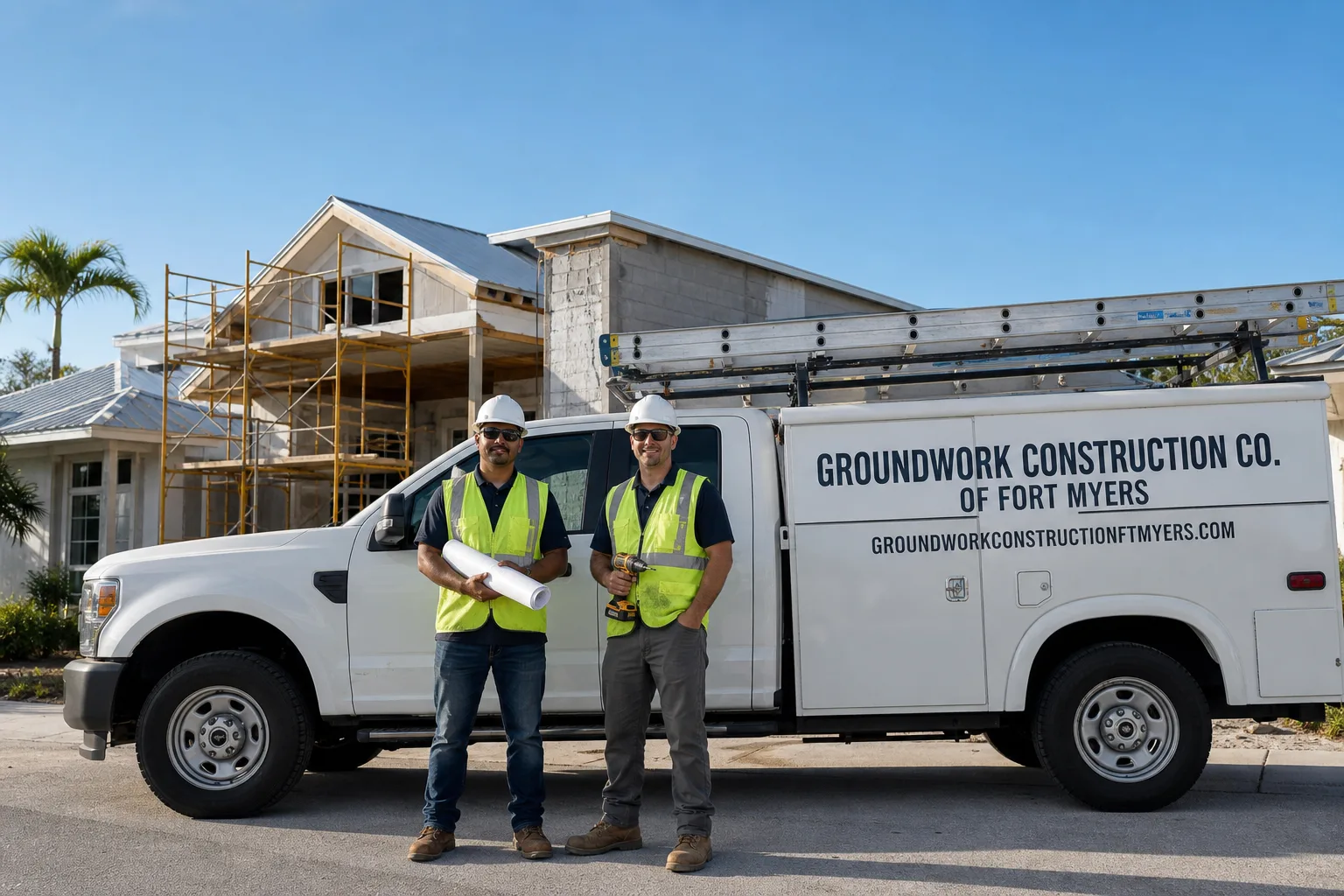
What Glass Railing Systems in Plantation Actually Cost and How Long They Take
A glass railing system installed in Plantation typically runs $180-$340 per linear foot, finished, with most full-deck or balcony jobs landing between $5,500 and $14,000 out the door. The work itself takes 3 to 7 working days depending on the number of posts, whether the footings need structural reinforcement, and which permit stage we’re in with Broward County. Call us at (844) 638-7249 and we’ll walk you through a real line-item number after seeing the space in person.
That’s the direct answer. What follows is exactly how we get there, the choices you’ll make, and why Plantation’s particular housing stock changes the planning conversation before the first post hole gets dug.
How We Install a Glass Railing System, Day by Day
We start with a site visit that is also the measure. One of our uniformed crew comes to your home in Plantation, laser-measures every run of railing, checks the substrate where posts will anchor (concrete slab, wood deck framing, or CBS block wall), and notes any elevation changes or code-required setbacks from the pool edge. You’ll pick your glass type and hardware finish during that meeting, and we hand you a written, fixed-price estimate the same day. No ranges, no “we’ll see once we get into it.” That step takes about an hour.
Permitting in Plantation goes through Broward County’s Building Code Services Division, and glass railings on a deck or balcony always need one because they’re a life-safety guardrail system. Our permit coordinator submits the drawings showing the railing height (42 inches minimum per Florida Building Code for residential), post spacing, and glass-tempering certification. Broward’s typical turnaround for a residential guardrail permit is 5 to 10 business days, though during hurricane season when inspectors are slammed with wind-mitigation re-inspections, we budget two full weeks and tell you that up front.
Day one of physical work is demolition and prep. If you’re replacing an old aluminum rail, we cut it out in sections, grind the anchor stubs flush, and assess what’s underneath. In Plantation’s CBS-built subdivisions around Lauderdale West and Jacaranda Lakes, we’re usually anchoring into an existing concrete pool deck or patio slab drilled and set with wedge anchors. In the older wood-framed balcony homes near Plantation Golf Estates, we may need to strip deck boards to sister blocking between joists, then install stainless-steel lag-base plates that put the post load into the framing, not just the decking. That structural prep runs a full day for a standard 40-to-50-foot railing run.
Day two is post-setting. We stand every aluminum or stainless steel post plumb on its anchor plate, torque the bolts to spec, and do a continuous level check across the full run. If the deck or slab has settled over 40 years (not uncommon in Plantation’s flat-on-limestone subdivisions), we shim and dress the base plates so every post is dead vertical before any glass goes in. Once the posts are set, we run a string-line check with you present so you can see the sightline before we lock the glass in place. That’s half a day.
Glass installation takes one to two days. Each tempered-glass panel lands on pre-set standoff clamps or gets channel-set into a base shoe, depending on the system you picked. We use suction-cup lifters for any panel over 50 pounds, and every edge is factory-polished and marked with the ASNI Z97.1 tempering stamp that the inspector will look for. After the last panel is set, we do a full grab-and-shake test on every post and panel, tighten anything that moved, and walk the railing with you to confirm it’s dead silent. The Broward inspector then comes out for the final, which typically takes 15 minutes if the footings are exposed for viewing.
The Options You’ll Choose Between
Glass railing systems aren’t one-size-fits-all, and the choices you make here drive the cost more than any other factor. Here’s what you’ll decide:
- Frameless vs. semi-frameless. A true frameless system uses heavy 1/2-inch or 5/8-inch tempered glass with no top rail, just stainless standoff clamps gripping the bottom edge. It’s the cleanest sightline you can get, and it’s the most expensive per foot. Semi-frameless adds a thin aluminum top cap that stiffens the assembly and lets us use lighter 3/8-inch glass, which brings the per-foot cost down 15 to 20 percent. Most Plantation pool decks go semi-frameless because it holds up better against wind-driven rain and the occasional hurricane-watch tarp job that gets strapped across the pool cage.
- Aluminum vs. stainless steel posts. Powder-coated aluminum posts in bronze, white, or black are the workhorse choice. They’re cost-effective, they’ll never rust in South Florida humidity, and they match the existing screen-enclosure framing that covers most Plantation pools. 316 marine-grade stainless posts are the premium pick (they’ll outlast the house), but the material cost per post roughly doubles. We typically recommend stainless only on direct-beachfront or intracoastal properties where salt spray is a real factor, which is less common in inland Plantation than on the barrier islands.
- Glass tint and texture. Standard clear tempered glass gives you the transparency most people want, but low-iron glass (sometimes called starphire) removes the faint green cast that thick tempered glass carries. It costs about 30% more per panel. For privacy, frosted or acid-etched panels break up the sightline while still passing light. In Plantation homes where the pool deck looks directly into a neighbor’s kitchen window, frosted glass on that one run solves the problem without a whole yard of it.
What Glass Railing Systems Cost in Plantation, FL
A typical glass railing system in Plantation lands between $5,500 and $14,000, with the median full-pool-deck job settling around $9,200. Per-linear-foot pricing runs $180 on the low end (semi-frameless aluminum posts, standard glass, straightforward slab anchoring) to $340 and above on the high end (full frameless, stainless hardware, low-iron glass, complex substrate work).
What moves the number most is the linear footage, obviously, followed by what we find underfoot. If your 1970s pool deck slab in a Plantation Acres-era home has spalled or delaminated where the posts need to anchor, we’ll core-drill deeper and epoxy-set the studs, which adds $30 to $50 per post. If the existing railing was set into the bond beam of the pool shell itself rather than the deck, we need to engineer the new anchor pattern so we’re not cracking the beam, which can trigger a structural review as part of the Broward permit. That adds engineering time and maybe a day of labor. Stair runs with multiple angles also push the per-foot rate up because every glass panel on a stair is a custom trapezoid cut, not a simple rectangle.
Every written estimate we give you in Plantation includes: all demolition and debris removal, the glass and hardware, structural anchoring, permit fees, and the final inspection coordination. What it typically does NOT include, unless we call it out during the walk-through: replacing rotted deck framing we discover under the old posts, or upgrading a pool electrical bond if the existing bond wire got severed during demo. If we see those as likely, we’ll price them as line items so you’re not blindsided.
What Plantation Homes Specifically Do to This Job
Plantation’s housing stock changes the glass railing conversation because so many of the pools and decks we work on were poured between 1965 and 1985 and have never had their railing anchors touched since the day the original screen enclosure went up. In neighborhoods like Lauderdale West, Plantation Gardens, and the canal-front streets east of University Drive, the existing rail is almost always a 40-year-old aluminum picket system anchored with expanding bolts that have rusted to nothing inside the concrete. When we pull those bolts, the hole is often egg-shaped from decades of the railing rocking in South Florida’s afternoon thunderstorms, and chasing it with a larger bit in the same spot can blow out a chunk of deck. We see this weekly in Plantation: we’ll come in, strip the old rail, and discover we need to offset the post layout by six inches to hit solid concrete. That’s the kind of on-the-fly engineering adjustment that comes from knowing the vintage of what’s underfoot here.
Broward County permitting is the other local variable that shapes the job. Unlike Miami-Dade’s HVHZ rules that demand product approvals for every last anchor screw, Broward’s threshold for a residential guardrail permit is more pragmatic but still strict on two points: the glass must carry the permanent ANSI tempering mark, and the railing must withstand a 200-pound concentrated load at the mid-span of the top rail (or, for frameless, at the top edge of the glass). Our drawings go in showing the post spacing and the glass thickness spec, and the inspector checks those two things on final. If you’re in a Plantation HOA community like Jacaranda Pointe or Fountain Spring, we also submit the finish and style spec to the architectural review board before we pull the county permit. We handle that submittal, but it can add 7 to 10 days to the timeline depending on when the board meets.
If you’re already replanning the outdoor space, homeowners often pair a new glass railing with Paver Driveways in Plantation or a refreshed pool deck surface so the whole exterior comes together at once.
Serving Plantation, FL - Our Local Coverage Area
We’re based in the Plantation area and know this community well. Use the map below to see our service coverage - if you’re nearby, we can almost certainly help.
Frequently Asked Questions About Glass Railing Systems in Plantation
Yes. Any exterior guardrail replacement or new installation requires a Broward County building permit because it is a life-safety structure governed by the Florida Building Code’s section on guards and handrails. We pull the permit as part of our job and handle the inspection scheduling so you never have to stand in line at the county offices.
Physical work on site takes 3 to 7 days. The full calendar from signed contract to final inspection is typically 3 to 5 weeks, with the extra time being permit processing at Broward County (5 to 10 business days in normal conditions) and, if you’re in an HOA, architectural review board approval on the front end. We’ll give you a calendar with hard dates at the estimate.
It shouldn’t, because we write fixed-price quotes, not time-and-materials estimates. The only scenario where the number moves is if we open up the deck and find structural rot or concrete that needs more extensive repair than any of us could see from the surface. If that happens, we stop, show you what we found, and give you a change-order price before we touch it. You decide, not us.
The glass itself is fully tempered to ANSI Z97.1 standards, which means it’s four to five times stronger than annealed glass, and if it breaks, it crumbles into small pebble-sized pieces rather than dangerous shards. The system’s wind performance depends more on the posts and anchors than the glass, and our post spacing and anchor spec are engineered for Broward County’s wind-load requirements, which cover everything short of a direct eyewall hit. In practical terms, a properly installed glass railing will see no damage from a typical Plantation afternoon storm band.
We can give you a rough per-foot ballpark over the phone, but an exact price requires seeing the deck or balcony. Glass railing costs swing too much on the substrate condition, access, and HOA requirements to give you a firm number sight unseen. The on-site estimate is free and takes about an hour. Call (844) 638-7249 to schedule it.
Get a Fixed-Price Estimate on Glass Railing Systems in Plantation
Every glass railing job we quote in Plantation comes with a written number you can take to the bank, a permit handled start to finish, and the 730-Day Done Right Promise standing behind every post and panel. We answer the phone when you call, day or night, and the crew that shows up is background-checked and in uniform. If you’re thinking about a glass railing for the pool deck, balcony, or patio, call (844) 638-7249 to book a free on-site estimate. We’ll measure, talk through the options, and hand you a real number before we leave.
Written by Derek Hollenbeck, Owner at Groundwork Construction Co., serving homeowners across Florida with full-scope construction and renovation since 2014.