
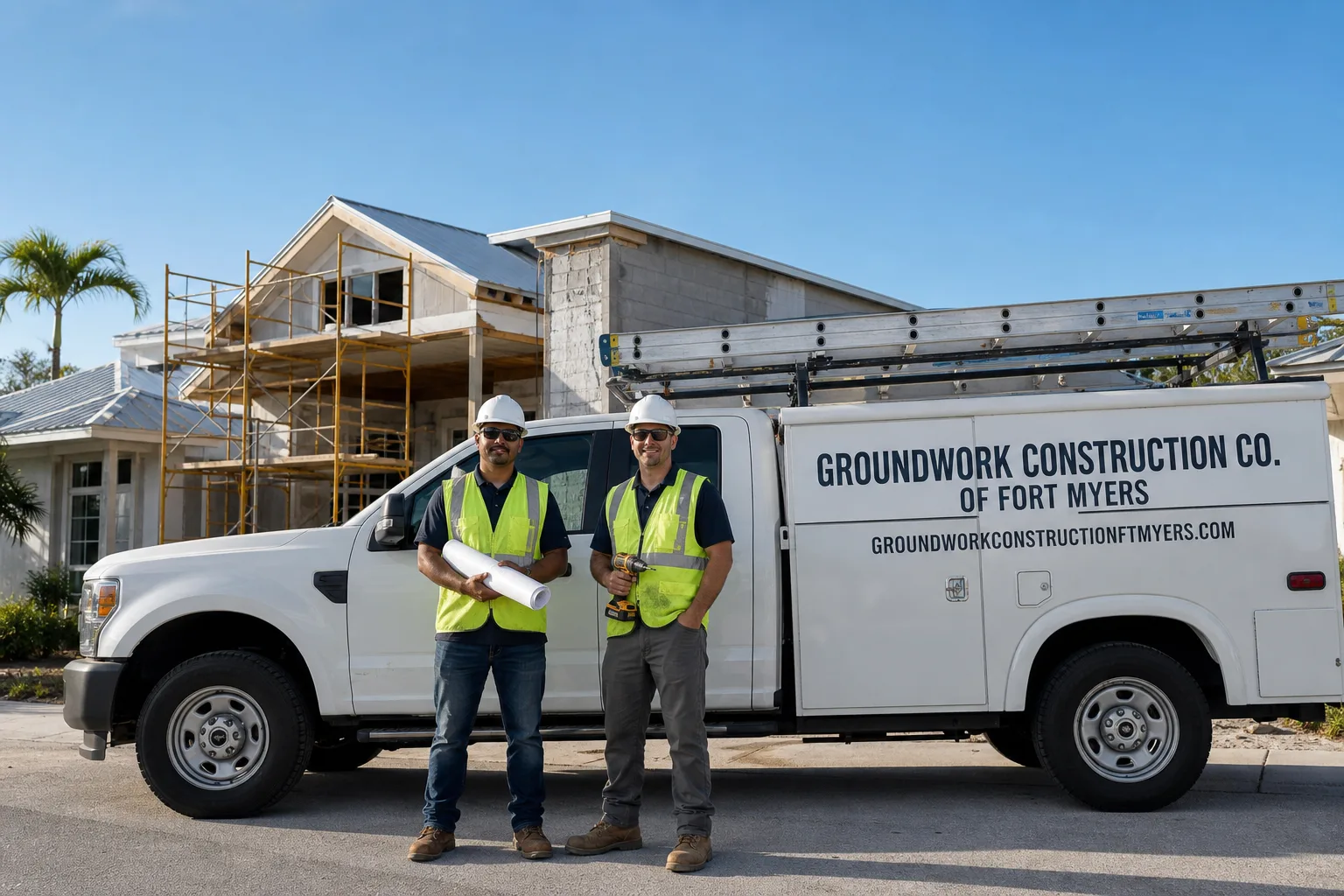
What a Vinyl Fence in Plantation, FL Actually Costs and How Long It Takes
A new vinyl fence in Plantation typically runs between $3,500 and $9,000 for a standard residential yard, with most jobs wrapping in 2 to 4 days depending on lot size and soil conditions. That’s the real number we’ve seen across neighborhoods like Plantation Acres, Jacaranda, and the older CBS-home subdivisions on the east side. Call (844) 638-7249 for a line-item quote built for your property. You’ll know every dollar before a post goes in the ground.
The Real Sequence of a Vinyl Fence Job in Plantation
We don’t show up with a trailer and start digging. A vinyl fence in Plantation follows a specific order, and skipping steps is what turns a warranty into a headache six months later. Here’s what the schedule actually looks like.
Stage 1: The on-site measure and stakes (day 1, morning)
A uniformed crew member walks the entire fence line with you. We locate property pins, mark underground utilities through Sunshine 811, and flag any irrigation lines or sprinkler heads that run near the fence path. If your Plantation home sits in a neighborhood with a homeowners association (many do), this is when we confirm the HOA’s specific setback and style requirements. You decide the fence height and gate placement here. Takes about 90 minutes.
Stage 2: Pulling the Broward County permit
Plantation falls under Broward County building jurisdiction, not Miami-Dade’s HVHZ rules. That matters. We handle the permit application, including the wind-load documentation the county wants to see. A vinyl fence is a solid wind barrier, not an open fence, so the engineering submittal needs to show the post-footing design can handle Broward’s wind pressures. County review typically adds 3 to 7 business days before we can start digging.
Stage 3: Demo and post holes (day 1 of construction)
If there’s an existing fence, it comes out. Wood posts rot-lined at the base. Old chain link with the bottom rail half-buried in St. Augustine grass. We haul the debris. Then the post hole rig goes to work. Plantation sits on a limestone shelf with a seasonally high water table, so the depth and diameter of those footings matter. We’re looking at 30 to 36 inches minimum to get below the organic soil layer and anchor into stable ground. Concrete footing goes in, posts are set, and everything squares up before the rails go on.
Stage 4: Panel and gate installation (day 2-3)
Vinyl rails lock into the routed post channels. Panels slide in sequentially. This part moves fast on a straight run, slows down where there are grade changes. Plantation lots are mostly flat, which helps. Gates get the most attention: steel-reinforced gate posts, adjustable hinges, and a latch that won’t sag out of alignment in 18 months. If we’re integrating with an existing Asphalt Driveways & Resurfacing in Plantation at the side-entry gate, we coordinate the gate swing clearance with the driveway edge.
Stage 5: Final walkthrough and the 730-Day Done Right Promise
We walk the line with you. Every post cap is checked. Every gate swings. Any pickets that scuffed during install get swapped. We explain what to expect as the soil settles around the footings over the first wet season. Then we hand you the paperwork that backs it: the manufacturer’s warranty on the vinyl, and our 730-Day Done Right Promise covering the workmanship. If something shifts or loosens inside those two years, we’re back to fix it.
The Vinyl Fence Options You’ll Choose Between
Vinyl fencing isn’t one product. The choices you make here change the look, the lifespan, and the bottom-line number. We keep it straightforward.
- Privacy vs. semi-privacy. Full-privacy panels have no gaps between pickets and are the most common choice in Plantation neighborhoods where lots are tighter and sightlines run straight into a neighbor’s patio. Semi-privacy leaves a small gap for airflow. Privacy costs more in material but is what most homeowners want.
- Height: 4-foot, 5-foot, or 6-foot. Six feet is standard for backyards and side yards. Front-yard fencing often tops out at 4 feet per local code, and some Plantation HOAs cap it even lower. Taller means more material, deeper post holes, and a higher cost. A 6-foot vinyl fence runs roughly 20 to 30 percent more than a 4-foot version of the same linear footage.
- Post configuration: routed vs. bracketed. Routed posts have channels milled into the vinyl so the rails slide inside. Clean look, strong connection. Bracketed systems use exposed fasteners. Routed costs a bit more and takes longer to install but holds up better in the wind loading we see June through November across Plantation.
- Gate count and gate width. Every gate adds hardware, labor, and a reinforced post assembly. A single walk gate is one number. A double-drive gate for boat or trailer access to a side yard (common in Plantation Acres) is a bigger number. We spec a steel-reinforced bottom rail on any gate wider than 5 feet to stop it from bowing in the heat.
- Color beyond white. White is the least expensive and most available. Tan, clay, and gray vinyl are manufactured in smaller batches and carry a premium, typically adding 10 to 15 percent to the material cost. ActiveYards and similar engineered vinyl systems carry a deeper color-through formulation that resists fading better than commodity alternatives.
What a Vinyl Fence Costs in Plantation, FL
Most vinyl fence jobs we quote in Plantation land between $3,500 and $9,000. A small side yard with one gate and standard white 6-foot privacy panels on a flat lot sits at the lower end. A full perimeter on a quarter-acre property with multiple gates, a tan color upgrade, and tricky access sits at the higher end.
What actually moves the price:
- Linear footage. The single biggest variable. More fence line means more material, more post holes, more concrete, more labor. We price per linear foot so you see the math.
- Gate count and width. Each gate is a separate assembly with reinforced posts, hardware, and precise alignment work. A double-drive gate costs more than a walk gate.
- Soil and access conditions. Plantation’s limestone can make post-hole drilling slower than sandy soil. If a section of the fence line runs behind a mature ficus hedge with limited clearance, the crew works by hand, which takes longer. We don’t charge extra for that unless the access situation is extreme, but it’s part of why two yards that look identical on a satellite map can quote differently.
- Existing fence removal and disposal. Hauling out an old wood fence with concrete-anchored posts adds line items. We itemize demo and disposal separately so you see it.
- Permit fees. Broward County charges a permit fee based on project valuation. We calculate it, collect it, and handle the submittal. The permit cost itself is a county fee, not our markup.
Every estimate we write is a fixed-price, line-item breakdown. You see the material, the labor, the permit, the disposal. No “allowance” line that balloons later. That’s the upfront pricing commitment we make on every job. Homeowners who are pairing a fence with a new Driveway Repair & Replacement in Plantation often find it more efficient to schedule the work together so the gate and driveway edge align perfectly.
What Plantation Homes Specifically Demand From a Vinyl Fence
Plantation’s housing stock is overwhelmingly CBS construction built in planned subdivisions between the late ’50s and the mid-’80s, neighborhoods that cycled through their original chain-link and wood fences years ago and are now into their second or third fence generation. The soil is shallow limestone with a high seasonal water table. That means post footings that aren’t deep enough will walk upward over wet-dry cycles. We see it in failing fences across the older sections east of University Drive, where a fence that looked perfect two years ago now has posts nudging an inch out of grade.
The permit reality matters too. Broward County reviewers want to see wind-load calcs for a solid vinyl fence, which acts as a barrier in hurricane conditions. Contractors who run permits mostly in Miami-Dade tend to over-engineer the submittal and lose time in review. Those coming from farther north sometimes under-document the footing design and get kicked back. We know the middle ground Broward expects, and we schedule around the inspection backlogs that pile up during the June-to-November window. In neighborhoods governed by HOAs like Jacaranda or those around the Plantation Golf Course, we also pull the association’s fence spec before we quote so there are no surprises at the architectural review stage. A vinyl fence in Plantation is a straightforward job when you know the local rhythms. It’s an expensive redo when you don’t.
When the project scope is part of a full property upgrade, we’re set up to handle the wider Fence Installation in Plantation alongside any other exterior work, so you’re dealing with one crew and one schedule.
Serving Plantation, FL - Our Local Coverage Area
We’re based in the Plantation area and know this community well. Use the map below to see our service coverage - if you’re nearby, we can almost certainly help.
Frequently Asked Questions About Vinyl Fence in Plantation
Most residential vinyl fence jobs take 2 to 4 days from the first post hole to the final gate adjustment. The permit review with Broward County adds 3 to 7 business days before we can start digging, and we factor that into your timeline when we schedule. Weather delays in hurricane season can push things further, but we build that buffer into the schedule up front. Call (844) 638-7249 for a timeline based on your specific yard.
Yes. Plantation falls under Broward County’s building jurisdiction, and any fence over a certain height (most residential fences qualify) requires a permit with wind-load documentation. We pull the permit as part of the job. It’s included in your estimate, and we handle the entire submittal and inspection process so you never have to set foot at the county office.
When the posts are set at the right depth (we go 30 to 36 inches) and the concrete footings are sized for Broward’s wind loads, a properly installed vinyl fence handles Plantation’s climate well. Vinyl doesn’t rot, doesn’t get termites, and doesn’t warp from humidity the way wood does. The failure we see on other contractors’ work is always the same: shallow posts in limestone that work loose after a few wet-dry cycles, and gates hung on unreinforced posts that sag out of square. We reinforce every gate post with steel and size the footing for the soil conditions we actually have here, not what works in sandy soil 40 miles away.
The vinyl material carries the manufacturer’s warranty against fading, cracking, and manufacturing defects. The workmanship is covered by our 730-Day Done Right Promise: if anything shifts, sags, or fails because of how it was installed, we come back and make it right at no charge for two full years. It’s one of the longest workmanship guarantees you’ll find on a residential fence job.
Yes. We provide a fixed-price, line-item written estimate after the on-site measure. That number doesn’t change unless you add scope (an extra gate, additional footage, a color upgrade). No allowances that float. No change orders that show up mid-job. That’s the upfront pricing standard we’ve built the business on, and it applies to every vinyl fence we install in Plantation.
Get a Free, Line-Item Quote on a Vinyl Fence in Plantation
Call (844) 638-7249 to schedule an on-site measure and walkthrough. One of our fence installation crew members will come out, flag the property lines, talk through your gate and height choices, and hand you a written price you can make a real decision on. No pressure, no placeholder numbers. Just a fixed quote from a team that’s been doing this long enough to get it right the first time.
Written by Derek Hollenbeck, Owner at Groundwork Construction Co., serving Plantation since 2014.