
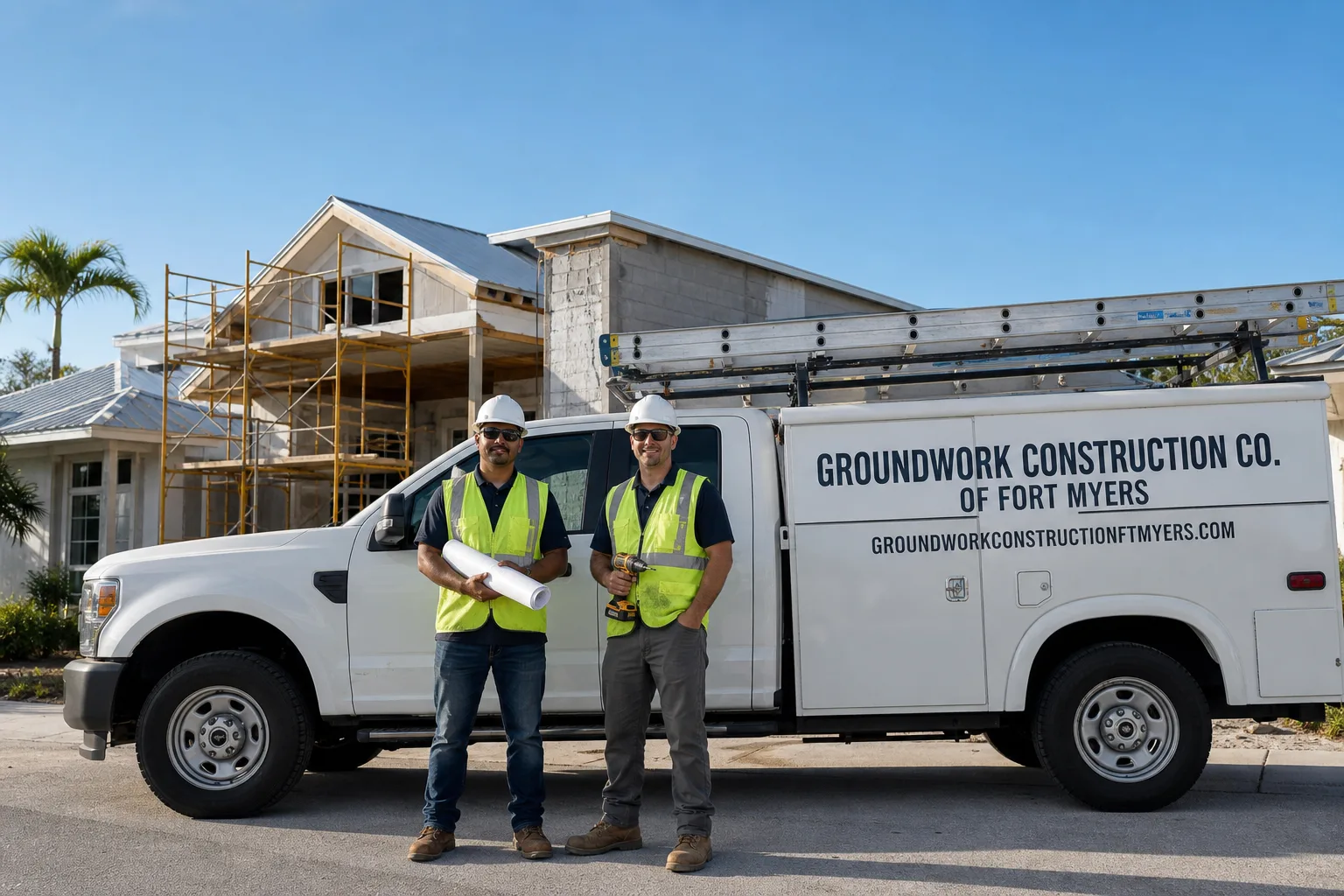
Specialty roofing in Marco Island actually covers a few very different jobs, so here’s the straight answer
When a Marco Island homeowner searches for specialty roofing, they’re usually dealing with one of three situations: a custom architectural metal detail on a new elevated build, a historic-profile tile roof that needs a period-correct repair, or a low-slope flat-roof section over a lanai or garage that’s leaking because standard shingle installers don’t know how to flash it. The job typically runs $4,200-$18,500 depending on material, access difficulty, and structural prep work, and most take three to seven working days once materials are on site. Call (844) 638-7249 and we’ll get you a line-by-line written estimate, not a ballpark number you can’t trust.
We’re not talking about a standard asphalt-shingle overlay here. Specialty roofing on Marco Island means custom metal flashing profiles, soldered copper or standing-seam details around dormers and parapets, flat-seam or batten-seam panel systems, clay and concrete tile re-bedding with code-compliant underlayment, and the architectural sheet-metal work that turns a roof into a design feature instead of just a lid. These are the jobs where the shingle crew from the mainland tells you “we don’t do that.” We do it, and we’ve done it on Mackle-era bungalows getting a second life and on brand-new custom builds going up from the pilings.
How specialty roofing actually gets done on Marco Island
Every job starts differently because the existing condition is never the same twice. Here’s the real sequence when we take on a specialty roof on the island, from the first call to the final walkaround.
Stage 1 - On-site assessment and material matching (Day 1-3). We come out, get on the roof or the scaffold, and document exactly what’s there. For tile roofs on older Mackle-era homes, that means identifying the profile and color of the existing barrel or flat tile so we can source period-matched replacements or confirm a full re-roof makes more sense than patching. For architectural metal, we’re measuring slope, checking the substrate condition, and confirming the design spec that your architect or ours drew up. You’ll make the first real decision here: repair what’s there or replace it, and if replace, what material direction you want.
Stage 2 - Engineering sign-off and permit package (3-10 days depending on scope). Specialty roofing on Marco Island almost always triggers a permit review because the island’s wind-load requirements under Collier County code are strict, especially for homes in the VE flood zone where roof-to-wall connections are part of the structural elevation package. We pull the permit, submit the product approvals for the specific metal gauge or tile system, and get the green light. You’re not making material decisions here, but you will need to sign off on the permit application.
Stage 3 - Demo, substrate prep, and dry-in (Day 1-2 on site). Old material comes off, and we inspect what’s underneath. On Marco Island homes built before 1990, we routinely find corroded fasteners and degraded felt underlayment because decades of salt-laden air have done exactly what salt air does. We replace any rotted sheathing, install a high-temperature peel-and-stick underlayment rated for our tropical UV exposure, and get the roof dried in before any finish material goes down. If this is part of a full Roofing in Marco Island project, the dry-in coordinates with the siding and window crews so the whole envelope goes watertight together.
Stage 4 - Installation of the specialty surface (Day 3-6). This is the craft part. Metal panels get field-formed or pre-cut and locked into place with stainless fasteners and concealed clips - no exposed screw heads that’ll bleed rust streaks onto a white barrel tile in three years. Tile gets re-bedded with a polymer-modified mortar, and ridge caps get mechanically fastened with a code-rated adhesive under the mortar for hurricane resistance. Our Roofing crew includes dedicated sheet-metal specialists who do architectural flashing daily, not a shingle crew trying to figure out a copper valley on the fly.
Stage 5 - Trim-out, inspection, and homeowner walkthrough (Day 6-7). Fascia trim goes on, downspouts get connected, and the Collier County inspector comes out to sign off on the nailing pattern and underlayment coverage. We walk the roof with you from the ground or a drone feed so you see every detail, and we hand over the manufacturer warranty registration and our 730-Day Done Right Promise in writing. You don’t sign final acceptance until you’re satisfied.
The material and spec choices you’ll actually weigh
Specialty roofing isn’t a one-material-fits-all conversation. Here’s what Marco Island homeowners choose between, with the real trade-offs.
- Standing-seam metal (steel or aluminum). The go-to for modern coastal builds. Aluminum costs more up front but won’t corrode in salt air. Steel is stronger and cheaper per square foot but needs a factory-applied Kynar coating in a marine-grade spec. Both meet Miami-Dade wind uplift requirements when properly clipped. Expect $11-$19 per square foot installed.
- Architectural copper (batten-seam or flat-seam). What you spec when the roofline is meant to be seen from the pool deck and the HOA’s architectural review board has opinions. Copper develops a patina that actually protects the metal, so it’ll last 60-plus years in a salt environment - but it’s the priciest option and requires a fabricator who knows how to solder standing seams without warping the panel. $22-$38 per square foot installed, depending on detail complexity.
- Clay and concrete barrel tile. The visual signature of Mediterranean and Spanish Colonial homes all over the island. Concrete tile is heavier and less expensive per piece. Clay holds its color longer and weighs less. Both require a mortar-set or mechanical-fastener ridge system to survive a Category 3 storm. Re-bedding an existing tile roof runs $6-$14 per square foot; a complete tile tear-off and re-roof with new underlayment and tile is $14-$22.
- Flat/low-slope membrane systems (TPO, PVC, modified bitumen). Used on lanai roofs, garage tie-ins, and modern flat-roof sections where you’re not walking on it. PVC handles ponding water better than TPO long-term, but TPO reflects more heat. Modified bitumen is the budget choice but needs a UV-stable granulated cap sheet in Marco Island’s sun. $5-$11 per square foot depending on insulation requirement.
You don’t pick all of this in a vacuum. We’ll walk you through samples, show you completed jobs on the island, and match the spec to your architect’s drawings and the HOA’s approved material palette. Homeowners adding a custom roof detail often coordinate with Sliding & Patio Doors in Marco Island at the same time so the exterior material language carries through.
What specialty roofing actually costs on Marco Island
Most specialty roofing jobs here land between $4,200 and $18,500. A small copper detail over a front entry might run $4,200-$6,000. A full standing-seam metal roof on a 2,500-square-foot elevated home is $16,000-$18,500. The number moves based on a handful of real variables, not a contractor’s mood.
The five factors that push your number up or down:
- Roof geometry and access. A simple gable with no dormers costs less than a roof with six valleys, three turrets, and a parapet wall that needs custom coping. Steep pitches over 8/12 add labor and safety equipment costs.
- Existing substrate condition. If the sheathing is spongy or the truss tails are rusting out from 40 years of salt exposure, the number goes up before the first tile goes on. We’ll know after demo, and we tell you before we proceed - no change order surprises.
- Material grade and gauge. 24-gauge steel costs less than 22-gauge. Factory Kynar finish adds cost but buys you 30-plus years of color retention. Copper thickness (16-oz vs 20-oz) changes the per-square-foot price meaningfully.
- Permit and engineering scope. If your specialty roof is part of a new-build or substantial-improvement permit in a VE flood zone, the engineering includes uplift calculations and product-approval documentation, which adds $800-$2,200 to the permit package depending on complexity.
- HOA and architectural-review compliance. Some Marco Island communities require third-party color samples, material submittals, and mock-up panels before approval - not expensive in dollars, but it adds a week or two to the front end that you’ll want in your timeline.
Every estimate from us is a fixed-price, line-item document. You see material, labor, permit fee, engineering, and disposal broken out separately. No “miscellaneous” line hiding five grand. The warranty runs on two tracks: the manufacturer’s material warranty (20- to 50-year depending on product) plus our 730-Day Done Right Promise on workmanship. Call (844) 638-7249 and we’ll price your specific roof, not a model home in another zip code.
How Marco Island specifically changes the specialty roofing equation
There’s a pattern we see repeatedly when we open up a roof on this island, and it’s tied to three things: salt, sand, and the Mackle-era building stock that still makes up roughly half the housing inventory. Homes built in the 1965-1985 wave by the Deltona Corporation were put up fast with galvanized fasteners and felt underlayment that made economic sense for a vacation cottage but were never designed to survive 50 years of direct salt spray from the Gulf. What we find during demo is predictable: rusted-out nail heads that have lost their grip on the sheathing, flashing that’s thinned to foil thickness at the roof-to-wall intersections, and tile that’s still visually fine but riding on degraded mortar that won’t survive the next hurricane’s uplift forces.
That’s why we spec stainless steel fasteners on every specialty roof we install on Marco Island, period - even when the manufacturer’s minimum is electro-galvanized. The cost difference is maybe $400 on a whole roof, and the alternative is fastener failure inside of 15 years. We also use a fully-adhered high-temperature underlayment with a polyester reinforcement layer that doesn’t delaminate when the attic hits 130 degrees in August, which happens. Neighborhoods like the waterfront sections near Snook Inn or the newer custom enclaves around the southern tip deal with the same salt load regardless of home value. Owners of homes with extensive glass features occasionally coordinate specialty roof work with Glass Railing Systems in Marco Island so the whole exterior envelope gets addressed in one sequence.
The permit reality here is also specific. Because Marco Island sits on engineered fill over what was originally tidal flat and mangrove, any roof work that triggers a substantial-improvement threshold under FEMA rules - typically 50% of the structure’s market value over a five-year rolling window - can escalate into a full elevation compliance review. We know where that line sits and we’ll tell you honestly before you commit whether your specialty roof is likely to trigger it. The Collier County building department reviewing your plans has seen thousands of these, and we know what they’ll flag.
Serving Marco Island, FL - Our Local Coverage Area
We’re based in the Marco Island area and know this community well. Use the map below to see our service coverage - if you’re nearby, we can almost certainly help.
Frequently asked - specialty roofing in Marco Island
Three to seven working days on site for most jobs once materials are delivered, plus one to three weeks up front for permit review and material fabrication. Custom metal panels are often cut to your roof’s exact dimensions at the manufacturer, which adds a week to the lead time but eliminates field seams and scrap. Tile sourcing for period-matched profiles can add two weeks if the material isn’t stocked locally.
Yes, almost always. Any roof work that involves structural sheathing replacement, underlayment change, or material-type conversion requires a Collier County permit with wind-load product approvals. We pull the permit, submit the engineering, and schedule the inspection - it’s included in your estimate price, not an add-on fee you discover later.
Yes, though you’ll hear the work during the day. Demo and dry-in are the loudest days. We tarp off landscaping, use magnetic sweepers to catch stray fasteners, and keep a contained worksite. If you’re living in the house during the project, we’ll coordinate the noisy stages around your schedule within reason, and we’re off the property by early evening.
Two layers. The manufacturer backs the material - 20 to 50 years depending on whether you chose coated steel, aluminum, copper, or tile, and we register that warranty in your name. Then our 730-Day Done Right Promise covers the installation workmanship: if something isn’t right within two full years, we fix it at our cost, no argument. That’s one of the longest workmanship guarantees you’ll find on a specialty roof in this market.
A specialty roofing estimate is more detailed by nature. It’ll break out the metal gauge, fastener type and material, underlayment product name, flashing detail count, and linear feet of ridge and valley, line by line. A standard shingle estimate usually bundles those items into a per-square cost. You’ll see exactly where your money goes, which matters when the per-square-foot numbers are higher than a basic roof.
Get a fixed-price specialty roofing estimate on Marco Island
We’ll come out, assess your roof, walk you through the material options that actually suit a Gulf-front barrier island, and hand you a written, line-item price that locks in. No range, no “we’ll see what we find.” Call (844) 638-7249 to schedule the visit. Your estimate is free, your call gets answered by a live person no matter the hour, and you’ll know the real number before you spend a dollar.
Written by Derek Hollenbeck, Owner at Groundwork Construction Co., serving Marco Island and Collier County.