
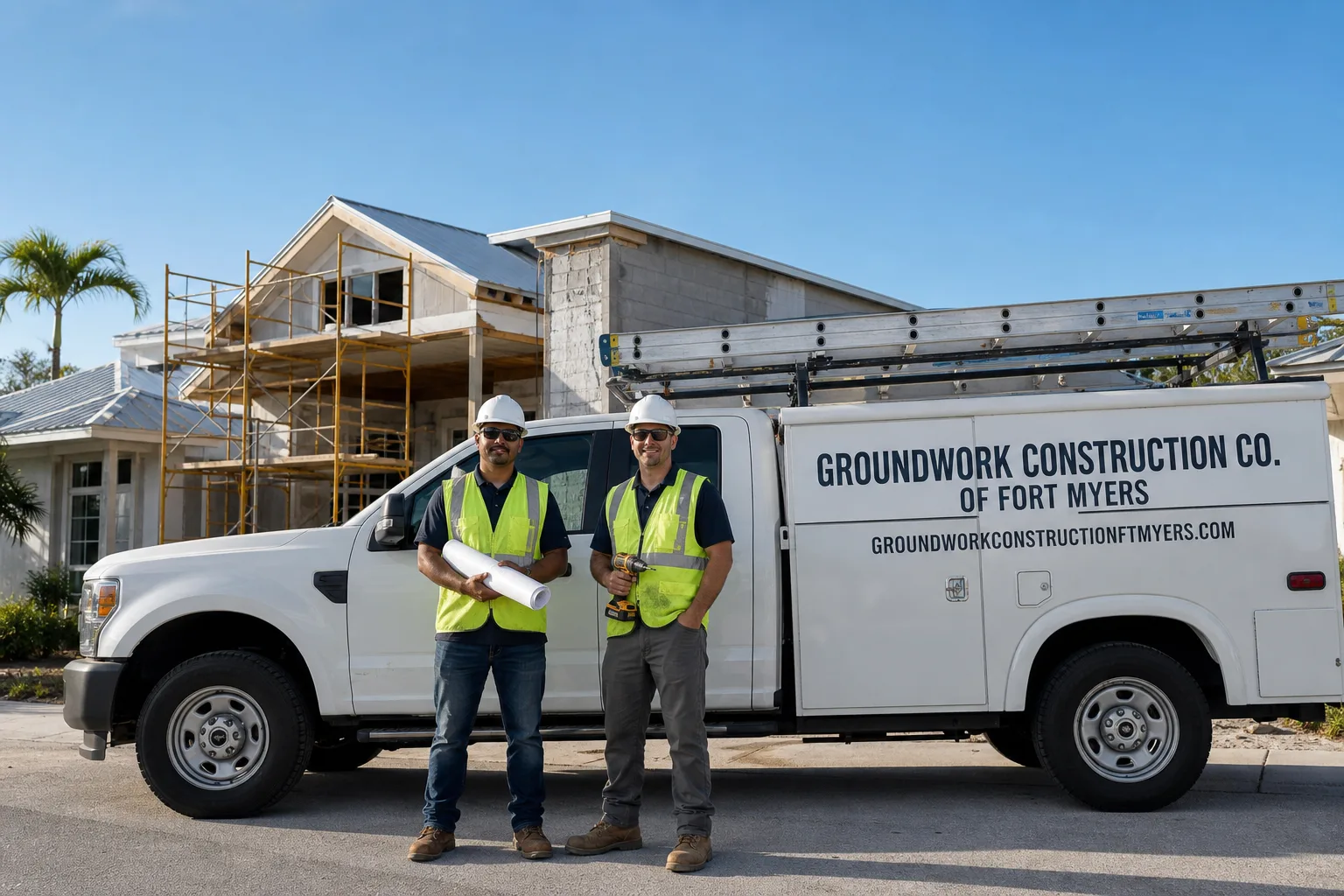
What an Aluminum Fence in Venice Actually Costs and How the Job Unfolds
An aluminum fence in Venice costs $4,000 to $10,000 for a typical residential installation, and most projects are fully installed in 2 to 4 days. That range covers a standard 150 to 250 linear feet with one or two walk gates on flat to gently sloped lots. The job includes removing any old fence, setting new concrete footers, assembling the prefabricated aluminum panels and posts, and hanging gates. Call (844) 638-7249 for a line-item written estimate on your property.
What separates a quick, predictable aluminum fence project from one that drags out or runs over budget usually comes down to what’s under the grass. On a barrier island like Venice, where the water table sits just a couple of feet down, post-hole depth and drainage planning have to be right on the first try. We’ve been putting fencing on Venice properties long enough that we factor those conditions into the estimate, not into a change order after we hit groundwater.
For homeowners doing a full property refresh, we often coordinate the fence with Fence Installation in Venice scope that includes driveway, walkway, and patio hardscape in the same project phase.
How We Build an Aluminum Fence on a Venice Property
Every aluminum fence job follows a clear sequence. Knowing what happens and when helps you plan your week and your decisions. Here’s the real stage-by-stage arc from the first call to the final walkaround.
Stage 1: On-site measure and estimate (day one, 60 to 90 minutes). We walk the fence line with you, confirm property boundaries against any survey or plat you have, and mark the corners and gate locations. On Venice Island lots, we check the grade slope and note any low spots along East Venice Avenue or similar corridors where summer stormwater ponds. We write a fixed-price proposal within 24 hours. The number you see is the number you pay.
Stage 2: Permit pull and locate-call (3 to 10 business days). Sarasota County requires a permit for any fence over 7 feet, and Venice requires a zoning clearance to verify setback from property lines and right-of-ways. We submit the paperwork, handle the review notes if the plans examiner asks for a revision, and call 811 for utility locates. If you’re in an HOA community like Toll Brothers at Venice Woodlands, we also coordinate the architectural review submittal during this window.
Stage 3: Layout and footer excavation (day one of install). We stake the exact post locations, string a line for straightness, and dig the footers with an auger or hand-digging when we’re up against a wall or narrow side yard. In Venice’s sandy soil, footers go 24 to 30 inches deep to get below the occasional shallow groundwater lens and provide enough mass against wind uplift. We set the terminal and corner posts in concrete first and let them cure overnight. This is the most important day for getting the lines true.
Stage 4: Panel and gate assembly (day two, sometimes day three). The prefabricated aluminum panels slide into punched posts and lock with concealed fasteners. Sections go in fast once the posts are cured. We hang gates with adjustable stainless-steel hinges and magnetic or mechanical latches. If you chose a powder-coated finish color beyond the standard black, bronze, or white, the panels arrived pre-finished from the manufacturer and we’re assembling, not painting. A straightforward 200-linear-foot job with two gates is usually wrapped by the end of day two.
Stage 5: Final walkthrough and trim-out (last afternoon). We level-adjust each gate, touch up any post-cap alignment, and clean the site. We walk the fence with you to confirm every section is plumb, every gate swings and latches cleanly, and the footer concrete is tooled neatly at grade. If there’s a punch-list item, we take care of it immediately or schedule it within the week. The job isn’t done until you say it’s done, and the 730-Day Done Right Promise backs every post in the ground.
Our Fence Installation crews are background-checked, uniformed, and trained on Venice’s specific soil and setback requirements. There’s no learning curve on the homeowner’s time.
The Options You’ll Choose Between for an Aluminum Fence
Aluminum fencing isn’t one-size-fits-all. You’ll make three or four real choices that change the look, the lifespan, and the bottom line. Here are the categories and the honest trade-offs.
- Grade: residential vs. commercial-duty. Residential-grade aluminum panels use a lighter-gauge extrusion with a thinner powder-coat layer, rated for typical backyard use with minimal wind exposure. Commercial-duty panels are thicker, stiffer, and carry a longer finish warranty. On a Venice Island lot exposed to salt spray off the Gulf, the heavier grade pays for itself in corrosion resistance within five to seven years.
- Style: flat-top, spear-top, or arched. Flat-top panels give you a clean horizontal line and are the most affordable. Spear-top panels add pressed finials at every picket for a more traditional look and a modest security bump. Arched panels rise between posts for a decorative rhythm. The style you pick doesn’t change the structural performance, just the curb impression.
- Finish and color. Black is the standard and most cost-effective, with bronze and white close behind. Custom powder-coat colors including matte-textured finishes and wood-grain patterns are available through brands like ActiveYards and add 15 to 25 percent to the material line. On a Venice waterfront property, we recommend a marine-grade powder coat with a thicker mil depth specifically rated for coastal salt air.
- Gate configuration: walk gates, drive gates, or both. A single walk gate is included in most estimates. Adding a second gate or a wide drive gate for trailer access changes the footer spec, hardware, and post sizing. Drive gates over 6 feet wide usually require a steel-reinforced post and a heavier-duty hinge set to prevent sag over time.
When we present the estimate, we walk through each of these choices line by line so you’re picking what matters for your property, not what happened to be in the truck.
What an Aluminum Fence Costs in Venice, FL
A typical aluminum fence installation in Venice runs $4,000 to $10,000. At the low end, that’s a smaller yard around 150 linear feet with one walk gate, flat-top panels in standard black, and no unusual grading or access obstacles. At the upper end, you’re looking at 250-plus linear feet, two gates including a wide drive gate, commercial-duty gauge with a marine-grade powder coat, and a lot with significant slope or tight access that slows the footer work.
Five things move the number:
- Linear footage. The single biggest driver. Aluminum panel systems are priced per linear foot, and every additional 25 feet adds roughly $500 to $900 to the job.
- Gate count and type. Each walk gate adds $400 to $700. A drive gate adds $900 to $1,500. The posts, concrete, and hardware for a gate are a separate subsystem from the panels.
- Old fence removal and disposal. If there’s a chain-link or wood fence on the line now, pulling it and hauling it off adds $300 to $800 depending on length and whether the posts are set in concrete.
- Grade and access. A steep slope or a yard where the auger rig can’t fit means more hand-digging, which adds labor hours. On Venice Island, a lot that slopes toward a canal or the Intracoastal Waterway usually requires stepped panels or some regrading to keep the bottom rail parallel to the ground.
- Finish and gauge upgrades. Moving from residential to commercial-duty aluminum adds $10 to $15 per linear foot. A custom powder-coat color adds $8 to $12 per linear foot.
Every written estimate we give you includes a line-by-line breakdown of materials, labor, old-fence removal, permit fees, and the gate hardware spec. No round-number handshake, no “we’ll figure it out later.” Upfront pricing, no surprises. Call (844) 638-7249 to schedule your free on-site estimate.
What Venice Properties Specifically Do to an Aluminum Fence Project
Fencing on a barrier island is not the same job as fencing 10 miles inland, and anyone who tells you otherwise hasn’t dug a post hole in Venice. The water table across much of the island sits 2 to 3 feet below grade. When we auger a footer to 28 inches, we frequently hit saturated sand by the bottom of the hole. It’s not a problem if you plan for it: we over-excavate slightly, pour a drier concrete mix so it sets without washing out, and use post anchors with a galvanized coating rated for continuous ground contact in a high-moisture environment. Nobody wants a fence post that’s tilted toward the Gulf 18 months later.
Salt-air corrosion is the other Venice constant. Aluminum doesn’t rust like steel, but it will oxidize and pit if the protective powder coat is too thin or is scratched during install and left exposed. On properties west of Tamiami Trail and closer to the beach, we spec a marine-grade finish and stainless-steel fasteners across the board. The standard zinc-plated hardware that’s fine in North Port or Port Charlotte will show white rust bloom here in a single wet season. These aren’t upsells; they’re the right materials for Venice.
The older ranches near the Venice Train Depot corridor and the concrete-block homes in island subdivisions built in the 1960s through 1980s often have hand-drawn plat maps and fence lines that have drifted over successive owner installs. We pull the survey and re-establish the true property line before we set the first post. In newer communities governed by active HOAs, including the master-planned developments springing up along North River Road, the aluminum fence style, height, and color typically have to match a pre-approved palette. We handle the architectural review submittal, but the approval timeline belongs to the HOA board, and we build that into the schedule before the permit goes in.
The upside of Venice’s sandy soil is that it drains instantly, so a properly set concrete footer cures with less risk of frost heave or expansion cracking than you’d get in clay. The downside is that heavy summer thunderstorms along low-lying streets can pond water against the bottom rail for a few hours. We set the bottom rail at least 2 inches above finished grade and slope the concrete collar so water sheets away from the post. These are small things that keep a fence looking straight and clean for years, and they’re baked into how we build out here.
Homeowners tackling broader property improvements often coordinate fencing with Driveway Repair & Replacement in Venice and Patios, Walkways & Pool Decks in Venice to keep one crew sequencing flowing across the whole yard.
Serving Venice, FL - Our Local Coverage Area
We’re based in the Venice area and know this community well. Use the map below to see our service coverage - if you’re nearby, we can almost certainly help.
Frequently Asked Questions About Aluminum Fence in Venice
Most aluminum fence projects in Venice take 2 to 4 days from first footer excavation to final gate adjustment. The curing time for the concrete footers sets the pace: terminal and corner posts are set on day one and cure overnight, then panels and gates go in on day two. Larger jobs, drive gates, or lots with difficult access may push into a third or fourth day. Permitting with Sarasota County and any HOA architectural review happen before the dig day, so the install days are uninterrupted once we start.
Yes, for most aluminum fences. Sarasota County requires a permit for any fence over 7 feet in height, and the City of Venice requires zoning clearance to confirm setback compliance. We pull both as part of the job. If you’re in an HOA, architectural approval is separate from the municipal permit and we manage that submittal as well. The permit process typically adds 5 to 10 business days to the timeline before the first shovel goes in the ground. Call (844) 638-7249 and we can tell you what your specific property will need after we see the lot.
Aluminum won’t rust like steel, but it can oxidize and develop surface pitting over time if the powder coat is too thin or gets scratched during installation, especially on Venice properties close to the Gulf. We use a marine-grade powder coat on waterfront and near-coastal installations and pair it with stainless-steel fasteners throughout. With the right spec, an aluminum fence on a Venice Island canal or beachside lot holds its finish for 20-plus years with occasional rinsing. The shortcut some contractors take is using inland-grade hardware, and that’s what fails first.
Aluminum fencing in Venice runs $4,000 to $10,000 for a typical residential scope. Vinyl fence in Venice runs in a similar range, $3,500 to $9,000, with aluminum generally at the mid-to-upper end of that band and offering better wind-uplift performance in coastal gusts. Chain link runs lower, usually $1,800 to $4,500, but delivers no privacy and a utilitarian look most homeowners reserve for side-yard or utility fencing. Aluminum hits the middle of the market: strong curb appeal, near-zero maintenance, and a frame stiff enough to handle Venice’s summer thunderstorms without bowing.
We set aluminum fence posts 24 to 30 inches deep in Venice, with 30 inches being the standard on most island lots where the water table is high. When we hit saturated sand at the bottom of the hole, we use a drier concrete mix and over-excavate slightly so the concrete collar has more mass around the post. The post itself is aluminum with a galvanized grounding anchor, so standing groundwater doesn’t attack the metal the way it does with uncoated steel. We’ve been doing this on Venice barrier-island soil long enough that groundwater isn’t a surprise; it’s just a condition we engineer for from the first estimate.
Free Aluminum Fence Estimate in Venice
If you’re planning an aluminum fence in Venice, start with a fixed-price written estimate that covers the full scope from permit to cleanup. We’ll walk the property with you, talk through the grade, finish, and gate options that make sense for your lot, and deliver a line-by-line proposal within 24 hours. The estimate is free and comes with no pressure. Call (844) 638-7249 - a real person answers, day or night - and we’ll schedule a time that fits your week.
Written by Derek Hollenbeck, Owner at Groundwork Construction Co., serving Venice since 2014.