
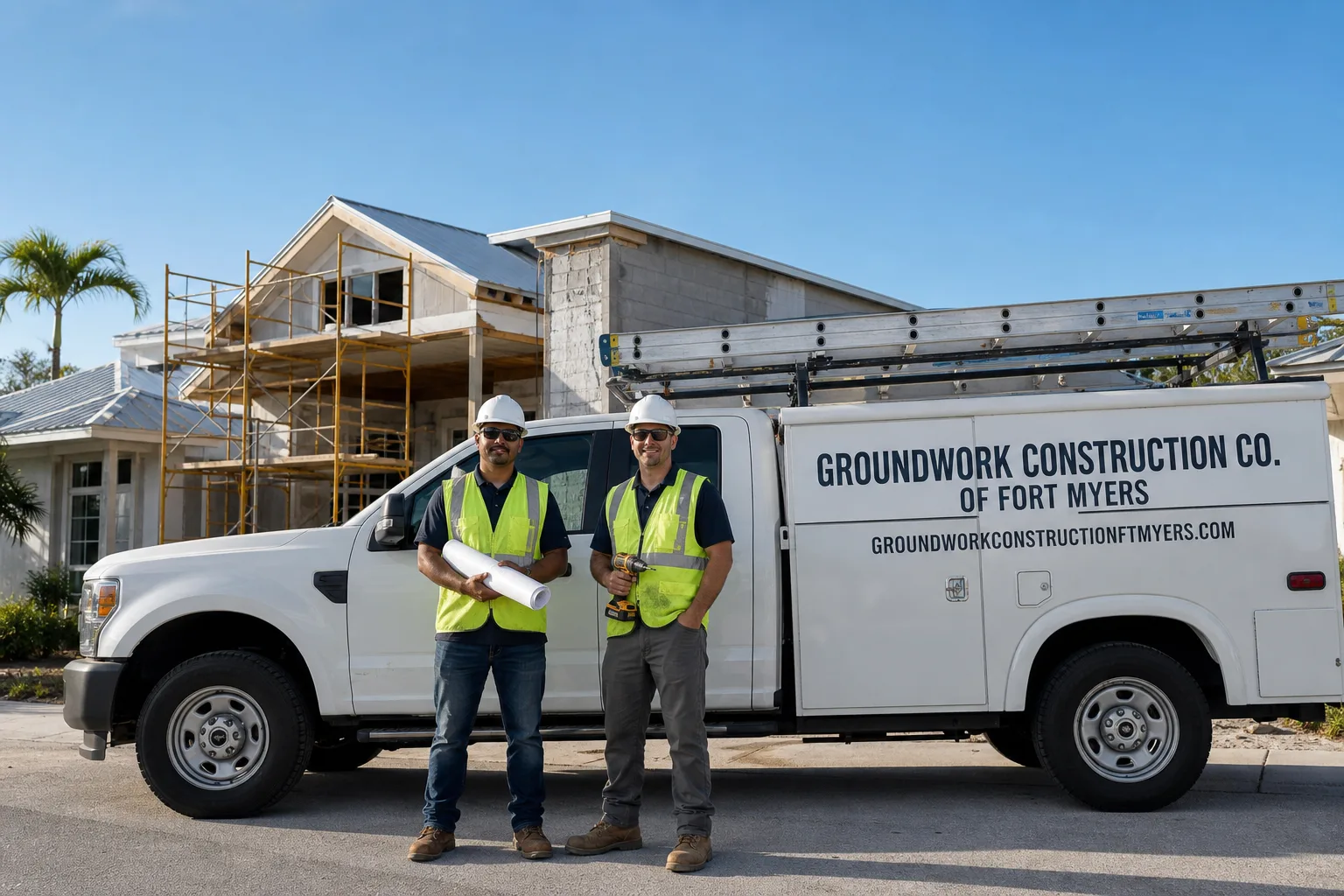
Fast, Reliable Roofing Across Orangetree
Roofing in Orangetree comes with a set of rules that most homeowners never think about until a permit lands on the kitchen table. You’re not just replacing shingles here. You’re dealing with a community where houses built before August 1992 were erected under a wind-load code rated for 110 mph, while current Collier County code demands 180-mph exposure-C compliance. That gap matters. It means the price you pay, the materials your contractor chooses, and whether your insurance company actually covers a claim all trace back to what year your home was permitted. Our Roofing team knows this ground cold. We serve Orangetree homeowners who want the work done once, documented properly, and backed by a 730-Day Done Right Promise that puts every guarantee in writing. If you need a straight answer on what your roof actually requires, call us at (844) 638-7249 and we’ll walk you through it, no pressure.
Why Groundwork Construction Co. of Fort Myers Is Orangetree’s Preferred Roofing Company
Most roofing companies operating in eastern Collier County treat Orangetree like a distant stop on a Naples route sheet. That shape how the job gets quoted. Our roofing crew knows Everglades Boulevard, Oil Well Road, and the winding residential loops off Immokalee Road well enough to factor material haul time and the private utility system’s quirks into the estimate before we show up. We don’t surprise you with change orders because the lumberyard is forty minutes away. We planned for that.
Every technician who steps onto an Orangetree property is background-checked, uniformed, and trained to recognize the local construction eras that define this community. When we walk a roof on a concrete-block home from, say, 1990, we’re already looking for mortar-set tile with no mechanical fasteners, three-tab shingles with no secondary water barrier, and ridge caps that have been lifting for years. Those are the failure modes that nobody catches until a summer storm rips through and the ceiling stains appear. Our customers in Orangetree call us because they got tired of contractors who didn’t know the difference between a pre-Andrew permit and a post-2002 code upgrade. We know the difference, and we explain it in plain language.
You’ll also reach a live person when you call, day or night. Not a voicemail box that disappears into a dispatcher’s backlog. Actual 24/7 answering, staffed by people who can schedule a free estimate for Orangetree the same call. That matters when a tile roof loses a section during an afternoon deluge and your insurance adjuster wants photos by tomorrow.
Our Roofing Services in Orangetree
Tile Roofing
Tile roofing in Orangetree is the signature look of this community, but the installation methods vary wildly by construction year. Homes built before the August 1992 Hurricane Andrew code revision often have barrel or flat-top concrete tiles that were mortar-set directly to the deck with zero mechanical fastening. That was standard practice at the time. Today’s Collier County code demands a Miami-Dade-approved system with screws, clips, or adhesive foam that holds at 180-mph wind uplift. When we replace or repair a tile roof here, the job starts with a tear-down to the deck so we can install a self-adhered high-temperature underlayment as the secondary water barrier, then re-set or replace tiles with a fully engineered fastening pattern. Without that underlayment and the documented fastening schedule, you’ll never qualify for the wind-mitigation insurance discount that a properly permitted roof delivers.
Roof Replacement & Installation
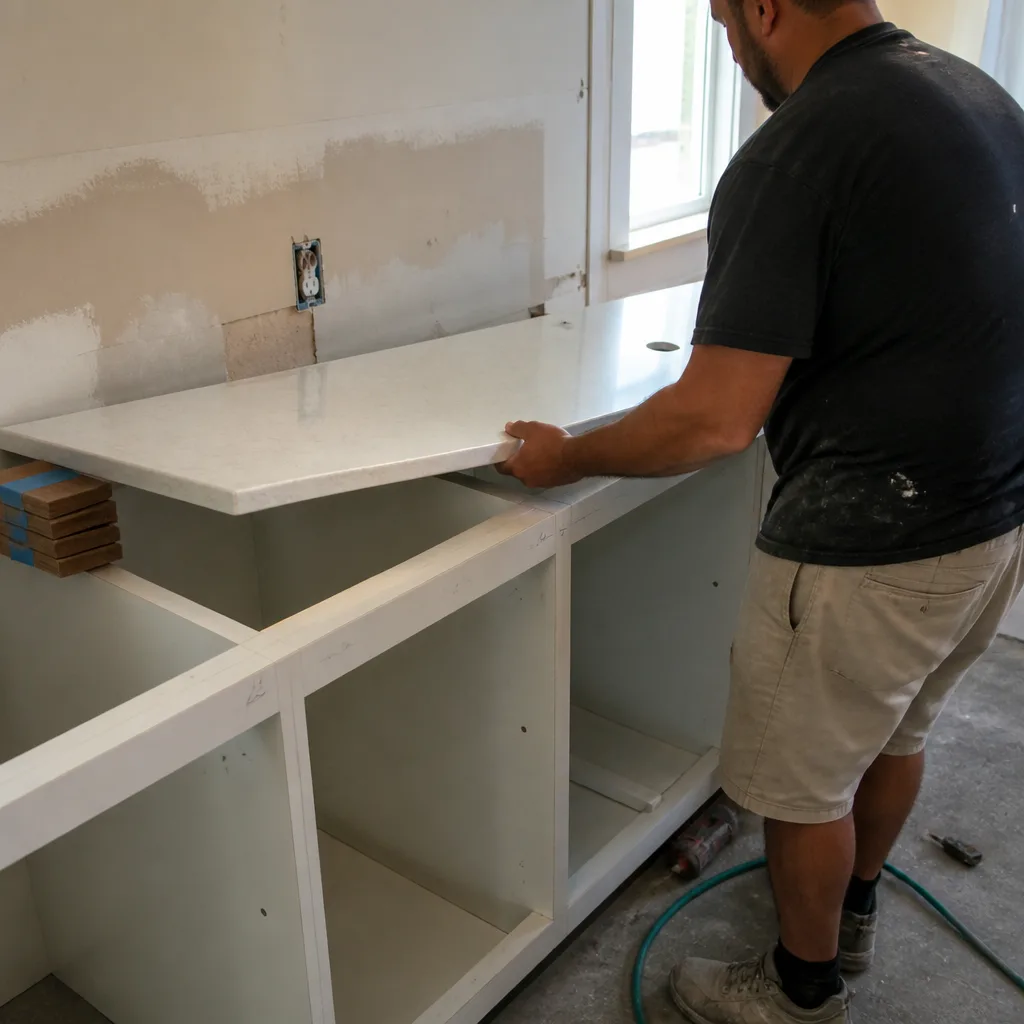
A full roof replacement in Orangetree isn’t a material swap. It’s a code-compliance event. The permit triggers a wind-load re-evaluation of the entire roof structure, from truss connections to sheathing thickness, and the finished assembly must test to 180-mph exposure-C. That means the quote includes more than shingle squares. It includes Simpson hurricane ties at every rafter-to-wall connection, upgraded nailing patterns on the sheathing, and a peel-and-stick underlayment that runs from eave to ridge. We produce a full compliance package for your insurer, including the product approval numbers, installation photos, and the final inspection sign-off. Homeowners who skip those steps to save money end up paying for it at claim time. We don’t cut that corner.
Roof Repair
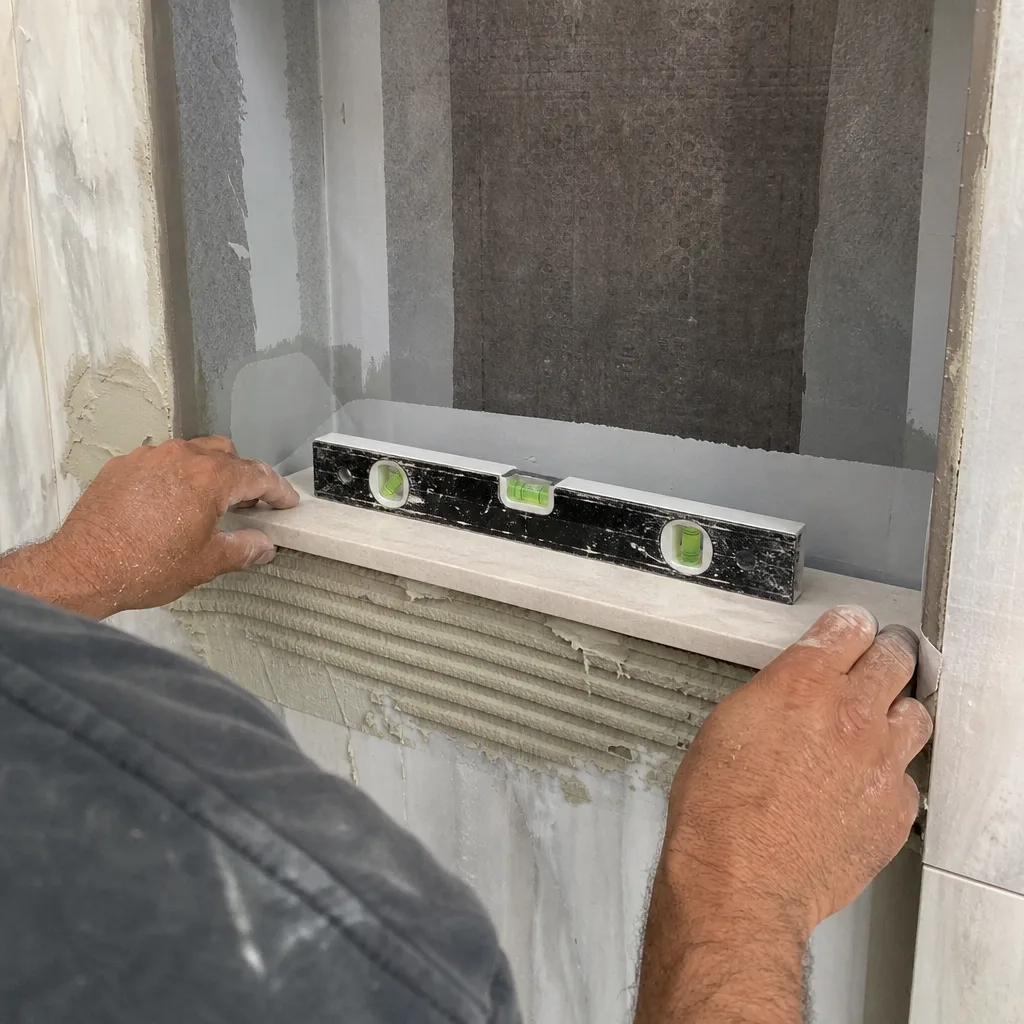
Most roof repair calls we take in Orangetree start the same way: a small ceiling stain in a bedroom or hallway that the homeowner noticed after a heavy afternoon rain. What we find on the roof is rarely small. On a tile roof, a cracked or slipped barrel tile can funnel water directly onto the underlayment, which on an older home may already be saturated and rotting. On a shingle roof, the leak usually traces to a failed ridge cap or a pipe boot that dried out in the Florida sun. The repair itself often runs $400 to $1,800 depending on what’s underneath, but the real cost is what happens if the underlayment has failed across a larger area. We’ll give you a written, line-item estimate that separates the immediate fix from any larger concerns, and we won’t push a replacement unless the deck really needs it.
Emergency & Storm Damage
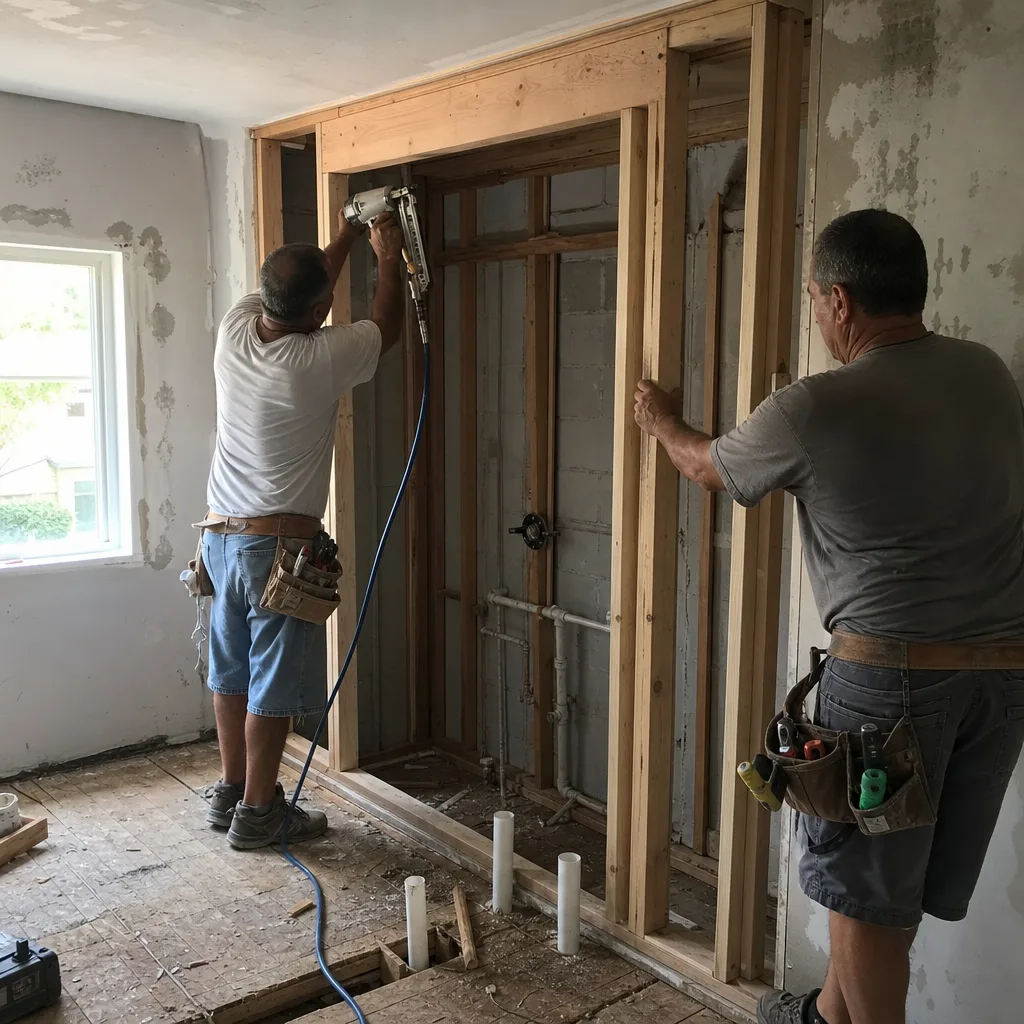
Orangetree sits far enough inland that storm surge isn’t the threat, but wind-driven rain and microbursts are. When a summer thunderstorm tears through and your roof loses a ridge cap or a section of tile, you need a tarp in place before the next afternoon’s rain cycle. We dispatch from our Miami-area office and crews arrive in Orangetree ready to secure the roof, document the damage for your insurer, and provide a written scope of work that accounts for all code-required upgrades. We also know that portions of Orangetree fall within FEMA flood zones where the 50% substantial-improvement rule can cap renovation budgets. We’ll flag that early so you don’t get sideways with your mortgage lender or flood insurance carrier.
What happens when you call
- 1
A real person answersNo phone trees - you reach a local pro.
- 2
You get an upfront price rangeHonest numbers before anyone is dispatched.
- 3
A background-checked tech heads outLicensed & insured, dispatched right away.
- 4
You approve before work beginsNothing starts until you say go.
Trusted Brands We Service in Orangetree
You don’t get to 180-mph compliance with off-brand materials and generic flashing. Our roofing crews in Orangetree install GAF and CertainTeed asphalt shingle systems with full manufacturer wind warranties, and we stock the proper ridge vent profiles, hip-and-ridge caps, and peel-and-stick underlayment at our regional yard so we’re not waiting on a supply-house run when your job is mid-permit. For tile roofs, we work with Miami-Dade-approved barrel and flat tile profiles that match the existing Orangetree aesthetic while carrying the current product approval numbers your insurer wants to see. On the hardscape and drainage side, we also install Tremron pavers when we’re re-grading a patio or walkway that’s been undermined by Orangetree’s seasonal water table, and Techo-Bloc for retaining walls where old grove drainage has softened the lot over time.
Common Roofing Problems We See in Orangetree Homes
- Mortar-set tile without mechanical fasteners. These pre-Andrew roofs look solid from the ground, but the tiles are held by nothing more than dried mortar, and they start sliding or cracking along the rake edges within twenty years. Once one tile shifts, wind-driven rain gets behind the whole assembly.
- Missing secondary water barrier. Collier County didn’t require a self-adhered underlayment until 2002. Homes built before that have shingles or tile laid directly over dry-in felt, which means any tear or lifted edge lets water straight into the deck. By the time a leak shows on the ceiling, the sheathing has often been rotting for months.
- Low-slope flat-top concrete tile trapping moisture. On roof pitches under 4:12, concrete tiles don’t shed water fast enough, and the underlayment stays damp for days after a storm. In Orangetree’s rainy season cycle, that trapped moisture rots the underlayment from the inside out, producing leaks that only appear during the heaviest downpours.
- Undersized gutter systems overwhelmed by runoff. The original downspout sizing on older Orangetree homes didn’t account for how quickly water sheets off tile and shingle roofs during a Florida afternoon storm. Add in the legacy of ex-grove drainage tile lines that back up during heavy flow, and you get gutters pulling away at the fascia with overflow soaking into the soffit.
Pricing for Roofing in Orangetree, FL
Every roof in Orangetree gets quoted against a specific wind-load standard, and that standard determines the materials, the fastening schedule, and the engineering that’s required. Here’s what you can expect for common roofing work in this community, with the understanding that a pre-Andrew home will usually land toward the upper end of the range because of the permit-triggered structural upgrades:
| Service | Orangetree Price Range |
|---|---|
| Roof Replacement | $8,000 - $20,000 |
| Roof Repair | $400 - $1,800 |
| Tile Roof Repair | $600 - $2,500 |
| Metal Roof Installation | $15,000 - $40,000 |
These numbers reflect the full scope of a compliant permit job: engineering letters when required, current-code underlayment, wind-rated fasteners, and final inspection sign-off. We never surprise you with a change order because we quoted the visible damage but found hidden code deficiencies once the roof was opened. The estimate you get upfront is the number you pay, and all work is backed by our 730-Day Done Right Promise. Call (844) 638-7249 to schedule a free estimate and design consult for your Orangetree home.
We Also Serve Cities Near Orangetree
Our roofing crews regularly work across eastern Collier and Lee counties. In addition to Orangetree, we provide the same code-compliant roofing services to homeowners in Fort Myers, Lochmoor Waterway Estates, North Fort Myers, and Pine Manor. If you’re anywhere in this part of Southwest Florida and need a roofer who understands wind-load compliance and insurance documentation, give us a call.
How a Pre-Andrew Orangetree Roof Gets Quoted: The Compliance Reality
Here’s what most roofing quotes in Orangetree leave out. When you pull a permit on a house built before August 24, 1992, the Collier County Building Department doesn’t just review your material choice. They re-evaluate the entire roof structure against the current Florida Building Code, which for this area means 180-mph ultimate design wind speed, exposure-C terrain. That can trigger requirements for hurricane ties at every truss-to-wall connection, 8d ring-shank nails at 6-inch spacing on the sheathing, and a self-adhered underlayment that runs from the eave to the ridge as a secondary water barrier. A compliant quote includes the engineering, the fasteners, the underlayment, the product approval numbers for every material, and the final inspection documentation. A cheap quote includes shingles and hope. If your insurer ever asks for a wind-mitigation inspection report and your roofer didn’t produce compliant documentation, you’re leaving premium discounts on the table, and worse, you may not be covered for wind damage at all. Our team builds every Orangetree roof job with the full compliance package from day one. We replaced a barrel tile roof on a 1991 concrete-block home along Everglades Boulevard where the original clay tiles were merely mortar-set with no mechanical fasteners. Our crew stripped to the deck, installed a self-adhered high-temperature underlayment, and upgraded to a Miami-Dade-approved tile system rated for 180-mph wind uplift, documenting every step for the homeowner’s insurer, which then dropped their wind premium by 18%. That’s the difference between a roofing quote and a real roof.
Serving Orangetree, FL - Our Local Coverage Area
We’re based in the Orangetree area and know this community well. Use the map below to see our service coverage - if you’re nearby, we can almost certainly help.
FAQs - Roofing in Orangetree
No, a 1993 home does not automatically meet current standards. Hurricane Andrew’s code changes went into effect in Collier County in phases after August 1992, but the full 180-mph wind-load requirement and secondary water barrier mandate didn’t arrive until the early 2000s. A roofing permit on any pre-2002 home will trigger a review of the existing roof-to-wall connections, sheathing nailing pattern, and underlayment, and the building department will likely require upgrades before signing off. We handle that review as part of every estimate so you’re not surprised mid-job. Call (844) 638-7249 and we’ll walk your specific address through the likely requirements.
Your tile roof qualifies if it has a self-adhered, high-temperature underlayment installed beneath the tile system and the installation can be documented with photos, product approval numbers, and a final inspection report from a Collier County permit. If you don’t have that documentation, or if your underlayment is the original dry-in felt, your insurer will likely deny the wind-mitigation discount. After we complete a tile roof replacement or major repair in Orangetree, we hand you a complete compliance package formatted specifically for what Florida insurance carriers require on a wind-mitigation form.
It’s often both. Older Orangetree homes were built with downspout sizing that didn’t anticipate the volume of runoff a tile roof generates during a heavy Florida thunderstorm. On top of that, legacy citrus-grove drainage tile lines still present under parts of the community can back up during peak flow, forcing water against the fascia and pulling the gutter loose. We address this by resizing the downspouts, adding gutter straps rated for the load, and checking for subsurface drainage blockages that could be worsening the problem at the roofline.
Yes, in most cases a standing seam metal roof can be engineered to meet the 180-mph requirement, but it depends on the existing truss spacing, the sheathing condition, and whether the roof deck can accept the required clip spacing and fastener schedule. We bring in a Florida-licensed structural engineer to review the specific home and produce the sealed calculations the permit office requires. The engineering cost is included in our upfront pricing, so you know the full number before we order materials.
Indirectly, yes. The old subsurface drainage tile lines and borrow pits from the citrus-grove era can create soft soil pockets and standing water near the foundation after heavy rain. That moisture migrates upward through the slab edge and into the soffit and fascia area, where it accelerates rot in the rafter tails and fascia boards. We’ve seen this on homes along the eastern side of Orangetree where the original grove irrigation infrastructure was never fully decommissioned. A roof leak in that scenario isn’t always coming from the roof itself; it’s a moisture problem traveling up from below, and we can diagnose the source before you spend money on roofing work you may not need.
Ready to get a straight answer on what your Orangetree roof actually needs? Call (844) 638-7249 to schedule a free estimate. A live person answers, day or night, and we’ll send a background-checked, uniformed roofing specialist to your home with a written, upfront quote that covers every code requirement and every fastening detail. Backed by our 730-Day Done Right Promise, with 0% financing for 18 months and $1,000 off projects over $10,000. Built to last, backed in writing.
Written by Derek Hollenbeck, Owner at Groundwork Construction Co., providing roofing services to Orangetree homeowners with a level of documentation most contractors don’t offer.