
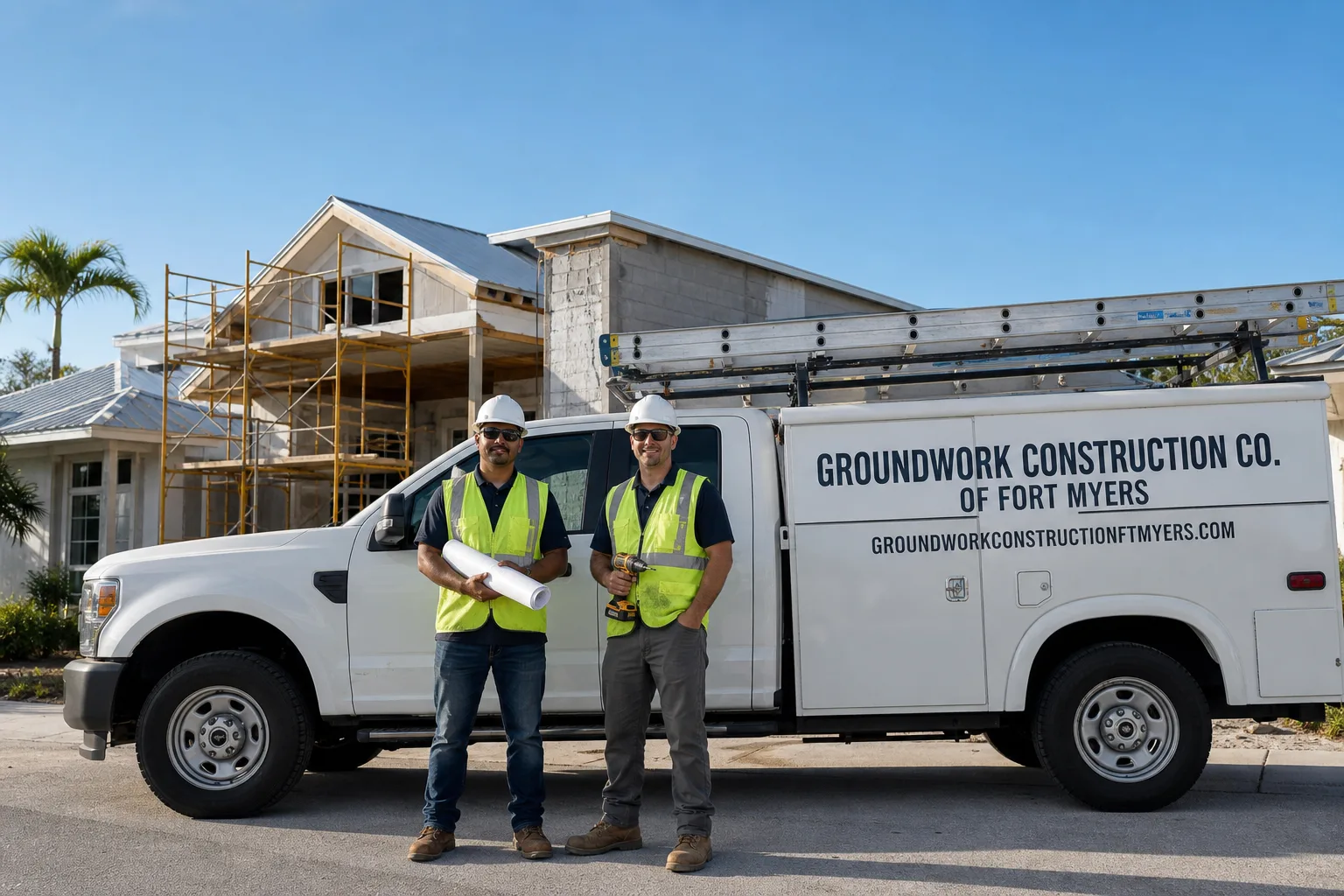
What Aluminum Fence Work Actually Looks Like in Palmona Park, FL
A new aluminum fence in Palmona Park typically runs between $4,000 and $10,000 for a standard residential lot, with most jobs wrapping up in three to five working days. That range covers the full scope: removing any old fencing, setting new posts in concrete, hanging the panels, and installing the gate hardware, all tied to a written, upfront price before the first shovel hits the ground. If you’re weighing options and want a firm number for your property, call us at (844) 638-7249 for a free on-site estimate.
How We Build an Aluminum Fence, From the First Post Hole to the Final Walkthrough
The sequence is straightforward, but the details at each stage determine whether the fence still looks plumb and operates smoothly five hurricanes from now. Here’s what to expect when our crew pulls up in Palmona Park.
Day 1: Layout, utility marking, and digging. We stake the entire fence line with you walking the property so every corner, gate swing, and return matches what you pictured. Sunshine 811 gets called to mark underground utilities (required by Florida law before any excavation). Once the marks are down, we dig post holes to a depth of 24 to 30 inches depending on the panel height and wind exposure. In Palmona Park’s sandy, low-elevation soil, we often widen the hole base to create a larger concrete footing than what’s strictly code minimum; it costs a little more in concrete but keeps posts from shifting during the wet-season ground saturation that hits this part of Lee County hard.
Day 2: Setting posts and pouring footers. Each post gets set in a concrete mix we batch on-site using Quikrete or Sakrete depending on availability. The concrete cures to initial set within a few hours, but we let it cure overnight before hanging any weight on the posts. This is also when we fine-tune alignment with a string line and level. Aluminum fence panels have very little forgiveness once they’re bolted on. A post that’s off by half an inch at the base becomes a visible wave across twenty feet of fence line, so this stage is where the patience pays off.
Day 3: Hanging panels, gates, and hardware. The horizontal rails get bracketed to the posts, then the vertical pickets slot into place. If your layout includes a driveway gate, that goes in the same day with heavy-duty hinges and a latch assembly rated for the gate’s weight and expected use. This is the decision point for hardware finish: powder-coated black or bronze hold up best against Palmona Park’s salt-tinged air, and we’ll give you our honest recommendation based on which side of the property faces the prevailing wind off the Caloosahatchee corridor.
Day 4 (if needed): Adjustments, punch-list, and debris removal. We walk the entire perimeter with you to spot anything that needs tweaking: a gate that drags, a latch that catches, a section where the grade drops and leaves a gap underneath. All demo debris and packaging get hauled off the same day. If your project is part of a larger property improvement, this is also when we’ll coordinate timing with our Fence Installation in Palmona Park crews to keep the overall timeline tight.
What you decide and when. Before we dig, you’re choosing fence height (typically 4, 5, or 6 feet for residential aluminum), gate locations and swing direction, and panel style. Those three choices drive the material order and the post-hole layout. Everything else we handle on our side: the county permit application, the concrete mix ratio, and the hardware spec.
The Options You’ll Choose Between for an Aluminum Fence
Aluminum fencing isn’t one-size-fits-all. The decisions you make here directly affect how the fence looks, how it weathers, and what it costs to build. Here are the real trade-offs we walk homeowners through in Palmona Park:
- Residential-grade vs. commercial-grade panels. Residential panels use a lighter-gauge aluminum extrusion and smaller-diameter pickets that keep the price down but flex more under load. Commercial-grade panels use thicker-walled extrusions and reinforced rail channels. If the fence borders a pasture or takes direct hits from falling branches during storm season, we usually steer toward the heavier gauge. The upfront difference is about $8 to $15 per linear foot, but it eliminates sagging rails six years in.
- Flat-top vs. spear-top pickets. Flat-top gives you a clean, modern line that works well around pool decks and patios. Spear-top (sometimes called pressed-spear) adds a deterrent look without making the fence hostile. Spear-top costs about 10% more per panel and is the more common choice on perimeter fencing in Palmona Park where homeowners want a defined property boundary that reads as intentional, not decorative.
- Powder-coat finish: black, bronze, or white. Black powder-coat is the default for most jobs and hides dirt well. Bronze warms up against landscaping and is the best choice near salt air because the darker pigments in the coating provide marginally better UV resistance over a 15-year span. White works beautifully for pool enclosures but shows every splash of mud from a summer downpour. All three finishes carry the same manufacturer warranty against peeling and chipping.
- Gate hardware and latch type. A self-closing, self-latching gate meets Florida pool-code requirements if the fence encloses a swimming area. We install MagnaLatch magnetic latches and adjustable-tension hinges that won’t rust out in five years like the budget hardware sold at big-box stores. For driveway gates, we spec heavy-duty strap hinges and a drop-rod assembly that locks into a concrete footer.
- Fence height and wind load. Six-foot aluminum fence catches significantly more wind than four-foot, which matters on properties with no windbreak. Lee County’s building code governs post depth and footing diameter based on panel height and exposure category. We size footers accordingly and never cut the concrete short to save a few dollars.
What Aluminum Fence Costs in Palmona Park, FL
Most aluminum fence projects in Palmona Park land between $4,000 and $10,000, with the median job around $6,500 for roughly 150 linear feet of four-foot residential-grade fence with one walk gate. That’s a turnkey number: demolition of existing fence (if any), materials, concrete, gate hardware, labor, cleanup, and the Lee County permit fee. Here’s what pushes a job toward the low or high end of that range.
Linear footage is the biggest lever. A small side-yard enclosure of 60 feet with no gate might run $2,800 to $3,800. A full perimeter fence around a half-acre lot with two gates and a driveway gate can push past $10,000 quickly. Every additional gate adds $400 to $900 depending on width and hardware spec, and driveway gates are a separate line item because they need wider posts, heavier hinges, and a concrete footer across the opening.
Old fence removal and site prep. If there’s a rotted wood fence or a chain-link fence set in concrete footers that need to be dug out and hauled off, figure an extra $400 to $1,200 depending on length and how stubborn the old concrete is. In the older sections of Palmona Park where 1970s chain-link posts were set deep in now-compacted soil, removal takes longer than expected.
Material grade and panel height. Commercial-grade six-foot aluminum costs roughly 30% more per linear foot than residential-grade four-foot. The difference is entirely in the metal: thicker extrusions, more aluminum per panel, higher shipping weight. We quote both options in the estimate so you can see the dollar difference line by line.
Permit fees. Lee County charges a flat permit fee for residential fencing, and we roll that into our estimate as a separate line item. If the property sits in a FEMA Flood Zone, which covers most of Palmona Park, the permit office may require a site plan showing the fence location relative to the structure and any floodway easements. We draw that plan as part of our scope.
Every estimate we write is a fixed-price, line-item document. You’ll see materials broken out, labor as one number, the permit fee, and any site-prep charges. There’s no change order surprise halfway through because we found something we should have seen on day one. If you want to see what a real estimate looks like for your property, call (844) 638-7249 and we’ll schedule a walkthrough.
What Palmona Park Homes Specifically Do to This Job
Building an aluminum fence in Palmona Park isn’t the same as building one ten miles inland. The biggest variable is the permitting path through Lee County’s building department. Palmona Park is unincorporated, so there’s no city building office to go through. Every permit application for a fence goes to Lee County, the same office that has been ground zero for post-Ian reconstruction since September 2022. That means the permit review clock runs differently here than it does in Fort Myers proper. We track the current review timelines week to week and build that buffer into the project schedule we give you.
The soil profile matters, too. Much of Palmona Park sits on sandy, fast-draining ground at extremely low elevation, with the water table riding high during the summer wet season. Post holes that look dry at 24 inches in March can hit groundwater at 20 inches in August. We adjust our concrete mix and footing diameter for those conditions because a post footing that shifts during a saturated-soil cycle will telegraph straight into a misaligned gate latch. On properties near the Caloosahatchee corridor where storm surge from Ian exposed how fast water moves across this landscape, we also recommend driving corner posts deeper and using a wider footing to anchor the entire fence line against lateral water pressure.
The housing stock plays in, too. Many homes in Palmona Park were built in the 1970s and 1980s as modest CBS structures, and some sit on lots that were never formally surveyed for fence setbacks. We pull the property survey as part of the permit package and stake the fence line accordingly. If you’re doing a broader property overhaul that includes the driveway or hardscape, homeowners often pair this work with Driveway Repair & Replacement in Palmona Park or Patios, Walkways & Pool Decks in Palmona Park to sequence the excavation and grading in one shot. Our fence installation crew coordinates directly with those trades so the site work happens in the right order.
Throughout Palmona Park, the combination of post-Ian building code enforcement, flood-zone scrutiny, and older lot layouts means fence projects require more upfront paperwork than they did a decade ago. That’s a good thing. A permitted, inspected fence built to current wind-load standards is something you don’t think about when the next named storm spins up in the Gulf. An unpermitted one becomes a headache the moment an insurance adjuster or a buyer’s inspector flags it.
Serving Palmona Park, FL - Our Local Coverage Area
We’re based in the Palmona Park area and know this community well. Use the map below to see our service coverage - if you’re nearby, we can almost certainly help.
Frequently Asked Questions About Aluminum Fence in Palmona Park
Most jobs in Palmona Park wrap up in three to five working days, plus whatever time Lee County takes to process the permit before we start digging. The physical work follows the sequence of layout, digging, post-setting, panel hanging, and final adjustments. Weather delays during the summer storm season can stretch that timeline, but we build a buffer into every schedule because we’ve been doing this in southwest Florida long enough to know August doesn’t always cooperate.
Yes. Lee County requires a building permit for most residential fencing over a certain height, and because Palmona Park is unincorporated, the permit comes through Lee County’s building department. We handle the application, the site plan, and the inspection coordination as part of our scope. The cost of the permit is a line item in your estimate. If you have questions about what a permit looks like for your specific lot, call (844) 638-7249 and we’ll walk through it.
We write fixed-price estimates that don’t change unless you ask us to expand the scope of work. If we hit unexpected conditions underground (old concrete footers, buried debris), we surface the issue, show you what we found, and give you a price to address it before we proceed. No change orders get tacked on without your approval.
Aluminum doesn’t rust, which is the entire reason it beats steel for coastal fencing. The powder-coat finish protects the metal from oxidation and stands up well to salt air, but it’s not indestructible. We’ve seen aluminum fences in Lee County that still look new at ten years and others where the coating started chalking after five because the manufacturer cut corners on the finish thickness. We spec panels from suppliers who publish their coating mil thickness and warranty it for at least 15 years against peeling and chipping.
The aluminum panels and hardware carry a manufacturer’s warranty against defects and finish failure, typically 15 years to lifetime depending on the product line. Our workmanship on the installation is covered by Groundwork Construction Co.’s 730-Day Done Right Promise: if something isn’t right within two years, we make it right. That covers post alignment, gate operation, concrete integrity, and hardware function. Call (844) 638-7249 if you want the full warranty terms in writing before you decide.
Get a Written Estimate for Your Aluminum Fence in Palmona Park
A new aluminum fence is a three-to-five-day project that you’ll look at every day for the next twenty years. Getting the details right starts with a walkthrough where we measure the site, talk through your options, and hand you a fixed-price estimate that spells out exactly what you’re paying for. Call (844) 638-7249 to schedule yours. The estimate is free, and the conversation is zero pressure.
Written by Derek Hollenbeck, Owner at Groundwork Construction Co., serving Palmona Park and surrounding communities across Lee County.