
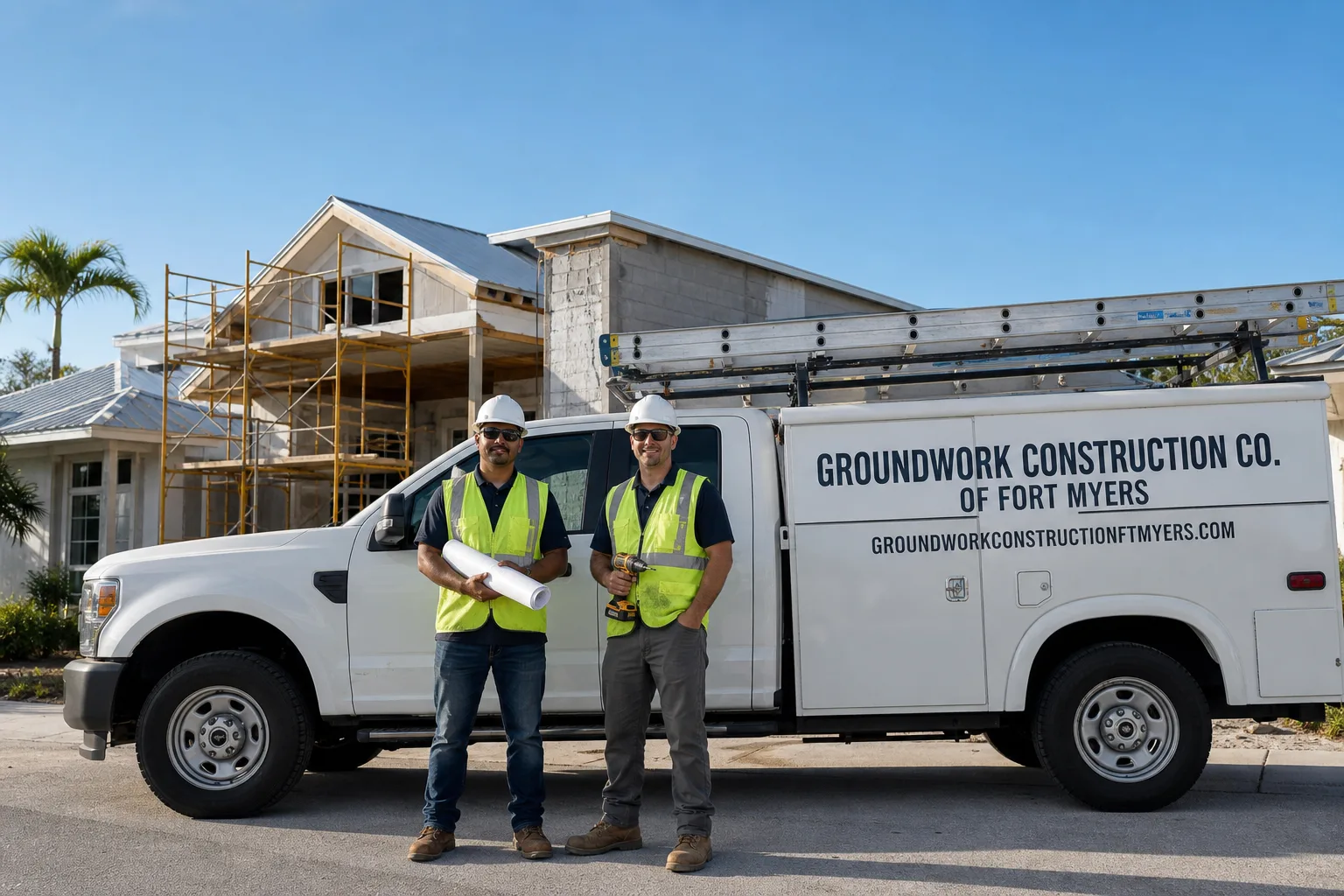
Aluminum Fence in Plantation, FL - what the job actually costs and how it comes together
A new aluminum fence in Plantation runs $3,500 to $9,000 for a typical residential yard, with most projects wrapping in three to five working days on site. That range covers powder-coated panels, posts set in concrete, and a single walk gate - larger properties, steep grades, or custom-height sections push it toward the upper end. Call (844) 638-7249 for a free on-site estimate with a written line-item quote, zero guessing and no change-order surprises.
We install aluminum fencing because Plantation homeowners keep choosing it over wrought iron for the same reasons we keep recommending it: it won’t rust in South Florida humidity, it’s roughly a third the weight so post footings stay healthier in our limestone shelf soil, and the factory powder coat holds color through years of UV exposure that would cook paint off steel. It’s also the fence material most likely to pass a Broward County wind-load review without engineering pushback - something that matters more than people expect when HOA architectural committees want submittals reviewed before the permit even hits the city.
How an aluminum fence comes together in Plantation
Day 1 - layout and utility locates. Before anything goes in the ground, we walk the property line with you and physically mark every post location. Florida law requires Sunshine 811 to clear underground utilities, and in Plantation we’re typically digging through a few inches of sandy topsoil before hitting caprock limestone - so we’re also checking for irrigation lines that 811 won’t flag. If your property sits in a neighborhood like Plantation Acres or along a canal lot, we’re particularly careful about easement setbacks because the city’s plat maps for the 1960s-era subdivisions often show different boundary offsets than what fences were actually built to over the decades. This stage takes about two hours, and it’s where you decide exactly where gates swing and how wide they open.
Day 2 - post holes and concrete. We dig to a minimum 24-inch depth for standard-height panels, deeper if the fence exceeds six feet or if we’re within Broward County’s wind-uplift scrutiny zone. In Plantation’s CBS-heavy subdivisions - much of the housing stock west of University Drive was built between 1965 and 1982 - we regularly hit limestone at 18 to 22 inches, which is actually good news because it gives the footing a solid bearing surface. Our crews mix Quikrete or Sakrete fast-setting concrete on site and set every post plumb before the pour cures. Posts alone are a full day; rushing this step is how fences go out of square, and South Florida’s wet-dry seasonal cycles will punish any post that wasn’t set right from the start.
Day 3 - panel and gate assembly. Panels bolt to posts with concealed fasteners - no visible screws on the face - and gates get hung and adjusted so the latch engages clean without dragging. This is the day where workmanship shows: a gate that swings smooth now but drags in August has a post that’s already leaning, and the fix means digging it out. We level-check everything with a laser before calling it done. Homeowners often pair this with a Driveway Repair & Replacement in Plantation project if the old concrete apron has settled and created a grade mismatch at the fence line - we can coordinate both so the gate still clears after the slab gets re-poured.
Day 4 - infill, touch-up, and inspection prep. Any scratch from handling gets a matching touch-up coat from the manufacturer’s kit. We walk the whole line with you to confirm gate swing, latch tension, and post alignment before calling for the final building inspection if the city required a permit. Broward County’s building department serves Plantation, and their inspectors are methodical - they’ll check post embedment, gate hardware, and whether the fence meets the wind-exposure category assigned to your property on the FBC wind map.
Follow-through. Your estimate includes a written spec sheet with the panel model, coating warranty terms, and post spacing. Nothing verbal-only. If a gate settles slightly in the first few months as the concrete fully cures through a South Florida wet season, we’re back to adjust it - our 730-Day Done Right Promise covers it, no argument and no invoice.
What you choose - aluminum fence options that actually matter
- Residential-grade vs. commercial-grade panels. Residential panels use lighter-wall extrusions and are priced at the lower end of that $3,500-$6,500 band for a standard lot. Commercial-grade panels have thicker rail and picket wall sections, stiffer posts, and tighter weld points at the picket-to-rail junctions - they feel noticeably more solid when you grab the top rail and shake it. The cost step is real, usually adding $8-$12 per linear foot, but on a busy corner lot or anywhere kids or dogs will test the fence daily, commercial grade is the better long-money choice.
- Powder-coat finish and color. Black and bronze are the two colors that hold resale value in Plantation neighborhoods. We’ve installed white on request, but it shows mildew staining faster in our humidity and needs more frequent cleaning. The powder-coat chemistry matters more than the color - AAMA 2604-rated coatings go five to seven years before any visible fade under Florida sun, while AAMA 2605-rated architectural coatings can hold color for a decade-plus. Not every manufacturer offers both grades.
- Height and picket spacing. Most Plantation HOAs cap fence height at four to six feet depending on whether the fence faces the street, a side yard, or a rear property line. Four-foot panels with wide picket spacing give you pool-code-compliant sightlines; six-foot panels with tight spacing give you privacy without the wind load of a solid privacy fence - a real advantage in a hurricane zone.
- Gate count and hardware grade. Every additional walk gate or double-drive gate adds $400-$900 to the job depending on width and hardware spec. Spring-loaded self-closing hinges and keyed latches are code-required for pool enclosures under Florida’s residential pool barrier law, and we spec them as standard on any aluminum fence that forms part of a pool safety barrier in Patios, Walkways & Pool Decks in Plantation.
What Aluminum Fence costs in Plantation
We already gave you the range: $3,500-$9,000 for a standard residential aluminum fence project. Here’s what pushes a job toward one end or the other.
Linear footage is the biggest lever. A 100-linear-foot courtyard fence lands near $3,500-$4,800. A full perimeter enclosure on a half-acre lot with 250-plus linear feet and three gates can easily reach $8,000-$9,000. Post spacing, gate count, and panel height multiply the material cost before labor even enters the equation.
Grade changes. Plantation is flat, but not perfectly flat - many yards have subtle swales cut for drainage, and a fence line that crosses a swale needs stepped panels or rackable sections that follow the contour. Rackable aluminum systems add $5-$8 per linear foot in material cost and roughly 15% more labor time to keep the top rail visually level.
Existing fence demolition. If we’re pulling out an old chain-link or rusted steel fence before the new aluminum goes in, expect that to add $400-$900 depending on how much linear footage and whether the old posts were set in concrete footings. We include the cost of haul-away in the written estimate, never as a surprise line item.
Permit scope. A simple fence replacement with no height increase rarely triggers a full plan review in Broward County, but if you’re putting aluminum fence where no fence existed before - or if your HOA requires stamped submittals for the architectural review - the permit cost and engineering letter add $200-$500 to the total. We handle the submittal from our end so the homeowner isn’t chasing paperwork.
Every estimate from Groundwork Construction Co. is a written line-item quote. The number you see is the number you pay - our upfront pricing policy means no change orders because we measured wrong or forgot a gate. 0% financing for 18 months is available on projects that qualify, and there’s $1,000 off projects over $10,000 for full-yard scopes that bundle fence with hardscape work.
Why Plantation homes make aluminum fence the smarter choice
Plantation’s building stock - overwhelmingly CBS ranch homes and two-story tract builds from the late 1950s through the mid-1980s - was built before Hurricane Andrew forced Florida to get serious about wind loads. That means the fence you install today on a 1972-built home off Broward Boulevard has to meet a modern wind-exposure rating that the original chain-link or wrought-iron fence never had to. Our Fence Installation in Plantation work routinely goes through Broward County plan review rather than Miami-Dade’s stricter HVHZ process, which means fewer engineering overrides and faster turnaround on permit approvals. For aluminum fence specifically, that middle-ground inspection threshold works in your favor - the material’s light weight reduces the uplift calculation, and the open-picket design lets wind pass through instead of creating a sail.
HOA architectural review is the other Plantation-specific variable. Because the city developed as a master-planned community in deliberate phases - entire neighborhoods like Lauderdale West and the subdivisions east of Pine Island Road share the same developer, the same plat notes, and the same architectural committee standards - the fence style, color, and height that one neighbor got approved is often the fastest path to approval for the next. We’ve done enough aluminum fence work across Plantation’s planned subdivisions to know what the committees typically flag (non-standard colors, driveway gates that swing outward, fence heights that break the sight-triangle rule at corner lots) and we address them in the submittal package before the review board asks.
The limestone shelf under Plantation also changes how we set posts. In neighborhoods near the Plantation Preserve Golf Course or along the canals feeding into the New River system, the water table sits high enough that post holes will seep groundwater during the rainy season. We up-size the concrete footing slightly in those zones - wider, not deeper, since hitting water at 24 inches is common - to keep the post from drifting as the soil expands and contracts. It’s a small adjustment that an out-of-area crew might not think to make, and it’s the difference between a gate that still latches clean three wet seasons later and one that doesn’t.
Serving Plantation, FL - Our Local Coverage Area
We’re based in the Plantation area and know this community well. Use the map below to see our service coverage - if you’re nearby, we can almost certainly help.
Frequently asked - Aluminum Fence in Plantation
Three to five working days on site for a typical single-family residential yard, with concrete cure time factored in. The timeline stretches if we’re demo-ing an old fence first, if your property has more than two gates, or if the HOA architectural review cycle runs longer than two weeks before the permit can be pulled. Broward County inspection scheduling can add a few days during hurricane season when field inspectors are backlogged - we build that buffer into the project calendar so you’re not surprised.
Replacing an existing fence like-for-like - same location, same height, same footprint - generally doesn’t require a permit in Broward County’s jurisdiction. A new fence where none existed before, any fence over six feet, or any fence forming part of a pool safety barrier does require a permit. Your HOA may also require its own approval independent of the city. We handle the determination during the estimate and manage the submittal ourselves - call (844) 638-7249 and we’ll tell you what applies to your property specifically.
Most of Plantation’s planned-subdivision HOAs approve aluminum fencing without issue, especially in black or bronze powder coat at four to six feet. The most common rejections we see are for driveway gates that swing outward across the sidewalk easement, fence heights that break the corner-lot sight triangle, and colors that differ from what neighboring properties already have on file. We include the spec sheet, color swatch, and elevation drawing in the architectural review package so the committee has everything it needs on the first pass.
It holds up better than wood, vinyl, or solid-panel fencing because the open-picket design lets wind pass through instead of catching it. Aluminum is also naturally corrosion-resistant, so it won’t rust out at the post bases from standing water or sprinkler overspray the way steel fencing does in South Florida’s humidity. The critical variable is post embedment depth - 24 inches minimum, set in concrete - and using posts with a wall thickness rated for your property’s FBC wind-exposure category. Skip on either and the fence will lean or pull out in sustained tropical-storm winds.
A standard residential aluminum fence project in Plantation runs $3,500 to $9,000. A small courtyard enclosure with one gate and under 120 linear feet sits near the lower end. A full perimeter fence on a quarter-acre or larger lot with multiple gates, rackable panels for drainage swales, and demolition of an old fence pushes toward $8,000-$9,000. Your estimate is a written line-item quote - the price we give you is the price you pay. Call (844) 638-7249 to schedule a free on-site estimate, and we’ll measure, walk the property line with you, and hand you a number that same day.
Get a free on-site estimate for aluminum fence in Plantation
We’ll come out, measure the actual linear footage, flag any HOA or permit requirements that apply to your specific property, and hand you a written line-item quote before we leave - no rough ballparks and no change orders later. Our fence installation crew is background-checked, uniformed, and backed by the 730-Day Done Right Promise. Call (844) 638-7249 - a live person answers, 24/7, and we’ll get your estimate on the calendar.
Written by Derek Hollenbeck, Owner at Groundwork Construction Co., serving Plantation with straight answers and transparent pricing since 2014.