
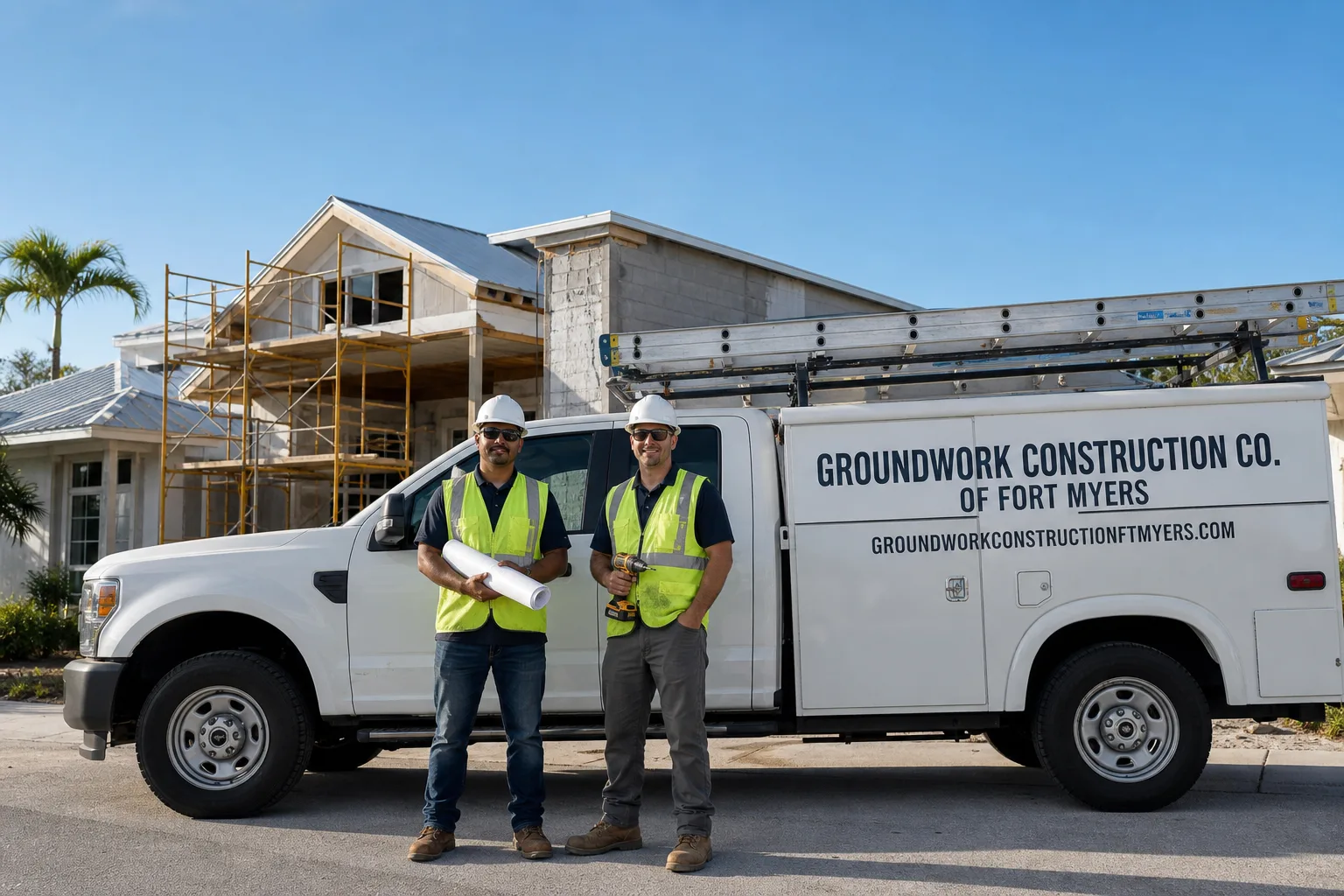
What a New Asphalt Driveway or Resurface Job Looks Like in Gateway
An asphalt driveway installation in Gateway runs $3,500 to $9,000, and resurfacing an existing driveway typically falls between $1,800 and $5,000. Most jobs finish in three to five days when the weather cooperates, with a full cure taking 48 to 72 hours before you can park on it. Call (844) 638-7249 for a detailed, upfront quote on your specific property. The process is straightforward, but Gateway’s HOA and Community Development District rules add a layer most paving crews never think about until it causes a delay.
How We Pave or Resurface an Asphalt Driveway in Five Stages
Stage one is demolition and base assessment, roughly four to six hours on day one. For a new pour, the old surface comes out down to the subgrade. For a resurface, we grind the top layer to create a clean bonding surface and expose any soft spots hiding underneath. You make no decisions here beyond what we already agreed on in the estimate, but this is where we confirm the base is solid enough to hold the new asphalt. If we find saturated soil or crumbling aggregate base that the original builder skimped on, we flag it before any fresh material goes down.
Stage two is base repair and grading, which takes most of day one and spills into day two if the base needs significant rework. In Gateway, we routinely find that compacted limerock bases from the 1990s and early 2000s have settled unevenly near planter beds or irrigation lines. We cut out the failed sections, bring in fresh aggregate base, and compact it in lifts. Grading happens here too: we set the slope at a quarter-inch per foot minimum away from the home’s foundation and toward the street or a drainage swale. This is the single biggest factor in whether the driveway cracks in year two or year twenty.
Stage three is the binder course, day two for most residential driveways. The binder is a coarser asphalt mix that carries the structural load. It goes down at two to three inches and gets compacted while still hot. You do not see the final color or texture yet, but the shape is set. If the driveway abuts a sidewalk or a paver walkway, we form clean edges here so the finish course ties in flush. Any tie-ins to existing hardscape get attention now, not later.
Stage four is the surface course, same day right after the binder, adding another one to one-and-a-half inches. This is the smooth, dark black layer you actually see. Our crew works in sections, raking and rolling while the mix is above 225 degrees so it compacts properly. If you chose a specific aggregate blend for better skid resistance or a lighter color to reduce heat, it goes into this mix. We hand-tamp edges along the garage slab and any curved borders; a plate compactor cannot match a hand tamper for clean perimeter lines.
Stage five is cure time and final walkthrough. We tell every Gateway homeowner the same thing: stay off the new asphalt for a full 48 hours minimum, 72 if the daytime temperature stays above 90. Tire scuffing on uncured asphalt creates permanent depressions that resurfacing alone cannot fix. Once it’s cured, we walk the driveway with you, confirm the edges and slope drain correctly, and hand you a written care guide. Sealing does not happen right away. A fresh driveway needs four to six months of curing before its first sealcoat application.
The Options You’ll Choose Between
Not all asphalt is the same mix. You pick a surface course grade, a thickness, and a finishing detail. Here are the real trade-offs we walk customers through in Gateway:
- Standard hot-mix asphalt versus polymer-modified asphalt. Standard mix is what most driveways in Gateway’s subdivisions got from the builder. It works, it costs less, and it holds up for 12 to 18 years with regular sealing. Polymer-modified asphalt adds elastomeric binders that make the pavement more flexible and less prone to cracking as the ground shifts through wet and dry seasons. It costs about 20 to 30 percent more per square foot, but it buys you an extra five to eight years before resurfacing. For homes on the eastern side of Gateway where soil retains more moisture, the polymer upgrade often pays for itself by reducing edge cracking.
- Two inches versus three inches of total asphalt depth. A light-use residential driveway with two compacted inches (one inch binder, one inch surface) handles passenger vehicles without trouble. If you park an RV, a boat trailer, or a heavy pickup, three inches is not an upgrade, it is the minimum we recommend. The difference adds roughly $1 to $2 per square foot, and it prevents the rutting we have repaired on several shorter driveways along Gateway Boulevard where owners park larger vehicles regularly.
- Straight curb edge versus rolled or beveled edge. A straight vertical edge looks clean but is more fragile along lawn borders where mowers and string trimmers hit it. A rolled or beveled edge tapers the asphalt down to the grade, making it less prone to chipping. It costs a bit more in labor, but if your existing driveway edge is crumbling, this is the detail that keeps it from happening again.
- Color and aggregate finish options. Standard black asphalt absorbs Florida sun and reaches surface temperatures above 140 degrees in July. We can specify a lighter aggregate blend or a surface treatment that reflects more heat, dropping the temperature by 15 to 25 degrees. This matters if you walk barefoot on the driveway or have pets. It does not affect strength; it is purely a comfort and aesthetics choice.
What Asphalt Driveway Paving and Resurfacing Costs in Gateway, FL
A full new asphalt driveway in Gateway ranges from $3,500 to $9,000, with the typical 400-to-600-square-foot two-car driveway landing between $4,200 and $6,800. Resurfacing an existing driveway, which involves grinding the top layer and applying a new surface course, runs $1,800 to $5,000 depending on condition and square footage.
Five variables push your number toward the low or high end. Square footage is the biggest driver; a three-car driveway or a home with an extended apron adds hundreds of square feet. Base repair is second: if years of standing water have rotted the subgrade, the demo stage uncovers a problem the original quote cannot see. Third is polymer modification, which lifts material cost by 20 to 30 percent. Fourth is access. Tight lots where our paver and roller cannot reach cleanly add labor hours for handwork. Fifth is the HOA and CDD approval timeline: if the architectural review committee requires additional submittals or design revisions before we start, the delay does not change the price, but it can compress the schedule and affect material ordering windows.
Every estimate we write in Gateway is a line-item document. You see the square footage, the asphalt mix grade, the base-prep scope, and the edge detail broken out. No change orders appear unless we uncover base failure that we cannot see before the old surface comes off, and we price that scenario ahead of time so you know the worst-case number before the first shovel hits the ground. Estimates are free; call (844) 638-7249 to schedule one.
What Gateway Homes Specifically Do to This Job
Gateway is a Community Development District, which means you cannot pave a new driveway or resurface an existing one without the architectural review committee signing off. That review happens before Lee County sees a permit application, and contractors who do not know the CDD workflow burn weeks fixing paperwork. We start with the ARC submittal: material specs, color, edge treatment, and drainage plan. Once the committee stamps it, we pull the county permit, which typically turns around in five to seven business days for a simple surface replacement. Homes in the Stoneybrook and Daniels Preserve sections, built in the early 2000s, often sit on slightly elevated pads with longer driveway runs that cross drainage easements. Those easements trigger an additional county review that a standard flat-lot driveway does not, and we factor that into the timeline from day one.
The climate here also dictates asphalt timing. Lee County’s summer rain pattern means we schedule pours for early morning before the afternoon thunderstorms roll in, because hot-mix asphalt cannot be compacted properly on a wet base. Hurricane Ian’s 2022 wind damage also left a lot of Gateway properties with subsurface root disturbance from toppled trees, which means the base under an older driveway is sometimes more compromised than it looks from above. We probe for that during the estimate. A full Driveway & Pavers in Gateway project that includes a new asphalt driveway often ties into existing paver walkways or a screened lanai base, and we coordinate both scopes so the transitions drain right.
Serving Gateway, FL - Our Local Coverage Area
We’re based in the Gateway area and know this community well. Use the map below to see our service coverage - if you’re nearby, we can almost certainly help.
Frequently Asked Questions About Asphalt Driveways and Resurfacing in Gateway
A properly installed asphalt driveway with a sound base, compacted in lifts, and sealcoated every two to three years lasts 15 to 20 years on most Gateway lots. Homes with heavier tree canopy or standing-water issues near planter beds may see edge cracking sooner, which resurfacing can address around the 12-year mark.
Yes. Resurfacing does not replace the driveway footprint, so it is less involved than a new pour, but Lee County still requires a permit, and Gateway’s architectural review committee wants to see the material spec and any changes to the edge profile before they approve the work. We handle both submittals as part of the job.
Resurfacing replaces the top one to one-and-a-half inches of asphalt. It corrects surface cracking, minor alligator cracking, fading, and shallow depressions. It does not fix a failing base, large potholes that go through the binder into the subgrade, or drainage problems that pond water against the foundation. If the base is shot, a full replacement of the affected section is the only fix that holds up, and we will show you why during the estimate.
We recommend 48 hours minimum, 72 hours if the daytime temperature stays above 90 degrees. Parking sooner leaves depressions that do not heal. In Gateway’s summer heat, the surface stays soft longer, so the extra day is worth it. If you need to move vehicles, we will coordinate the pour schedule so you are never blocked in.
Gateway’s architectural guidelines typically require a consistent color and edge treatment with neighboring homes, and most sections do not permit exposed aggregate or striated finishes that deviate from the original builder spec. We pull the specific ARC requirements for your section before we write the estimate, so there are no surprises after the material order is placed. Homeowners who are also planning a detached addition sometimes pair the driveway work with a New Detached ADU in Gateway, and we coordinate both submissions through the ARC at the same time to avoid back-to-back review cycles. If you are converting existing interior space instead, a Junior ADU & Interior Conversion in Gateway often does not expand the driveway footprint, so the driveway scope stays simpler and the ARC review moves faster.
Get a Line-Item Price on Your Gateway Asphalt Driveway
You will get a written estimate that breaks down square footage, material grade, base-prep scope, and edge detail, with no hidden change orders. Our driveway & pavers crew knows the CDD and HOA process in Gateway well enough to file the paperwork for you, so you do not chase approvals. Every job is backed by our 730-Day Done Right Promise: if it is not correct, we fix it. Call (844) 638-7249 to schedule a free on-site estimate. A live person answers, day or night.
Written by Derek Hollenbeck, Owner at Groundwork Construction Co., serving Florida homeowners with transparent pricing and workmanship that stays backed in writing long after the job is done.