
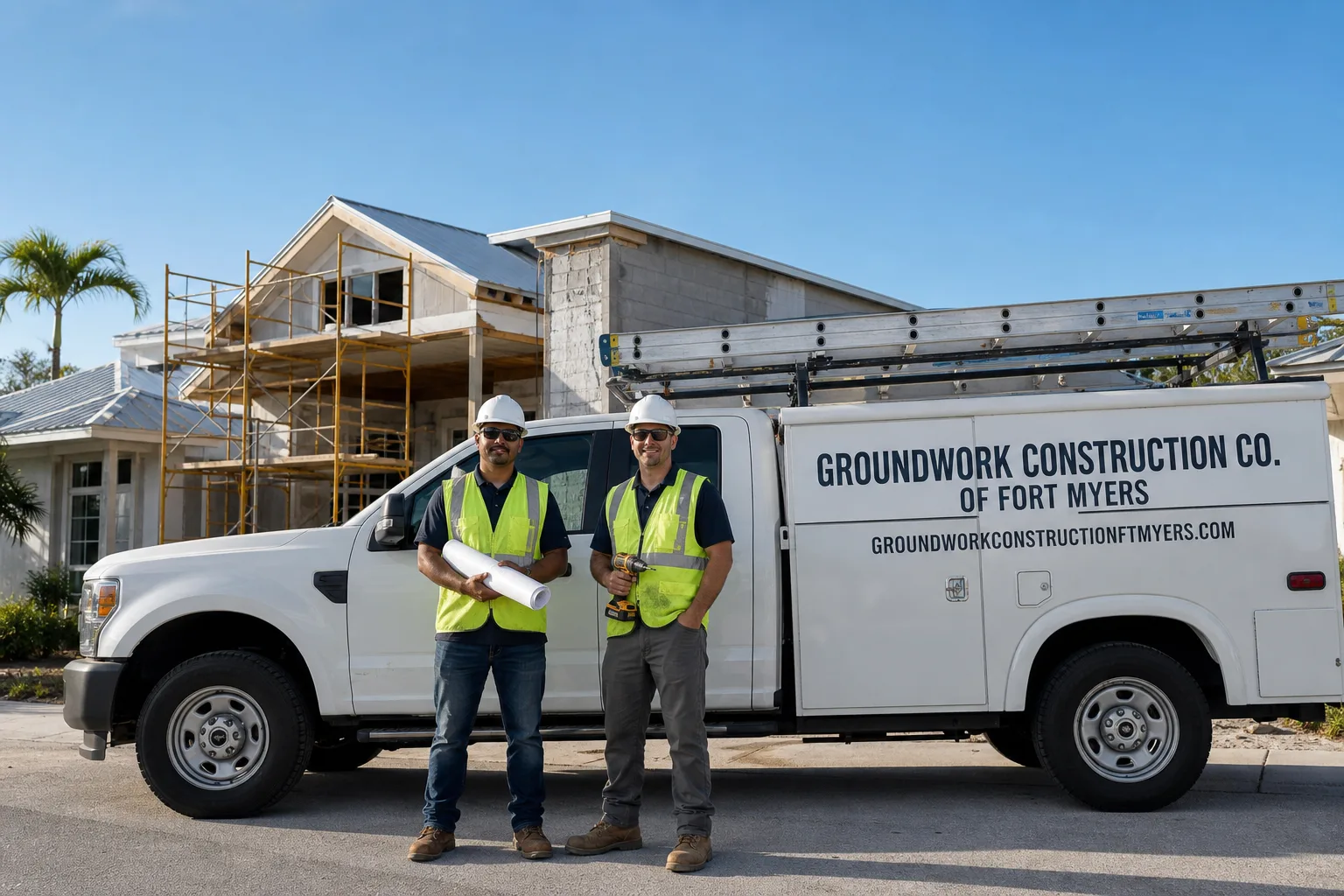
What asphalt driveway paving and resurfacing costs in Port Charlotte and how long it typically takes
New asphalt driveway paving in Port Charlotte runs $3,500 to $9,000 for a typical single-family home, and asphalt resurfacing (an overlay on an existing driveway) falls between $2,200 and $5,500. Most jobs take four to six days from tear-out through final cure, weather permitting. That covers a standard two-car-width drive, and the range moves primarily with square footage, existing base condition, and whether we’re pouring new or resurfacing. Call us at (844) 638-7249 for a detailed, line-item estimate at your home - we’ll have a real person on the line when you do.
Port Charlotte homeowners choosing asphalt are usually weighing it against concrete or pavers, but asphalt brings a specific set of advantages here: it handles our intense sun and heavy summer rain cycles better than many people expect, and it costs considerably less upfront than a paver driveway in Port Charlotte. That said, it’s the details of how the base gets prepped and how the asphalt mix gets laid that determine whether the driveway still looks tight five years from now or starts alligatoring after the first hurricane season. That’s what we’ll walk you through here.
How we handle asphalt driveway paving and resurfacing, stage by stage
Every driveway job we do in Port Charlotte follows the same real sequence. The homeowner decisions happen at predictable points, and we’re transparent about what’s happening underfoot so there aren’t mid-project surprises.
1. Site evaluation and grading check (day one, 1-2 hours)
Before any asphalt hits the ground, our crew evaluates the existing base - whether it’s the sandy native soil common across Port Charlotte’s GDC-era platted subdivisions or the remnants of an old cracked driveway we’re resurfacing. We check grade and drainage slope with a laser level. On resurfacing jobs, we’re looking for base failure: alligator cracking, low spots that pool water, or edges crumbling into the swale. If the base is shot, resurfacing won’t fix it, and we’ll recommend a full tear-out. This is the moment where the scope firms up and we give you the final price before any machine starts.
2. Demolition, grading, and base prep (days one to two)
For new asphalt paving, existing concrete or old asphalt comes out and the subgrade gets cut to the proper depth - typically 8 to 10 inches below finished grade in Port Charlotte, accounting for our sandy-loam soil that compacts differently than the denser clay soils up north. We bring in crushed limestone aggregate (a standard Oldcastle base material we use regularly) and compact it in lifts with a vibratory roller. This crushed base is the structural spine of the driveway - what keeps it from sinking, shifting, or cracking over our wet summers and dry winters. On a resurface, the existing surface gets cleaned, any failed sections cut out and patched at the base layer, and a tack coat applied so the new asphalt bonds properly to the old.
3. Forming and edge restraint (day three)
Forms go up along the driveway perimeter, establishing the final elevation and edge line. In Port Charlotte, edge restraint matters more than people realize: without a solid edge, the asphalt’s shoulders erode over time from the heavy afternoon thunderstorms that sheet water across driveways. We set forms with a slight crown - roughly a quarter-inch per foot of slope from centerline to edge - so water sheets off rather than pooling. This is also when we confirm the apron tie-in with any existing sidewalk or street curb, which in Charlotte County subdivisions often means coordinating the slope with a county-maintained swale.
4. Asphalt placement and compaction (one day, typically day four)
The hot mix arrives from the plant and goes down in a single course for most residential driveways, laid at roughly 2 to 3 inches compacted thickness for resurfacing or 3 to 4 inches for a full new pour. Temperature matters enormously here - asphalt delivered below 275°F won’t compact properly, so we track the mix temp on every truckload. Our crew rakes and levels behind the paver, then compacts with a steel-drum vibratory roller followed by a finish roller for a tight, closed surface. The edges get hand-tamped. Within two hours, the driveway is walkable. We don’t allow vehicle traffic for at least 48 hours, and we give the full cure window in writing.
5. Cure, seal, and final walkthrough (days five to six, plus cure)
Fresh asphalt needs cure time - typically 6 to 12 months - before a first sealcoat. That’s just the chemistry of the binder curing through oxidation. We’ll schedule a reminder with you, because in this climate, sealcoating every two to three years is what keeps the surface from drying out and cracking under UV exposure. On the final day, we walk the driveway with you: edges are checked, drainage verified, apron alignment confirmed. Any touch-up gets noted and addressed that afternoon. Then the job’s done and the driveway is yours.
The asphalt choices you’ll actually decide between
You’re not choosing between 50 SKUs here - a residential asphalt driveway comes down to a few real decisions. Here are the ones that matter and what they mean for the finished job:
- Surface course mix grade. Standard residential hot mix asphalt uses a finer aggregate top course (typically 9.5mm nominal aggregate size) that gives a smoother finish. For a heavier-use driveway or one that’ll see an RV or boat trailer, a slightly coarser 12.5mm mix can take more load. We’ll match the spec to your use.
- Full-depth new pour vs. resurface overlay. If the existing base is sound, an overlay saves real money - usually 35% to 50% less than a full tear-out and repave. But if the base has failed, the overlay will crack within a year. We cut test sections before recommending either path, so you’re not gambling.
- Crown profile: centerline vs. single-slope. Most Port Charlotte driveways work best with a centerline crown shedding water to both sides. On drives that abut a house on one edge, a single-slope profile directs all water to the yard side. The choice depends on your lot’s existing grading, and we’ll laser it during the site eval.
- Sealcoat schedule. Some homeowners want us to handle the first sealcoat at the one-year mark; others prefer to DIY. We’ll quote it either way, using a Sakrete or Quikrete commercial-grade sealer that’s formulated for Florida’s UV index and heat.
What asphalt driveway paving and resurfacing costs in Port Charlotte, FL
A new asphalt driveway in Port Charlotte runs $3,500 to $9,000, and a resurface overlay runs $2,200 to $5,500. Those are installed prices including demo, base prep, asphalt placement, compaction, edge detailing, and cleanup - for a typical residential two-car driveway in Charlotte County. Here’s what moves a job toward the high or low end:
- Square footage. The single biggest variable. A compact single-car drive might be 400 square feet; a wide double with an approach apron can push 1,200-plus. Asphalt gets priced by the square foot installed, so the spread is straightforward.
- Base condition (full-depth vs. overlay). A sound base saves you the cost of full demo and new aggregate - the $1,300 to $3,500 difference between resurfacing and new paving. But an unknown or failing base makes a full-depth job the only honest option.
- Access and equipment clearance. Tight lots, canal-front homes with limited staging, or long shared driveways that require a smaller paver all add labor time and equipment cost. Port Charlotte’s canal subdivisions often mean narrow side yards and limited equipment access.
- Tie-in and apron complexity. If the driveway apron meets a county-maintained road, Charlotte County may require a specific apron profile and a right-of-way permit. That adds a permit fee and, in some cases, an engineered detail for the apron transition - typically $200 to $600 in extra cost depending on the road classification.
- Drainage modifications. If the existing grade doesn’t sheet water toward the swale and we need to regrade or add a shallow trench drain, expect incremental cost for materials and labor.
Every estimate we write in Port Charlotte is line-itemed so you see exactly where the dollars go: base prep, asphalt material and placement, edge forming, cleanup, and any permit fees. There’s no change-order padding built into our process. The number you see is the number you pay, and it’s backed by our 730-Day Done Right Promise - if something isn’t right, we make it right.
What Port Charlotte homes specifically mean for asphalt driveway work
The housing stock here - largely 1960s through 1980s concrete block homes from the General Development Corporation era that fill neighborhoods from Section 15 down past El Jobean - brings a distinct set of conditions to every driveway job. Many of these homes were built with thin, unreinforced concrete driveways that have spent 40 to 50 years absorbing Charlotte County’s wet-dry seasonal cycling. We regularly find base washout beneath the slab edges where decades of stormwater sheeted off the roof and undermined the soil, leaving a visible void and a sinking approach apron. In the canal-front sections around the Manchester and Quesada waterway arms, we see more saturated subgrades that need extra compaction time and sometimes a thicker aggregate lift to stabilize before asphalt goes down.
Hurricane Ian in 2022 took out a lot of driveway aprons - not from direct wind, but from the sheer weight and debris load of floodwater moving across paved surfaces. On resurface jobs in those neighborhoods, we’re still finding base erosion hidden beneath what looks like a stable top. That’s why our evaluation stage includes a probe check on any driveway that sat under water for more than a few hours. Charlotte County permitting also means the driveway apron within the county right-of-way (typically the last 10 to 15 feet nearest the street) requires a separate right-of-way permit when the apron profile changes - it’s not a heavy lift, but it’s a line item we won’t skip. If your Port Charlotte home sits in an HOA community, we coordinate the finish spec with the ARC requirements so the color and edge treatment comply without slowing the job down.
For homeowners who are thinking about the bigger picture of the property - say, adding an new detached ADU in Port Charlotte that changes how the driveway is used, or converting garage space with a junior ADU interior conversion in Port Charlotte - we’ll make sure the driveway layout and load rating are future-proofed now so you’re not redoing pavement later. That kind of long-view planning is just how our whole driveway & pavers crew thinks about a project - not just the pour, but how the driveway lives with the rest of the property over the next 20 years.
Serving Port Charlotte, FL - Our Local Coverage Area
We’re based in the Port Charlotte area and know this community well. Use the map below to see our service coverage - if you’re nearby, we can almost certainly help.
Frequently asked - asphalt driveway paving and resurfacing in Port Charlotte
A properly installed asphalt driveway with a well-compacted base and a regular sealcoat schedule (every two to three years) will last 20 to 25 years in southwest Florida. The main threats here are UV oxidation breaking down the binder, standing water from our heavy summer rains softening the surface over time, and base erosion if the edges aren’t maintained. A driveway that never gets sealed might start showing surface cracks and aggregate raveling in 10 to 12 years. We’ll give you a sealcoat schedule in writing so you hit the right intervals.
Within the unincorporated county and inside Port Charlotte’s city boundaries, a new full-depth asphalt driveway that connects to a county or city right-of-way requires a right-of-way permit for the apron section. A resurface that doesn’t change the apron profile usually does not trigger a permit, but we always check with Charlotte County’s permitting office for the specific address before we start. If the property is in an HOA, the association may also require architectural review - we’ll help get the submittal materials together.
If the existing base is structurally sound - no alligator cracking, no sinking, no standing water - a 2- to 3-inch asphalt overlay bonds effectively to the old surface and gives you a brand-new driving surface for roughly half the cost of a full replacement. If the base has failed, resurfacing just buries the problem, and it comes back as cracks within the first year. We open a test cut during the evaluation to check, so you never pay for an overlay on a bad base.
Asphalt resurfacing in Port Charlotte typically runs $2,200 to $5,500, installed. The spread comes down to square footage, how much edge patching the old driveway needs before the overlay, and whether the apron within the right-of-way has to be adjusted for current county grade requirements. For an exact number on your property, call (844) 638-7249 - our estimates are free and come with a written, line-item scope so you can compare against any other quote.
Foot traffic is fine within two to three hours. We ask that you keep vehicles off for at least 48 hours, and during the hottest summer months when asphalt stays softer longer, we recommend 72 hours before parking on it. We give you a clear cure schedule in writing for your specific pour date and temperature conditions.
Get a free, line-itemed estimate for asphalt driveway work in Port Charlotte
If you’re planning new asphalt paving or a resurface in Port Charlotte, the next step is a site visit - no cost, no obligation. We’ll laser-grade the existing surface, check base condition, and hand you a written estimate that breaks down every dollar so you’re never guessing what you’re paying for. Call (844) 638-7249 to schedule. You’ll reach a live person when you call, not a voicemail system, and we’ll have a uniformed, background-checked technician at your property at the time we agree on. From first call to final walkthrough, our work is covered by the 730-Day Done Right Promise, so if it’s not done right, we make it right. That’s the standard for every asphalt driveway we do across Port Charlotte.
Written by Derek Hollenbeck, Owner at Groundwork Construction Co., serving Port Charlotte since 2014.