
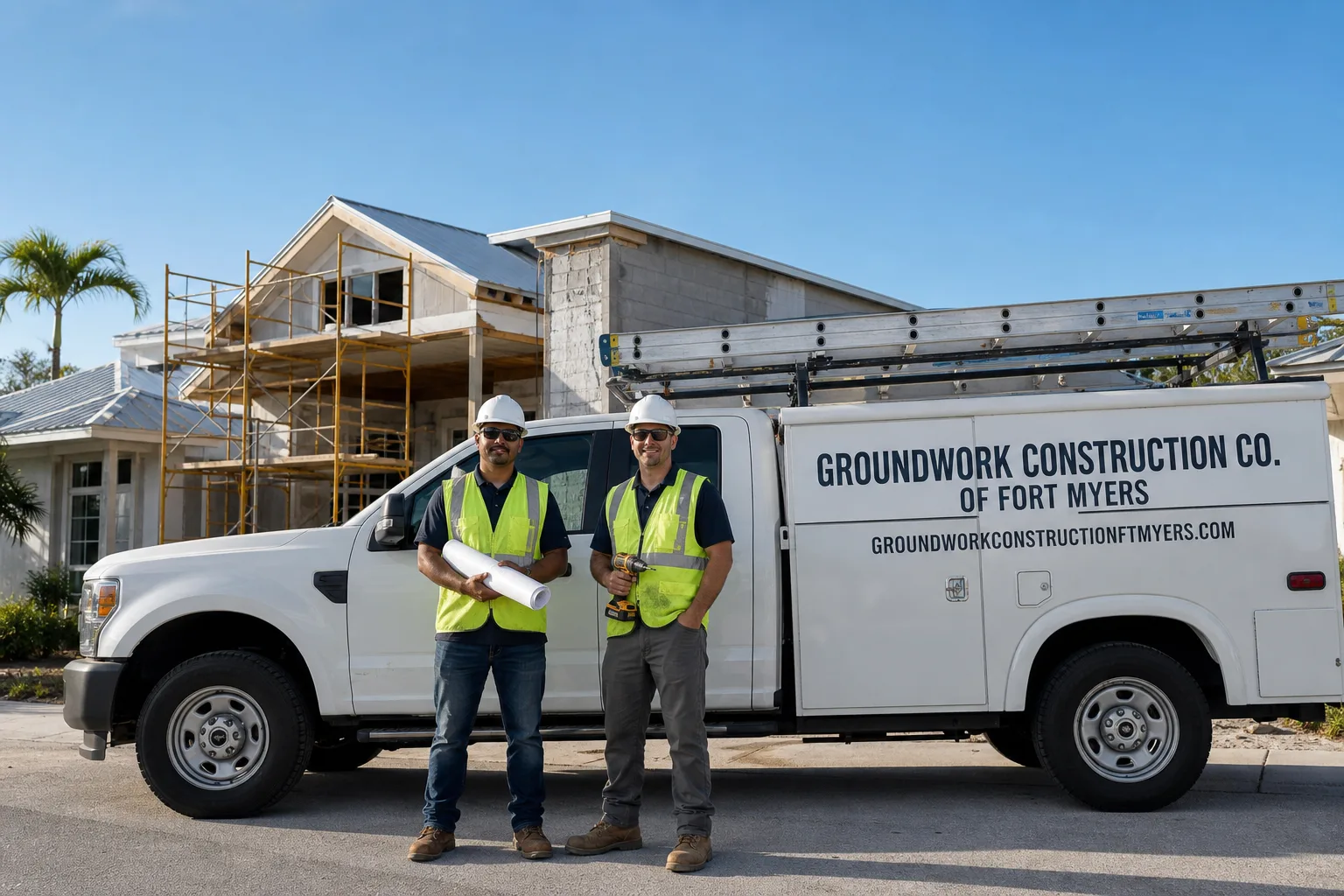
Emergency and Storm Damage Work in Orangetree - What It Really Takes
Emergency and storm damage repair in Orangetree typically runs $400 to $25,000 or more, depending on whether you’re patching a few shingles after a squall or rebuilding trusses after a hurricane. Most insurance-backed jobs move from tarp to final inspection in 2 to 6 weeks once we have the adjuster’s scope approved. Call us at (844) 638-7249 the moment you see water inside or daylight through the roof - we have a live person answering, 24/7, and we’ll get a crew on-site fast to stop the bleeding.
How We Move From Emergency Call to Finished Repair
The first 24 hours are purely defensive. When you call us from Orangetree, we dispatch a background-checked technician in a marked truck. Their job is to stop active water intrusion: heavy-gauge tarps over the damaged area, temporary shoring if wind has lifted decking, and a thorough photo documentation of every damaged surface and component. This saves you hours of back-and-forth with your carrier later.
Day two through five, the claims phase kicks in. We walk your adjuster through the damage using the photos and measurements we already took. In eastern Collier County, where wind-driven rain can get behind flashing and into wall cavities, the initial visible damage is often just the start. Our crew is trained to find the secondary damage: wet insulation, swollen OSB, rusting fastener heads. We flag all of it in the scope-of-loss report so nothing gets missed.
Week one to two is the permitting window. For storm repairs in Orangetree, the scope triggers different pathways at Collier County Building Review. A straightforward shingle or underlayment replacement on a post-Andrew structure usually sails through with a roofing affidavit. If the damage extends to sheathing or truss ends - common on the older CBS homes built before the 2002 Florida Building Code - we pull a full structural repair permit. We handle every submittal, including the wind-load calcs and product approvals the county wants to see.
Weeks two through four are the rebuild. We stage materials off-site to avoid clogging your swale or driveway in these tight Orangetree lots. Our crews replace damaged sheathing with Exposure 1-rated plywood or ZIP System panels, lay synthetic underlayment, and install the roofing material matched to your existing system or upgraded to a higher wind rating if you prefer. Every penetration gets new flashing. Ridges, valleys, and eaves get attention to the drip-edge detail - the salt-laden air here is unforgiving on cheap edge metal.
The final week is inspection and close-out. A county inspector verifies the nailing pattern, underlayment laps, and fastener type. Once we pass, our technician walks the property with you to confirm every speck of debris is gone - nails, shingle tabs, torn underlayment, all of it. You get a written close-out package with photos, lien waivers, and the manufacturer warranty registration. If anything looks off in the next two years, the 730-Day Done Right Promise has it covered.
The Upgrades and Material Choices That Make a Difference Here
After a storm, most homeowners in Orangetree just want the roof back the way it was. But this is usually the best moment to upgrade - your insurance check covers the base restoration, and you can add the difference for materials that handle our specific climate better. These are the real-world choices:
- Standard three-tab shingles vs. architectural laminate shingles. Three-tabs get you back to code minimum and cost less up front. Architectural shingles - think GAF Timberline or CertainTeed Landmark - are thicker, resist wind uplift better, and last roughly 10 to 15 years longer in the salty, humid air east of the Collier coast. Most homeowners we work with in Orangetree go laminate once they see the difference in the wind warranty.
- Synthetic underlayment vs. #30 felt. Felt is the old standard and still meets code. Synthetic underlayment - like GAF Deck-Armor or CertainTeed RoofRunner - lays flatter, doesn’t wrinkle when humidity spikes, and has a much higher tear strength. During a reroof that follows storm damage, the upgrade cost is modest, maybe a few hundred dollars on a typical Orangetree ranch. Worth it when the next tropical system sits offshore.
- Standard drip edge vs. coated or stainless edge metal. The standard galvanized drip edge most roofs get will eventually pit and rust in coastal-adjacent air. For homes within the Orangetree footprint, where the Gulf breeze pushes moisture inland every afternoon, we recommend moving to a G90 galvanized or even stainless drip edge. The cost delta is small; the corrosion resistance is night and day.
- Peel-and-stick underlayment at the eaves. Code in Collier County requires some form of secondary water barrier at the roof perimeter. Adding a full peel-and-stick membrane - Ice & Water Shield or equivalent - at all eaves and in valley centers gives you a second line of defense when wind-driven rain sneaks under the shingle laps. It’s standard in our storm repair bids, not an upcharge.
- Sealing exposed fasteners and flashing joints. In this part of Florida, exposed screws on vent pipe boots and metal flashing laps collect salt and dew every night. We use a polyurethane sealant on every exposed fastener head and lap joint we touch during a repair. It’s a 20-minute step that adds years to the metal components.
What Emergency and Storm Damage Repair Costs in Orangetree, FL
Out-of-pocket emergency storm damage work in Orangetree starts around $400 to $600 for a basic tarp-and-seal response, not counting the permanent repair. A small shingle patch with matching materials lands between $800 and $1,800. A full roof replacement on a mid-size CBS ranch - roughly 1,800 to 2,400 square feet - using architectural shingles with new underlayment runs $10,500 to $19,500, depending on the tear-off complexity and sheathing replacement. Larger or steeper roofs push past $22,000.
The four variables that really move the number:
Sheathing condition and replacement scope. Once the old shingles come off, we find out what the plywood or OSB looks like. In Orangetree, where homes range from pre-Andrew construction tightly nailed to post-1996 code with ring-shank fasteners, we encounter everything from pristine decking to spongy panels that need full replacement. Sheathing replacement adds $2 to $4 per square foot to the job.
Insurance deductible and coverage type. Your actual cash value policy versus replacement cost policy completely changes your out-of-pocket. We help you read the adjuster’s line items but we don’t sell insurance - the key is making sure the scope-of-loss includes every code-upgrade item Collier County will enforce on the permit.
Roof accessibility and pitch. A 4:12 or 5:12 single-story ranch is fast. A 7:12 or steeper roof with valley geometry requires safety tie-offs, roof jacks, and slower progress. Our written estimate spells out the labor differential in plain dollars - upfront pricing, no surprises.
Permit and inspection fees tied to structural scope. A cosmetic-only repair often gets a simple roofing affidavit permit. If wind damaged truss ends or collar ties, the county wants a structural review. That adds engineering time and permit fees, usually $400 to $900 depending on the extent.
Every quote we write for Orangetree homeowners includes a line-by-line breakdown - materials, disposal, labor, permit fees, and any applicable structural engineering. Nothing gets buried in a lump sum. And because most storm repairs exceed $10,000, the $1,000 Off Projects Over $10,000 and 0% financing for 18 months can stretch your budget without cutting corners on materials. Call (844) 638-7249 for your free project estimate and design consult.
What Orangetree’s Location and Housing Stock Do to Storm Repair Scope
Orangetree presents a specific set of complications that contractors working Naples or Fort Myers don’t always face. First is the mixed code-era housing inventory. The community was built out from roughly 1988 through 2005, rolling right through the 1992 post-Andrew code overhaul and the 2002 Florida Building Code adoption. That means two otherwise identical-looking CBS ranches on the same block can be governed by completely different wind-load standards. We’ve opened roofs in this community and found nailed-only sheathing with almost no H-clips sitting next to houses with full ring-shank patterns and clipped corners. Knowing which you have before the permit hits the county desk is the difference between a straightforward reroof and a structural review that adds two weeks.
The other reality is the former citrus-grove hydrology. Old subsurface irrigation tile lines and borrow pits from the grove days still crisscross many Orangetree lots. We’ve hit buried clay tile at three feet while addressing stormwater drainage alongside roof repairs - unrelated on the surface, but when a downspout or buried gutter leader needs rerouting after wind damage, you want a crew that knows what’s underground. We’ve done enough work here to spot the warning signs during the site walk.
Then there’s the salt. Orangetree sits far enough inland that people forget the Gulf air reaches this far, but it does. Afternoon onshore breezes push a fine salt mist all the way through eastern Collier, and it settles on roof fasteners, flashing, and HVAC penetrations. We see roof-to-wall flashing with surface rust on homes barely ten years old. That’s why our storm repairs default to heavy-gauge coated metals and stainless fasteners - not because code demands it, but because the microclimate does. If the storm ripped off old shingles, it’s the right moment to check the flashing condition and upgrade anything that’s already pitting.
Finally, the FEMA flood zone patchwork across Orangetree matters for storm repair budgets. Portions of the community are mapped into AE or shaded X zones. If wind damage to the roof led to interior water that triggers a substantial-improvement review, your renovation scope can get complicated. We flag that early - before you spend money on plans that the county might bounce back. If you’re already doing roof work and want to harden the whole exterior, many homeowners pair storm repairs with Custom Windows & Doors in Orangetree to unify the wind-mitigation story for insurance credits.
Serving Orangetree, FL - Our Local Coverage Area
We’re based in the Orangetree area and know this community well. Use the map below to see our service coverage - if you’re nearby, we can almost certainly help.
Frequently Asked Questions About Emergency and Storm Damage in Orangetree
We aim for same-day tarp deployment when you call before early afternoon; otherwise it’s the following morning. Our crews stage emergency-response materials in our service vehicles specifically for calls in eastern Collier County, including Roofing in Orangetree coverage, so we don’t have to double back to a yard before heading to you. The goal is stopping water entry within hours, not days.
Most structural repairs do, yes. Collier County draws a line between cosmetic work - replacing a few shingles or a section of fascia - and anything that touches the roof deck, trusses, or water barrier. We handle the permit application as part of our scope. If the damage is extensive enough to trigger the substantial-improvement threshold in a flood zone, we’ll walk you through that before the county issues a stop-work.
The insurance adjustment and materials ordering, almost always. The physical tear-off and rebuild might take 5 to 8 working days on a typical Orangetree roof. But waiting for the adjuster’s report, reconciling the scope, and then getting the specific shingle color and profile matched can absorb two to three weeks. We sequence everything possible in parallel - ordering materials while the adjustment is pending on approved items - to compress the calendar.
Yes, and it’s the single smartest move most Orangetree homeowners make after a storm. Your carrier pays to restore what you had. The delta to go from three-tab to architectural shingles, or from #30 felt to synthetic underlayment, or to add peel-and-stick at the eaves, is out-of-pocket but modest relative to the longevity gain. We itemize the difference clearly so you decide with real numbers in front of you.
We manage the construction and scope-of-work side entirely - photos, measurements, line-item repair estimates, and walking the adjuster through the damage. We don’t negotiate your policy or argue coverage limits; that’s between you and your carrier. What we do is make sure no physical damage gets overlooked in the report, which directly affects your payout. If your storm repairs are part of a larger property hardening, some homeowners also look at Wood Fence in Orangetree if the wind took out sections of their perimeter.
Get a Free Estimate for Emergency and Storm Damage Work in Orangetree
Whether you’re looking at a single missing shingle or water coming through the ceiling after a tropical system, call us at (844) 638-7249. We’ll schedule an on-site walkthrough at your Orangetree home, put together a written estimate with transparent pricing, and explain exactly what the permit path looks like. No pressure, no vague numbers - just a real plan from a crew that’s done this work across eastern Collier County. Our Roofing division has the material partnerships and local experience to get your home dry, secure, and backed by the 730-Day Done Right Promise.
Written by Derek Hollenbeck, Owner at Groundwork Construction Co., serving Orangetree and all of eastern Collier County.