
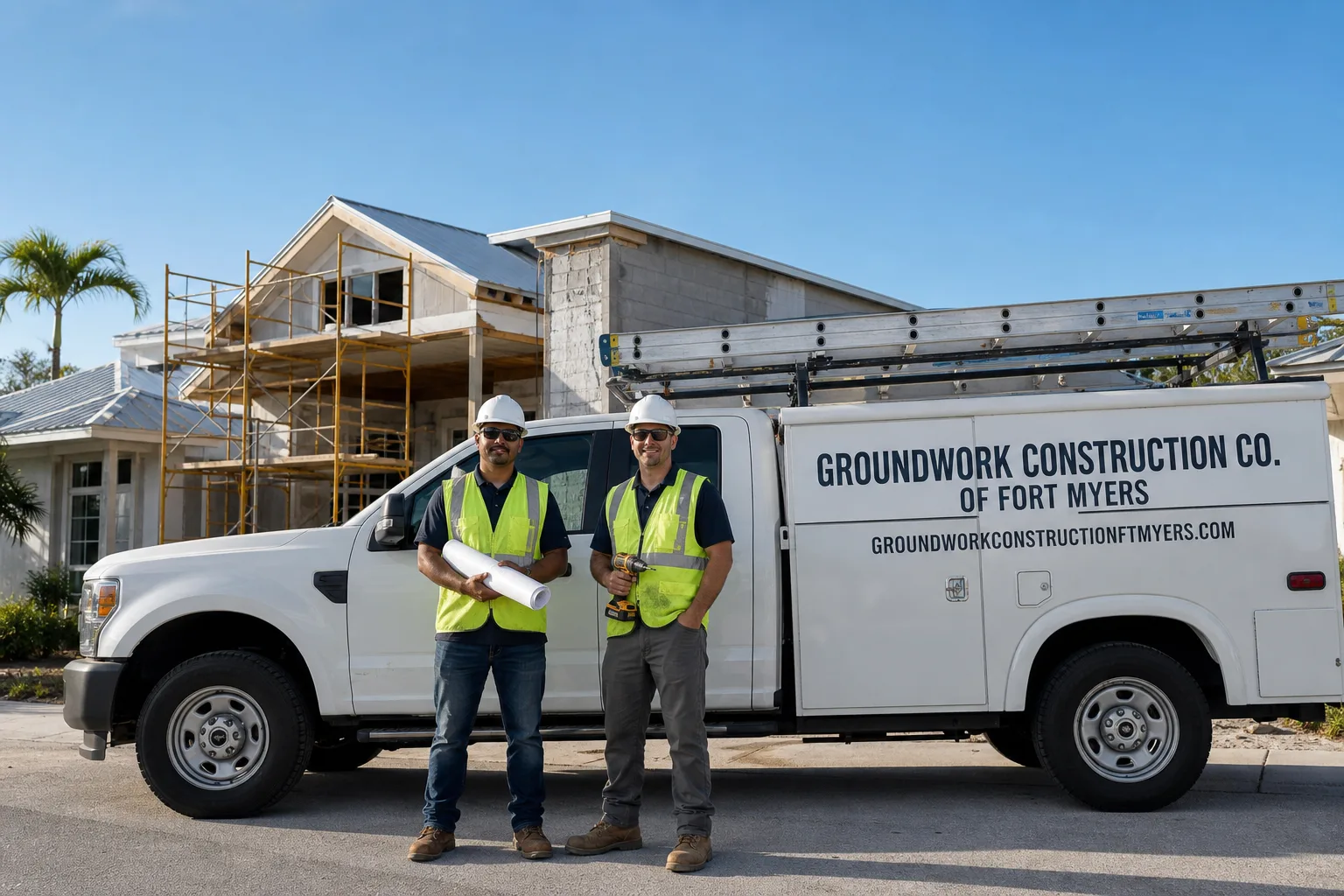
Fence Repair in Pine Island Center, FL - What to Expect and What It Costs
Fence repair in Pine Island Center typically runs between $3,500 and $9,000, with most jobs completed in two to five days depending on storm damage extent, post integrity, and material availability on the island. A leaning section, blown-out panels, or salt-corroded hardware shouldn’t wait - especially with hurricane season approaching. Call us at (844) 638-7249 for a free on-site estimate and we’ll assess exactly what you’re dealing with.
How We Actually Do Fence Repair in Pine Island Center - The Day-by-Day Process
We’ve repaired hundreds of fences across Pine Island Center after Ian, and the process has to account for the island’s logistics, salt exposure, and post-storm permit reality. Here’s how it goes, stage by stage, with real durations so you know what to expect before we ever break ground.
Stage 1: On-Site Assessment and Post Integrity Check
Day one starts with a structural walkthrough. We don’t just look at the fallen section - we check every post footer for rot, rust, or scour from storm surge. In Pine Island Center’s sandy, low-elevation soil, posts that look solid at ground level often have eaten-away footers three feet down, especially on older wood fences. We probe the concrete collar, check plumb on every post in the affected run, and identify whether the failure is isolated or spreading. You’ll know within an hour whether we’re repairing a section or replacing the entire run. Local homeowners often want to pair this with a full Fence Installation in Pine Island Center when we find systemic post rot - and we’ll give you honest guidance either way.
Stage 2: Material Staging and Bridge-Logistics Scheduling
This is the part mainland contractors don’t have to think about but we treat as a standard line item. Every load of replacement pickets, rails, posts, concrete, and hardware comes over the Pine Island Road causeway, and that means timing deliveries to avoid the morning fishing traffic and contractor rush. We stage materials on our side of the bridge before 7 a.m. when a repair is urgent, or coordinate with our local supplier network to consolidate loads. For ActiveYards aluminum or Belgard post systems, lead times can stretch during peak rebuild season - we tell you on assessment day exactly when materials land and when work starts.
Stage 3: Demo, Post Extraction, and Footer Prep
We remove the damaged sections and extract failed posts with a hydraulic puller - no backhoe that chews up your yard. In Pine Island Center’s coastal soil, we routinely find that pour-and-set post footers from pre-Ian installations were under-depth or used non-galvanized rebar that’s now a rusted thread. We over-dig each footer by 6 inches and go deeper than code minimum, then set new posts in high-early-strength concrete with full stainless hardware. If we’re splicing into an existing run, we expose the nearest sound posts to confirm they can carry the new section’s wind load. This stage takes one full day on most repairs.
Stage 4: Rail, Pickets, and Hardware - Built for Wind Load
Fresh rails go in with structural screws, not nails. Every picket gets stainless or hot-dipped galvanized fasteners - there’s no “standard” hardware option here because salt air eats zinc-plated connectors in under five years. We’re matching your existing fence style and material grade where the repair blends in, but if the original installation underspecified components, we’ll flag it and give you the upgrade price in writing before proceeding. This stage runs one to two days depending on linear feet and whether we’re working with wood, vinyl, or aluminum.
Stage 5: Final Walkthrough, Wind-Rating Verification, and Cleanup
Once the repaired section is fully plumb, fastened, and concreted, we walk the entire fence line with you. We check gate swing, latch engagement, and post rigidity on both the repaired section and the adjacent runs. If the fence anchors to a house corner or piling foundation - common on elevation-rebuilt Pine Island Center homes - we verify that connection point uses the correct bracket and corrosion-rated bolts. All debris leaves with us. You get a written completion report noting materials used, fastener grade, and the 730-Day Done Right Promise coverage on workmanship. Most repairs in Pine Island Center wrap by day four or five, with functional sections usable the same day posts set.
The Options You’ll Choose Between - Materials, Grades, and Real Trade-Offs
Every fence repair decision in Pine Island Center comes down to matching what’s there versus upgrading what failed. Here’s what you’re choosing from.
- Pressure-treated pine pickets and rails: The cost-leader option. Picks up quickly from local lumberyards, stains to match existing runs in one coat. Downside: salt air and ground contact will attack it faster than anything else, even with rated treatment. Realistic lifespan here: 8-14 years before section repairs cycle again.
- Cedar pickets: Better natural rot resistance and lighter weight - easier on post footers in sandy soil. Costs roughly 20-30% more than PT pine but weathers to a silver-gray without cupping if properly sealed on install. Handles Pine Island Center’s humidity better than pine, though salt spray still demands stainless fasteners.
- Vinyl replacement panels: Zero corrosion issues, which matters enormously next to saltwater. The trade-off: vinyl expands and contracts with Florida heat cycles, and a poorly installed vinyl run will pop fasteners or warp rails within three summers. We use heavier-gauge wall profiles and allow proper expansion gaps. Available in privacy, semi-privacy, and picket styles. Usually needs full-section replacement rather than single-picket repair because matching aged vinyl color is difficult.
- Aluminum fence sections (ActiveYards): The best answer for salt-corrosion longevity and wind resistance. ActiveYards aluminum systems use a powder-coat finish over marine-grade alloy - they won’t rust, need no painting, and carry a transferrable warranty. The honest downside: aluminum costs more up front and you’re often replacing a full panel bay rather than one picket, so it’s a better choice when a whole run is failing rather than a single section.
- Post footing upgrades: On any repair job where we pull posts and find under-sized footers, we’ll offer a deep-set option with stainless rebar cages - adds roughly $80-$120 per post but brings the footing up to current Lee County wind-load standards and eliminates the most common post-Ian failure mode we see: posts that snapped at the concrete collar line during storm surge lateral pressure.
When you’re matching into an existing fence, we spec materials that blend visually while upgrading the hardware grade inside the connections - so the fence looks consistent but the new section carries a much higher wind-resistance threshold than the original. Our fence installation crew works with Belgard post systems on composite and aluminum jobs for a cleaner finish line.
What Fence Repair Costs in Pine Island Center, FL
You’re looking at $3,500 to $9,000 for most fence repair jobs here, with the wide range determined by a handful of real variables - not vague “project complexity” language. Here’s what actually moves the number.
Linear feet of failed fence: A single blown-out 8-foot section with two post replacements lands at the low end. A 60-foot run where every post is salt-rotted and rails are splintering hits the high end. More posts, more concrete, more disposal fees, more labor days.
Post condition below grade: We can’t price this from a phone photo. If posts are solid and we’re replacing panels only, material cost is the main driver. If footers are undersized or concrete collars are cracked, we’re doing full excavation and re-set - roughly doubling per-post labor compared to a panel swap.
Material match complexity: Matching 20-year-old weathered cedar takes more trial stain work than dropping in new white vinyl panels. Specialty color-matched vinyl or custom-routed pickets add $200-$500 to a job that would otherwise be off-the-shelf.
Gate and hardware condition: A fence repair that touches a gate post often reveals hinge lag screws that have wallowed out or latches that won’t catch. Re-hanging a sagging gate with fresh hardware adds $150-$400, and we always check this on assessment day because a repaired fence with a gate that won’t close isn’t a finished job.
Permit requirements and HOA compliance: Lee County requires a permit for fence repairs exceeding 50% of the total linear footage of the existing fence - it triggers a full replacement classification under current code. If we’re under that threshold, no permit is typically needed. Pine Island Center HOA-governed pockets (particularly around the golf course communities) may require material and height approval regardless of repair scope. We handle the paperwork either way. Homeowners sometimes pair fence work with an ADU Design & Permitting in Pine Island Center project when planning a backyard structure that needs defined property lines.
Every estimate from us is a written line-item quote - you see post count, concrete volume, linear feet, material type, hardware grade, and labor broken out. No “allowances” that balloon later. No change orders unless you ask for a scope change. The price you see is the price you pay, and we offer 0% financing for 18 months plus $1,000 off projects over $10,000 when the job scope qualifies. A repair that comes in at the top of the range might also open the door to a full Garage Conversion ADU in Pine Island Center down the line, but we won’t pitch you anything you didn’t ask about.
What Pine Island Center Homes Specifically Do to This Job
Fence repair in Pine Island Center is not the same job it is five miles inland in Cape Coral, and any contractor who treats it that way isn’t doing you any favors. We work on the island daily and the failure patterns here are consistent - and preventable.
First, the salt. Pine Island Center sits surrounded by Pine Island Sound and Matlacha Pass, and the airborne salt load corrodes standard fence hardware inside three to five years. We see posts standing straight above ground with the internal rebar rust-expanded to the point of cracking the concrete collar, and gate hinges where the zinc plating has completely sacrificed itself leaving bare steel that seizes or snaps. On every repair, we spec stainless or hot-dipped galvanized fasteners, brackets, and connectors - not as an upsell, but because using anything else means we’d be back in five years for the same job. The island’s pre-Ian housing stock was dominated by older wood-frame and CBS structures built before current wind codes, and their existing fences reflect that era’s standard: shallow footers, non-rated hardware, and picket spacing that catches wind like a sail.
Second, the post-Ian rebuild dynamic. Many Pine Island Center homeowners have elevated their primary structures onto piling foundations, which means fence lines now need to transition from a high-retaining post or stair anchor down to grade - a connection detail that didn’t exist on the original fence. We’re frequently repairing or re-anchoring fence sections that were disconnected during home elevation work, and those attachment points need engineered brackets with proper fastener schedules, not a couple of lag bolts into untreated pine. Lee County’s current design wind speeds for the island (160+ mph in many exposure zones) apply to fence construction when the repair scope crosses the 50% threshold - and even when they don’t legally apply, we build to them because the next storm doesn’t care about permit classifications. Bridge-access logistics for material delivery, as we mentioned, mean that every load of concrete, lumber, and aluminum panels makes the same Pine Island Road crossing - so we schedule deliveries to hit the island before 7 a.m. to stay ahead of traffic and keep your repair on schedule.
Serving Pine Island Center, FL - Our Local Coverage Area
We’re based in the Pine Island Center area and know this community well. Use the map below to see our service coverage - if you’re nearby, we can almost certainly help.
Frequently Asked - Fence Repair in Pine Island Center
Most fence repairs in Pine Island Center take two to five days from assessment to final walkthrough. The assessment and estimate happen on day one, often same-day or next-day after your call. Material staging accounts for bridge logistics and supplier lead times - if we’re ordering ActiveYards aluminum sections or custom-matched vinyl, that can add three to seven business days. Physical work - demo, post extraction, footer concrete, rail and picket installation, and cleanup - typically runs one to three days depending on linear feet and post count. We’ll give you a firm schedule at the estimate visit. Call (844) 638-7249 to get on the calendar.
It depends on the scope. Lee County requires a permit when fence repair exceeds 50% of the total linear footage of the existing fence, which triggers reclassification as a full replacement under current building code. Repairs under that threshold typically do not require a permit. Some Pine Island Center communities with active HOAs have additional approval requirements for any visible fence work regardless of scope - we’ll check that for you during the assessment. We pull permits and handle inspections when they’re required, and every repair we do meets Lee County wind-load standards whether or not a permit was necessary.
Fence repair in Pine Island Center ranges from $3,500 to $9,000. A single-section panel replacement with two post resets on a standard-height residential fence lands at the low end. An extensive repair covering 50+ linear feet with multiple post extractions, deep-set concrete footers, upgraded hardware grade, and material-match work on weathered or specialty fencing hits the high end. We provide a written line-item estimate before any work begins so you know exactly where your job falls. Estimates are free - call (844) 638-7249 to schedule yours.
Yes, and this is one of the most important parts of the job. We match wood species, picket profile, rail dimensions, and stain color when repairing an existing run. For vinyl, we source the original manufacturer when possible, though aged vinyl color-matching has limits - we’ll show you the best-available match before installation. Aluminum systems like ActiveYards are easier to match because the powder-coat colors are standardized. On all material types, we spec upgraded stainless or hot-dipped galvanized fasteners regardless of what the original installation used, because the connection hardware is hidden and salt-rated components dramatically extend the repair’s lifespan here in Pine Island Center’s coastal environment.
Every fence repair we do in Pine Island Center is covered by our 730-Day Done Right Promise - if it’s not done right, we make it right, for two full years from project completion. That’s one of the longest workmanship guarantees in residential fence work. Material warranties depend on the product: ActiveYards aluminum carries a manufacturer’s transferrable warranty against rust and finish defects; pressure-treated pine and cedar carry limited manufacturer warranties against manufacturing defects but not against natural weathering, which we’ll explain clearly in your estimate. When we spec stainless hardware, that’s a permanent rust-corrosion solution that essentially eliminates hardware failure as a failure mode. All of this is in writing, upfront, before you sign anything.
Get a Free Fence Repair Estimate in Pine Island Center
If you’ve got a leaning fence, blown-out panels, or posts that look like they’re giving up, don’t wait until the next storm tests them. Call Groundwork Construction Co. at (844) 638-7249 for a free on-site estimate in Pine Island Center. You’ll talk to a live person - not voicemail - and we’ll have a background-checked, uniformed technician at your property to assess the damage, check post integrity, and give you a written line-item quote. No pressure. No vague pricing. Just a straight answer about what your fence needs and what it’ll cost.
Written by Derek Hollenbeck, Owner at Groundwork Construction Co., serving Pine Island Center and surrounding Lee County communities.