
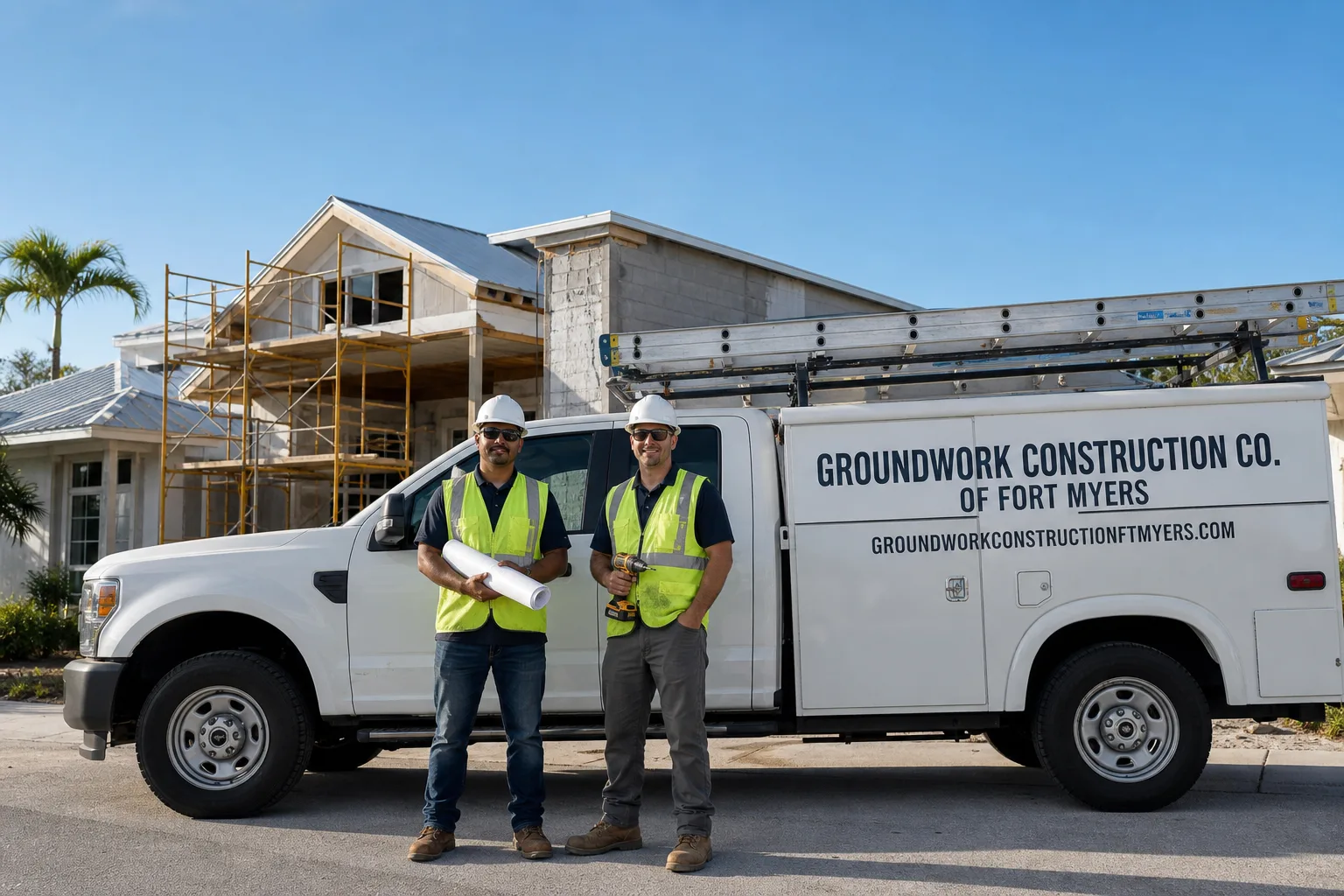
What Glass Railing Systems Bring to a Southeast Arcadia Home, and What You’ll Realistically Spend
Glass railing systems in Southeast Arcadia typically run between $180 and $350 per linear foot, installed. That means a standard 40-foot balcony or pool-deck run lands in the $7,200 to $14,000 range for most homes here, depending on the system you choose. A full staircase re-rail with landings usually falls between $4,500 and $9,000. The job itself takes three to five working days from tear-out to final inspection, weather permitting, and we quote it in writing with no change-order surprises. If you’re pricing a run right now, call (844) 638-7249 and we’ll walk you through the real numbers over the phone, no games.
How We Install a Glass Railing System, Stage by Stage
We start by answering the question most homeowners don’t know to ask: what is the existing rail actually anchored into? In Southeast Arcadia, where concrete-block construction and inconsistent post-Charley rebuilds meet thick clay soils, the substrate condition drives the whole job. Our process breaks into five clear stages.
Stage 1: The anchoring assessment. On day one, we pull the old rail and expose the mounting points, usually on a concrete slab edge, a pool beam, or a CMU stem wall. We check for spalling, rebar corrosion, and settlement cracks that heavy summer rains in the Peace River basin accelerate. If the concrete surface is compromised, we specify a localized repair pour before any glass goes in. This adds a day to the schedule but prevents the railing from pulling loose five years later. You make exactly one decision at this stage: greenlight the repair scope we document with photos, or, if the concrete is sound, proceed straight to layout.
Stage 2: Layout and post-base alignment. We snap lines on the actual surface and dry-fit the base shoes at the required spacing, typically four feet on center for most frameless systems. On a curved pool deck or a multi-level balcony, this is the stage where we dial in the radius so the glass panels meet without awkward gaps. You’ll see the post positions marked on the concrete and approve the sightline before we core-drill a single hole. This takes half a day.
Stage 3: Core-drilling and anchor-setting. Drilling into CBS or a reinforced pool beam in Southeast Arcadia is a slow, wet-process job. We use water-fed diamond bits to avoid microfracturing the concrete around the anchors, then blow the holes clean and inject a structural epoxy rated for outdoor, high-humidity exposure. The anchor bolts are set and left to cure overnight. No glass touches the site this day, just fasteners and precision. You don’t make a choice here, but you should know why it takes two site visits: cure time is non-negotiable.
Stage 4: Glass and hardware installation. Panels arrive from the fabricator pre-cut, with polished edges and any notch-outs for handrail brackets already completed. We set each panel into the base shoe, shim it to dead-plumb, and torque the clamping hardware to the manufacturer’s specification. For a 40-foot run, this is a two-crew day with four to five glass panels, often handled by the same team that does our Windows & Doors in Southeast Arcadia work. The glass is tempered safety glass as a code minimum, typically 3/8-inch or 1/2-inch thick for residential railing. If a top rail is part of the system, whether a round stainless cap rail or a square aluminum grab rail, we install and lock it at this stage.
Stage 5: Final adjustment, sealant, and inspection. Glass railing is a low-tolerance system. After all panels are set, we walk the entire run with a dial indicator on the post tops to confirm deflection stays within the code limit, usually no more than four inches of movement at a 200-pound uniform load. We apply a UV-stable silicone sealant at the base shoe and any butt joints between panels, then register the job with the local building department for the final inspection. Most Southeast Arcadia jobs pass on the first visit because we pre-resolve the anchoring issues in Stage 1 rather than hoping for the best.
The Glass and Hardware Options You’ll Actually Choose Between
Every glass railing system involves four choices. Each one changes the look, the maintenance burden, and the installed price. Here is what we put in front of you, in plain terms.
- Frameless vs. semi-frameless. A true frameless system uses thick, 1/2-inch tempered glass panels with only a base shoe, so the view is uninterrupted. It costs more per linear foot and the glass must be cut to exact field dimensions, no forgiveness. Semi-frameless systems use thinner 3/8-inch glass with vertical posts between panels, which is more forgiving on uneven surfaces and costs about 20 to 25 percent less. In a Southeast Arcadia home with a slightly settled slab, semi-frameless is often the more practical choice because the posts absorb minor alignment variation that frameless would make visible.
- Base shoe: surface-mount vs. fascia-mount. A surface-mount shoe bolts flat onto the top of the concrete. A fascia-mount shoe bolts into the vertical face of the slab edge, which hides the hardware from above. Fascia mounting looks cleaner but requires a structurally intact slab edge with enough rebar cover, something we verify during the anchoring assessment. On older 1950s CBS homes here where slab-edge spalling is common, surface-mount is usually the safer call.
- Handrail profile. Round stainless steel, square stainless, or anodized aluminum. Stainless holds up beautifully in Florida humidity but runs warmer to the touch in direct August sun. Aluminum stays cooler and costs slightly less. Both outlast the house when properly installed.
- Glass tint and finish. Clear glass maximizes the view and is the standard choice. Low-iron glass removes the faint green tint and costs roughly 30 percent more, a difference most people notice only when the glass sits right next to a pool’s blue water. We’ll order a small sample piece so you see both side by side before committing.
What a Glass Railing System Costs in Southeast Arcadia, FL
We quote installed glass railing systems in Southeast Arcadia between $180 and $350 per linear foot. A small front-entry stoop rail runs $2,500 to $5,000. A mid-size back-patio or pool-deck run of 40 linear feet settles between $7,200 and $14,000. A full second-story balcony with a staircase lands in the $11,000 to $21,000 range. These are all-in numbers: demolition of the old rail, substrate prep, materials, hardware, labor, sealant, and the permit-closeout inspection.
Five variables move your job toward the low or high end of that range:
- Linear footage and corner count. More glass means more material cost. Every corner adds a custom-cut panel and an additional post or splice detail, so a simple straight run costs less per foot than an L-shaped deck with three returns.
- Substrate condition. If our anchoring assessment turns up spalled concrete or loose post-Charley patches, you’re looking at $400 to $1,200 in localized concrete repair before a single glass panel arrives. This is the most common cost variabilty we see in Southeast Arcadia homes built before 2005.
- Frameless vs. semi-frameless. Frameless adds about $60 to $90 per linear foot over semi-frameless due to thicker glass and tighter fabrication tolerances.
- Top-rail material. A stainless cap rail adds cost over aluminum. No top rail at all, which is permissible on some code-compliant frameless systems, removes that line item entirely.
- Permit and inspection fees. Most Southeast Arcadia glass railing jobs require a building permit with a structural anchoring detail on the submittal. The permit fee itself is modest but the engineering letter for the anchor system, often required by the local plans examiner, adds $300 to $600.
Every quote we write is a fixed-price, line-item scope of work. No percentage-based change orders, no “unforeseen conditions” upcharge unless you ask us to add scope mid-job. We give you the number, you decide. Our Windows & Doors crew handles glass railing as part of a broader exterior-upgrade package when homeowners want to tie a new rail into new impact windows or sliding doors, and we can bundle the estimate accordingly.
What Southeast Arcadia Homes Specifically Do to This Job
Southeast Arcadia sits inland in the Peace River basin on heavy clay soils that swell with June-through-September rains and shrink during the dry winter. Over decades, that cycle works concrete slabs and pool beams hard, causing millimeter-level settlement that most homeowners never notice until something rigid and precise, like a frameless glass panel, gets mounted on it. We see this on roughly one out of three pre-1980 homes we quote: the slab edge has moved just enough that a surface-mount shoe won’t sit flush without shimming or localized grinding, which we address in the Stage 1 assessment.
The second factor is the post-Hurricane Charley rebuild patchwork. Charley tore through DeSoto County as a Category 4 in 2004, and the rush to repair left a lot of exterior concrete work with questionable rebar embedment and sealant shortcuts. When we core-drill into a pool beam or balcony edge on a home that was patched in that 2004-2006 window, we routinely find aggregate that didn’t bond well or anchor bolts that were never epoxy-set. Our anchoring assessment flags those failure points before we hang glass on them. It is the reason we pull a permit on every glass railing job in Southeast Arcadia, even when a homeowner assumes it is just a simple deck-rail swap. The building department here will want to see the anchoring detail, and we submit it with an engineer’s letter standard.
Homeowners on streets near the Peace River Campground or out toward the industrial lots along Highway 70 often ask us about wind load. Glass railing is not a wind-borne debris shield; it is a fall-protection system. But the hardware we use, stainless anchors and high-clamp-force base shoes rated for repeated lateral cycling, handles the gust loading typical of a thunderstorm outflow here without loosening over time. Some HOAs in the newer subdivisions east of Highway 17 have adopted railing-height and glass-tint standards that exceed the state code minimum; we pull those covenants during the estimate so your submittal matches what the association expects. For homeowners bundling this with a hardscape overhaul, we also do Paver Driveways in Southeast Arcadia and can sequence the concrete work so the railing anchors are cast into a fresh pour rather than drilled into old concrete.
Serving Southeast Arcadia, FL - Our Local Coverage Area
We’re based in the Southeast Arcadia area and know this community well. Use the map below to see our service coverage - if you’re nearby, we can almost certainly help.
Frequently Asked Questions About Glass Railing Systems in Southeast Arcadia
Plan on three to five working days on site. Day one is tear-out and anchoring assessment with possible concrete repair. Day two is layout, core-drilling, and epoxy-setting of anchors, which cure overnight. Day three or four is glass and hardware installation, and the final day is sealant, adjustment, and the building inspection. The anchor-epoxy cure time is the one step you can’t accelerate, and we won’t rush it.
Yes. DeSoto County requires a building permit for any guardrail that serves as fall protection, which is exactly what a glass railing on a balcony, deck, or pool edge is. The submittal usually includes a structural anchoring detail and an engineer’s letter. We handle the entire permit process as part of the job, including the on-site final inspection. Working without a permit on a guardrail creates a liability exposure that no homeowner should carry.
Usually, yes, but the cracks dictate the anchoring method. Hairline settlement cracks in a well-cured slab can often be epoxied and the base shoe can span across them without issue. Wider cracks, or cracks with vertical displacement between the two sides, may require a local concrete repair pour or a shift to a fascia-mount shoe that engages a different section of the slab edge. We won’t know which approach applies until we strip the old rail and inspect. This is exactly the moment where our upfront pricing model helps: if a concrete repair is needed, we show you a photo, quote the repair as a separate line item, and you decide before we proceed.
Most Southeast Arcadia homes deal with two things: well-water mineral spotting from irrigation overspray and heavy oak-pollen accumulation in the spring. A spray bottle of equal parts white vinegar and water, wiped with a microfiber cloth, cuts mineral haze in about thirty seconds per panel. We apply a rain-shedding glass treatment at installation, similar to what goes on a windshield, that makes the first year of maintenance noticeably easier. Avoid ammonia-based glass cleaners because they degrade the silicone sealant at the base shoe over time.
The glass itself carries a manufacturer’s warranty against delamination and seal failure, typically five to ten years. The stainless hardware and base shoes are warrantied against corrosion and material defect by the hardware manufacturer, usually a lifetime limited warranty. Our installation workmanship is covered by Groundwork Construction Co.’s 730-Day Done Right Promise: if something isn’t done right, we make it right, no fine print and no runaround. On a glass rail, that most commonly means re-torquing a clamp that has settled or replacing a sealant bead that lifted. You call, a live person answers, and we schedule the correction.
Get a Direct Quote for Glass Railing in Southeast Arcadia
The quickest way to a real price is a fifteen-minute site visit where we measure the run, check the anchoring surface, and walk through the glass-and-hardware choices with you standing right there. There is no charge for the estimate, and the number we give you is fixed, not an opening offer. Call (844) 638-7249 to schedule a time, or ask for Derek Hollenbeck directly if you have a technical anchoring question. Homeowners who bundle a glass rail with a full exterior refresh often pair it with Fence Repair in Southeast Arcadia or new pavers, and we can quote both scopes on the same visit. For everything else happening across Southeast Arcadia, our team is on the ground every week and ready to roll.
Written by Derek Hollenbeck, Owner at Groundwork Construction Co., serving Southeast Arcadia homeowners with fixed-price, permit-pulled glass railing installations backed by the 730-Day Done Right Promise.