
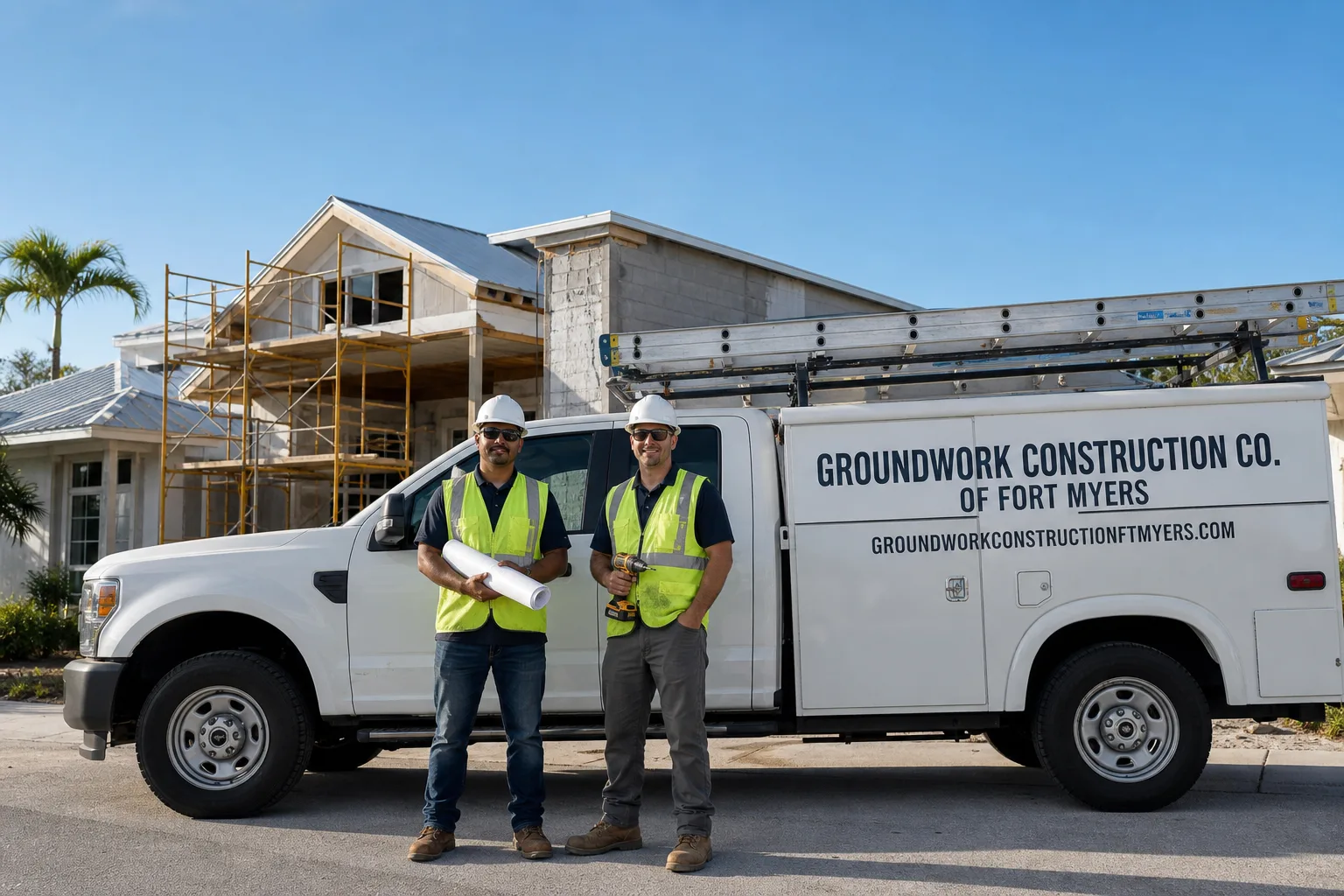
What an Iron Fence Project in Harlem Heights Actually Looks Like
Most iron fence jobs in Harlem Heights fall between $3,500 and $9,000 and take about one to two weeks from the first post hole to the final walkthrough. That range covers a typical 100 to 150 linear foot perimeter with one or two walk gates. The work moves faster than most people expect once the layout is marked, but the real schedule depends on what’s underground and how the original property line was set. Call (844) 638-7249 for a free estimate built around your specific yard.
How We Handle Iron Fence Installation, Step by Step
Day 1 and 2: Underground Check and Layout
Before any post goes in the ground, we locate and mark every utility line. Harlem Heights has a mix of older infrastructure. Gas, water, and cable lines that don’t show on modern locate maps are more common than in a newer subdivision, especially on lots platted in the 1960s and 1970s. We call in 811, but our crew also walks the property with you to confirm the exact fence line. This is when you’ll decide final gate placement. Setting the line now prevents a surprise easement conflict later. If the ground is unusually wet from the high water table we see in pockets of the community, we may need to adjust the concrete footing depth. We’ll tell you on the spot.
Day 3 and 4: Setting Posts and Footings
Core-drilling or digging post holes in Harlem Heights soil is rarely straightforward. Much of the housing stock sits on sandy loam over limestone, and older properties often have forgotten buried debris from decades of landscaping changes. We dig to a minimum depth that meets Lee County’s wind-load requirements, set each post in concrete, and brace everything plumb. For iron fence, the post-to-concrete bond is what handles storm winds. We don’t rush the cure. Posts sit a full 24 hours before any rail or panel goes on, and we cover the footings if rain is in the forecast.
Day 5 through 7: Rails, Panels, and Welds
With the posts solid, we mount the horizontal rails and begin hanging the iron sections. Every connection point gets welded or mechanically fastened according to the manufacturer’s engineering specs. If your design includes ornamental scrollwork, finials, or a custom arch over a driveway gate, this is the stage where the fabrication detail shows up. Our crew checks gate swing clearance, latch alignment, and the reveal between the bottom rail and the ground. We’ll ask you to walk the line at least once before everything is locked in so any adjustments happen now.
Day 8 and 9: Finishes and Coatings
Bare steel doesn’t last one wet season in southwest Florida. We apply a multi-layer corrosion protection system: a rust-inhibiting primer followed by a factory-grade topcoat in the color you chose. Every weld, bolt head, and cut edge gets treated. In the high-salt, high-humidity air we get just inland from the Gulf, this step isn’t optional. If we’re installing pre-finished panels from a supplier like Oldcastle or a regional fabricator, those come with a baked-on powder coat, but we still treat every field-welded joint on site. A fence that looks perfect on installation day should still look that way in August of 2028.
Day 10 (or earlier): Final Walkthrough and Sign-Off
We walk the full perimeter with you. Every gate opens and latches cleanly. Every post cap is tight. No sharp edges, no wobble, no missed touch-up. Once you sign off, the fence is covered by our 730-Day Done Right Promise. If something isn’t right, we make it right.
The Options You’ll Choose Between
Not all iron fences are the same, and the choices you make here will determine how the finished project looks and holds up over the next 20 years.
- Gauge and wall thickness. Residential iron fence typically comes in light-gauge (cheaper, fine for purely decorative use) and heavy-gauge (thicker steel, the right choice for any fence that will hold a gate or face wind). We recommend the heavier gauge for properties in Harlem Heights. A lighter post looks fine on day one but will fatigue faster on a corner that catches afternoon storms.
- Height and style. Most local homeowners choose 4-foot for front-yard definition and 6-foot around back for privacy and pool-code compliance. Style options range from clean vertical pickets with flat-top rails to arched tops with cast-iron finials. We’ll show you samples from manufacturers like Tremron for complementary hardscape pairings, but the iron itself usually comes from dedicated steel fabricators who specialize in welded assemblies.
- Gate configuration. Swing gates are standard. For driveways on tighter lots where a swing gate would hit a car or slope, a sliding gate might make more sense. We can also add a pedestrian gate beside a driveway gate so you aren’t walking through the wide opening every day.
- Finish color and texture. Matte black is the most requested, but we can match a dark bronze or a custom color if your HOA has specific guidelines. Powder-coat finishes from quality fabricators outlast wet-spray paint and hold up better against the salt air that accelerates oxidation in this part of Lee County.
- Permit-ready engineering. For any fence over 6 feet or any installation that runs adjacent to a public right-of-way, Lee County wants engineered wind-load calculations. We handle that in-house. You won’t need to chase down a separate engineering letter.
What Iron Fence Costs in Harlem Heights, FL
Most iron fence projects here land between $3,500 and $9,000. Five variables push a job toward one end of that range or the other.
The biggest factor is linear footage. A 75-foot front fence with one ornamental walk gate runs closer to the low end. A 150-foot perimeter with a driveway gate and two walk gates runs toward the high end. Gate hardware adds cost because a self-closing, self-latching hinge set rated for wind zone use is a different product than a light gate hinge.
Material gauge divides the price. Heavy-gauge steel panels and posts cost more per linear foot than lighter residential-weight material, but they handle hurricane-season gusts without bowing. In Harlem Heights, where wind-driven rain and salt exposure are daily facts of life, the thicker steel buys you years of extra service life.
Lot access moves the number too. If the fence line runs across mature landscaping, old concrete, or a steep grade change, the crew spends more time clearing and leveling before posts go in. Properties that slope toward a canal or drainage easement often need stepped panels or a graded bottom rail, which adds labor.
Permit scope and engineering are a fourth variable. A fence under 6 feet away from the right-of-way is typically simpler to permit. Anything taller, or any gate that spans a driveway, often triggers a plan review with wind-load documentation. We pull the permit and include that cost in your estimate, but it’s a real line item that cheaper bids sometimes leave out until the county flags it.
Every estimate we write is a line-item, fixed-price proposal. No change orders unless you ask for something different after work starts. The number you see is the number you pay, consistent with our upfront pricing approach across every fence installation project we do.
What Harlem Heights Homes Specifically Do to an Iron Fence Project
Harlem Heights sits squarely in the Hurricane Ian reconstruction zone, and that changes how every building product gets specified, permitted, and installed. Lee County’s post-Ian permitting process is famously backlogged, particularly for unincorporated pockets like this one. Our team maintains a direct permit expediter relationship because a missed inspection window can push a final sign-off back two weeks or more. That’s not a contractor excuse. It’s how the county office on Colonial Boulevard operates right now, and if you ask any local homeowner who has renovated since 2022, they’ll confirm it.
The housing stock here magnifies small fence decisions into structural ones. Many homes built in the 1950s through early 1980s have original concrete slabs that extend right to the property edge, or they have old retaining walls and planters that weren’t built to modern setback rules. When we lay out an iron fence line, we regularly uncover things like a buried irrigation line, an old survey stake that doesn’t match the current plat, or a slab edge that has spalled from decades of moisture. The salt-laden Gulf air, even this far inland, has been quietly working on exposed steel for years. If there’s an existing chain-link fence coming out, the posts are often corroded below grade, and the rust can stain the concrete. We factor that demo work into the estimate up front.
For this specific job, iron fence offers a practical advantage in Harlem Heights: the open picket design lets wind pass through instead of acting like a sail. That matters in a community where wind-mitigation thinking shapes every exterior decision. When a homeowner is already investing in a full Fence Installation in Harlem Heights, choosing iron over a solid privacy panel often eliminates one more wind-load variable during permitting.
We also see homeowners pair an iron fence with a larger hardscape upgrade. A new pool deck or paver patio creates a clean line for the fence to follow, and doing both at once lets us coordinate layout and drainage. If that’s part of the conversation, ask about our work on Patios, Walkways & Pool Decks in Harlem Heights. On properties where a fence enclosure defines the lot while an attached or detached addition is in planning, it’s smart to sequence the two jobs. We’ve helped several families near Harlem Heights time their fence work alongside an ADU Design & Permitting in Harlem Heights so setbacks and access are locked in before the foundation goes down.
Serving Harlem Heights, FL - Our Local Coverage Area
We’re based in the Harlem Heights area and know this community well. Use the map below to see our service coverage - if you’re nearby, we can almost certainly help.
Frequently Asked - Iron Fence in Harlem Heights
How long does an iron fence installation take in Harlem Heights?
Most projects take 7 to 10 working days from layout to final walkthrough. Weather and county inspection scheduling can push that timeline. We keep you updated on the inspection queue status so you aren’t left guessing.
Do I need a permit for an iron fence in Lee County?
Yes. Lee County requires a permit for most fences over 4 feet and for any fence with a gate adjacent to a public right-of-way. We pull the permit, submit the engineering, and coordinate inspections. You don’t handle any of it yourself. For homeowners who want to learn more about the broader permitting landscape here, our Harlem Heights service-area page covers what to expect from the county.
Will the price change once the work starts?
Not unless you request a change. We write fixed-price, line-item estimates. If we uncover a condition we couldn’t have seen before digging (a buried concrete footer, for example), we’ll stop, show you, and give you a revised number before proceeding. You never get a surprise bill at the end.
How does iron fence hold up compared to aluminum in this climate?
Iron is stronger, heavier, and requires a more diligent coating regimen. In the salt-laden humidity of southwest Florida, powder-coated iron with proper primer will outlast low-grade aluminum that wasn’t rated for coastal exposure. The trade-off is weight and cost. We’ll walk you through the spec differences based on what actually holds up in Harlem Heights yards, not what a catalog says.
What kind of warranty covers the work?
Every iron fence we install is backed by our 730-Day Done Right Promise. If something isn’t right, we make it right. That’s two full years of coverage on workmanship, which is among the longest you’ll find in residential construction. Material warranties come from the manufacturer and vary by product line. We explain both coverages in writing before you sign anything.
Get a Free Estimate for an Iron Fence in Harlem Heights
If you’re ready to price out an iron fence that handles the heat, salt, and storms we deal with every year in this community, call (844) 638-7249. You’ll reach a live person, 24/7, not a voicemail box. We’ll schedule a free on-site estimate, walk the property with you, and hand you a fixed-price proposal built on real measurements and real material costs. No pressure, no vague range, no disappearing act after the quote. That’s how we’ve operated across every Fence Installation in Harlem Heights project we’ve done, and it’s how we’ll handle yours.
Written by Derek Hollenbeck, Owner at Groundwork Construction Co. of Fort Myers, bringing transparent pricing and a 730-Day Done Right Promise to homeowners across Harlem Heights and the surrounding communities.