
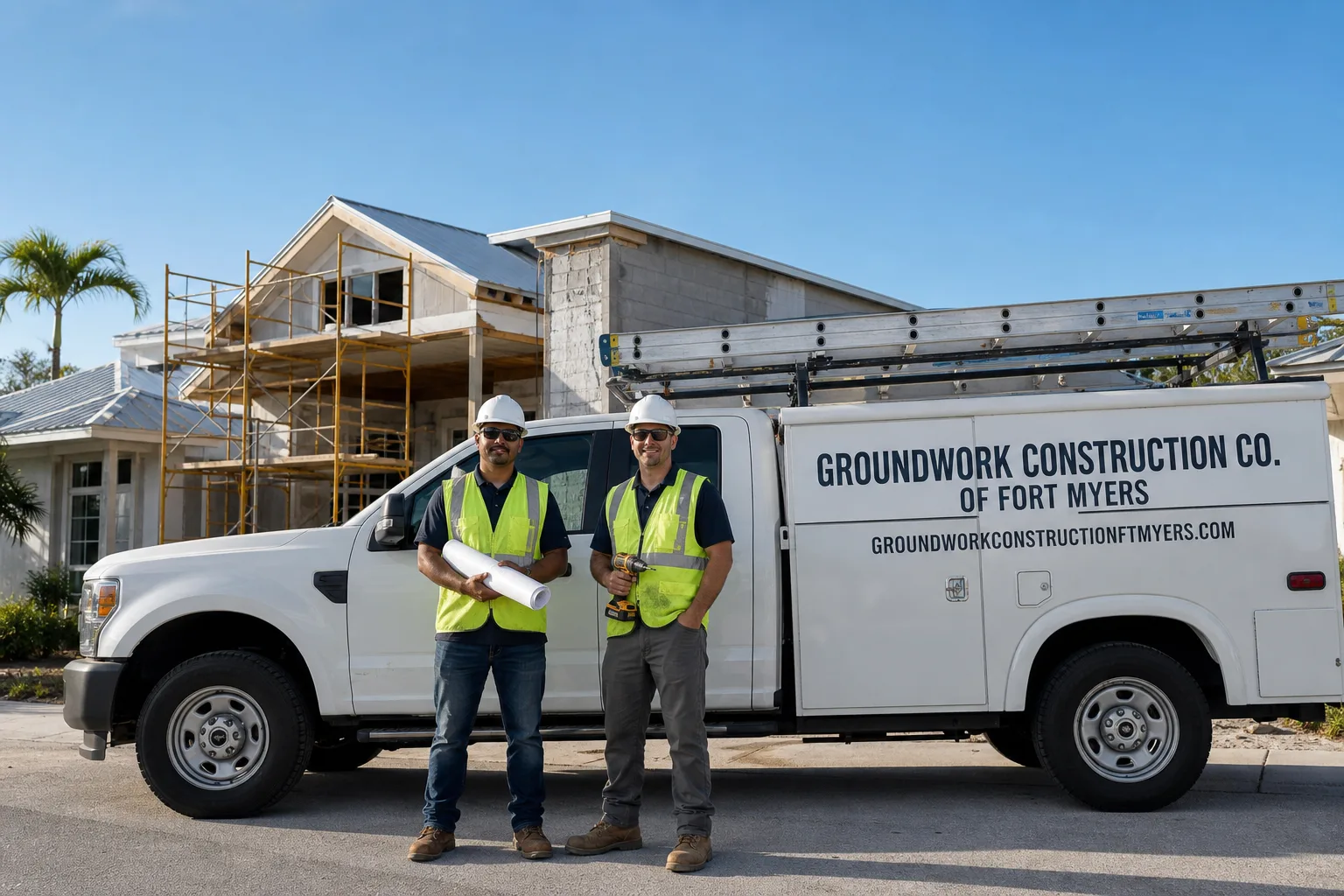
What Does an Iron Fence Cost in Manasota Key, and How Long Does the Job Take?
An iron fence in Manasota Key typically runs between $3,500 and $9,000 for a standard residential property, with most installations completed in three to five working days from first hole to final walkthrough. That price covers removal of old fencing, new steel posts set in concrete, the iron panels and gate hardware, and the county-required inspection on the back end. Call (844) 638-7249 for a line-by-line written estimate specific to your property line, gate count, and soil conditions here on the island.
The Way We Actually Build an Iron Fence on Manasota Key
Most crews skip steps. We won’t, because salt air and storm surge on this island expose every shortcut inside of two years. Here is the real sequence, stage by stage, so you know exactly what happens after you sign the proposal.
Stage 1: Property markout and permit pull (Day 1 morning). Before a shovel hits sand, we locate and flag the underground utilities through Sunshine 811, then confirm your legal lot lines against the survey. Manasota Key straddles Sarasota and Charlotte counties, so we open the permit in the correct county portal for your specific address. No survey on file? We pause here and order one. Skipping this step is how a $5,000 fence turns into a stop-work order and a redo at the neighbor’s property line.
Stage 2: Demolition and post-hole prep (Day 1 afternoon through Day 2). If an existing fence needs to come out, we pull it and haul the debris same day. We dig post holes to a minimum 24-inch depth, flaring the bottom wider in sandy soils common to barrier island lots, which prevents wind wobble and shifting over time. In coastal flood zones, we sometimes go to 30 inches and add a larger-diameter concrete footing at the base of each post for uplift resistance.
Stage 3: Post setting and concrete cure (Day 2 into Day 3). Galvanized steel posts go in, squared and level, set in a fast-curing concrete mix rated for wet, saline environments. We brace and let them cure overnight. This is the stage where rushing it means a leaning fence by next hurricane season, so we protect the cure time regardless of weather. If you’re adding an automatic gate, this is when the gate-operator conduit gets sleeved underground before the pour locks everything in place.
Stage 4: Panel and gate hanging (Day 3 or Day 4). The iron panels bolt to the posts using stainless steel fasteners, not zinc plated. Salt-laden air on the island will chew through standard hardware inside of 18 months. We adjust every gate to swing freely without dragging. All hinge pins, latch strikes, and drop rods get adjusted on-site. If the post concrete has cured to spec, we can often finish full panel installation start-to-finish in a single long day.
Stage 5: Final walkthrough and inspection (Day 4 or Day 5). We do our own punch list first: every post checked for plumb, every gate latch operating smoothly, all debris cleared and magnet-swept for stray fasteners. Then the county inspector comes out to verify post depth, footing size, and gate-swing clearance. Once that final is signed off, you’re done. We leave you with a care sheet for the iron coating or paint spec we used so touch-up work stays consistent five years down the road.
The Options You’ll Choose Between for an Iron Fence
Iron fence isn’t one product. The decisions you make in the first 20 minutes of the design consult affect cost, longevity, and how the fence looks after a decade of salt spray. These are the choices every Manasota Key homeowner walks through with our estimator:
- Wrought iron versus tubular steel. True wrought iron is increasingly rare and more expensive. Most modern iron fences are galvanized tubular steel with a factory powder coat. The steel option is straighter, lighter, and more resistant to corrosion when the coating is intact. However, a thicker-gauge wrought or hand-forged iron panel tends to bend rather than crack under impact from wind-blown debris, which matters on a barrier island. We carry both and recommend steel for most installations unless the architectural style of the home specifically calls for iron.
- Finish and coating system. Standard factory powder coat holds up for years inland but takes a beating in the coastal salt haze of the Gulf side. We typically spec a marine-grade primer under a zinc-rich topcoat for properties within a quarter mile of the water. The cost bump is modest compared to stripping and recoating rust blooms every two years. Color options are broad: matte black, gloss black, bronze, gunmetal, or custom color-match to existing architectural metal.
- Gate type and automation. A single walk gate is the most common add-on. Double driveway gates with an electric opener, intercom, and safety sensors change both the project scope and the permit - Charlotte and Sarasota counties treat powered gates as electrical work, so the cost and inspection step increase. We install ActiveYards and Belgard gate hardware and can tie automation into existing smart-home systems during the rough-in stage.
- Post spacing and panel height. Standard residential iron fence runs 4 to 6 feet tall with posts 6 to 8 feet on center. Closer post spacing adds material cost but dramatically improves rigidity in wind-exposed lots. On Gulf-front properties, we often spec 5-foot spacing and a taller, heavier post gauge to meet coastal wind-load requirements without needing a secondary windbreak. Standard subdivision lots on the bay side can usually stay at 6- or 8-foot centers without sacrificing stability.
What an Iron Fence Costs in Manasota Key, FL
A standard 150-linear-foot iron fence in Manasota Key falls in the $3,500 to $6,800 range depending on gate count, post depth, and finish grade. Larger properties or full perimeter enclosures can push the job to $9,000 or higher, especially when the scope includes a powered double gate and a custom coating system.
Four variables move the number more than any other. Linear footage is the obvious one: more fence costs more, and corners, changes in grade, or irregular lot lines add labor hours. Gate number and type can swing the total by $800 to $2,500 - a single walk gate is straightforward; two automated driveway gates with sensors and wiring are a different job. Soil conditions and post-hole depth matter on the island, where sandy, often saturated ground requires deeper footings and more concrete per post than inland clay or compacted fill. Finish spec is the final lever: a basic powder coat keeps the upfront price lean, while a full marine-grade coating system adds $15 to $25 per linear foot but extends the coating life dramatically in salt-air exposure.
Our written estimate includes removal and disposal of old fence, all materials and fasteners, concrete footings, gate hardware, county permit fees, and the final inspection coordination. It does not include survey work if the lot pins are missing, bringing power to a gate location that has no existing circuit, or major grade correction beyond standard post-placement leveling. Those items get line-itemed as separate charges, not hidden in a lump sum.
Why Manasota Key Properties Demand a Different Standard for Iron Fence
The biggest variable no mainland fence contractor sees coming is the county line. Manasota Key is split by an invisible jurisdictional boundary: the northern end falls in Sarasota County, the southern end in Charlotte County. Two different building departments, two different permit portals, two different inspection phone numbers, and two different sets of wind-load and coastal construction requirements. Our team keeps active contractor registrations with both, and before we touch any property on the island, we confirm which county has jurisdiction over that specific parcel. Get it wrong and you’re staring at a permit rejection, a stop-work order, and weeks of lost time while the paperwork gets refiled in the correct system.
Beyond the county split, the environmental reality of the island shapes every material decision. The narrow barrier island puts salt aerosol in the air from the Gulf on one side and Lemon Bay on the other. Standard galvanized fasteners corrode at triple the rate here compared to homes a few miles inland in North Fort Myers or Pine Manor. We use full stainless hardware on every panel connection, and we have seen jobs where the wrong fastener spec left rust trails staining white stucco pillars within the first rainy season. The older mid-century cottages on Manasota Key also tend to have mature landscaping and delicate irrigation lines running close to the lot perimeter, and the fence installation crew knows to hand-dig near root zones and sleeved lines rather than trenching blind.
Many of the island’s original 1950s and 1960s homes have never had a hard perimeter fence, so the lot lines are often marked by weathered wooden stakes or nothing at all. We pull a fresh property survey as a standard pre-construction step here. When homeowners pair the iron fence with a broader outdoor refresh, we often coordinate with the Patios, Walkways & Pool Decks in Manasota Key team to sequence the hardscape work ahead of the fence install so post locations don’t conflict with planned pavers or deck footings.
Serving Manasota Key, FL - Our Local Coverage Area
We’re based in the Manasota Key area and know this community well. Use the map below to see our service coverage - if you’re nearby, we can almost certainly help.
Frequently Asked Questions About Iron Fence in Manasota Key
Yes. Both Sarasota County and Charlotte County require a fence permit for any new iron fence installation over a certain height, typically anything above 3 feet in a front setback or 6 feet elsewhere. The permit process includes submitting a site plan showing lot lines, proposed fence location, gate swing direction, and post spacing. A final inspection after installation is also required. We pull and close every permit. Homeowners occasionally want to skip the permit to save $200. Don’t. An unpermitted fence becomes a title defect when you sell, and code enforcement on the island is proactive, especially post-Ian, when rebuilding projects drew heavier scrutiny from both county building departments.
A properly installed iron fence with a marine-grade coating system and full stainless hardware will last 25 to 40 years with minimal maintenance. The coating is the variable. Standard powder coat in direct Gulf exposure may show edge rust within three to five years. A zinc-rich primer under a baked-on topcoat extends the useful finish life by a decade or more before repainting is needed. In either case, structural integrity from the galvanized steel posts and properly cured concrete footings holds far longer than the surface finish. We counsel every coastal homeowner to budget for a recoat in year 10 to 15 as preventive care rather than waiting for visible corrosion to start.
In most cases, yes. We match existing panel styles, picket profiles, finial tops, and post caps from a wide range of manufacturers. Color matching a weathered finish is trickier, but we can usually factory-order a close match and then blend site-applied touch-up on the connection points. If you are adding a section of fence to an existing run, we photograph and measure the current installation on the estimate visit and submit those specs with the material order. Reproducing a custom or very old hand-forged iron pattern may require a specialty metal shop, which we can coordinate as a subcontracted line item.
Soft, sandy soil - standard for much of Manasota Key - requires wider, deeper post footings, and we account for that in the initial estimate because we already know the island’s soil profile. Irregular lot lines or significant grade change add labor hours to the installation but usually do not change the material cost. If we hit unexpected underground obstructions - an old buried seawall remnant or a forgotten concrete foundation from a demolished outbuilding - we stop, show you what we found, and give you a fixed-price change order before proceeding. Our upfront pricing means you see the base scope number before the shovel goes in the ground, and you approve any adjustment before we incur the cost. Call (844) 638-7249 if you want to walk us around the lot yourself and discuss how the terrain might affect the price.
Iron requires more attention than aluminum or vinyl in a salt-air environment. You’ll need to inspect for chips or scratches annually, clean off salt residue with a mild soap rinse, and touch up any bare metal before rust takes hold. The upside is strength and longevity under impact: iron handles wind-blown debris, a leaning tree limb, and the occasional golf cart bump far better than aluminum or hollow vinyl. When a hurricane pushes storm debris across the island, an iron fence is more likely to survive intact. Many Manasota Key homeowners who are already part of a larger property improvement plan also pair this work with Fence Installation in Manasota Key to ensure the whole perimeter, including any mixed-material sections, gets done under one coordinated permit and schedule. For properties adding accessory structures, we sometimes line up the fence with an ADU Design & Permitting in Manasota Key project so the new building and the new fence share lot-line survey work and a single inspection sequence.
Get a Free Iron Fence Estimate on Manasota Key
We’ll walk the property with you, talk through the finish options, measure every linear foot, and hand you a fixed-price, line-by-line written quote before you commit to anything. No vague ballparks, no change-order surprises, no county-line mix-ups. The estimate is free, the phone is answered by a real person, and the 730-Day Done Right Promise backs every iron fence we build. Call (844) 638-7249 to schedule your on-site consult.
Written by Derek Hollenbeck, Owner at Groundwork Construction Co., providing full-scope home construction services across Manasota Key and surrounding coastal communities.