
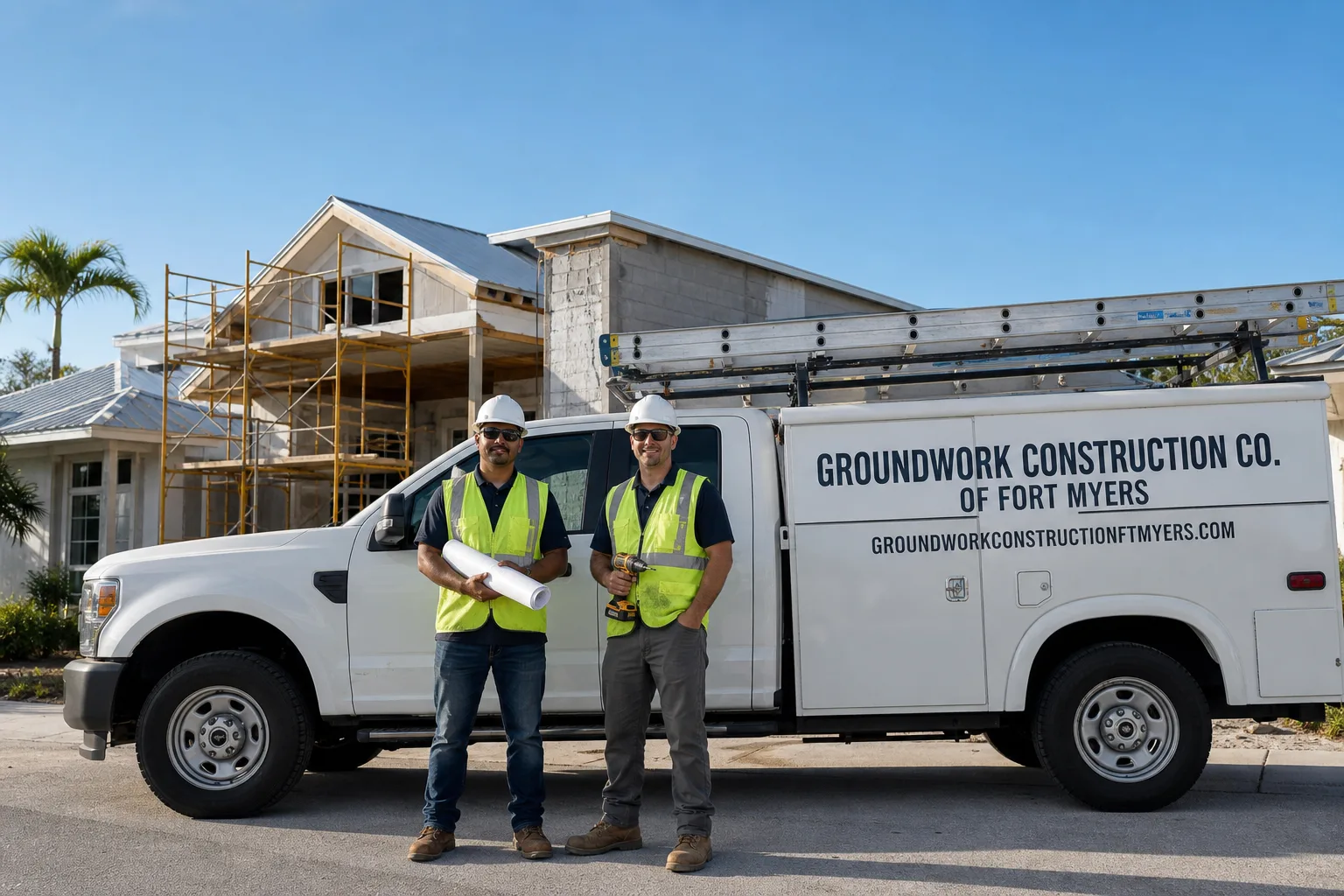
What a New Iron Fence in Three Oaks Actually Costs and How Long It Takes
A new iron fence in Three Oaks, FL typically runs between $3,500 and $9,000 for a standard residential lot, with most jobs finishing in three to five working days once materials are on-site. That number includes removing any old fence, setting steel posts in concrete, hanging the iron panels, and installing gates and hardware. Call (844) 638-7249 to get a firm quote on your exact property. The price lands where it does based on linear footage, gate count, terrain, and whether you choose prefabricated panels or true custom fabrication, which we’ll walk through below.
Three Oaks homeowners choose iron for a reason that goes beyond how it looks. The coastal humidity here, the salt air drifting in from the Gulf, and the hard lessons of Hurricane Ian’s 2022 landfall have all reshaped what people expect from a fence. Wood rots faster than it should. Vinyl gets brittle under that kind of sun and salt cycle. A properly installed iron fence with the right coatings and corrosion-resistant hardware is one of the few materials that actually holds up in this environment without constant maintenance.
How We Install an Iron Fence, Stage by Stage
Knowing what’s going to happen and when is the difference between a predictable project and one that keeps you guessing. Here’s the real sequence for an iron fence job in Three Oaks, from the day we mark the ground to the day we hand you the gate key.
Day 1: Layout, utilities, and excavation. We mark the entire fence line with paint and stakes so you can walk it before anything goes in. At the same time, we call in a private utility locate - Florida 811 only covers public lines, but Southwest Florida yards are riddled with privately run irrigation, landscape lighting, and pool conduit that 811 doesn’t touch. Once everything’s marked and you’ve signed off on the layout, we dig the post holes. In Three Oaks, that means drilling through sandy topsoil into the marl and limestone shelf that sits underneath most of Lee County. Hole depth runs 24 to 30 inches depending on the panel height and wind exposure, and every hole gets inspected for bottom stability. Loose sand at the bottom of a hole is a future lean. We don’t skip that check.
Day 2: Setting posts and starting the concrete cure. Posts go in next. We use galvanized steel posts, not painted over raw steel, because the salt air here will find unprotected metal inside a year. Each post is set in a bell-bottomed concrete pour - wider at the base than at the top - which gives the footing real resistance against the lateral wind loads that Southwest Florida fences have to survive. A lot of post failures we see on older Three Oaks fences start with a straight-sided concrete slug that the wind eventually works loose. The bell bottom matters. Concrete cures to initial set in about four hours, but we let it sit overnight before hanging weight on it.
Day 3: Hanging panels, squaring gates, and hardware installation. Panels get bolted to the posts with stainless steel fasteners across the entire job. This is one of the biggest cost separators between a fence that lasts and one that stains rust down the face of the iron in two years. Galvanized post-to-panel brackets, stainless bolts, and stainless gate hinges and latches are all standard on our quotes. We don’t subcontract this to a trim-out crew that arrives with a bucket of zinc hardware from a big-box store. Gate frames get welded or bolted depending on the design, and every gate gets a drop rod and a positive stop so it doesn’t swing past its arc and tear the hinges out of the post.
Day 4: Touch-up, weld-point coating, and grade work. Any field cuts, weld points, or scratches from transport get cleaned, prepped, and spot-coated with a factory-matched rust-inhibiting primer and topcoat. If the fence has a factory powder coat - which most of the mid-to-high-end jobs do - we use a cold-galvanizing compound on any exposed steel, followed by a two-part epoxy paint matched to the panel color. Then we backfill and compact the soil around each post footing and clean up the grade so water drains away from the post bases. Standing water at the post line is a corrosion accelerator in this climate, and grading takes fifteen minutes on a job that’ll last decades.
Day 5: Final walk-through. You and your project lead walk the entire fence line together. Every gate gets opened and closed, every latch gets tested, and every post gets checked for plumb. We don’t leave until you’ve signed off. This walk-through is also when we register your project under the 730-Day Done Right Promise. If anything moves, rusts, or fails because of our workmanship in that window, we fix it.
The Real Choices You’ll Make Before the Quote Is Final
Iron fence isn’t one product. The decisions you make at the quoting stage determine whether the fence is still dead-plumb and rust-free a decade from now. Here are the options that actually matter in Three Oaks, with the trade-offs laid out plainly.
- Prefabricated panels vs. custom fabrication. Prefab panels are factory-built in standard 6-foot or 8-foot sections and cost less. They work well on flat, linear property lines. Custom fabrication is measured and welded to fit your exact layout, which matters if your lot has grade changes, curves, or tight corners. Custom costs more, takes longer, and eliminates the short-panel filler sections that can make a prefab job look pieced together.
- Galvanized undercoat with powder coat vs. paint-only finish. This is the single biggest longevity decision. A galvanized undercoat under a baked powder coat gives you two layers of corrosion protection. Paint-only finishes are cheaper upfront but will show rust at the welds and bolt holes inside five years in this salt-adjacent air. We quote galvanized-under-powder as standard. If someone’s quoting you significantly less for a painted-only iron fence in Three Oaks, that’s the difference.
- Gate hardware grade. Stainless steel hinges and latches add roughly $80 to $150 per gate over zinc-plated hardware and last three times as long. Self-closing hinges and keyed-alike locks are options that add convenience and cost a little more. For pool-code gates, self-closing and self-latching hardware is not optional - it’s Florida Building Code, and we’ll spec it where required.
- Post caps and finials. Pressed-steel finials are the default. Cast iron ball caps, spear points, or custom finials upgrade the look and add a few dollars per post. These are aesthetic choices that don’t affect the fence’s structural integrity, but they do change how the finished job reads from the street.
- Concrete mow strip. A poured concrete border along the fence line keeps the string trimmer off the posts and prevents the bottom rail from sitting in damp grass, which is a rust accelerator in Florida’s wet season. It’s a few hundred dollars on a typical lot and pays for itself by eliminating the number one corrosion point we see on older iron fences in Lee County.
What Iron Fence Costs in Three Oaks, FL
For a standard Three Oaks residential lot - typically 60 to 150 linear feet with one or two walk gates and a driveway gate - you’re looking at $3,500 to $9,000 fully installed. A smaller courtyard enclosure or pool perimeter on the low end. A full property perimeter with custom fabrication and multiple gates on the high end. This price is fully installed, with all concrete, hardware, permits, and a written line-item quote before you sign anything.
The variables that push a job up or down in cost boil down to five things. Total linear footage is the biggest lever. Number and width of gates adds structure and hardware cost. Terrain matters - a fence line with a steep grade or heavy tree-root interference takes longer to dig and requires more custom panel fitting than a flat, open lot. Finish spec is the fourth variable: galvanized undercoat plus powder coat costs more than paint-only, and we won’t quote paint-only because it fails too fast here. Finally, any HOA-required design changes - specific finial styles, height limits, setback rules - can shift the bid, and we’ll flag those during the estimate walk if your community has them on file.
Every quote includes the fence itself, galvanized posts, stainless fasteners, concrete footings, gate hardware, removal and disposal of the old fence if one exists, and the Lee County permit. What’s typically not included is major grade rework - if your lot needs a retaining wall to hold a fence line, that’s a separate scope. The quote also doesn’t include relocating irrigation lines, though we’ll expose and cap them during layout so you can decide whether to reroute them. We cover all of this during the estimate walk so nothing materializes as a surprise line item later. Upfront pricing, no surprises.
What Three Oaks Homes Specifically Do to an Iron Fence Job
Three Oaks sits in a part of Lee County that got hammered by Hurricane Ian in 2022, and that event changed how every trade approaches exterior work here. For an iron fence, the practical impact is threefold. First, the wind load requirements under Florida Building Code 2023 are stricter than what was enforced on homes built in the 1990s and early 2000s, which describes most of the subdivision housing stock here. That means post footings have to be deeper and wider for the same fence height than they would be ten miles inland - a 6-foot iron fence in Three Oaks now requires an engineered embedment depth that accounts for 150+ mph exposure, and we size every footing to that standard whether the permit reviewer flags it or not.
Second, the post-Ian rebuild cycle created a permitting bottleneck in Lee County that’s only recently begun to normalize. Fence permits here run through the county, not the city, and the review timeline still varies week to week. We pull the permit as part of the job and factor the lead time into the schedule so you’re not waiting on a piece of paper after the posts are already in the ground. Third, many of the concrete-block homes in Three Oaks that survived Ian are now mid-renovation or fully gutted to the studs. We’re often installing fences on properties where the house itself is under active construction. Coordinating the fence with a larger project - like a full Fence Installation in Three Oaks that’s part of a broader exterior overhaul - is something we handle regularly, and the sequence matters so the fence crew isn’t working around a roofing tear-off or a concrete pour.
The specific soil profile here also affects how we prep. The sandy loam on top drains fast, which is good, but the marl layer underneath holds moisture against the concrete for weeks after the rainy season ends. We use a higher-strength mix and a slightly wider footing diameter than you’d spec in, say, central Florida clay, specifically to offset the moisture cycling that accelerates concrete spalling at the post line. It’s a small detail in the quote and a big deal ten years out.
Serving Three Oaks, FL - Our Local Coverage Area
We’re based in the Three Oaks area and know this community well. Use the map below to see our service coverage - if you’re nearby, we can almost certainly help.
Frequently Asked Questions About Iron Fence in Three Oaks
Yes. Lee County requires a fence permit for any new iron fence installation, and the permit includes a site plan review that checks setbacks, height limits, and wind-load compliance. If your property is in an HOA-governed community - and many Three Oaks subdivisions are - you’ll also need architectural review committee approval before we submit the county permit. We handle the county permit as part of the job. The HOA approval is homeowner-led because you’ll need to submit drawings to your board, but we’ll provide the spec sheets and a dimensioned layout to make that submission straightforward.
A properly installed iron fence with a galvanized undercoat and baked powder coat finish will last 25 to 30 years in the Three Oaks environment before it needs anything beyond touch-up coating. A paint-only fence starts showing rust at the post connections and gate hinges inside five to seven years, which is why we don’t quote paint-only systems here. The salt air near this stretch of the Gulf coast is persistent, not dramatic - it’s not like an oceanfront property getting direct spray, but the humidity carries enough salt to accelerate corrosion on unprotected ferrous metal year-round.
We can match the style and approximate finish of an existing iron fence in most cases, especially if the original panels are a standard prefabricated pattern. Exact color matching on a sun-faded powder coat is harder, but we can get close enough that the difference isn’t obvious from more than a few feet away. If the existing fence is an older custom fabrication with non-standard picket spacing or a specific scroll pattern, we’ll bring photos and measurements back to our fabricator to see if a match is feasible before we quote it.
If we hit an unexpected obstruction - an old concrete footer, a buried slab remnant, or a chunk of limestone too big for the auger - the cost to remove it gets added as a change order at our standard hourly rate plus any rock-bar or hammer attachment time. We’ll stop, show you what we found, and give you a firm number to approve before we proceed. This happens on maybe one in fifteen jobs in Three Oaks, usually on lots that were scraped and backfilled during the original subdivision build-out in the late ’90s and early 2000s when buried construction debris wasn’t uncommon. On a flat, undisturbed lot, it’s rare.
Yes, and it’s a common choice in Three Oaks because it meets Florida’s pool barrier code while staying see-through enough that you can watch kids in the water from the patio. The code requirements are specific: the fence must be at least 48 inches tall, the bottom rail can’t be more than 4 inches off the ground, vertical picket spacing can’t exceed 4 inches, and the gate must be self-closing and self-latching with the latch on the pool side. We build pool-code fences regularly and include all the required hardware in the quote up front. Some homeowners pair an iron pool fence with a larger hardscape project; we often see families planning a new Patios, Walkways & Pool Decks in Three Oaks at the same time so the fence and the decking are integrated from the start.
Get a Firm Price for Iron Fence in Three Oaks
We price iron fence jobs the same way every time: a free on-site walk, a written line-item estimate that’s good for 30 days, and no change orders unless you ask for something different. Call (844) 638-7249 and you’ll get a live person - not a voicemail - who can schedule the walk or answer questions about timeline, material options, or HOA coordination in Three Oaks. From foundation to finish line, the number you see is the number you pay.
Written by Derek Hollenbeck, Owner at Groundwork Construction Co., working with Three Oaks homeowners on exterior projects that are built to last, backed in writing.