
What Should You Expect From an Iron Fence Installation in Verona Walk?
Installing an iron fence in Verona Walk is a straight-up investment in both property security and curb appeal that typically runs between $3,500 and $9,000 for a standard residential lot, and the project itself usually takes 3 to 5 working days on site once materials are ready. The price covers your design consultation, laser-leveled layout, concrete footers anchored per local wind-load code, the iron panels and posts, two coats of rust-inhibitive primer and finish paint, and a final walkthrough - and if you want an exact number for your specific property line, call (844) 638-7249 for a free, no-surprise estimate.
How We Build an Iron Fence - Stage by Stage
The homeowner who’s never been through this process deserves to know exactly what happens, and when. No magic, no mystery. Here’s the sequence we follow on every iron fence job in Verona Walk.
Stage 1: Site consultation and measure-up. (Day 1 - on site, about 90 minutes.) We walk the property line with you, laser-measure every linear foot, and mark post locations with stakes. This is the appointment where we discuss style, height, gate placement, and finish color. We also check for underground utilities at this stage, because hitting a line is a headache nobody needs. By the end of day one, you’ll have a fixed-price, line-item quote and a materials selection sheet to review.
Stage 2: HOA and permit submission. (5 to 14 days, depending on review cycles.) Verona Walk has an active architectural review committee, and Collier County won’t issue a fence permit until that HOA approval letter is in hand. We compile the plot plan, product specs, and finish sample and submit on your behalf. Once HOA clears, we pull the county permit - the reviewers in Naples check for minimum embedment depth, wind-load resistance, and proper set-backs from property lines and easements. This stage feels like waiting, but skipping it is a violation that bites later.
Stage 3: Footers and post-setting. (Days 2-3 on site, depending on soil.) We auger each post hole to the depth the permit specifies - in Verona Walk’s sandy-loam soil, that’s typically 24 to 30 inches to hit stable bearing and satisfy uplift resistance requirements in a High-Velocity Hurricane Zone. Each post is set in a Quikrete or Sakrete high-strength concrete footer, plumbed and braced, then left to cure. We do not hang panels the same day the concrete goes in - a rushed footer is a leaning fence two seasons later.
Stage 4: Panel and gate installation. (Day 4-5.) Once footers have cured, we bolt or weld the pre-fabricated iron panels to the posts, section by section, checking level continuously. Gate hardware - hinges, latch, and any automated opener rough-in you’ve selected - goes in at this stage. If your layout includes a driveway gate on a track or swing arm, this is when the frame gets welded and squared. Every weld point receives a spot coat of rust-inhibitive primer immediately after cooling, because Florida humidity starts working on bare steel within hours.
Stage 5: Finish coat and final walkthrough. (Day 5 or 6.) The entire assembly gets a second full coat of finish-grade paint - we typically apply a satin or semi-gloss acrylic-enamel rated for coastal exposure - and we walk the finished fence with you, gate cycle by gate cycle, post by post. If anything isn’t right, we address it before the crew rolls off, not three weeks later. This final walk is also when you get the care-and-touch-up guide and your workmanship paperwork - backed in writing by our 730-Day Done Right Promise.
The Options You’ll Choose Between for Your Iron Fence
Not all iron fence is created equal, and the decisions you make here determine how the fence ages and what it costs. These are the real-world choices a Verona Walk homeowner sits with before we break ground.
- Gauge and profile. Residential iron fence typically comes in 16-gauge or 14-gauge wall thickness. Sixteen-gauge is lighter and lands at the lower end of the price range, but 14-gauge gives you noticeably more rigidity and dent resistance - worth the upgrade if you have dogs, kids, or a lawn crew with string trimmers that bang against posts weekly. Railing profiles range from simple flat-top to pressed-spear and finial-tip designs; each step up in ornamentation adds $8-$15 per linear foot.
- Finish system. The base spec is a two-coat brush-and-spray acrylic-enamel on primed steel, which holds up well if you commit to a light touch-up every 2-3 years. If you want a finish that shrugs off salt air and sprinkler overspray with less maintenance, we spec a factory-applied zinc-rich primer under a polyester powder coat - it costs more up front but extends the recoat cycle significantly in Verona Walk’s humid, coastal-side conditions.
- Gate type and operation. A single walk gate adds a few hundred dollars. A double-swing driveway gate, especially one with an electric opener and keypad, pushes you toward the upper end of the cost range. If you’re considering automation, tell us early - the rough-in for conduit and power needs to happen at Stage 3, before footers set, not after.
- Height and code compliance. Most communities, Verona Walk included, permit 4 to 6-foot residential fences without a variance, but side-yard and front-yard setbacks can differ. Going taller than 6 feet usually triggers extra engineering review in Collier County. We’ll guide you through that, but know that non-standard height is one of the variables that can move the price from mid-range into the $8,000-plus territory.
What an Iron Fence Costs in Verona Walk, FL
A complete iron fence installation in Verona Walk lands between $3,500 and $9,000 for the typical single-family property. That spread exists because no two property lines are identical. Here’s what actually pushes the number one direction or the other.
Linear footage is the multiplier. A 75-foot side-yard enclosure costs far less than a 200-foot full-perimeter fence with two gates. More footage means more post holes, more concrete, more panel sections, and more finish time. Every extra post hole in Verona Walk’s sandy soil adds labor time for augering to the required embedment depth.
Gate count and type. One walk gate is standard; adding a second or upgrading to a powered driveway gate changes the labor profile and material cost meaningfully. Electric openers require a dedicated circuit, so an electrician’s scope gets added to the permit if one isn’t already nearby.
Finish and corrosion protection. The powder-coat upgrade we described above adds roughly 18-25% to the material line but dramatically extends the “new fence” look. If you plan to stay in your home for more than five years, the math usually favors the upgrade.
Soil and root conditions. Verona Walk lots with mature palm and oak root systems sometimes require an extra hour or two of auger work per post location - we price that honestly after we’ve walked the line, not after the crew hits a root and sends you a change order. A written estimate from us includes the post-hole assessment, the concrete spec, and the finish spec with no blank lines waiting to be filled in later.
How Verona Walk Specifically Shapes an Iron Fence Project
Verona Walk isn’t just another subdivision - it’s a nearly all-DiVosta community built with poured-concrete walls, hip tile roofs, and a homeowners’ association that actively reviews every exterior improvement. Any iron fence going in here has to clear an HOA architectural review before Collier County will even look at the permit application. That’s not a speed bump; it’s just the reality of building in a master-planned community, and we handle the submission and follow-up so you don’t have to chase a committee.
The soil matters too. Most of Verona Walk sits on a sandy-loam substrate that drains quickly - good for footers, because standing water isn’t a long-term problem - but the same loose soil demands deeper post embedment to meet wind-uplift standards in a High-Velocity Hurricane Zone. A post set 18 inches deep in clay up north might need 28 to 30 inches here, and we factor that into the estimate from day one. We also see sprinkler heads buried right along property lines in Verona Walk more often than in older neighborhoods; adjusting or relocating a few heads during layout is a normal part of the job and something we flag early rather than surprising you with later.
Because DiVosta homes are hitting that 15-to-20-year mark where exterior envelope materials are due for replacement, we often coordinate an iron fence installation with a larger exterior refresh - homeowners sometimes pair it with a patio or pool deck replacement so the whole outdoor envelope gets done in one cohesive phase. That kind of sequencing saves on mobilization and keeps the backyard disruption to a single window rather than two separate projects.
Serving Verona Walk, FL - Our Local Coverage Area
We’re based in the Verona Walk area and know this community well. Use the map below to see our service coverage - if you’re nearby, we can almost certainly help.
Frequently Asked Questions About Iron Fence in Verona Walk
On-site work typically takes 3 to 5 working days from layout to final walkthrough, but you should budget 3 to 4 weeks total when you include Verona Walk HOA architectural review and Collier County permit turnaround. The physical installation isn’t the bottleneck - the approvals are, and we manage those on your behalf. Call (844) 638-7249 to get the process started with a free on-site consultation.
Yes. Collier County requires a fence permit, and the Verona Walk HOA requires architectural committee approval before the county processes anything. Our permit set includes the site plan, product specifications, finish code, and embedment depth - all of which must show compliance with wind-load requirements for a High-Velocity Hurricane Zone. We submit both packages as part of your project, and the permit cost is itemized in your estimate.
Not on our watch. We quote fixed-price, not “estimated,” because we’ve already walked the line, checked for underground utilities, and accounted for soil conditions before you sign anything. If you decide to add a gate or change the finish mid-project, that’s a change order you approve separately - but the base scope doesn’t drift upward without your say-so. That’s part of the upfront pricing commitment we bring to every fence installation in Verona Walk.
In Verona Walk’s humidity and salt-adjacent air, a factory zinc-rich primer under a polyester powder coat outperforms a standard brush-on enamel by several years. If budget is tight, a well-applied two-coat acrylic-enamel with an annual fresh-water rinse and spot-touch-up routine still works - but skipping the rinse lets chlorides from sprinkler mist sit on the metal, which accelerates rust at the post bases and weld points faster than you’d expect.
Yes, we core-drill into the concrete slab and set posts with an anchoring epoxy rated for outdoor structural use, which matches the embedment standard of a soil-set footer. The key variable is slab thickness - Verona Walk pool decks and patios are typically 4 inches of poured concrete, which is sufficient, but if you’re considering a full Patios, Walkways & Pool Decks in Verona Walk replacement anyway, it’s smarter to set the posts in fresh footers before the new slab is poured rather than core-drilling a brand-new surface later. That kind of coordination is exactly what our fence installation team does regularly.
Get a Fixed-Price Iron Fence Estimate in Verona Walk
If you’re ready to put real numbers against your iron fence project, start with a free on-site consultation. Call (844) 638-7249 - a live person answers, 24/7, and we’ll schedule a time to walk your property line, talk through material and finish options, and hand you a written estimate with the full scope, permit fees, and timeline spelled out. No vague ranges, no pricing games, and every iron fence we install across Verona Walk is backed by our 730-Day Done Right Promise.
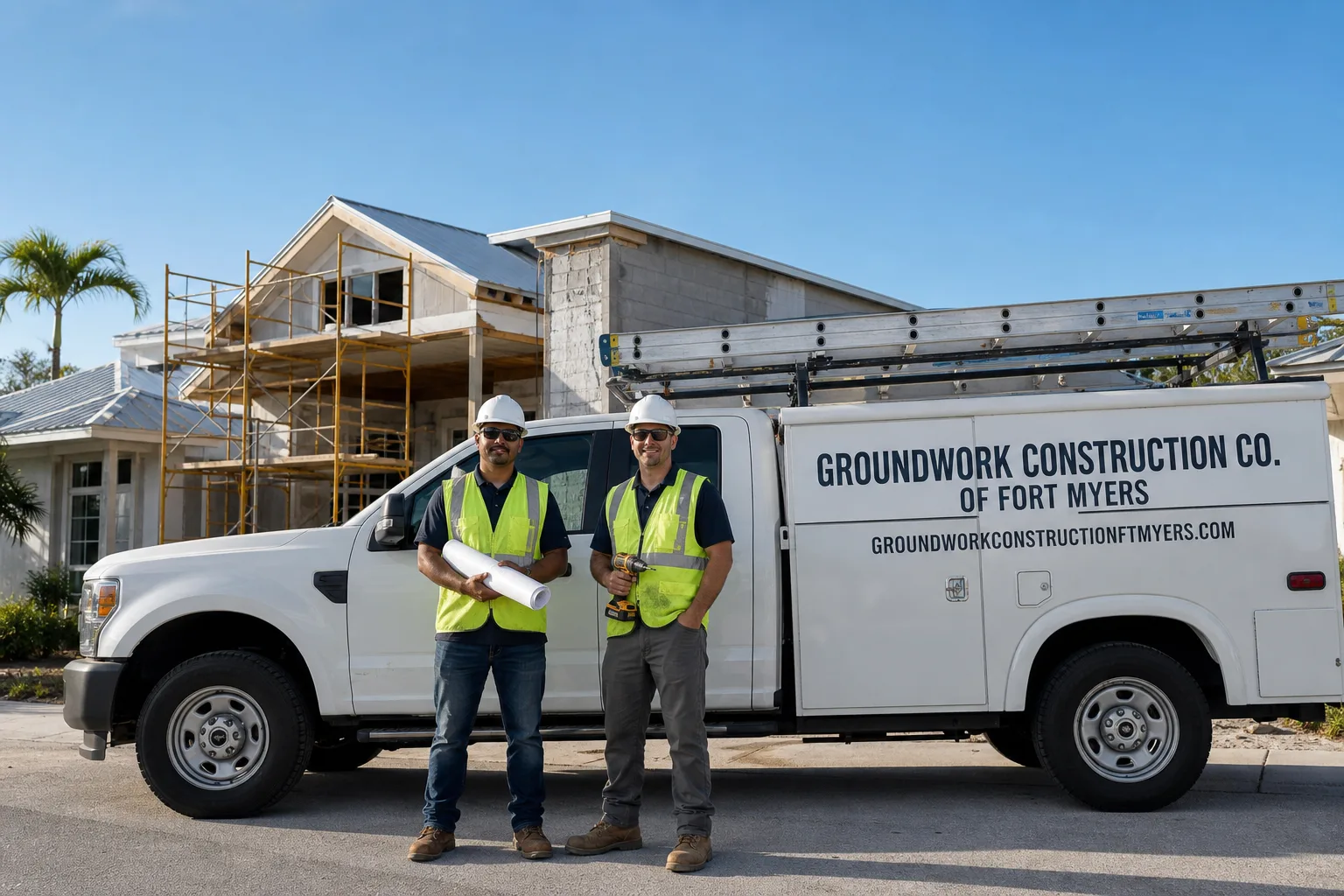
Written by Derek Hollenbeck, Owner at Groundwork Construction Co., bringing honest, fixed-price construction to Florida homeowners.