
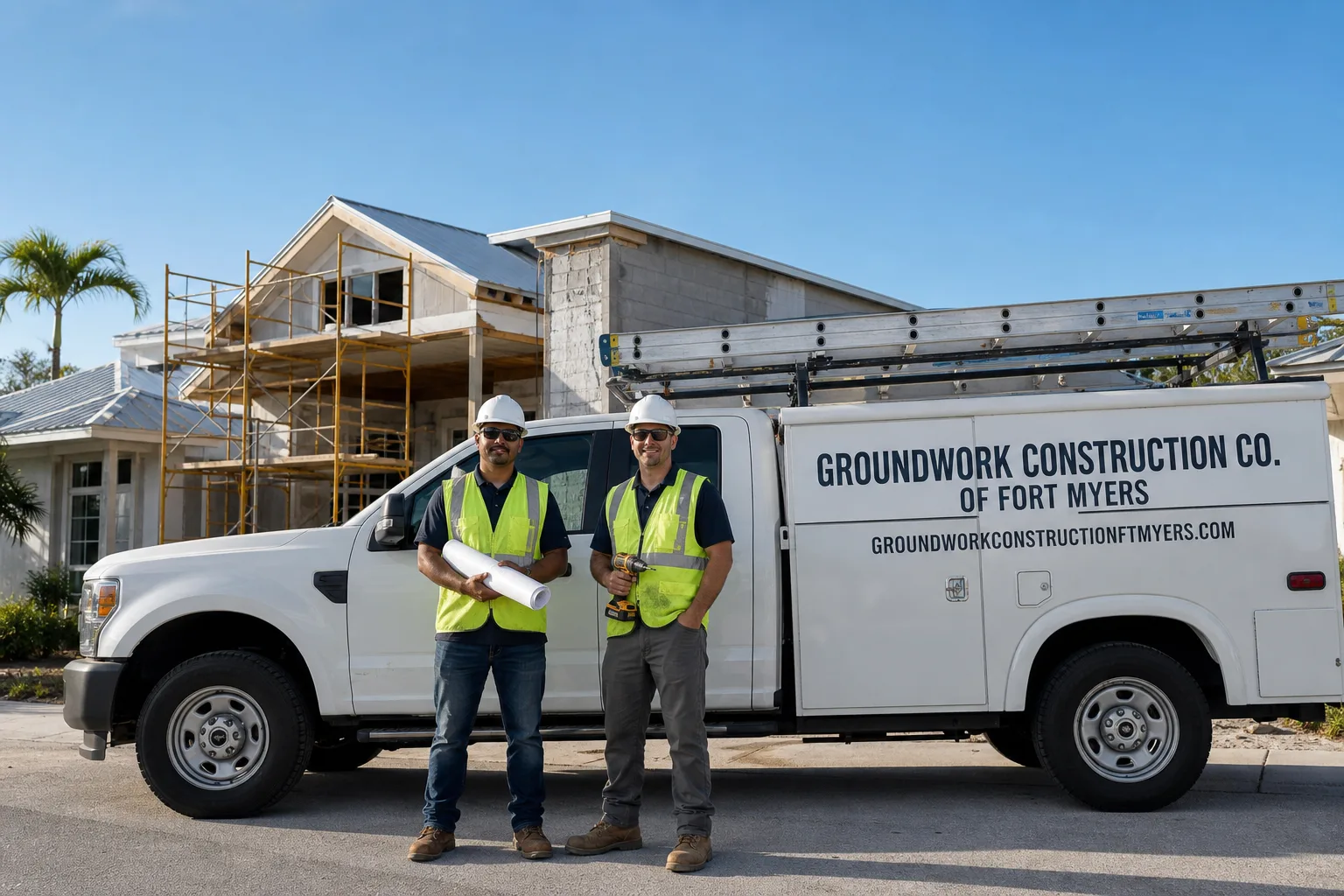
What a Junior ADU & Interior Conversion Actually Costs and Takes in Pine Ridge
Adding a junior ADU through an interior conversion in Pine Ridge typically runs between $45,000 and $130,000, and most projects take four to seven months from the first site visit to the final inspection. A junior ADU is a self-contained living unit built within the existing footprint of your home - often a garage, a large basement-level space, or a connected workshop - with its own entrance, kitchenette, bathroom, and sleeping area. It’s a legally distinct dwelling, not just a spare room with a mini-fridge, and that distinction drives the permit path, the plumbing scope, and the final price tag. Call (844) 638-7249 if you’re sizing up a specific space in your home - we’ll give you a straight yes-or-no on feasibility and a written line-item estimate with no obligation.
The Real Step-by-Step for an Interior Conversion ADU in Pine Ridge
Most homeowners haven’t been through this before, so the process feels opaque. Here’s exactly how it goes when you work with us, from the day we show up to the day you hand keys to a tenant or family member.
Stage 1: Feasibility and measurement walk (Days 1-3)
We come to your home and spend 90 minutes measuring the target space, checking ceiling height, existing electrical panel capacity, slab condition, and access points for plumbing. In Pine Ridge we also look for signs of wood rot in the sill plates and rim joists - those 1980s ranch homes on crawl spaces tend to hold moisture against the framing in ways you don’t see until the drywall comes down. We’ll confirm whether the space meets the minimum 300-square-foot threshold most lenders and county reviewers expect for a junior ADU classification. By day three you’ll have a go/no-go answer and a rough order-of-magnitude number.
Stage 2: Design, selections, and permit set (Weeks 2-6)
Once you give us the green light, our designer measures every wall, window, and chase, then draws the floor plan showing the kitchenette layout, bathroom location, egress window or door, and any structural openings we’ll need to cut. This is when you pick your finishes - flooring, cabinet door style, countertop material, shower surround, and so forth. Simultaneously, we pull the building permit from Citrus County. The county reviewers will check for egress, fire separation between the ADU and the main house, and proper tie-in to the existing septic or sewer system. That septic review alone can add two weeks in Pine Ridge because many of the 1-acre lots have older drainfields that need a capacity verification before the county signs off on a second kitchen.
Stage 3: Rough-in and structural work (Weeks 6-12)
Demolition happens fast - usually two days - followed by framing any new interior walls, cutting in the exterior private entrance, and roughing in the plumbing drains, water supply lines, and the subpanel. This is the loudest, dustiest phase, and it’s also when we find the surprises. In a garage conversion, for example, the slab might have settled enough to need a mudjack or a self-leveling overlay before we can set the bathroom floor. If the existing electrical panel is a 100-amp unit from the Reagan administration, we’ll upgrade it to 200 amps and run a dedicated 60-amp feeder to the ADU subpanel. Rough inspections happen at the end of this stage, and we don’t insulate or hang drywall until the county signs off on the framing, plumbing, and electrical.
Stage 4: Drywall, trim, and finishes (Weeks 12-16)
Insulation and drywall go up, followed by taping, texturing, and priming. Once the walls are closed, our trim carpenters hang the interior doors, set the baseboards, and install the kitchenette cabinets - KraftMaid is one of our go-to lines here because the cabinet depth options let us fit a functional galley kitchen into a compact footprint without the six-month lead time of full-custom. Tile or LVP flooring goes down, the bathroom vanity and shower get set, and the mini-split HVAC unit gets mounted. This is the phase where the space stops looking like a construction site and starts looking like an apartment your mother-in-law would actually want to live in.
Stage 5: Final inspections and punch list (Weeks 16-20)
The county building inspector and, in most Pine Ridge neighborhoods, a Civic Association compliance reviewer will walk the unit. The county cares about code - GFCI outlets within six feet of water, smoke and CO detectors, tempered glass where required. The Pine Ridge Civic Association cares about things most jurisdictions ignore: exterior door color and style, any visible change to the roofline or siding, and whether the new entrance faces a neighboring paddock in a way the covenants restrict. We’ve been through enough of those reviews to anticipate the sticking points before they become stop-work orders. After both approvals, we spend a week on your punch list - adjusting cabinet doors, touching up paint, swapping a scratched outlet cover - and then hand you the keys with the full 730-Day Done Right Promise in writing.
Throughout all five stages, you’ll have one project lead who answers your calls - a live person, not a voicemail black hole, any hour of the day.
The Choices That Shape Your ADU - and What They Cost You
Most of the line items in your estimate fall into a few big-ticket categories. Here’s what you’ll actually choose between, with the honest trade-offs.
- Bathroom scope: full bath versus three-quarter. A full bath with a tub adds $4,000-$7,000 over a walk-in shower alone, but it makes the unit rentable to small families. If the ADU is for an aging parent, a curbless shower with grab-blocking in the walls is the smarter spend.
- Kitchenette: wet bar versus full galley. A wet bar with a sink, under-counter fridge, and microwave sits around $5,000-$8,000 in cabinetry, countertops, and plumbing. Adding a 24-inch range and a vent hood pushes you into full-kitchen territory and triggers a stricter septic or sewer review in Citrus County.
- Flooring: luxury vinyl plank versus tile. LVP runs $4-$7 per square foot installed and handles the humidity of a Pine Ridge crawl space better than laminate. Porcelain tile costs $9-$15 per square foot but is essentially permanent if you’re building a forever unit.
- Climate control: mini-split versus tying into the main system. A ductless mini-split costs $3,500-$5,500 installed and gives the ADU tenant independent temperature control - a must for long-term rental satisfaction. Tapping into the existing central HVAC is cheaper upfront but nearly always leads to thermostat wars between the main house and the ADU.
- Ceiling and wall separation: code-minimum versus soundproofed. Standard R-13 batts in the shared wall meet code. Adding resilient channel and a second layer of ⅝-inch drywall with acoustic sealant adds roughly $1,200-$2,000 for a typical 25-linear-foot shared wall, and it’s the single best money you’ll spend if the ADU will house a tenant you don’t want to hear watching television at midnight.
The right choices depend on who’s living there. We’ll walk you through every option at the design consult - upfront pricing on each choice, no bait-and-switch on the materials once the job starts.
What a Junior ADU & Interior Conversion Costs in Pine Ridge, FL
The all-in range for a junior ADU interior conversion here lands between $45,000 and $130,000. A straightforward garage conversion with an existing slab, a simple bathroom, and a kitchenette tends to fall in the $50,000-$75,000 zone. A 550-square-foot basement-level space that needs separate exterior access cut, a full galley kitchen, and significant structural reinforcement can run $100,000 or more.
Five variables push the number in either direction:
- Plumbing distance and accessibility. If the existing bathroom stack is on the opposite side of the house, trenching a new drain line through the slab - and navigating around any karst voids the GPR scan finds - adds $6,000-$12,000. A conversion directly adjacent to an existing wet wall costs much less.
- Electrical service capacity. A 200-amp panel with spare breaker slots is ready to go. A 100-amp panel from the early 1980s needs a full service upgrade, which typically adds $3,500-$5,500 to the project.
- Exterior access modifications. Converting a window opening to a code-compliant exterior door runs $2,500-$4,500. Cutting a brand-new opening in a concrete-block exterior wall runs $5,000-$8,000 once you factor in the lintel, flashing, and stucco or siding patchwork the Pine Ridge Civic Association will want to see match the existing elevation.
- Septic or sewer scope. On a 1-acre lot with a 1985 drainfield, the county may require a hydraulic load test and, if the field fails, a replacement or a tie-in to the municipal sewer if it’s available on your section of Pine Ridge. That’s a $7,000-$20,000 wildcard that no honest contractor will hide from you.
- Finish level. Builder-grade cabinets, laminate counters, and a fiberglass shower pan keep the budget lean. Custom cabinets, Cambria quartz, and a tiled walk-in shower with a glass enclosure add $15,000-$30,000 to the total.
Every estimate we write is a fixed-price, line-item document. No change orders because we forgot to include the shower door. No “unforeseen conditions” surcharge unless we both agree in writing - and we’ll show you exactly what’s in the slab before we break ground.
What Pine Ridge Specifically Does to This Kind of Project
Pine Ridge isn’t like building in Fort Myers. The Pine Ridge Civic Association deed restrictions are the first filter every conversion has to pass through - and they’re stricter than county code in ways that surprise homeowners. Exterior changes, including any new private entrance door, have to match the existing home’s architectural character. If your house has a particular stucco finish or a specific roof overhang detail, the addition has to carry it through. We’ve sat in enough ARB review meetings with the Civic Association to know that submitting a door style that clashes with the existing elevation is a guaranteed delay, so we include those spec details in the permit drawings from day one.
The second elephant in the room - literally, sometimes - is the limestone. Pine Ridge sits on Citrus County’s karst plain, a soluble limestone shelf that’s riddled with underground cavities. Before we pour a footer or cut into a slab for plumbing, we bring in a ground-penetrating radar operator to scan for voids. We’ve seen what happens when a contractor skips that step: a footing pour that drains into a cavity 12 feet down, turning a $60,000 conversion into a six-figure remediation. The GPR scan costs a few hundred dollars and takes half a day. It’s non-negotiable on our jobs.
Most of the homes we convert in Pine Ridge are ranch-style single-story builds from the 1978-1992 window, sitting on acre-plus wooded lots with detached workshops and horse barns nearby. Those homes almost universally have original single-pane windows in the sections we’re not touching, and the crawl spaces - humid all summer - tend to have rim joist rot that we address during the rough-in phase. When we open a wall on a 1983 garage, we expect to find fiberglass batts that have slumped and lost their R-value, so we budget for re-insulation as a standard line item, not a surprise.
If your conversion is part of a larger vision for the property - maybe a full Home Additions & ADU in Pine Ridge expansion down the road - we can phase the work so the ADU rough-in leaves tie-in points ready for a future addition. We’ve done that on Slate Drive, on Mustang Lane, and throughout the neighborhoods between the equestrian trails, and it saves real money compared to opening walls twice. Homeowners sometimes pair an ADU conversion with a Small & Partial Kitchen Remodel in Pine Ridge in the main house simultaneously, which lets our crews work both spaces under one permit window and one project timeline. And if you’re rethinking how the whole house flows, a Kitchen Design & Layout in Pine Ridge consultation often runs in parallel with the ADU floor plan - the same designer handles both, so the sightlines and traffic patterns make sense together.
Serving Pine Ridge, FL - Our Local Coverage Area
We’re based in the Pine Ridge area and know this community well. Use the map below to see our service coverage - if you’re nearby, we can almost certainly help.
Frequently Asked Questions About Junior ADU & Interior Conversions in Pine Ridge
Four to seven months is the realistic window. The biggest variable is the Pine Ridge Civic Association ARB review - if your exterior modifications are straightforward, that step adds about three weeks. If the reviewer asks for revisions, add another two to four. The Citrus County building permit typically takes four to six weeks, and the septic or sewer review runs in parallel. The construction itself rarely exceeds 16 weeks once we break ground, assuming no major karst voids or rotted framing discoveries.
Yes, you need a Citrus County building permit, and yes, the Pine Ridge Civic Association’s Architectural Review Board must approve any exterior modification including a new private entrance door, any visible addition to the roofline, and any change to the exterior siding or finish. The county permit is mandatory - building without one risks a stop-work order, fines, and an unpermitted unit you can’t legally rent or sell. The HOA cannot legally prevent you from building an ADU under Florida’s 2020 statute preempting local bans, but they can enforce material, color, and setback standards. We handle the ARB submission as part of our design and permit package, and we’ve never had a final rejection - but we plan for the review time upfront. Call (844) 638-7249 if you want us to pull your specific deed restrictions and tell you what the ARB will flag before you spend a dollar on plans.
That’s a detached ADU, not a junior ADU interior conversion, and it falls under a different permit path with different setback requirements. A junior ADU, by definition, lives within the footprint of the primary residence - a garage, a finished lower level, a wing of the house you don’t use. If what you really want is a standalone unit built from the shell of an existing barn, we can absolutely do that, and you’d want to look at our Home Additions & ADU service scope. The cost and timeline are different - a barn conversion often requires a full foundation pour and separate utility trenching across the lot - so it’s a separate conversation. Give us a call and describe the building you have in mind, and we’ll tell you which category it falls into.
We price every Pine Ridge conversion with a detailed line-item estimate that includes a contingency line for the things we reasonably expect to find based on the home’s build era - rotted sill plates, outdated wiring that won’t pass inspection, insufficient ceiling height that needs a structural header modification. We don’t hide those possibilities hoping you’ll swallow a change order later. On the rare occasion we find something genuinely unforeseeable - a karst void under the slab that the GPR missed, for example - we stop work, show you exactly what we found, and give you a fixed-price addendum before we proceed. No surcharge without your written approval. That’s what the 730-Day Done Right Promise means in practice.
Every interior ADU conversion we complete in Pine Ridge is covered by our 730-Day Done Right Promise - two full years during which, if anything isn’t right, we come back and make it right at no cost to you. That covers workmanship across every trade: framing, plumbing, electrical, drywall, finish carpentry, flooring, and paint. The individual products - the mini-split, the water heater, the LVP flooring - carry their own manufacturer warranties, and we register every one in your name so you’re the warranty holder, not us. If something fails on day 700, you call (844) 638-7249 and talk to a live person, not a warranty-processing portal. We show up.
Get a Straight Answer on Your Pine Ridge ADU Conversion
The fastest way to know whether your space works, what it’ll cost, and how long it’ll take is a 45-minute on-site walkthrough with someone who’s done this exact job on these exact homes. We’ll measure, check your panel, scan for the obvious structural problems, and hand you a written estimate - line-item pricing, fixed, no surprises. Call (844) 638-7249 to schedule yours. Live person answers, day or night, and the estimate is free.
Written by Derek Hollenbeck, Owner at Groundwork Construction Co., serving homeowners across Pine Ridge and greater Citrus County.