
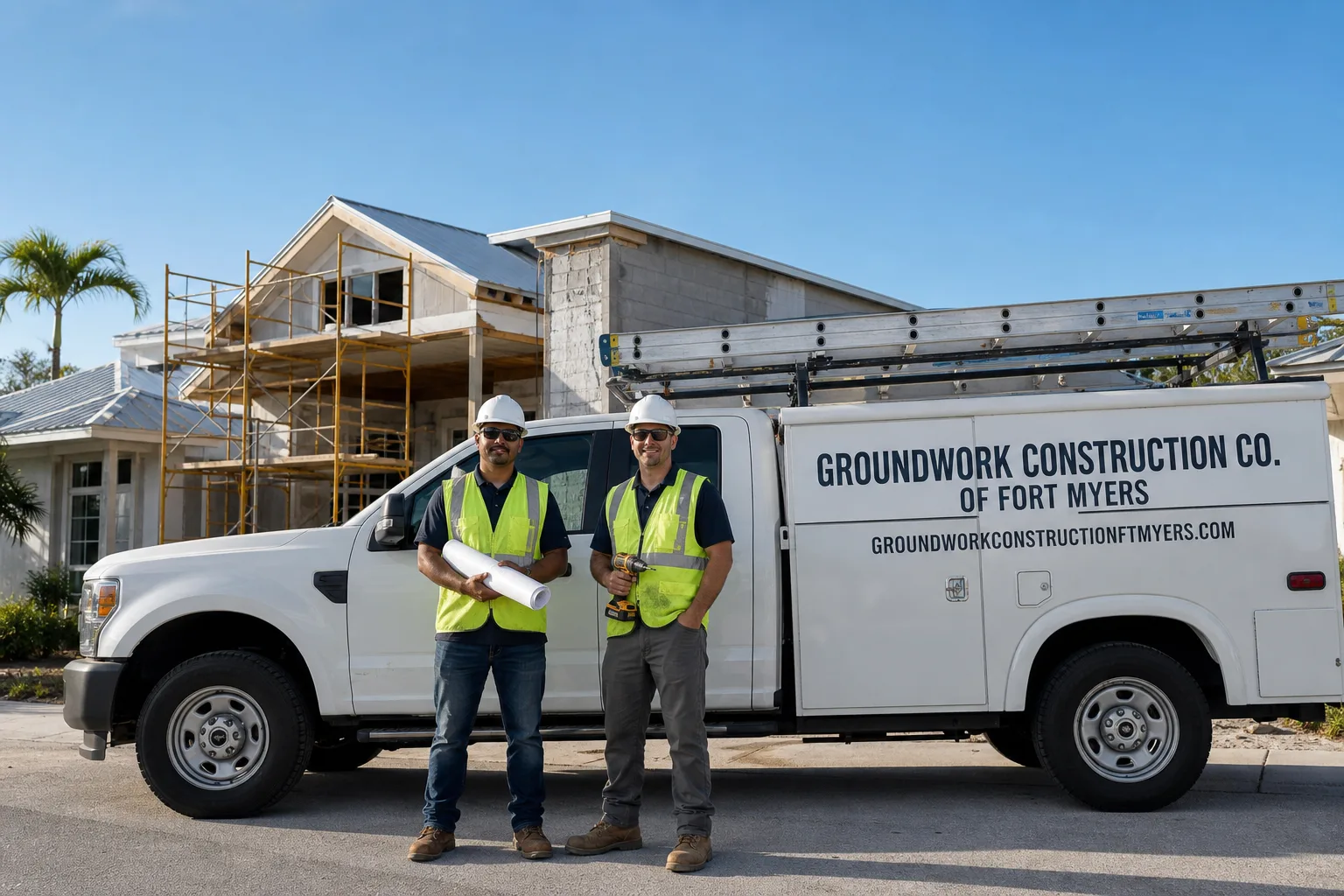
What Does Tile Roofing in Immokalee Really Cost and How Long Does It Take?
A full tile roof installation in Immokalee typically runs $15,000-$40,000 for a standard single-family home, with most jobs completed in 5-12 working days depending on whether we can reuse the existing underlayment or need a complete tear-off. Tile roof repair, which is what we handle far more often on the aging manufactured housing stock out here, usually falls between $600 and $2,500 when we can match the existing tile profile and the decking hasn’t rotted underneath. Call (844) 638-7249 and we will give you a written, line-item estimate built for your specific roof, not a brochure price.
What makes tile worth the investment in this climate is simple: when installed correctly over the right underlayment, a concrete or clay tile roof will outlast three asphalt shingle replacements. The inland heat and wet-season downpours in Immokalee punish roofing materials harder than the coastal breeze ever could 35 miles west, and tile is the one system that takes that abuse without buckling, curling, or granule-shedding inside a decade. But it is heavy, and on the pre-1994 manufactured homes that make up so much of the housing stock here, that weight requires an honest structural assessment before we quote anything.
How We Scope and Install Tile Roofing - the Actual Sequence
Every roofing crew has a method. Ours was built around the reality that nobody in Immokalee wants to be without a dry roof during a June thunderstorm because a contractor got the sequencing wrong. Here is what the first call through the final inspection actually looks like.
Stage 1: Structural and Decking Assessment (1 day)
We start on the ground, not on the ladder. Tile is heavy - concrete tile runs 600-1,100 pounds per square, and clay can be even heavier. On a site-built home with engineered trusses, that weight is usually accounted for. On a manufactured home built before the 1994 Florida Building Code update, especially the farmworker housing stock we see across Immokalee, we often find undersized rafters or no hurricane tie-downs at all. Before we quote a single tile, we crawl the attic and check the framing. If the structure cannot carry the load, we will tell you straight: you need reinforcement or a lighter alternative. We will not install tile on a frame that sagging will destroy in five years.
Stage 2: Tear-Off or Overlay Decision (0.5-1 day)
Florida code allows a second layer of roofing in some cases, but with tile we almost always recommend a full tear-off down to the decking. The reason is what we find underneath. On homes where the original underlayment was a single layer of 15-pound felt installed before Hurricane Andrew changed the code, we routinely pull back tile and find rotted OSB, rusted fasteners, and water stains that have been hidden for years. If the decking is sound and the existing underlayment is a modern self-adhered membrane, we can overlay. If there is any question, we strip it. A tile roof is only as waterproof as the layer you cannot see.
Stage 3: Underlayment, Flashing, and Waterproofing (1-3 days)
This is the stage that determines whether the roof leaks in year 2 or year 40. On a full replacement, we install a self-adhered high-temperature underlayment - we spec products rated for the Florida heat index, not the generic felt that cooks and cracks on an inland roof in Immokalee where there is zero coastal breeze to cool the deck. We replace all flashing at penetrations, walls, and valleys, and we install new drip edge at the eaves and rakes. If the home has a history of water intrusion at the chimney or plumbing vents (common on older manufactured units with poorly sealed roof penetrations), we build those areas up with additional membrane before a single tile goes down. This stage typically runs 1 day on a straightforward overlay and up to 3 days on a full tear-off with decking repairs.
Stage 4: Tile Installation and Cutting (2-5 days)
Tiles go on in a specific sequence: eave course first, then field tiles working upward, hip and ridge caps last. We use mechanical fasteners - screws or nails - on every tile in the perimeter and hip zones as required by the high-wind provisions of the Florida Building Code. In the field of the roof, tiles are fastened according to the manufacturer’s wind-load table for our exposure category. On a complex hip roof with multiple valleys, cutting tiles to fit takes almost as long as laying the field, and that is where the labor hours add up. A simple gable roof in Immokalee can be tiled in two days. A cut-up Mediterranean-style roof with barrel tile and multiple ridge lines can take five.
Stage 5: Final Inspection and Weather Test (0.5 day)
The morning after the last tile is set, we walk the entire roof with the homeowner if possible, pointing out every detail: how the ridge caps are mortared or fastened, where the flashing ties into the wall, how the valley cuts line up. We run a hose test on every penetration if the weather has not already done it for us. Collier County requires a roofing permit and a final inspection, and we schedule that inspection before we consider the job closed. The inspector will check fastener patterns, underlayment fastening, and flashing details. We have never failed an inspection on a tile job, and that track record comes from building to the inspector’s checklist from day one, not trying to hide anything under the tile.
The Tile Choices You Will Actually Be Deciding Between
You do not need a catalog of 50 profiles. For a home in Immokalee, the decision comes down to three real-world options, and each has a trade-off that matters more than the color.
- Concrete flat tile: The most common choice in Southwest Florida and the most cost-effective. Concrete tile runs $3-$6 per square foot for the material alone and weighs 600-1,000 pounds per square depending on the profile. It holds paint well, handles impact, and will last 40-50 years with proper underlayment. The downside is that it absorbs some water over time, so the underlayment is doing the real waterproofing work, and that membrane needs replacement at roughly the 25-35 year mark even though the tile itself is still sound.
- Clay barrel tile (S-tile): The classic Mediterranean look. Clay is fired, not poured, so it sheds water more effectively than concrete and never fades because the color runs through the body of the tile. Material cost ranges from $8-$15 per square foot, and the labor is higher because cutting and fitting barrel tile around hips, valleys, and ridges requires more skill and time. Clay is also more brittle - a tradesman walking the roof wrong can crack tiles, and replacing a single broken clay tile after the fact means finding a match from the same batch. We recommend clay for homeowners who want the authentic look and are willing to pay for it, not as a budget compromise.
- Concrete barrel or profile tile: A middle ground that gives you the curved profile of clay at a concrete price point ($5-$8 per square foot in material). These tiles are formed in molds that replicate the S-shape or a low-profile wave. The weight is comparable to flat concrete, and they are easier to source and match than imported clay. For most Immokalee homes, this is the sweet spot where appearance, durability, and cost meet.
Underlayment choice matters more than tile color. We specify a self-adhered, high-temperature membrane rated for our climate zone - products from GAF and CertainTeed are our standard spec, and we will show you the exact product data sheet before we order anything. If your home is in a higher-wind-exposure zone near the eastern agricultural fringe where there is little windbreak from tree cover, we may recommend an upgraded attachment pattern. That is a $400-$800 adder that is not optional in our book.
What Tile Roofing Costs in Immokalee, FL
A full tile roof replacement in Immokalee ranges from $15,000 to $40,000, based on real bids we have written for homes in this market. Tile repair - cracked or slipped tiles, localized underlayment patches, flashing replacements - runs $600 to $2,500. The wide range on replacement is not contractor markup games. It comes down to five variables that move the number every time.
Roof size and complexity. A 1,500-square-foot simple gable roof costs half what a 3,000-square-foot cut-up hip roof with dormers costs, even with the same tile. Every valley, ridge, hip, and penetration adds labor hours for cutting and flashing, and those hours add up faster than the square footage.
Existing decking condition. If we pull the old roof and find rotted OSB or plywood on 30% of the deck, you are looking at $2-$4 per square foot in sheathing replacement before underlayment goes down. We show you photos of what we find and give you a change-order price on the spot. We do not bury it in a vague allowance.
Tile material and profile. Flat concrete tile is the bottom of the price range. Clay barrel tile pushes toward the top. Profile tile sits in the middle. The cost difference between concrete flat and clay barrel on a medium-sized roof in Immokalee is typically $6,000-$12,000 in material alone.
Underlayment specification. A single layer of ASTM-rated synthetic underlayment costs less than a self-adhered high-temperature membrane, but we will not install the cheaper option on a tile roof in this climate. The membrane price difference runs $800-$1,500 on an average roof, and we build it into every quote because cutting it out is a false economy that guarantees a leak before the tile reaches mid-life.
Permit and inspection scope. Collier County permit fees on a reroof run $300-$800 depending on valuation. If the scope triggers a full Florida Building Code compliance review - which happens on pre-1994 manufactured homes where the original tie-down system was never upgraded - the job can pivot from a reroof to a structural upgrade. We flag this possibility during the assessment so you are not surprised by a supplemental permit fee.
Every estimate we write is a fixed-price, line-item document. You will see the exact tile product, underlayment spec, flashing detail, labor cost, and permit fee broken out. The price we agree on is the price you pay. Call (844) 638-7249 to schedule a free on-site estimate for tile roofing in Immokalee.
What Immokalee Homes Specifically Do to a Tile Roofing Job
Immokalee is not Naples, and a tile roof installed here faces a set of conditions that a coastal contractor 35 miles west never deals with. The housing stock tells the story. Most of the homes we bid on tile work for are either site-built ranch homes from the 1970s and 1980s or manufactured units brought in before the 1994 Florida Building Code tightened anchoring and wind-load requirements. In the farmworker labor camps that surround the agricultural core of the city, we routinely encounter roofs with unpermitted additions, undersized framing, and hurricane tie-downs that were never upgraded after Andrew.
What that means for tile roofing is straightforward: we cannot assume the structure is ready for the weight. On a site-built home, we verify the truss spacing and rafter size against the tile manufacturer’s load table. On a manufactured home, we look for the HUD data plate and check the original design loads. If the home was built before 1994 and has not had a structural upgrade, a full tile reroof may require adding tie-downs and strapping before the first tile goes on. That is a cost most homeowners do not see coming, and we surface it during the free estimate so you can decide before money is spent.
The inland climate adds its own demands. Immokalee sits at roughly 30 feet of elevation on flat terrain near the Everglades fringe, and the June-to-October wet season dumps heavy rain onto roofs with no coastal breeze to dry them out. Underlayment cooks in the sun at heat-index levels that degrade standard felt within a decade. We spec high-temperature membranes on every tile job here, period. The UV exposure also means that tile color matters - lighter colors reflect more heat and reduce thermal expansion stress on the underlayment, so we guide homeowners toward reflective profiles that hold up better over a 30-year horizon.
When Hurricane Irma tracked directly over Immokalee in 2017, it exposed a hard truth about the local housing stock: pulling a reroof permit on a pre-1994 manufactured home often triggers a full code compliance review that makes legitimate renovation economically unworkable. In those cases, demolition and replacement becomes the only viable path. We tell you upfront if your roof is in that category, because we have walked enough attics in Immokalee to know the signs before the inspector ever shows up. For many homeowners here, pairing a roof upgrade with Impact Windows & Doors in Immokalee or Sliding & Patio Doors in Immokalee makes sense as part of a broader hardening project, especially when financing is available at 0% for 18 months.
Serving Immokalee, FL - Our Local Coverage Area
We’re based in the Immokalee area and know this community well. Use the map below to see our service coverage - if you’re nearby, we can almost certainly help.
Frequently Asked - Tile Roofing in Immokalee
Most full tile roof replacements in Immokalee take 5 to 12 working days, with the timeline set by roof complexity, decking condition, and weather. A straightforward tear-off and tile-over on a simple gable roof can finish in a week. A cut-up hip roof with rotted decking and multiple valleys can push into two weeks. Tile repair jobs, like replacing broken tiles or patching underlayment, are typically done in a single visit. We do not rush the underlayment stage - a roof laid too fast during a wet-season window is a roof that leaks, and we would rather lose a day to weather than deliver a callback. Call (844) 638-7249 for a timeline based on your actual roof.
Yes. Collier County requires a building permit for any roof replacement, including tile reroofs, and the job must pass a final inspection. We pull the permit, schedule the inspection, and stand with the inspector on the day of the walkthrough. The permit cost is included in our written estimate. If your home is a pre-1994 manufactured unit, the permit process may trigger a structural compliance review that can expand the scope. We identify that possibility during our free assessment so you know what you are walking into.
If the underlayment underneath is still sound and the broken tiles are isolated - common after a storm throws debris across the roof - we can replace individual tiles for $600-$1,200 on a typical repair. The challenge on older roofs is matching the tile profile and color. If the original tile is discontinued, we source the closest match from our supplier network and blend it into a less-visible roof plane. If the underlayment has deteriorated, patching tiles without addressing the membrane just hides a leak that will find its way inside within a season or two. In that case, a partial reroof or full replacement is the honest answer. We will show you photos of what we find.
Tile roof repair in Immokalee runs $600-$2,500 depending on the number of tiles, the underlayment condition, and whether flashing needs to be replaced. A full tile roof replacement on a standard home ranges from $15,000 to $40,000. The decision between the two comes down to the age of the underlayment - if the membrane is past 20 years old and showing signs of breakdown, putting new tile over it is like painting over rot. We will give you an honest recommendation based on what we see during the inspection, not what generates the bigger invoice.
Every tile roof installation we complete is covered by the manufacturer’s material warranty on the tile itself - typically 50 years on concrete tile - and by our 730-Day Done Right Promise: if it is not done right, we make it right. The underlayment manufacturer also provides a warranty that varies by product. Before we start, you will have the warranty documents from every manufacturer in hand, not a verbal promise. We have been doing this since 2014, and the reason we put a two-year workmanship guarantee in writing is simple: a tile roof that is going to fail from an installation error usually shows the signs within the first wet season. We stand behind the work long enough to be sure.
Get a Written Tile Roofing Estimate in Immokalee
A tile roof is a 40-year decision, and the only way to price it honestly is to walk the roof, check the attic, and write a bid that accounts for what is actually there. Call (844) 638-7249 to schedule a free, on-site estimate for tile roofing in Immokalee. You will get a line-item price, a straight answer on whether your structure is ready for tile, and a timeline built around the weather, not a sales pitch. Our background-checked, uniformed crew will be on-site when we say they will be, and a live person answers the phone 24/7 - no voicemail, no waiting until Monday morning.
Written by Derek Hollenbeck, Owner at Groundwork Construction Co., serving Immokalee and Collier County with Roofing in Immokalee since 2014.