
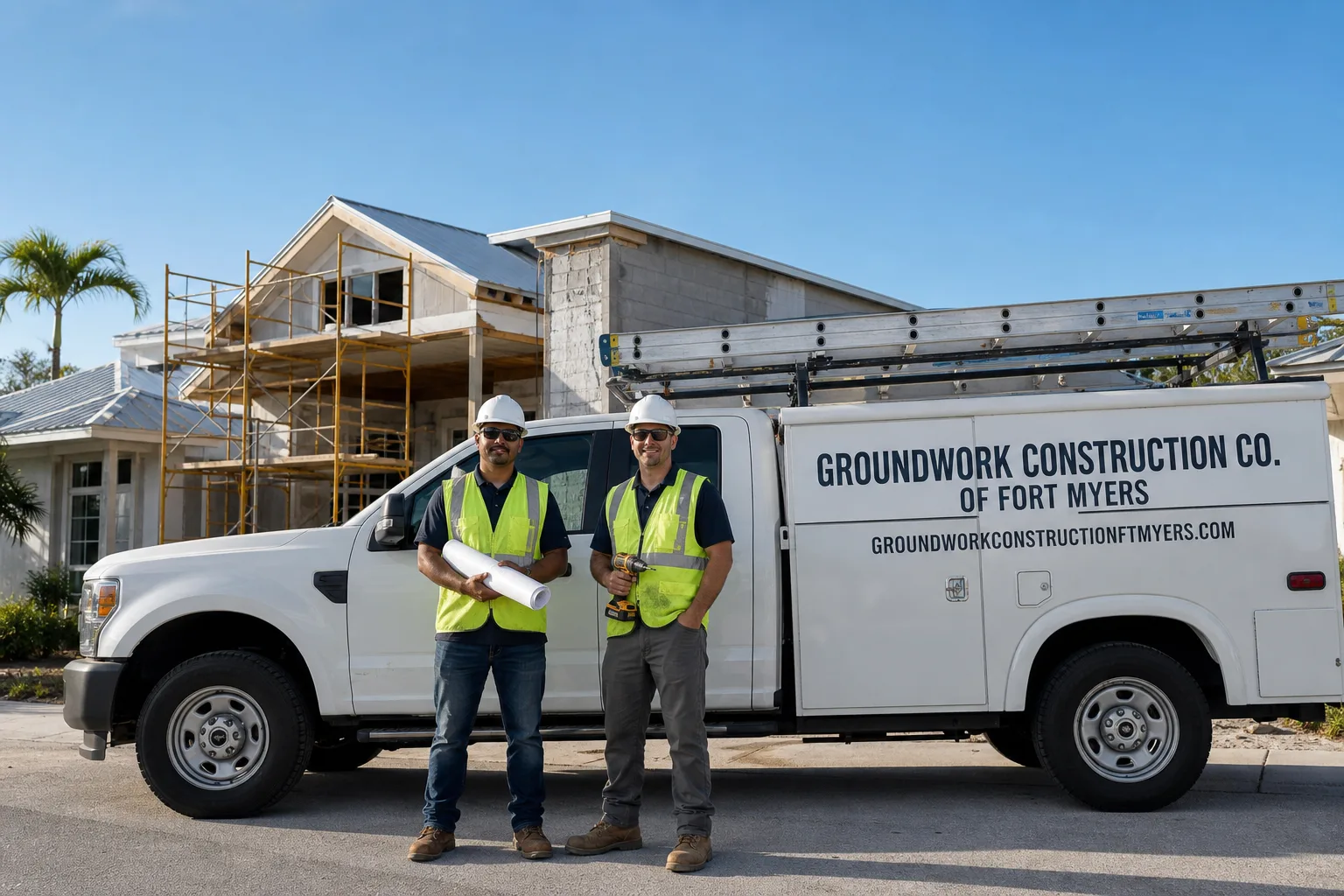
What Tile Roofing Costs and What to Expect in Pine Island Center, FL
Tile roofing in Pine Island Center typically runs $600 to $2,500 for repair work and $18,000 to $45,000 for a full replacement on an average island home, with most jobs completed in 3 to 7 working days once materials are staged. The wide range reflects whether we’re replacing a handful of cracked barrel tiles after a storm or stripping an entire roof down to the decking and rebuilding it to current Lee County wind codes. Call (844) 638-7249 for an exact quote once we’ve walked the roof in person.
What’s different about tile roofing here isn’t the tile itself. It’s what happens underneath: the underlayment, the fasteners, the attachment method, and whether the existing roof-to-wall connections can handle 160-plus mph uplift. On Pine Island Center homes built before Hurricane Ian, the answer is almost always no. That reality shapes every estimate we write and every permit we pull.
How We Approach Tile Roofing Jobs in Pine Island Center
Stage 1: The On-Site Assessment
We don’t quote tile roofing from satellite photos or drone footage alone. One of our crew leads walks the roof, checks the underlayment condition in the attic or from a lifted tile, inspects the existing fastener type (galvanized vs. stainless), and maps every cracked, spalled, or displaced tile. This takes about an hour. You’ll get a written line-item estimate within 24 hours that breaks out material, labor, permit costs, and the specific attachment method we’re recommending for your elevation and exposure. No ballpark that turns into a surprise later.
Stage 2: Permitting and Material Staging
Lee County requires a structural permit for any tile roof work that involves underlayment replacement or structural reattachment. We handle the submittal, including the wind-load calculations and product approvals for the tile and underlayment system we’re using. Material staging is the hidden variable in Pine Island Center. Because every pallet of tile, every roll of peel-and-stick underlayment, and every load of stainless fasteners comes across the Pine Island Road causeway, we coordinate deliveries for early morning windows before the mid-morning contractor traffic bottlenecks the bridge. This is not optional. It’s built into our project schedule as a line item, and we’ve been doing it since Ian reconstruction ramped up.
Stage 3: Tear-Off and Deck Inspection
Day one of the actual job: we remove the existing tile, strip the old underlayment, and expose the roof deck. This is where the quote gets confirmed or adjusted. If we find rotted sheathing, failed truss connections, or hurricane straps that were corroded beyond spec by decades of salt air, we document it, show you photos, and give you a change-order price before we proceed. On many Pine Island Center homes built in the 1960s through 1980s, we expect to replace at least some decking and upgrade the roof-to-wall connections. If the deck is sound, we move straight to dry-in. This stage typically takes one day.
Stage 4: Underlayment and Attachment System
We install a high-temperature self-adhering underlayment as the primary waterproofing layer, then fasten the tile per the manufacturer’s wind-rated attachment schedule for our wind zone. On elevated piling-foundation homes or those on the water-facing side of Stringfellow Road, this almost always means mechanical fastening of every tile with stainless steel screws or clips, not gravity-set tile with mortar alone. The salt environment here makes stainless fasteners non-negotiable. We’ve pulled too many rusted galvanized clips off post-Ian roofs to pretend otherwise. This stage runs two to three days depending on roof complexity, hips, and ridges.
Stage 5: Final Inspection and Close-Out
Once the tile is down and the ridge caps and flashing are sealed, we schedule the county inspection. Lee County inspectors will verify the nailing pattern, the underlayment exposure, and the tile attachment method against the permitted plans. After sign-off, we do a magnet sweep of the property for stray fasteners, walk you through what was done and why, and register the manufacturer warranty in your name. You’ll have our 730-Day Done Right Promise in writing before we leave the driveway. If anything isn’t right, we make it right.
Tile Choices and the Trade-offs That Matter
Not every tile is rated for 160 mph wind zones, and not every underlayment can handle the heat-soak of a southwest Florida summer with dark tile above it. Here’s what we actually choose between on Pine Island Center jobs:
- Concrete barrel tile (flat or round profile). This is the most common choice on island homes, and it’s what you’ll see across Pine Island Center. Concrete tile holds up to wind when mechanically fastened, handles the salt air without corroding, and costs less than clay. The trade-off: it’s heavier than asphalt or metal, so your roof structure has to be engineered for the dead load. On older wood-frame cottages, we sometimes need to reinforce trusses before tile goes on.
- Clay barrel tile. Lighter per square foot than concrete, naturally resistant to salt degradation, and historically accurate for Florida Mediterranean-style homes. The trade-off: clay tile is more brittle under foot traffic and impact, and replacement tiles after a storm can be harder to source quickly on the island. We typically recommend clay for higher-end homes where the architectural matching matters, but we’re upfront about the lead time for matching historic profiles.
- Flat concrete tile (low-profile). A cleaner look for mid-century or contemporary homes, and less wind uplift surface area than barrel profiles. The trade-off: flat tile channels water differently and demands a flawless underlayment install. Any low spot in the deck telegraphs through as ponding, which destroys tile in a freeze-thaw cycle (rare here, but it happens) or accelerates underlayment degradation in standing water.
- Underlayment specification. We standardize on self-adhering, high-temperature rated underlayment (SBS-modified or similar) for every tile roof in Pine Island Center. Felt underlayment does not meet the manufacturer wind warranty requirements for our design wind speeds, and we won’t install it under tile here. A secondary water barrier at the eaves is standard on all replacements, per code and per our own spec.
What Tile Roofing Costs in Pine Island Center, FL
Tile roof repair in Pine Island Center falls between $600 and $2,500 depending on how many tiles are damaged and whether the underlayment underneath is compromised. A full tile roof replacement on a typical island home runs $18,000 to $45,000. The low end is a straightforward tile-over-redeck on a simple hip roof under 2,000 square feet with no structural surprises. The high end is a steep, multi-ridge roof on a waterfront lot requiring full truss reinforcement, stainless clip attachment on every tile, and a tear-off that reveals corroded strapping throughout.
Five variables determine where your job lands in that range:
- Roof size and complexity. Square footage drives tile quantity. Hip and valley count drives labor hours and waste factor.
- Existing deck condition. If the sheathing is rotted or the original plywood was nailed, not screwed, we’re replacing it. That’s material and labor you can’t skip.
- Fastener and attachment upgrade. Galvanized clips were common pre-Ian. Stainless steel mechanical fasteners are what we spec now. The per-tile cost difference adds up on a 3,000-square-foot roof.
- Tile profile matching. If we’re repairing a section and need to match an existing discontinued tile profile, the per-tile cost can triple or require custom sourcing. We’ll tell you upfront if matching is possible or if a full replacement makes more financial sense.
- Permit and inspection scope. A simple like-for-like repair may not trigger a structural permit. Any underlayment replacement or attachment change does. We include the permit cost and the inspection coordination in every quote so you’re not left managing the county yourself.
Every written estimate from us includes the tile and underlayment line items, the fastener specification, the permit fee, the tear-off and disposal cost, and the labor for the full crew through final inspection. What it doesn’t include are change orders for hidden deck or truss damage which we can’t see until the old tile comes off. We photograph everything we find so you decide based on what’s actually under your roof, not what we guessed.
Why Tile Roofing on Pine Island Center Homes Is Different
Pine Island Center sits on an island with one two-lane causeway connecting it to the mainland. Every pallet of concrete tile, every bundle of underlayment, and every box of stainless fasteners crosses the Pine Island Road bridge, which means we stage materials around bridge traffic windows that a Cape Coral or North Fort Myers contractor never has to think about. After Hurricane Ian breached that causeway in September 2022 and temporarily cut the island off from supply routes, any builder working here learned that logistics are project management, not an afterthought. We schedule oversized loads for pre-dawn delivery before the fishing and contractor traffic stacks up at the Matlacha end. That isn’t a convenience. It’s how jobs finish on time.
The housing stock we work on here is in transition. Pre-Ian Pine Island Center was dominated by mid-century wood-frame cottages and modest CBS homes sitting at grade, most with original tile or asphalt roofs that had seen decades of salt mist and tropical weather. Post-Ian, we’re increasingly working on elevated piling-foundation homes being rebuilt with fully engineered roof systems designed for 160 mph-plus wind loads. The tile roofing on those new structures has to meet a different standard: mechanical fastening with stainless hardware throughout, secondary water barriers at all eaves, and underlayment systems rated for the heat and humidity of a roof that’s now 12 to 16 feet above grade and fully exposed to the wind off Pine Island Sound. We pull permits through Lee County for every one of these jobs, and we know the inspection sequence cold. If your home is in a community with architectural review requirements along Stringfellow Road or near the commercial core, we’ll coordinate that approval as part of the permit package.
The salt corrosion issue deserves its own sentence: we will not install galvanized hardware on a tile roof in Pine Island Center. We’ve pulled too many rusted straps and failed clips off homes within a quarter mile of the water to consider anything short of stainless steel acceptable. It’s standard in our quotes, not an upsell. You can pair a tile roof replacement with Impact Windows & Doors in Pine Island Center if you’re hardening the entire envelope, and we often see homeowners doing exactly that as part of a full post-Ian rebuild. For homes with large lanai openings, Sliding & Patio Doors in Pine Island Center are another common concurrent upgrade when the roof is already torn off and the structure is exposed.
If the project scope expands into a full Roofing in Pine Island Center conversation, our team covers the entire envelope, including underlayment, flashing, and ventilation, as one scope of work. Our Roofing crew has been on more tile roofs across Pine Island Center than we can count, and we’d rather walk your roof once and give you a real number than bid it blind.
Serving Pine Island Center, FL - Our Local Coverage Area
We’re based in the Pine Island Center area and know this community well. Use the map below to see our service coverage - if you’re nearby, we can almost certainly help.
Frequently Asked Questions About Tile Roofing in Pine Island Center
Most tile roof replacements on Pine Island Center homes take three to seven working days from tear-off to final inspection, assuming weather cooperates and we don’t uncover structural surprises under the old deck. The biggest variable is material staging. Tile is heavy, and deliveries come across the Pine Island Road causeway on a schedule built around bridge traffic. We factor that lead time into your project calendar at the estimate stage so you know exactly when materials arrive and when the crew starts. Call (844) 638-7249 and we’ll give you a project timeline specific to your roof.
If the repair involves replacing underlayment, changing the attachment method, or replacing more than a small section of tile, Lee County requires a structural permit with wind-load calculations and product approval documentation. A simple like-for-like tile swap with no underlayment disturbance may not trigger a permit, but we’ll tell you definitively after we assess the roof. We pull every required permit and coordinate the inspection. You shouldn’t have to manage the county yourself on a roofing job.
Sometimes yes, sometimes no. If your tile profile is still in production and the color hasn’t been discontinued, we can order a matching batch. If it’s a profile that went out of production before Ian, we may be able to source reclaimed tile from a salvage yard, but the per-tile cost jumps significantly. We’ll show you the numbers for both options: repair with a close-match current tile, or full replacement. You decide once you have the real cost comparison, not before.
Tile roof repair in Pine Island Center typically runs $600 to $2,500 when we’re addressing localized damage with intact underlayment underneath. A full replacement runs $18,000 to $45,000 depending on roof size, tile profile, fastener specification, and deck condition. If we’re finding that more than 30% of your tile is compromised or the underlayment has failed in multiple locations, a full replacement often costs less per year of serviceable life than chasing repairs. We’ll walk you through the math on-site.
The tile itself holds up. Concrete and clay are both highly resistant to salt degradation. What fails in the Pine Island Center salt environment are the metal components: the fasteners, the hurricane straps, the flashing, the ridge clips. That’s why we spec stainless steel hardware on every tile roof we install or repair within a mile of Pine Island Sound. Galvanized hardware corrodes in this air faster than manufacturer warranties account for, and we’ve seen enough of it post-Ian to make stainless standard, not optional. The underlayment also takes a beating from heat and humidity, which is why high-temperature self-adhering systems are our baseline for any tile roof in this ZIP code.
Get a Free Estimate for Tile Roofing in Pine Island Center
We’ll walk your roof, map every tile that needs attention, check the underlayment and fasteners, and give you a written estimate that breaks out the real cost of tile roofing on your Pine Island Center home. No pricing games, no change-order surprises after tear-off, and no galvanized hardware where stainless belongs. Call (844) 638-7249 to schedule your free on-site estimate. A live person answers, day or night, and we’ll have a crew lead at your property within the week.
Written by Derek Hollenbeck, Owner at Groundwork Construction Co., serving Pine Island Center and the surrounding communities.