
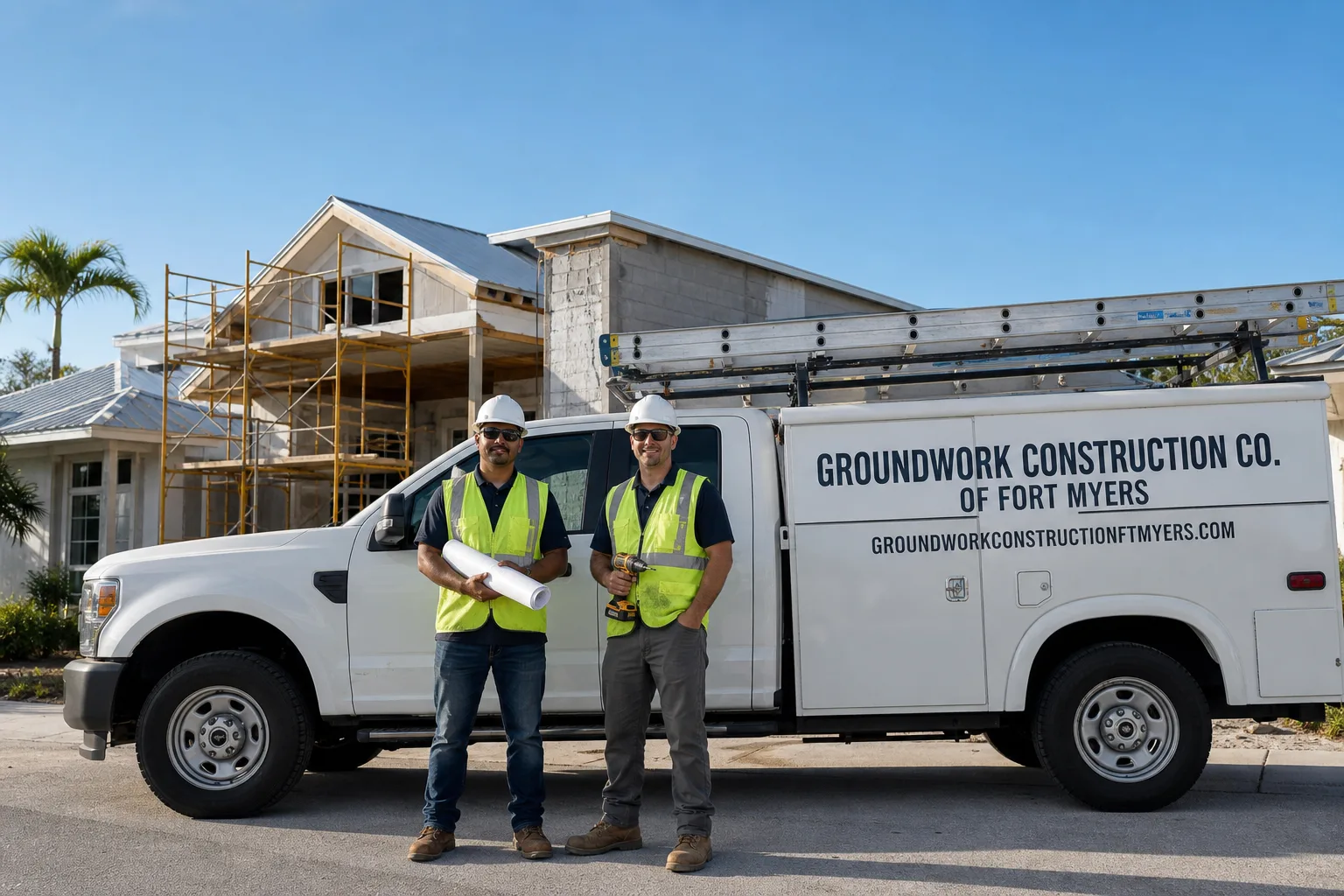
What a tile roofing project in Verona Walk actually involves, start to finish
Tile roofing in Verona Walk is rarely just pulling off old tiles and laying new ones. Most of the DiVosta-built homes here are hitting the 15-20 year mark, and the underlayment beneath those concrete tiles has reached the end of its useful life. That means a proper tile roofing job in this community typically involves a full lift-and-relay: removing the existing tile, replacing the deteriorated underlayment, flashing, and fasteners, then reinstalling the tile (or upgrading to new tile if you’re changing profiles). Realistically, the work takes five to seven working days from start to final inspection, and costs run between $10,000 and $22,000 depending on roof size, tile type, and whether we uncover hidden sheathing damage once the old tile is off. Call (844) 638-7249 and we’ll walk through what your specific roof needs.
How we handle tile roofing, from first call to final walkthrough
We’ve done enough tile roofs in Verona Walk to know that the process matters just as much as the product. Homeowners here want to understand the sequence before anyone sets a ladder against the house. Here’s how it works with us.
1. On-site assessment and HOA review kickoff
Before we touch a single tile, we spend about an hour at your home measuring, photographing, and documenting the existing roof condition. We check the attic for signs of underlayment failure, look at flashing around chimneys and valleys, and note any cracked or spalled tiles. Because Verona Walk has a mandatory architectural review process, we also take the photos and spec sheets you’ll need to submit to the HOA. That package goes to you the same day so you can start the approval clock while we finalize your estimate. This first step determines whether you’re looking at a straightforward underlayment replacement or a more involved project that needs new tile and possibly some sheathing work underneath.
2. Material selection and permit submission
Once you’ve chosen your tile profile and underlayment system (more on those options below), we pull the Collier County permit. Tile roofing permits here are not optional, and the county reviewer will want to see wind-load calculations and product approvals for everything going onto the roof. We handle that entire submittal. The HOA approval and the county permit run on parallel tracks, and we coordinate both so neither one holds up your start date. This stage typically takes one to two weeks, depending on board meeting schedules and county turnaround.
3. Tear-off and sheathing inspection
Day one on site is loud and fast. The crew sets up protection around the perimeter, then removes every tile, stacking salvageable ones on pallets and discarding broken pieces. The old underlayment comes off next, and this is the moment of truth. On roughly one in four Verona Walk homes, we find roof decking that’s taken on moisture over the years, especially near valleys and around plumbing vents. If the sheathing is compromised, we replace it right then with CDX plywood that meets Florida’s High-Velocity Hurricane Zone nailing requirements. This adds a day and some material cost, but skipping it means putting a 20-year roof on top of a compromised deck, and we won’t do that.
4. Underlayment, flashings, and water management
With the deck clean and solid, we install the underlayment system you’ve selected, lapped and fastened per the manufacturer’s wind-driven-rain specifications. All new flashings go in at this stage: drip edge at the eaves, step flashing at sidewalls, valley metal where roof planes meet, and new lead or synthetic boots at every pipe penetration. This is the waterproofing layer that protects your home, and in Verona Walk’s summer downpours, there is no room for shortcuts. We water-test critical areas before a single tile goes back on.
5. Tile installation and final inspection
The last two to three days are spent reinstalling tile. We use new fasteners on every tile per current code - the old nails and clips from 2004 are not reused. Ridge caps, hip tiles, and any decorative rake tiles go on last, secured with a combination of mechanical fasteners and flexible roof adhesive. Once the roof is complete, we schedule the county inspection and walk the property with you to make sure every detail matches what we agreed on. Only when the inspection passes and you’re satisfied do we consider the job done.
The options you’ll choose between when replacing a tile roof
Not every tile roof is the same, even in a single-builder community like Verona Walk where the original material palette was fairly consistent. Here are the decisions you’ll make.
- Flat concrete tile vs. S-tile profile. DiVosta primarily used flat concrete tile on these homes. You can stay with a flat profile for a clean, consistent look, or switch to an S-tile (also called barrel tile) for more texture. S-tile costs roughly 15-20% more and adds a bit of weight, which may trigger an engineering review depending on your specific roof structure. Both meet Florida wind-load codes when installed correctly.
- Underlayment grade. Peel-and-stick modified bitumen underlayment costs more than a standard synthetic underlayment but gives you a secondary water barrier that seals around fasteners. In a neighborhood where afternoon thunderstorms are a daily summer reality, the upgrade is worth discussing. We install both options and will price them side by side so you can compare.
- Reuse vs. replace the tile. If your existing flat tile is in good structural shape, you can reuse it and save on material cost. But we’re honest about what “good shape” means: spalled edges, hairline cracks, or color fading that bothers you might make replacement the better long-term call. New tile runs $2.50-$5.00 per square foot depending on profile and color, and that goes on top of the underlayment and labor that you’d pay either way.
- Color matching for partial work. If we’re only doing one roof plane or repairing a section rather than a full replacement, matching 15-year-old tile that’s been in the Florida sun is difficult. We can get close with current production runs from the same manufacturer, but a perfect match is rare. We’ll show you samples against your existing roof before you decide.
What tile roofing costs in Verona Walk, FL
A full tile roof underlayment replacement with tile re-installation in Verona Walk runs $10,000-$18,000 for most single-story DiVosta homes. If you’re replacing the tile entirely rather than reusing it, the range moves to $15,000-$22,000. Smaller repairs - say, a valley re-flash or a section of damaged tile replacement - run $600-$2,500 depending on scope.
What pushes the number toward the high end of those ranges:
- Roof square footage. The most obvious variable. A two-story with a smaller footprint may have less roof area than a sprawling single-story, so we price by actual squares, not by home size.
- Sheathing replacement. As we mentioned, moisture-damaged decking is a real possibility on 2004-2009 builds. When we find it, the per-sheet replacement cost gets added to the job at our fixed per-sheet rate, disclosed in your estimate up front, not sprung as a surprise change order.
- Tile profile change. Switching from flat tile to S-tile adds material cost and sometimes requires adjusted batten spacing. We factor that into the quote before you sign anything.
- Underlayment selection. Upgrading to a peel-and-stick membrane adds $800-$2,000 depending on roof size. It’s a line item, not a hidden markup.
- HOA-driven specification changes. Occasionally the architectural review board asks for a specific tile color or profile that differs from what you originally selected. That can affect material pricing, and we’ll update your estimate if it comes up.
Every estimate we write is a fixed-price, line-item document. It shows exactly what’s included: the tear-off, dump fees, underlayment material and labor, flashing replacement, tile re-installation or new tile, permit costs, and the final inspection. There’s no “miscellaneous” line and no allowance-based pricing that balloons later. Call (844) 638-7249 to schedule your free on-site estimate - we’ll have numbers back to you fast.
What Verona Walk homes specifically do to a tile roofing job
Verona Walk is a DiVosta-built community, constructed almost entirely between 2004 and 2009. That fact shapes every tile roofing project we take on here in ways that don’t apply a mile down the road. First, the HOA architectural review committee requires approval before we can pull a Collier County permit. This is not a rubber stamp. The committee cares about tile profile consistency, color matching with neighboring homes, and adherence to the community’s design standards. We’ve been through enough Verona Walk reviews to know what gets approved and what gets flagged, and we supply the documentation they’ll ask for so you’re not going back and forth on your own.
The roofs themselves are hip-style designs with poured-concrete wall tie-ins that demand clean flashing integration at every intersection. Because DiVosta used solid poured walls, any penetration work at the eaves or rooftop equipment curbs requires different tooling than standard block construction. The underlayment we’re pulling off these homes is the original 2004-2009 install, and in the past two years we’ve seen a pattern of valley and pipe-boot failures consistent with that age bracket. If your home is part of a Roofing in Verona Walk replacement wave that includes neighboring properties, we can often coordinate scheduling so material deliveries and dumpsters serve multiple homes efficiently.
This is also High-Velocity Hurricane Zone territory. Every component we install - tile, underlayment, fasteners, and flashings - must carry a Florida Product Approval for HVHZ use, and the county inspector will verify those approvals against the permit package. We don’t substitute non-rated materials to save cost. The wind-driven-rain protection matters just as much as the wind-uplift rating, because the daily weather here in Verona Walk tests a roof far more often than a named storm does. Homeowners who have also been considering opening upgrades often pair this work with Impact Windows & Doors in Verona Walk or Sliding & Patio Doors in Verona Walk to tackle the building envelope in one coordinated phase, which can simplify the permit and inspection process.
Serving Verona Walk, FL - Our Local Coverage Area
We’re based in the Verona Walk area and know this community well. Use the map below to see our service coverage - if you’re nearby, we can almost certainly help.
Frequently asked - Tile Roofing in Verona Walk
Five to seven working days for a typical single-story DiVosta home. Day one is tear-off and sheathing inspection. Days two and three are underlayment and flashing installation. Days four through six are tile re-installation. Day seven allows for the county inspection and any punch-list items. Rain delays can stretch that out during summer afternoons, but we build a weather buffer into our scheduling. If we’re replacing the tile entirely rather than reusing it, add a day for the new material to arrive and get staged.
Yes. Collier County requires a roofing permit for any underlayment replacement or tile work beyond minor repairs on a handful of tiles. We pull the permit as part of the project, and the cost is included in your estimate. You’ll also need HOA architectural review approval before the permit can be issued. The Roofing team at Groundwork Construction Co. manages both, so you’re not chasing paperwork on two fronts.
We can get close. DiVosta used specific concrete tile colors in the 2004-2009 build window, and current production runs of flat concrete tile in similar earth tones exist. However, 15-plus years of Florida sun changes the surface color of the original tile, and a brand-new tile laid next to it will look different, especially in direct sunlight. We’ll bring physical samples and hold them against your existing roof so you can see the difference before deciding. If a perfect match is critical, a full roof replacement may be the better path.
The tile manufacturer warranties the tile itself, typically 30 to 50 years for concrete tile. The underlayment manufacturer warranties the underlayment, generally 15 to 30 years depending on the product you select. Our workmanship is covered by the Groundwork Construction Co. 730-Day Done Right Promise - if something isn’t installed correctly, we fix it. That’s one of the longest workmanship guarantees in residential roofing, and it’s in writing, not a verbal assurance.
It can, but only for one reason: we find sheathing damage that wasn’t visible during the attic inspection and couldn’t be seen until the tile and underlayment came off. That happens on about 25% of the Verona Walk roofs we open up. If it happens on yours, we show you the damaged decking, explain what needs to be replaced, and give you a per-sheet price that was already listed in your original estimate. There are no other change orders, no material upgrades mid-job that inflate the cost, and no surprises at the final invoice. You’ll know the worst-case number before we start.
Let’s get your Verona Walk tile roofing estimate scheduled
Call (844) 638-7249 and we’ll set up a time to walk your roof, measure everything, and put together a fixed-price estimate with real numbers, not ballparks. The estimate is free, and you’ll have it in hand fast. If you’re ready to move, we’ll get your HOA review package and Collier County permit moving right away. Calls are answered by a live person, any time, day or night.
Written by Derek Hollenbeck, Owner at Groundwork Construction Co., providing tile roofing in Verona Walk with fixed pricing and a 730-Day Done Right Promise on every job.