
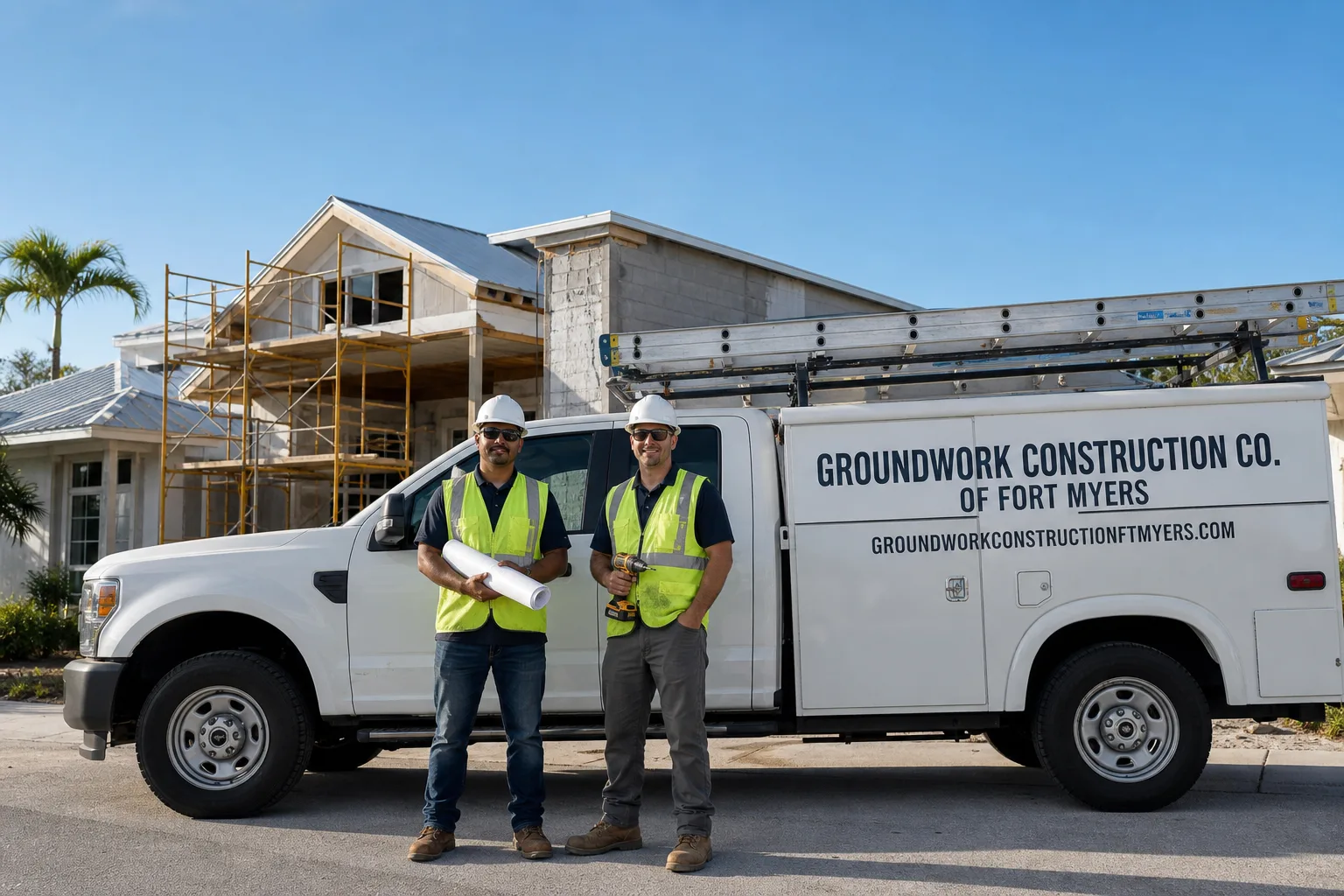
What a Wood Fence in Gateway Actually Costs (And How Long It Takes)
A wood fence in Gateway typically runs between $3,500 and $9,000 for a standard residential lot, with most jobs finishing inside three to five working days once materials are on site. The number shifts based on linear footage, any HOA-mandated style requirements, and whether we’re pulling old concrete-set posts or starting with fresh ground. Call (844) 638-7249 and we’ll walk the property with you, take measurements, and hand you a line-item price before we leave - no vague email a week later.
How We Build a Wood Fence That Stays Square and Solid
Most fence crews rush the parts nobody sees. We don’t. A wood fence in Florida’s soil and humidity earns its life expectancy in the first two days, before a single picket goes up. Here’s the sequence we follow on every job in Gateway:
Day 1 - Layout, Utility Locates, and Post Holes. We call 811 before we put a shovel in the ground - that’s state law and just smart practice. While we wait for locates to clear, we stake the fence line with you walking beside us, confirming property boundaries and gate swing direction. Once everything’s marked, we core or auger post holes to a minimum 24-inch depth, which puts the concrete footer below Lee County’s seasonal water-table shifts. Shallower holes are why fences lean after two summers. We set end and corner posts first, brace them level, and pour.
Day 2 - Concrete Cure and Post-Plumb Check. Fast-set concrete is set enough to frame by the next morning, but we’re looking for more than “set.” We check every post for plumb with a 4-foot level - six sides, every post. If one moved overnight, this is the hour to correct it, not after the rails are hung. While concrete finishes curing, we pre-cut rails and pickets to your chosen height and style so material is ready when the posts are.
Day 3 - Rails, Pickets, and Gate Assembly. We hang 2×4 pressure-treated rails between posts using galvanized or stainless fasteners - never electroplated hardware that rusts out in three years of Florida humidity. Pickets go up with consistent spacing set by a storey-pole jig, not a tape measure, so the reveal stays uniform from corner to corner. Gates get welded steel frames with wood-face panels - a wood-only gate sags within a season, and we’d rather build it once.
Day 4 - Trim, Cap Trim, and Stain-Ready Finish. We install cap trim on the top rail, mitering corners where the fence line turns so water doesn’t pool on end grain. Every cut end of every board gets a brush-coat of wood preservative before it’s fastened; that’s the step crews skip to save an hour and it’s why their work weathers gray in eighteen months. If you elected to have us stain or seal, we schedule that after the wood has acclimated - green pressure-treated lumber needs a few weeks to dry before stain bonds properly.
Day 5 - Cleanup, Walkthrough, and the 730-Day Promise. We haul off every scrap, run a magnet roller for stray fasteners, and walk the whole fence line with you. We check each gate’s latch and swing, and we hand you our 730-Day Done Right Promise in writing: if anything isn’t right, we come back and make it right. No phone tag, no claim forms. Our warranty period is one of the longest you’ll find in residential construction, and it applies to every wood fence we build in Gateway.
The Spec Decisions You’ll Make Before We Break Ground
Every wood fence starts the same way: standing in the yard, looking at the property line, asking yourself what matters more - privacy, budget, or how long it lasts. Here are the real choices and their trade-offs:
- Pressure-treated pine. The workhorse. It’s the most common pick in Gateway because it keeps the price near the lower end of the range - around $3,500 to $5,500 for a typical 150-linear-foot job. Southern yellow pine treated to ground-contact rating holds up to Florida insects and humidity, but it will shrink as it dries and will need a stain or sealant coat every two to three years to stay gray-free.
- Cedar. Costs more - material alone can add $2,000 to $3,000 to the same footprint - but brings natural oils that resist rot and insects without chemical treatment. It weathers silver if left unfinished, which some HOAs in Gateway are fine with and some explicitly aren’t, so check your community’s architectural guidelines. Cedar is lighter than pine and easier on gate hinges long-term.
- Tropical hardwood (IPE or similar). The top of the price curve. Hard enough to need pre-drilling for every fastener, dense enough to sink in water, and rated for decades of ground contact. Beautiful material, but it pushes a standard residential fence into the $8,000-to-$9,000 range and limits future modifications - matching panels five years later is harder with exotic stock.
- Picket spacing and height. Most Gateway communities cap fence height at 6 feet for side and rear yards, with front-yard fencing restricted or prohibited by CDD rules. If you want a true privacy screen with zero sight gap, we use a tight board-on-board overlap; a semi-private design can open the spacing to a half-inch reveal. Both change material counts and labor, so we quote them separately.
- Gate configuration. A single 4-foot walk gate is straightforward. A double-drive gate for boat or trailer access needs a heavier frame, a drop-rod on the inactive leaf, and sometimes a steel stiffener embedded in the bottom rail - all of which moves the price. We discuss gate load during the estimate because it changes the engineering, not just the width on paper.
What a Wood Fence Costs in Gateway, FL
Plan for $3,500 to $9,000 on a standard-size residential lot in Gateway. The low end covers a straightforward pressure-treated pine fence with a single walk gate and no unusual terrain - think clear, flat side-yard runs with good access for equipment. The high end is a cedar or tropical-hardwood fence with a double gate, cap trim, top caps on every post, and stain applied post-cure.
Four things move the number:
Linear footage. Straight math. More fence line equals more posts, more pickets, more concrete, more hours.
Material grade. Pine is the most affordable; premium cedar and IPE are not. Finish-grade material costs show up in the board-foot price before a single cut is made.
Removal of old fence. If we’re pulling existing posts set in concrete - common in Gateway’s 1990s-era homes - that’s extra labor and a dump run. Soft, rotted posts pull faster; old concrete footers the size of a 5-gallon bucket do not.
Gate hardware and count. Every additional gate adds a hinge kit, a latch, and framing time. A rolling gate or a custom-width double drive gate can add $800 to $1,500 on its own depending on material and span.
Every estimate we write is line-item - posts, rails, pickets, concrete, hardware, demo, haul-off - so you see what costs what. No lump-sum guesswork, no change-order surprises when the crew hits rock or roots. We quote it, we honor it. And if you’re pairing a wood fence with a hardscape project, we can coordinate the whole scope as one timeline; our crews also handle Paver Driveways in Gateway and Concrete Driveways & Concrete Work in Gateway, which lets you sequence fencing and paving without juggling two contractors.
Why a Wood Fence in Gateway Isn’t the Same as Everywhere Else
Gateway is a master-planned Community Development District, which means the fence you want and the fence you’re allowed to build don’t always start as the same thing. Before we submit a Lee County building permit, your community’s architectural review committee needs to sign off on the fence style, height, material, and color - even for a replacement that matches what’s already there. We’ve been through this process enough times to know which communities accept stained pine and which require a specific cedar profile with a cap-trim detail. We pull the CDD application, handle the resubmission if there’s a revision request, and we don’t start digging until the ARC letter is in hand.
Gateway’s housing stock - primarily concrete-block homes built between 1990 and 2010 sitting on flat, irrigated lots - means two things for wood fence work. First, the soil is sandy fill over limestone caprock in a lot of sections. Post holes that hit shallow rock need a rock bar or, in some corners of the community, a small auger bit with hammer capability. Second, a surprising number of original fences we tear out here show the same failure mode: posts set in concrete that never reached below the organic topsoil layer, so the footer essentially floats and the post works loose over several wet summers. We set posts to 24 inches minimum, through the topsoil and anchored in compacted subgrade, which is what keeps a gate from dragging dirt by year three.
The aftermath of Hurricane Ian still echoes through supply chains. Pressure-treated pine lead times got long across Lee County post-2022 and have only recently stabilized. We keep a pre-purchased buffer of common-dimension stock for Gateway jobs so a mill delay doesn’t idle a crew for a week. Cedar and hardwood have their own supply rhythms; we can tell you on estimate day what’s in the yard and what’s a special order.
If the wood fence is part of a broader outdoor plan - many homeowners here are upgrading fencing alongside patio and driveway work - our Fence Installation in Gateway team handles the whole project from the ground up, not just one trade at a time.
Serving Gateway, FL - Our Local Coverage Area
We’re based in the Gateway area and know this community well. Use the map below to see our service coverage - if you’re nearby, we can almost certainly help.
Frequently Asked - Wood Fence in Gateway
Three to five working days for a standard residential fence, start to finish. The biggest variable is the HOA architectural review timeline, which runs on the CDD’s schedule, not ours. We submit the application as soon as you approve the design, and we start the clock on construction once approval and the Lee County permit are in hand.
Yes. Lee County requires a building permit for any fence, and Gateway’s CDD adds the architectural-review step upstream of that. We pull the permit, schedule the inspections, and make sure the final product meets code. You won’t have to stand at a county counter yourself.
It shouldn’t. We write fixed-price, line-item estimates - the lumber count, post quantity, hardware, and labor are priced before we break ground. If we hit an unforeseen condition (buried concrete from a pool removal, rock, an abandoned footer), we stop, show you what we found, and hand you a separate change order only if you approve it. The 730-Day Done Right Promise means we don’t cut corners to protect a margin.
Pressure-treated pine, properly installed and maintained with a re-seal every two to three years, typically holds 15 to 20 years in Gateway. Cedar can push to 25. Tropical hardwoods outlast the hardware. The real lifespan-killer isn’t sun or rain - it’s posts set too shallow in sandy soil, which is why we bury them a full two feet and set them in concrete.
We can. Matching aged wood takes a careful eye on board width, picket profile, and cap-trim detail. We pull a section measurement off your existing fence line during the estimate and match the reveal and fastener pattern. If the original wood has weathered, we can also seal the new section to accelerate the color catch-up so the repair blends. Our fence installation crew has done enough repair tie-ins that this is a standard workflow, not a special request.
Let’s Walk the Property Line Together
We’re Gateway‘s full-scope construction team, and a wood fence here needs to check three boxes: HOA-compliant, storm-season tough, and priced transparently. If you’re ready to talk fence, call (844) 638-7249 - a real person answers, 24/7, and schedules your free on-site estimate. We show up, measure everything, show you material samples, and leave you a written price you can act on when you’re ready. No pressure, no voicemail black hole.
Written by Derek Hollenbeck, Owner at Groundwork Construction Co., serving home construction projects in the Fort Myers region since 2014.