
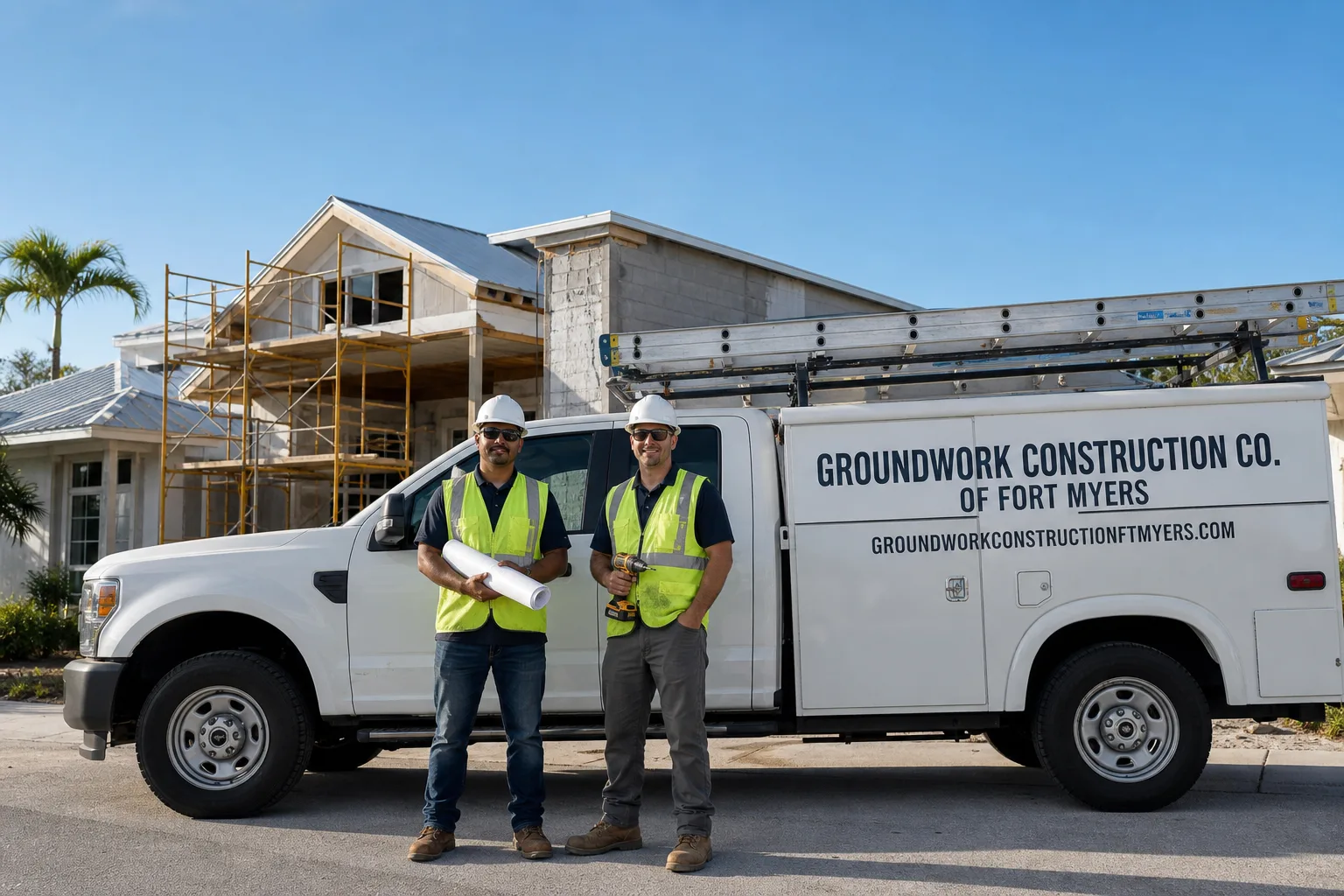
What a Wood Fence in Plantation Actually Costs and How Long It Takes
A wood fence in Plantation runs $3,500 to $9,000 for a standard residential yard, with most projects wrapping up in 3 to 5 working days once materials land on site. That price covers pressure-treated pine or cedar pickets, pressure-treated posts set in concrete, all gate hardware, and standard-height 6-foot panels. Call (844) 638-7249 for a line-by-line quote specific to your property lines. We do not bid over the phone sight-unseen, but we do give you a written number broken down by material, linear foot, gate count, and removal cost before you agree to anything.
How a Wood Fence Goes In - What Happens Day by Day
Most homeowners assume a fence crew shows up one morning and leaves with a finished fence by sundown. That almost never happens in Plantation, and when it does, corners get cut. Here is the real sequence, the one that produces a fence that stays straight through August squalls and does not sag three summers in.
Stage one: site walk and utility locate
Before a shovel hits dirt, someone visits your property to flag the exact fence line, confirm you want the face of the pickets facing your yard or your neighbor’s, and measure everything twice. We call 811 for a utility locate - Florida law requires it, and no reputable contractor skips it - which takes 48 to 72 hours for the markings to come back. This is the part of the timeline out of our control, and it is also the part that separates a permitted job from a liability nightmare if a gas or electric line gets clipped.
Stage two: post-hole digging and concrete setting
Once the locate flags are up, the crew digs post holes with an auger, going 24 to 30 inches deep to get below the root zone of Plantation’s mature oak canopies. In older neighborhoods like Plantation Acres or the tree-heavy subdivisions east of University Drive, roots are the biggest variable in how long this stage takes - a single large oak root can add an hour of hand-digging to one hole. Pressure-treated 4×4 or 6×6 posts go in, each plumbed and braced, and concrete gets poured at the base. That concrete needs a full 24 hours to cure before any weight hangs on those posts. Skip the cure time and the posts shift the first time a kid slams a gate.
Stage three: horizontal rail framing
After the concrete sets, the crew runs 2×4 pressure-treated rails between posts - typically three rails for a 6-foot fence, two for a 4-foot. This is the skeleton that everything hangs on, and the difference between a fence that stays true and one that waves is whether the rails are cut to fit tight and screwed, not stapled. We use coated exterior screws rated for ACQ-treated lumber, which is a material decision that adds maybe $80 to $120 in fasteners for a typical yard and eliminates the staple pull-out that Plantation humidity accelerates.
Stage four: picket installation and gate mounting
Pickets go up one by one, each checked for plumb and gapped about an eighth of an inch to allow for the swelling that South Florida’s wet season brings. Gaps too tight and the fence buckles by September; too wide and your yard becomes a fishbowl. Gates get mounted with steel hinges sized to the gate weight - a wide double-drive gate on a corner lot off Broward Boulevard gets a heavier post and welded hardware that a 3-foot garden gate does not need. This stage is where the look of your fence actually takes shape, and it is also where you will notice if a crew is rushing.
Stage five: final walkthrough and cleanup
The last day is for level-checking every panel, testing every gate swing, pulling out debris, and walking the line with you. If a picket has a crack that opened during install, we swap it. If a gate latch binds, we adjust it. This is the moment we want you to point at anything that does not look right, because fixing it now costs us nothing and fixing it six months later costs everyone time. Our 730-Day Done Right Promise means that walkthrough is not your last chance to flag something - if anything shifts, twists, or pulls loose inside two years, we make it right.
The Material Choices That Shape Your Wood Fence
Most Plantation homeowners only hear “wood fence” as one category, but the material choice is the single biggest decision driving longevity and price. Here is what you are actually picking between.
- Pressure-treated Southern yellow pine: This is the workhorse. It costs less - typically $18 to $24 per linear foot installed - and holds up well in Florida’s humidity if the treatment is ground-contact rated (look for UC4A or UC4B stamps). The trade-off: it is a softwood, so gate posts bearing weight on a wide driveway gate will show movement sooner than a hardwood post. For most backyards in Plantation, this is the right balance of cost and lifespan.
- Cedar: Cedar runs $28 to $38 per linear foot and shows up looking richer - reddish-brown with a tighter grain that resists warping better than pine. It does not require the same level of chemical treatment, which appeals to homeowners with vegetable gardens or kids who lean against the fence. The real trade-off is not just cost; cedar needs re-sealing every 18 to 24 months in Plantation’s sun and rain cycle, or it silvers to gray faster than most people expect.
- Composite trim boards (not full-composite panels): We occasionally use composite top caps and trim boards on a wood-frame fence for homeowners who want the wood look with less maintenance at the top rail, the part that catches the most sun. It is a hybrid approach that adds maybe $400 to $800 for a typical yard and eliminates the most common rot point. ActiveYards and similar systems make trim profiles that mate cleanly with standard 2×4 framing.
Post size matters more than most people realize. A 4×4 post is standard for a 6-foot fence, but if you are running a long, unbroken stretch across a Plantation yard that catches crosswinds during a tropical storm, stepping up to 6×6 corner and gate posts - and setting them deeper - adds maybe $200 to the total and buys a lot of wind-resistance. We will tell you if your layout warrants it.
What a Wood Fence Costs in Plantation, FL
A typical wood fence in Plantation lands between $3,500 and $9,000. The low end is a straightforward backyard with clear access, no removal of an existing fence, standard pressure-treated pine, one walk gate, and under 150 linear feet. The high end is a property with 250-plus linear feet, a double driveway gate, tear-out and disposal of an old fence, and cedar or a material upgrade.
Here is what pushes the number up or down:
- Linear footage: The single biggest driver. Every additional 10 feet adds roughly $220 to $350 in material and labor, depending on the wood species.
- Existing fence removal: Hauling away an old wood or chain-link fence and disposing of it adds $400 to $900 depending on length and whether posts were set in concrete. If the old posts were dry-set in sand - common in some Plantation subdivisions built in the 1970s - removal is faster; if they are in concrete, it is half a day of jackhammer work.
- Gate count and type: A single walk gate is built into the base price. A double-drive gate with steel frame reinforcement adds $500 to $1,200 depending on width. Adding a second walk gate on a side yard adds $300 to $500.
- Access and grade: If the fence line runs through a tight side yard where the auger cannot fit and holes must be hand-dug, labor hours climb. If your yard slopes toward a canal or drainage easement - not uncommon in Plantation’s low-lying lots - extra concrete and longer posts are needed to keep the bottom rail level.
- Permit scope: Most wood fence replacements are straightforward and the permit cost is baked into our estimate. If your property sits in a historic district or involves a variance for setback from a waterway, plan submittal takes longer and may add $200 to $400 in permit fees.
Every estimate we write is line-by-line: you see the dollar amount for posts, pickets, rails, concrete, hardware, gates, removal, and the permit line. Upfront pricing with no surprises is how we deliver trust in writing, and the number on the estimate is the number you pay unless you change the scope mid-job.
What Plantation Homes Specifically Do to a Wood Fence
Plantation was built out in deliberate phases from the late 1950s through the mid-1980s, and the housing stock shows it. Entire neighborhoods - from the blocks around Plantation Central Park up to the subdivisions east of Pine Island Road - share the same construction era, the same CBS (concrete block and stucco) homebones, and the same fence failure patterns we see on repeat.
The biggest local factor is the mature tree canopy. Plantation’s older subdivisions were landscaped with live oaks and mahogany trees that are now 50 to 60 years old and sitting feet from property lines. Roots lift and twist fence posts. A fence contractor working anywhere near Fig Tree Lane or the heavily wooded stretches of Plantation Acres has to plan post-hole placement around root systems, which means some posts shift a foot left or right from the ideal spacing. That is not sloppy layout; that is respecting the tree and preventing a root-cut that destabilizes a 40-foot oak.
The second factor is Broward County’s wind-load requirement. Plantation falls under Broward’s building jurisdiction, not Miami-Dade’s HVHZ code, so the documentation threshold for a fence is lighter than what Miami contractors expect - but the wind is not. We anchor gate posts deeper and use thicker-gauge hardware than the bare minimum because a 6-foot fence panel becomes a sail in 70-mile-per-hour gusts, and the fence lines perpendicular to prevailing storm winds - often the east-west runs - take the worst beating. We see it in post-storm calls: fences that were built to code but not beyond it get pushed off-plumb by a few degrees, just enough that gates stop latching.
HOA rules are the silent variable. Plantation has active homeowner associations in nearly every subdivision, and some have specific material, height, and setback requirements that pre-date and exceed the city’s code. Before you choose a stain color or picket style, we confirm what your HOA architectural committee actually approves, because the fastest way to double your fence cost is to install one the board makes you tear out. We have worked in enough Plantation communities to know which ones run a tight review process.
If your fence project is part of a larger outdoor overhaul, homeowners here often pair it with Paver Driveways in Plantation or Concrete Driveways & Concrete Work in Plantation to rework the whole front or back yard in one push. For a broader look at what goes into a full property-line project, our Fence Installation in Plantation page covers the wider scope, and the Fence Installation hub explains how our crew approaches any material system. We serve all of Plantation and surrounding communities, and we know the local inspection rhythm well enough to sequence work so you are not waiting on a permit office backlog while materials sit in your driveway.
Serving Plantation, FL - Our Local Coverage Area
We’re based in the Plantation area and know this community well. Use the map below to see our service coverage - if you’re nearby, we can almost certainly help.
Frequently Asked - Wood Fence in Plantation
From the day you call to the day the crew walks off, plan on two to three weeks. The estimate visit happens within a few days. The utility locate takes 48 to 72 hours after we call 811. Material delivery is typically 5 to 7 business days once the order is placed. On-site labor is 3 to 5 days for a standard yard. The single longest wait in Plantation is usually the utility locate, not the construction itself. Call (844) 638-7249 to get on the schedule; estimates are free and we work weekends if that fits your calendar.
Yes, in most cases. Broward County requires a permit for any fence over a certain height, and Plantation’s city code adds specific setback and material rules depending on your zoning district. We pull the permit as part of the job and build the cost into your estimate - you do not need to file anything yourself. If your property borders a canal or sits in a district with additional review requirements, the permit timeline may stretch by a week or two, but we flag that upfront.
Yes. Tear-out and disposal of an existing fence - wood, chain-link, or aluminum - is included in our estimate as a separate line item. We cut posts below grade and fill the holes rather than leaving stubs that rot and sink. If the old posts are set in concrete, the removal takes longer and costs more, and we will tell you what you are looking at after we see the existing fence during the site walk.
Our workmanship is covered by the 730-Day Done Right Promise - if anything shifts, warps beyond normal movement, or pulls loose within two years of install, we fix it. The lumber itself carries the manufacturer’s warranty against rot and insect damage, which varies by wood species and treatment grade. Pressure-treated pine typically carries a limited lifetime warranty against termites and fungal decay when it is ground-contact rated. We use only lumber stamped for ground contact on posts.
You can, but wait. Pressure-treated wood needs 60 to 90 days to dry out to a moisture level that will actually accept stain - if you stain too early, the treatment chemicals and internal moisture block absorption and the finish peels within months. Cedar can be sealed sooner, usually within 30 days. If you want the fence stained as part of the job, we can include it in the estimate; we use a penetrating oil-based stain that holds up to Plantation’s wet-dry-wet cycle better than water-based products.
Get a Free Estimate for Your Wood Fence in Plantation
A wood fence in Plantation starts with a straight number, not a guess. Call (844) 638-7249 and we will schedule a site visit, measure your fence line, talk through material choices, and hand you a written, line-by-line estimate. No deposit until you approve the scope, no surprises after the work starts. Derek Hollenbeck and the team at Groundwork Construction Co. answer the phone when you call - 24/7, live.
Written by Derek Hollenbeck, Owner at Groundwork Construction Co., serving Plantation and surrounding communities with transparent pricing and the 730-Day Done Right Promise.