
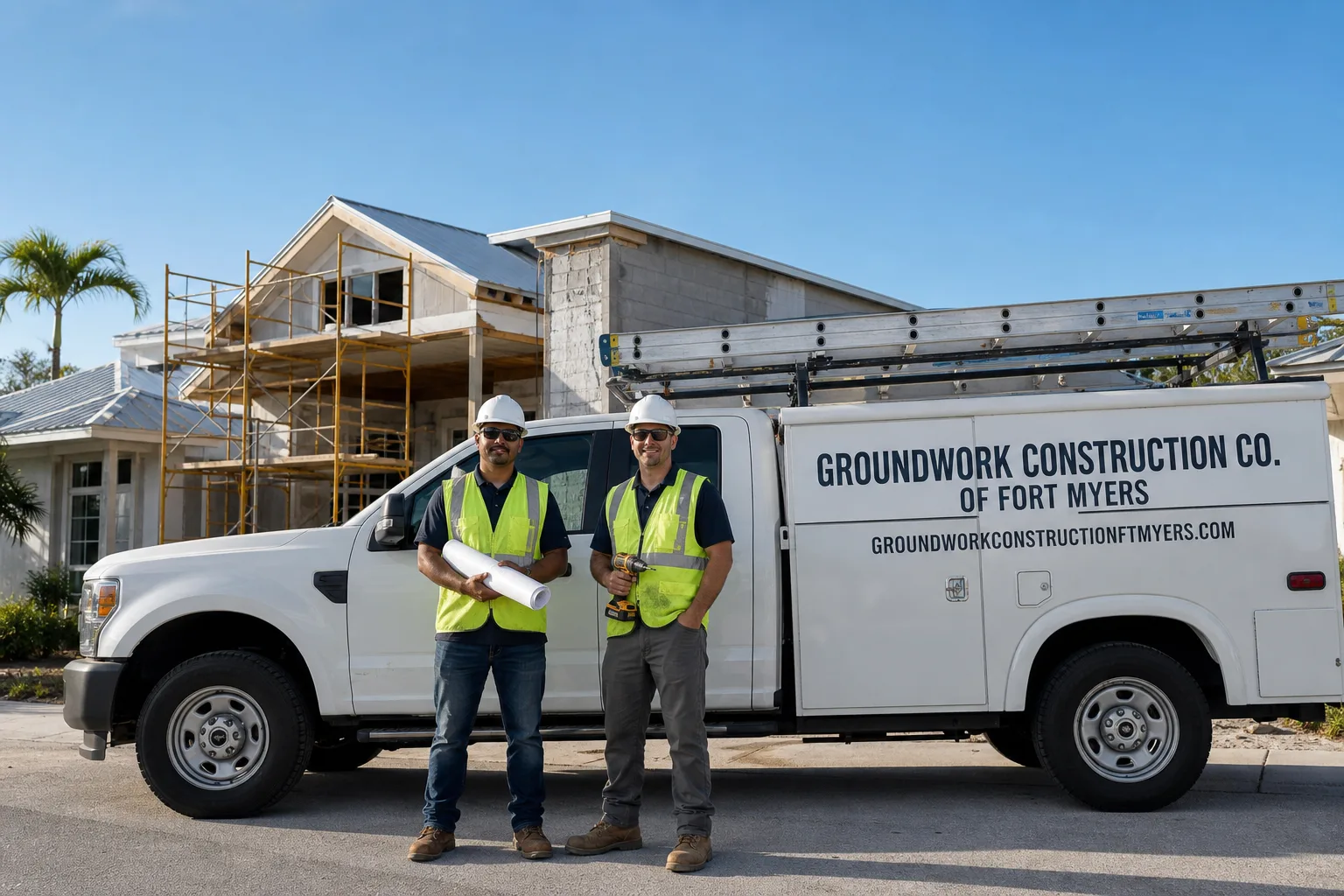
What a Chain Link Fence Job Actually Looks Like in Cypress Lake, FL
A chain link fence in Cypress Lake, FL typically runs $3,500 to $9,000 for a standard residential yard, and most jobs wrap up in two to four days from post holes to final walkthrough. The biggest variables are the linear footage, whether we’re tearing out an old fence first, and what gauge and height of galvanized steel you choose. Call us at (844) 638-7249 to schedule a free on-site estimate with a written, line-item price - we don’t do vague numbers.
What you won’t get from us is a sales pitch dressed up as an introduction. You searched for chain link fence because you need an enclosure that works - maybe for a dog run off Reflection Lakes Boulevard, maybe to secure a rental property you’re fixing up post-Ian, or maybe to fence a side yard on a 1970s CBS lot without blocking the breeze. The job is straightforward, but the details that separate a sagging headache from a fence that stays taut for 15 years live entirely in the prep work and post-setting. We’ll walk you through exactly how we build them so you know what you’re paying for.
How We Install a Chain Link Fence in Cypress Lake - The Real Sequence
Every chain link fence we install follows the same five-stage process. No skipped steps, no subcontractor roulette, no “we’ll figure it out once we start.” Here’s what the timeline actually looks like.
Stage 1: Layout, utility locate, and permit pull
Day one starts with marking the fence line and calling 811 for utility locates - non-negotiable in Cypress Lake, where a lot of these 1970s and 1980s slab-on-grade homes have electrical and irrigation lines running in patterns nobody documented. We also pull the Lee County fence permit at this stage, which adds a day or two to the front end depending on current permit office turnaround. You decide: exact property line placement (we’ll flag any survey discrepancies we see).
Stage 2: Demo and site prep
If there’s an existing fence, we cut it into sections, pull the posts, and haul everything off-site - including any concrete footings from the old posts, which some crews conveniently leave buried. On Ian-damaged properties, this stage sometimes reveals soil washout or hidden sinkage near the foundation line. We’ll flag it immediately so you know before concrete goes in whether the grade needs any correction. You decide: whether to keep or remove any old concrete mow curbing that runs along the fence line.
Stage 3: Post setting and concrete cure
Terminal posts go in first - corners, ends, and gate posts. Then line posts every six to eight feet on center, set in concrete footings 24 to 30 inches deep, depending on soil density (parts of Cypress Lake sit on sandy loam that needs the deeper end of that range for wind stability). We give the concrete a full 24-hour cure before tension goes on the fabric. This is the step that shortcutters rush, and it’s why you see chain link fences leaning after two hurricane seasons.
Stage 4: Rail, fabric, and tension install
Top rails and tension wire go onto the posts, then the galvanized fabric rolls out and gets stretched with a come-along - real tension, not just hand-pulled zip ties. Tension bars weave through the terminal posts, and we tie the fabric to the rails every 18 to 24 inches. You decide: gate hardware style (standard latch or self-closing, which some Cypress Lake HOAs require for pool enclosures).
Stage 5: Gates, hardware, and final grade check
Gate frames get hung, adjusted for level, and tested through a full swing arc. We walk the line end to end with you, checking fabric tension, post plumb, and gate operation. Any ruts from the post-hole auger get filled and tamped so the fence line sits flush with the surrounding grade. This is also when we hand you the written workmanship documentation tied to the 730-Day Done Right Promise.
The Options You’ll Choose Between
Chain link fence isn’t one-size-fits-all, and the choices below change both the final price and how the fence performs through Cypress Lake’s humidity and storm cycles.
- Gauge (wire thickness): 11.5-gauge is the residential workhorse - it handles dogs, kids, and normal Florida wind loads fine. 9-gauge is heavier, used on commercial jobs or where you’re fencing a larger lot with long unsupported runs. The thinner the gauge number, the thicker the wire, so 9-gauge costs more but resists sagging longer.
- Galvanized vs. vinyl-coated: Standard galvanized is what 80% of Cypress Lake yards use - silver finish, holds up to humidity if it’s hot-dip galvanized (not electroplated). Vinyl-coated chain link in black or green runs about 20% more and blends into landscaping better, but the coating can nick during install if the crew rushes. We prefer high-quality galvanized for most residential jobs unless the HOA bylaws call out a coated finish.
- Height: Four feet is standard for backyard boundaries. Five to six feet makes sense if you’re containing a larger dog or want more privacy screening clipped on later. Anything over six feet generally triggers additional Lee County wind-load review, which we’ll flag in the estimate.
- Gate type: Single-drive gates work for walk-through access. Double-drive gates open wide enough for a truck or skid steer. Self-closing hinges and pool-code latches are a common Cypress Lake requirement for any fence that encloses a pool area - we’ll confirm what your property needs during the site visit.
- Bottom tension wire vs. bottom rail: Tension wire keeps the bottom of the fabric from pushing in, which is usually enough. A bottom rail adds rigidity and is worth considering if you have a dog that tests fences or if the yard floods seasonally and you want the fabric locked in place against shifting soil.
What Chain Link Fence Costs in Cypress Lake, FL
A residential chain link fence in Cypress Lake lands between $3,500 and $9,000 for a typical lot. Most homeowners we work with here spend $5,000 to $6,500 for a standard galvanized four-foot fence with one or two gates around a quarter-acre yard. That price includes demo of the old fence, fresh concrete footings, all materials, and a written estimate before you commit to anything.
The five things that push the number up or down:
- Linear footage - the obvious one. A 100-foot run versus a 250-foot run doubles material and labor for post-setting and fabric.
- Demolition and old-footing removal - if we’re pulling out an old chain link or wood fence with concrete footings still in the ground, that’s extra labor and a disposal run.
- Gauge and coating - 9-gauge vinyl-coated costs more than 11.5-gauge galvanized in both material and installation time because the heavier wire is harder to tension.
- Gate count and hardware complexity - a double-drive gate with a self-closing pool latch costs significantly more than a single walk gate with a standard latch.
- Permit and wind-load compliance - Lee County permit fees are modest but real, and any fence over six feet or on a waterfront parcel in a FEMA AE zone may need additional engineering review, which adds cost to the permit phase.
Every estimate we write is line-item, not a single lump-sum number scribbled on a clipboard. You’ll see exactly what each stage costs, and the price we quote is the price you pay - no change orders unless you add scope mid-job. This is also a good moment to mention that chain link fence projects often pair naturally with driveway work. Homeowners we’ve done fences for in Cypress Lake frequently ask about Concrete Driveways & Concrete Work in Cypress Lake or Asphalt Driveways & Resurfacing in Cypress Lake while the property is already in motion. We’ll coordinate the sequence so you’re not tearing up fresh work.
What Cypress Lake Homes Specifically Do to This Job
Cypress Lake presents a set of conditions that change how a chain link fence gets built, and none of it shows up on a generic fencing website. The housing stock here is predominantly single-story concrete block stucco homes built in the 1970s and 1980s on slab-on-grade foundations - which means most fence lines run right up against structures that predate modern property surveys and have zero setback documentation. We spend more time on the layout and utility-locate stage in Cypress Lake than we would in a newer master-planned community because those original irrigation lines and electrical conduits were often hand-drawn on a napkin rather than filed with the city.
Then there’s the Ian factor. Hurricane Ian rewrote the grade on plenty of Cypress Lake lots - soil washed out, fence posts in low-lying areas pulled right out of the ground, and foundation-adjacent drainage shifted. When we’re replacing a chain link fence here now, we’re not just dropping new posts in old holes. We’re checking whether the grade itself has changed enough to require longer posts or adjusted footing depth. Lee County’s permit backlog post-Ian has also made timing unpredictable - we pull permits on day one and manage the county timeline so you’re not left guessing when work starts.
Low elevation is its own design layer. Many Cypress Lake parcels sit in FEMA AE or X flood zones, and while a chain link fence itself doesn’t obstruct floodwater, the post footings still need to be set at a depth that won’t heave when the water table rises during a heavy wet season. We also keep an eye on whether your property triggers elevation certificate scrutiny - not typical for a fence, but common enough on waterfront or low-lying lots here that it’s worth mentioning during the estimate walk.
For anyone considering a chain link fence as part of a broader property overhaul - rebuilding after Ian or just modernizing a 1980s home - this is the kind of job our Fence Installation in Cypress Lake crew does regularly. It’s also worth noting that our full Fence Installation team operates across Cypress Lake and the surrounding neighborhoods, so we’re not an out-of-town crew figuring out local codes for the first time.
Serving Cypress Lake, FL - Our Local Coverage Area
We’re based in the Cypress Lake area and know this community well. Use the map below to see our service coverage - if you’re nearby, we can almost certainly help.
Frequently Asked - Chain Link Fence in Cypress Lake
Yes, Lee County requires a fence permit for most chain link installations in Cypress Lake. We pull the permit as part of the job, and the cost is included in your written estimate. The permit office has been running slower post-Ian - we’ll manage the timeline and keep you updated.
Most residential chain link fence jobs in Cypress Lake take two to four days from post-setting to final walkthrough, not including the 24-hour concrete cure window. The permit pull adds a day or two on the front end depending on current Lee County turnaround. Call (844) 638-7249 and we’ll give you a solid timeline based on your specific yard.
Galvanized chain link is bare steel with a zinc coating - silver finish, the standard for utility and yard fencing. Vinyl-coated chain link has a colored PVC coating baked over the galvanized wire, usually black or green. Vinyl-coated costs more and hides better in landscaping, but it can get surface nicks during installation if the crew isn’t careful. For most Cypress Lake yards, we recommend standard hot-dip galvanized unless an HOA specifies otherwise.
Not unless you add scope. We write line-item estimates for chain link fence in Cypress Lake, and the number you approve is the number you pay. If we hit something unexpected during demo - like buried concrete from an old fence line that wasn’t visible - we show you before we do anything extra and you approve the change in writing first.
Every chain link fence we install is covered by the 730-Day Done Right Promise - if it’s not done right, we make it right. That’s two full years of workmanship coverage. Material warranties vary by manufacturer on galvanized fabric and gate hardware; we’ll document everything in your job file so you know exactly what’s covered and for how long.
Get a Free Estimate on Your Chain Link Fence in Cypress Lake
We’ll walk the property with you, measure the fence line, talk through gauge, height, and gate options, and hand you a written price - no obligation, no pressure, and a live person answers when you call. Reach us at (844) 638-7249 to schedule your free on-site estimate. Whether you’re fencing a yard off McGregor Boulevard, enclosing a pool on a post-Ian rebuild, or securing a rental property near the college, we’ll make sure the fence is built right and backed in writing.
Written by Derek Hollenbeck, Owner at Groundwork Construction Co., serving Cypress Lake with residential construction and fence installation.