
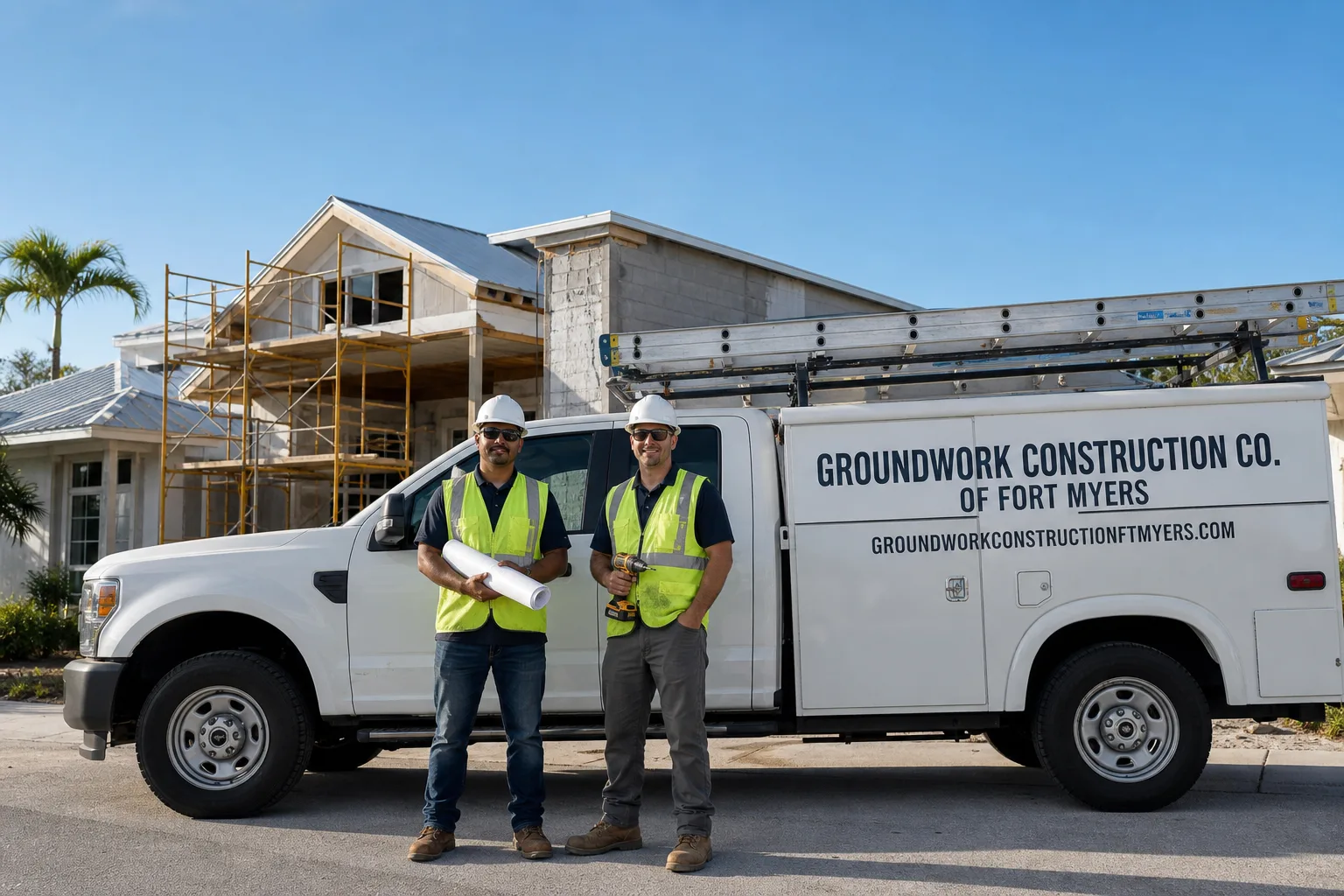
Specialty Roofing in Sanibel, FL - What It Involves and What It Costs
Specialty roofing in Sanibel covers the custom work that falls outside standard shingle or tile replacements - think flat-roof systems on mid-century beach cottages being rebuilt post-Ian, metal accent roofs over elevated entryways on new piling homes, or complex tie-ins where a detached workshop roof meets the main house. Most specialty roofing jobs on the island take 5 to 12 working days once materials are on site, and pricing in Sanibel typically lands between $12,000 and $52,000 depending on access, roof geometry, and the wind-load rating required. Call (844) 638-7249 to schedule a free on-site estimate - we’ll give you a written, line-item quote before you commit to anything.
How We Handle a Specialty Roofing Job on Sanibel
The reality of specialty roofing on a barrier island with one access road reshapes the whole sequence. We stage the job to minimize causeway trips and coordinate inspections with Sanibel‘s municipal building department, which runs its own calendar separate from Lee County. Here’s what the five phases look like for most Sanibel specialty roofing projects.
Stage 1 - Site assessment and measurements (Day 1, half-day on site). We send an experienced roofing lead out to take laser measurements of every plane, valley, and penetration. On specialty work - a curved metal accent roof, a tapered flat-roof system over a 1970s addition, a custom flashing detail where a new elevated porch roof ties into existing fascia - the measurements drive the fabrication order. No one orders custom metal panels or tapered insulation off a satellite photo. We also photograph the substrate condition after stripping back a small test section so we know what we’re working with before the full tear-off begins. This is when you’ll see the first real numbers: material lead time, exact square footage, and whether the existing decking survived Ian’s wind-driven rain or needs partial replacement.
Stage 2 - Permitting and material ordering (3-8 working days, mostly off site). Specialty roofing in Sanibel requires a city permit, and because much of the island sits in FEMA VE/AE flood zones with Coastal Construction Control Line oversight, the permit package often includes wind-load calculations and product approval numbers for every component - fasteners, underlayment, adhesive, everything. We handle the submittal, but you should know that Sanibel’s building department prioritizes by project type, and a complex specialty roof with nonstandard details may take an extra review cycle. During this window we place the material order. Custom-fabricated metal panels, tapered polyiso insulation, or specialty membranes like high-temperature TPO for a workshop roof over equipment - these aren’t sitting on a shelf in Fort Myers. We track every delivery to the causeway schedule so nothing sits staged at the mainland yard longer than a few hours.
Stage 3 - Tear-off and substrate repair (1-2 days). The crew strips the existing roof down to the decking and we inspect every sheet of sheathing. On Sanibel’s older homes - especially the 1950s-to-1970s low-slab cottages that got inundated during Ian’s 10-to-15-foot storm surge - we regularly find hidden rot, delamination, or fastener corrosion that didn’t show up on the initial walk. We photograph the exposed decking, mark every sheet to be replaced, and give you a real-time call with the square footage and cost. You approve it; we proceed. No change-order games. The decking gets re-nailed to meet current high-velocity hurricane zone attachment standards before anything new goes on top.
Stage 4 - Installation (3-7 days, weather-dependent). This is where specialty roofing diverges from standard roof replacement. We’re installing tapered insulation systems with crickets to direct water, custom-welded membrane seams on a flat section, or standing-seam metal panels with hidden fasteners on an accent roof that will be visible from the second-story deck. Every penetration - skylight curbs, exhaust vents, solar mounts - gets custom-flashed, not booted with a one-size-fits-most rubber collar. We work panel by panel, seam by seam, and run a water test on flat sections before calling for the rough inspection. Sanibel inspectors are methodical, and on a specialty roof they’ll check fastener spacing, uplift resistance, and edge-metal termination. We don’t schedule the next phase until it passes.
Stage 5 - Trim, cleanup, and final inspection (1 day). Edge metal, drip edge, fascia wrap, and any custom transition pieces go on last. The crew runs a magnetic sweep of the entire work area and walkways - a non-negotiable step when you’re working around barefoot zones, pool decks, and shell driveways. We meet the city inspector for final sign-off, walk the roof with you if you’d like, and leave you with a close-out packet that includes the permit sign-off, material warranty registrations, and our 730-Day Done Right Promise - if it’s not done right, we make it right.
The Options You’ll Choose Between for a Sanibel Specialty Roof
Specialty roofing isn’t one product - it’s a collection of systems matched to the specific roof geometry and exposure. Here are the main decisions you’ll work through with us, with the honest trade-offs of each.
- TPO membrane (thermoplastic polyolefin) for flat or low-slope sections. White or light-gray reflective surface that cuts cooling load on a Sanibel afternoon. Welded seams are stronger than adhesive-tape systems and hold up to ponding water - a real concern on flat roofs that see eight months of afternoon thunderstorms. Heat-welded TPO costs more up front than a mechanically attached PVC system, but the seam integrity in a hurricane zone justifies it. We spec reinforced TPO in 60-mil or 80-mil thickness for most Sanibel applications.
- Standing-seam metal for accent roofs, entry canopies, and detached-workshop ridge roofs. Aluminum or galvalume, 24-gauge minimum for coastal exposure. Hidden-fastener panels eliminate exposed screw penetrations - the number-one failure point on metal roofs within salt-spray zones. You’ll choose between a Kynar 500 finish (holds color, resists chalking for 30-plus years) and a standard polyester finish (lower cost, fades faster in direct sun). On a Sanibel home three blocks from Gulf access, we only spec stainless-steel clips and fasteners - galvanized hardware starts showing rust bloom inside five years here.
- Tapered insulation and crickets for drainage. If the specialty roof section is flat or nearly flat, the finished surface needs positive slope - usually ¼-inch per foot minimum - to move water toward scuppers or drains. We build that slope in the insulation layer using factory-tapered polyiso panels, not by shimming the decking. The cost difference between a basic 2-inch flat panel and a tapered system with two crickets can add $2,800-$5,200 on a 600-square-foot roof, but it eliminates standing water entirely. Standing water on a flat roof in southwest Florida equals premature failure - we’ve torn off seven-year-old roofs that failed because the original installer skipped the crickets.
- Custom flashing and edge-metal profiles. Factory-painted aluminum to match the panel color, or raw mill-finish aluminum at a lower price point. The painted option typically adds 12-18% to the trim line item. On visible accent roofs - the kind you see from the pool deck or the second-floor lanai - the painted edge metal is the clear choice. On a workshop roof behind the house where nobody looks at the fascia, mill finish does the job.
What Specialty Roofing Costs in Sanibel, FL
Straight answer: most specialty roofing projects in Sanibel fall between $12,000 and $52,000. The wide range reflects the reality that “specialty roofing” describes a job-specific system, not a repeatable product. Here’s what moves the number.
Size and geometry. Roof area is the biggest line-item driver - material and labor both scale by the square foot. But geometry matters nearly as much. A simple flat roof over a rectangular workshop addition is straightforward. A specialty roof with three valleys, two dormer tie-ins, and a curved metal eyebrow over a front entry multiplies the labor hours, the number of custom-fabricated panels, and the flashing complexity. Complex geometry can add 35-50% to the per-square-foot installed cost versus a simple plane.
Decking condition. On Sanibel homes built before 1980 - and there are still many being repaired rather than fully replaced - we frequently open the roof and find sheathing that’s been soaking through multiple wet seasons. Replacing decking adds $2.50-$4.00 per square foot to the job, and on a specialty roof with complex cut-outs, the replacement percentage often runs higher than on a simple gable roof with large uninterrupted sheets.
Fastener and component grade. Stainless-steel clips, screws, and edge-metal fasteners cost roughly 2-3 times what standard galvanized fasteners cost. On a Gulf-front barrier island where salt air corrodes exposed metal within a few years, stainless is non-negotiable for any component touching the exterior. This line item alone can add $1,800-$3,500 to a specialty roof depending on square footage. We don’t offer galvanized as an option on Sanibel specialty roofing - the long-term failure rate in this environment is too well documented.
Access and staging. A specialty roof on a three-story elevated home - the new normal for post-Ian rebuilds in Sanibel - requires taller ladders, more scaffolding or lift equipment, and longer material-handling time. The crew isn’t tossing bundles onto a 10-foot eave; they’re hauling panels and membrane rolls up 25-plus feet of staging. Difficult access typically adds 15-25% to the labor portion of the estimate.
What your written estimate includes. We line-item the material spec (membrane type and thickness, metal panel gauge and finish, fastener grade, underlayment type), the square footage, the decking-replacement allowance if visible rot is suspected, the permit fee at Sanibel’s current rate, and the labor with all staging and cleanup. What’s not bundled in: structural framing changes beneath the roof deck and unforeseen rot that requires rafter or truss repair - those we price transparently if they come up during tear-off. Call (844) 638-7249 for an exact quote tailored to your roof - estimates are free, and the number you see is the number you pay.
What Sanibel Homes Specifically Do to This Job
Specialty roofing on Sanibel Island operates under a set of conditions no mainland contractor deals with. Every job - whether it’s a standing-seam accent roof on a new elevated home off Periwinkle Way or a TPO flat roof on a reconstructed mid-century cottage near Bowman’s Beach - is shaped by the same four forces.
First, all labor, materials, and equipment enter the island through a single toll causeway that can back up for 40 minutes during season. We schedule material deliveries, concrete pumpers, and crane picks around the tourist traffic window - that means early-morning truckloads and midweek staging so we’re not burning crew hours sitting in bridge traffic. A three-day specialty roofing install on-island typically requires 20% more logistical planning than the same job across the causeway in Fort Myers, and that planning shows up in a smoother schedule and fewer wasted trips.
Second, Sanibel operates its own municipal building department with its own permit queue and its own inspectors. We don’t deal with Lee County for a Sanibel roof; we deal with city inspectors who know island construction intimately and who will check fastener spacing, uplift resistance, and edge-metal termination on a specialty roof with a level of scrutiny that reflects post-Ian enforcement. The permit review for a complex specialty roof - one with nonstandard geometry, mixed material types, or a custom flashing package - can take an extra review cycle here. We build that lead time into the schedule up front so you’re not surprised.
Third, the salt-air corrosion factor is real and it’s relentless. We see specialty roofs on Sanibel homes - particularly metal accent roofs installed before 2010 - with fastener rust, end-lap corrosion, and edge-metal separation that would be unusual just eight miles inland. The failure mode is almost always the same: a contractor spec’d standard galvanized fasteners or a polyester finish instead of Kynar 500, and the salt spray ate through within a decade. Every specialty roofing material we specify for Sanibel is rated for coastal high-velocity hurricane zone exposure, with stainless fasteners throughout. That’s not an upgrade here; it’s the floor.
Fourth, the housing stock itself shapes the work. Pre-Ian Sanibel was dominated by 1950s-to-1970s low-slab beach homes with flat or low-slope roof sections, often with add-on porches and attached carports that are now being converted to enclosed living space. Those older flat-roof sections - especially the ones that took on storm surge and then sat wet for weeks while road access was restored - almost always require full tear-off to the decking, and the decking itself frequently needs replacement. The new elevated homes going up in their place often incorporate specialty roof features: a metal accent roof over a third-story observation deck, a tapered flat-roof section bridging the main house and a detached garage, or a custom membrane system over a home office addition built to current advisory base flood elevation. These aren’t standard gable roofs with architectural shingles. They’re job-specific systems that require custom fabrication and a crew that understands how roof geometry, wind uplift, and coastal corrosion interact on a barrier island.
If you’re already planning a broader exterior project, specialty roofing often runs alongside Roofing in Sanibel work, and we frequently coordinate with homeowners who are also updating Sliding & Patio Doors in Sanibel or installing Glass Railing Systems in Sanibel to create a cohesive outdoor-to-indoor envelope that handles hurricane-season conditions. Our Roofing team manages the specialty scope alongside any standard roof work so you’re dealing with one project lead, one schedule, and one warranty.
Serving Sanibel, FL - Our Local Coverage Area
We’re based in the Sanibel area and know this community well. Use the map below to see our service coverage - if you’re nearby, we can almost certainly help.
Frequently Asked - Specialty Roofing in Sanibel
Most specialty roofing projects in Sanibel take 5 to 12 working days on site, plus a 3-to-8-working-day permit and material-lead-time window before work begins. The on-site duration depends on roof size, geometry complexity, and whether the decking needs partial replacement after tear-off. The pre-construction window is driven by Sanibel’s city permit review cycle and the fabrication time for any custom metal panels or tapered insulation. Call (844) 638-7249 and we’ll give you a schedule specific to your roof after the site assessment.
Yes. The City of Sanibel requires a building permit for any roof replacement or new roof installation, including specialty roofing systems. Because much of the island falls within FEMA VE and AE flood zones and under Florida DEP Coastal Construction Control Line jurisdiction, the permit package typically includes wind-load calculations, product approval numbers for every component, and elevation documentation. We prepare and submit the full permit package as part of the job - you won’t be chasing paperwork at city hall.
Specialty roofing in Sanibel typically costs between $12,000 and $52,000, compared to a standard shingle roof replacement that runs $8,000 to $20,000 on the island. The premium comes from custom-fabricated materials (standing-seam metal panels, tapered insulation systems, specialty membranes), more labor-intensive installation with custom flashing at every penetration, and the coastal-grade stainless fasteners required for salt-air durability. The specific price on your roof depends on square footage, geometry, decking condition, and access difficulty. Estimates are free and written in line-item detail.
Yes - this is one of the most common specialty roofing scenarios we handle in Sanibel. A homeowner has a standard shingle or tile roof on the main house and needs a flat-roof section over a new addition, a metal accent roof over an entry, or a specialty membrane on a reconstructed porch to match the look and performance of the main roof. We spec the specialty system, select the finish color and profile to work with the existing rooflines, and write the flashing details so the transition between roof types is watertight and visually clean. If the existing roof is near the end of its service life, we can also coordinate a full Roofing in Sanibel project scope so you’re not doing the specialty section now and the main roof two years later.
Every specialty roofing project we install in Sanibel is covered by our 730-Day Done Right Promise - if it’s not done right, we make it right, for two full years from completion. That’s one of the longest workmanship guarantees in residential construction, and it covers the installation workmanship on every component we install. The materials carry their own manufacturer warranties - typically 20 to 30 years on standing-seam metal finishes, 15 to 25 years on TPO membrane systems, and lifetime-limited on certain underlayments - and we register every product warranty in your name at close-out. No fine print, no chased-away phone calls. Our team answers calls live, 24/7, at (844) 638-7249 - if something doesn’t look right after a storm or a wet season, you reach a real person, not a voicemail black hole.
Get a Free Specialty Roofing Estimate in Sanibel
Every specialty roofing estimate starts with a site visit - we need to see the roof geometry, measure the planes, check the decking and access, and understand exactly what you’re trying to accomplish. We’ll give you a written, line-item quote with no hidden adders and no pressure. If the numbers work for you, we schedule around the causeway logistics and the Sanibel permit calendar so the job moves cleanly from start to finish. Call (844) 638-7249 to schedule yours - estimates are free, and a real person answers the phone, day or night.
Written by Derek Hollenbeck, Owner at Groundwork Construction Co., serving Sanibel since 2014.