
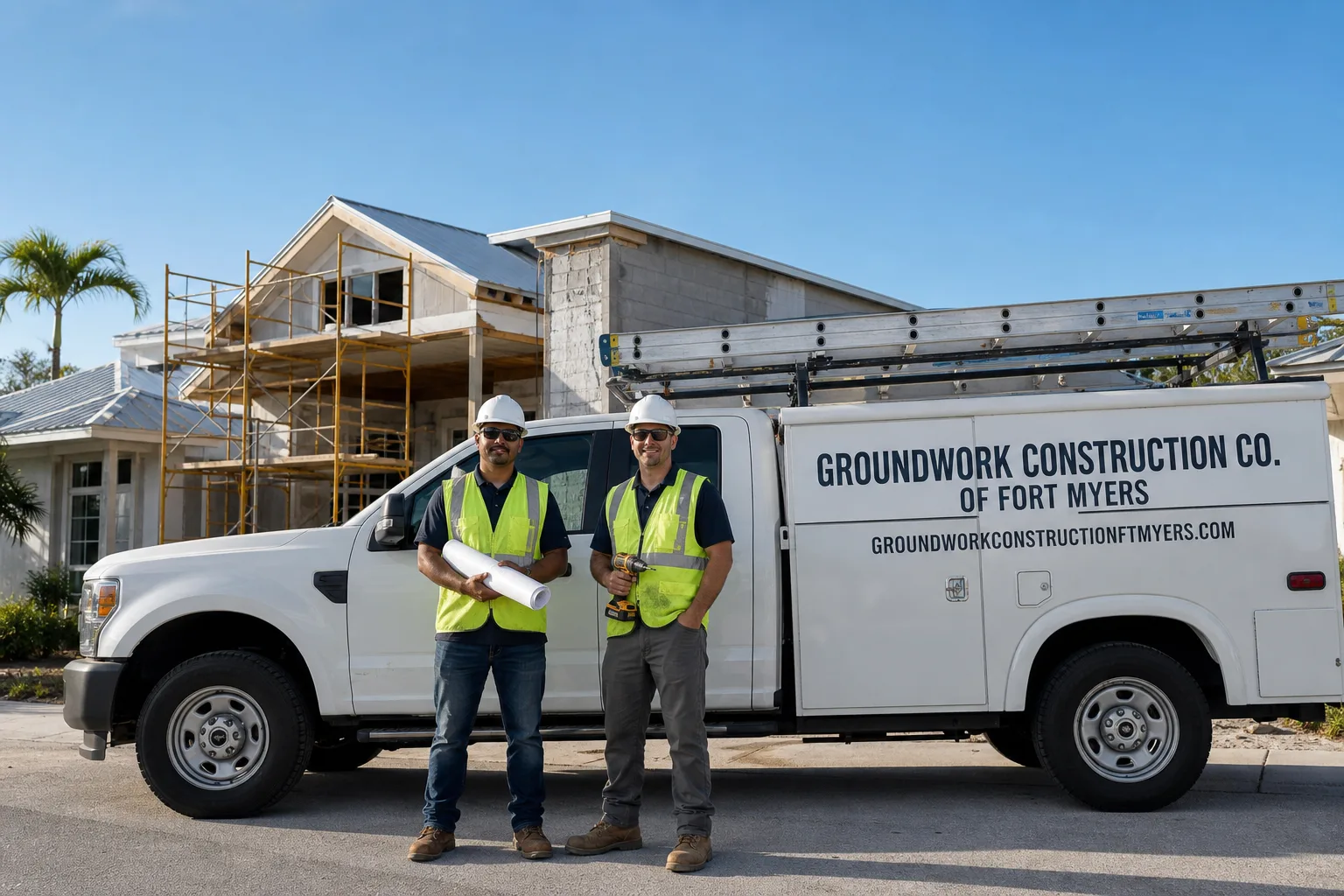
What Roofing on Sanibel Actually Costs (and Why Salt Air Decides the Spec)
Most Sanibel roofing projects fall between $8,000 and $40,000 depending on square footage, material, and whether the job is a repair or a full tear-off. A standard asphalt-shingle roof replacement on a 2,000-square-foot Sanibel home runs $8,000-$20,000. A standing-seam metal roof, which we do more often here than almost anywhere else in Southwest Florida, typically lands between $15,000 and $40,000. The price spread is real, and it usually comes down to one thing most mainland bids ignore: whether the fasteners, flashing, and underlayment are built for salt air or for somewhere inland. We write that choice into every estimate, line by line, so you see exactly what you’re paying for before work starts.
Call (844) 638-7249 for a free, written estimate. A live person answers, 24/7. No voicemail, no waiting until Monday.
Fast, Reliable Roofing Across Sanibel
Sanibel roofs take a beating that roofs twenty miles inland never see. Salt spray off the Gulf corrodes standard fasteners inside three to five years. Hurricane winds peel up shingles that passed code in Orlando. And because every roofing crew, every dumpster, and every bundle of shingles crosses a single toll causeway, scheduling here carries a logistical weight most contractors don’t plan for. We plan for it. Our Roofing team runs materials through Sanibel’s independent building department permit queue and coordinates crane deliveries around causeway traffic patterns that mainland crews never think about. When you call us about a Sanibel roof, you’re talking to someone who knows Wulfert Road, not just a generic dispatcher reading a zip code off a screen. If you need a leak patched today or a full replacement quoted, call (844) 638-7249. We answer.
Why Groundwork Construction Co. of Fort Myers Is Sanibel’s Preferred Roofing Company
We’ve been on Sanibel roofs since before Hurricane Ian rewrote the island’s building codes. After the storm, we were one of the crews navigating the causeway daily while the City of Sanibel’s building department stood up its own permit review and inspection calendar, separate from Lee County. That experience matters. We know which inspectors need which photos, which fastener specs get flagged on a re-roof, and how to phase a job so the underlayment passes inspection before the tile or metal goes down. Homeowners here don’t have time to teach a contractor how Sanibel works. We already know.
Every technician who shows up at your door is background-checked, uniformed, and employed by us directly, not subbed out to a crew you’ve never met. That’s a Groundwork standard across every service line, and on an island as tight-knit as Sanibel, reputation travels faster than a summer squall. Our Roofing in Sanibel customers routinely cite the fact that calls get answered by a live person at any hour; that matters when a storm blows through at 2 a.m. and water is coming in. The 730-Day Done Right Promise backs every job. If it isn’t done right, we make it right. Two full years. In writing.
Our Roofing Services in Sanibel
Roof Repair
Roof repair in Sanibel usually means one of two things: a leak caused by corroded flashing at a wall junction, or wind-lifted shingles or tiles where the fasteners lost their grip. We see both constantly. A typical repair runs $400-$1,800, with the high end covering more extensive underlayment patching or tile resetting on barrel profiles. We carry stainless clips, marine-grade sealant, and high-wind-rated underlayment on our trucks when we cross the causeway, so most repairs are completed in a single trip. If water is actively coming in, call (844) 638-7249 right now. Someone answers.
Roof Replacement & Installation
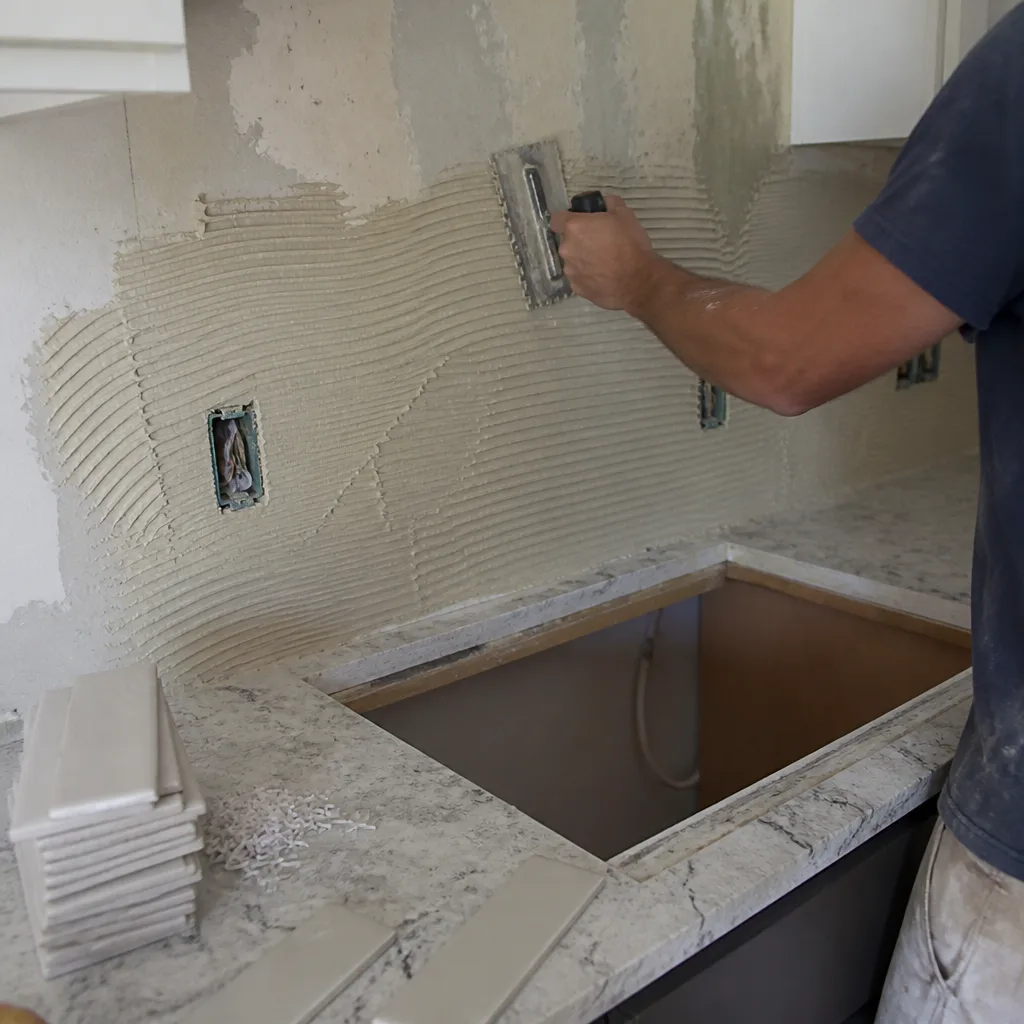
A roof replacement on Sanibel is not the same job it is in Fort Myers. The City of Sanibel requires its own permits, its own inspections, and its own adherence to Florida High-Velocity Hurricane Zone standards. A full replacement typically runs $8,000-$20,000 on the island, depending on square footage, pitch complexity, and the underlayment system selected. We specify peel-and-stick secondary water barriers on every Sanibel replacement, not as an upsell but as a baseline, because the combination of horizontal rain and salt spray demands it. Our upfront pricing means the number on your estimate is the number you pay, with no change orders unless you request a scope change.
Metal Roofing
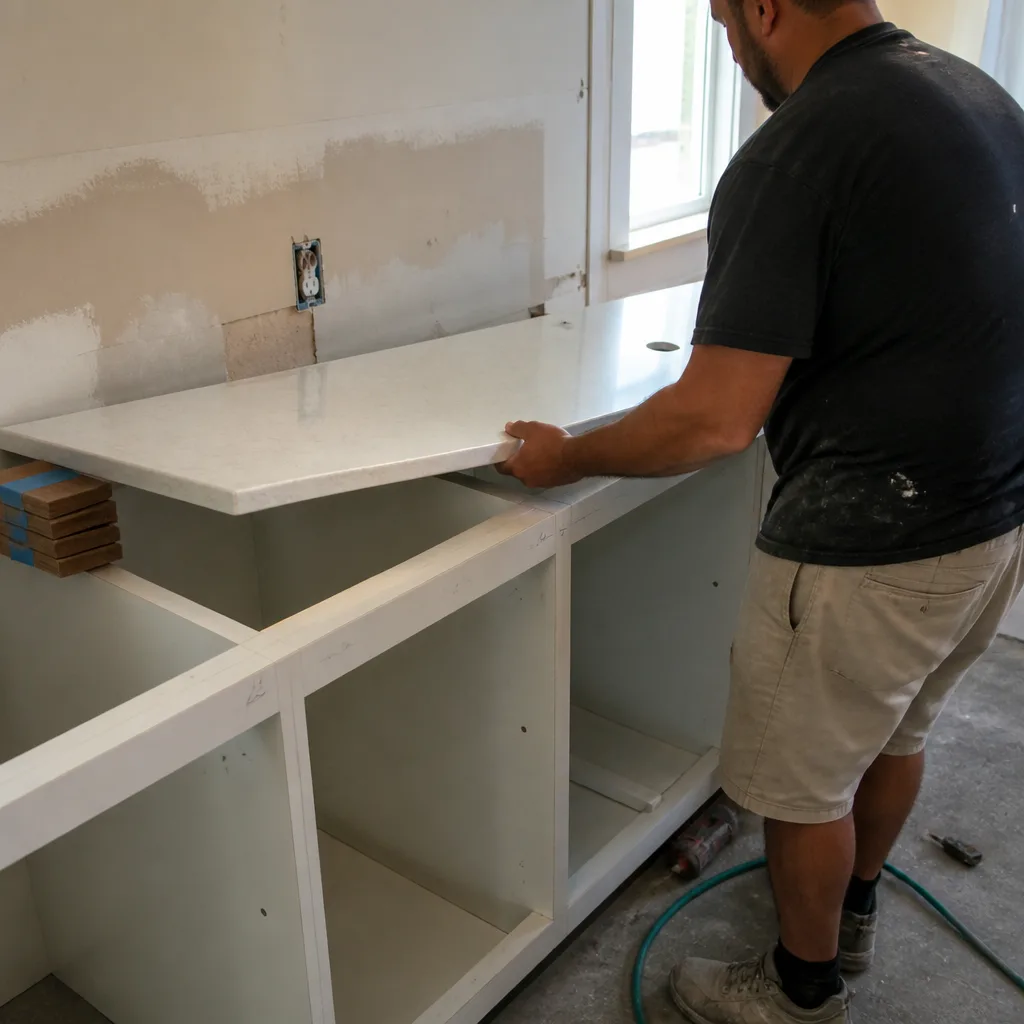
Standing-seam metal is the roofing type we install most on Sanibel, and for good reason. It sheds hurricane winds better than asphalt shingles. It doesn’t absorb salt spray the way exposed fasteners on corrugated panels will. And when installed with 316 stainless clips, it simply outlasts every other roofing system in a marine environment. A standing-seam metal roof in Sanibel runs $15,000-$40,000. That range accounts for roof complexity, existing deck condition, and whether the home requires elevated attachment per post-Ian flood-zone requirements. We’ve done standing-seam on everything from Gulf-front estates to modest mid-island ranches, and the material choice is almost always the right call here.
Tile Roofing
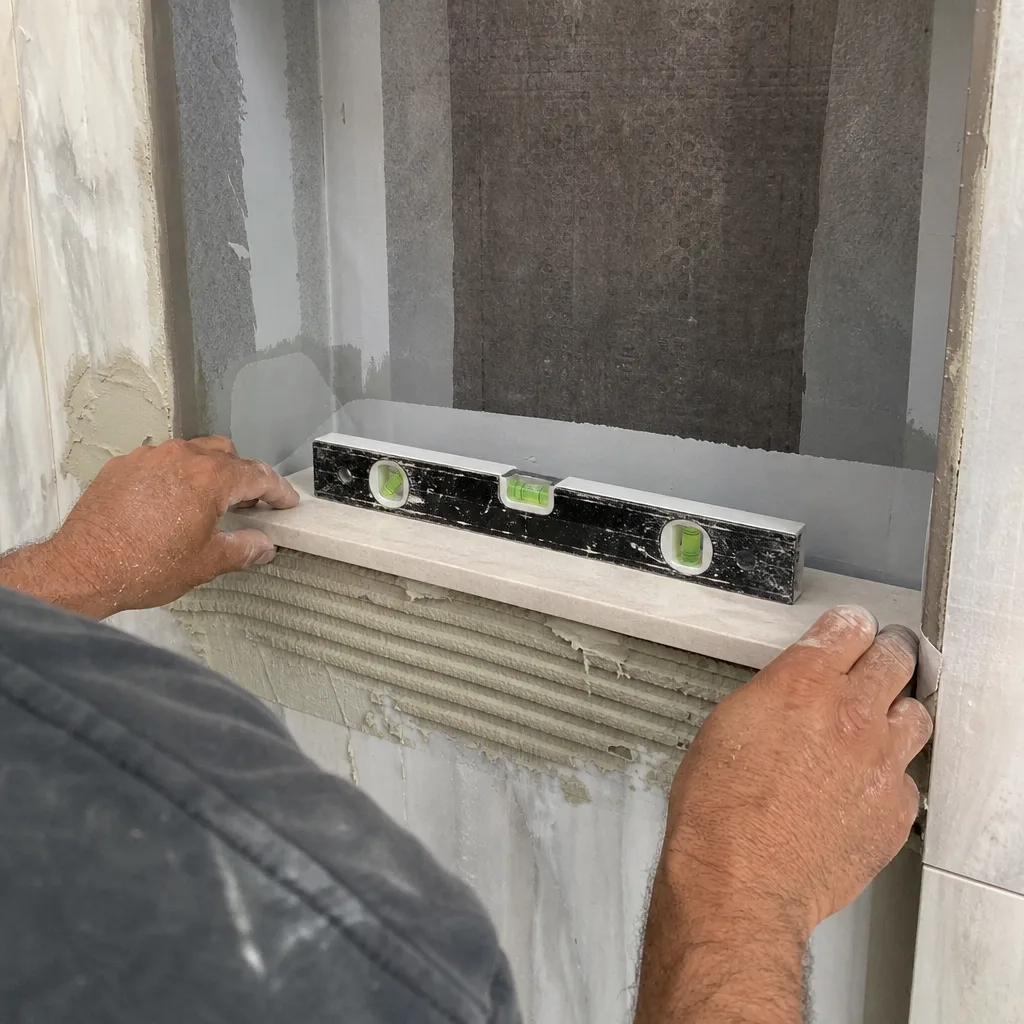
Sanibel’s older homes, particularly the 1950s-to-1970s cottages that defined the island’s pre-Ian character, were frequently built with barrel tile roofing. Tile is beautiful and inherently wind-resistant, but the weak point was never the tile itself. It was the fasteners. On a Wulfert Road beachfront cottage, we replaced a 1970s tile roof where common steel fasteners had rusted through completely in under five years, causing whole sections of tile to slip. Our crew reinstalled with 316 stainless clips and a secondary water barrier, meeting both HVHZ code and the city’s post-Ian elevation requirements. Tile repair on Sanibel runs $600-$2,500 depending on the number of tiles, the condition of the underlayment beneath them, and whether we need to replace corroded flashing at the valleys. A full tile re-roof with proper marine-spec fasteners is a long-term investment, and we’ll walk you through the numbers honestly.
What happens when you call
- 1
A real person answersNo phone trees - you reach a local pro.
- 2
You get an upfront price rangeHonest numbers before anyone is dispatched.
- 3
A background-checked tech heads outLicensed & insured, dispatched right away.
- 4
You approve before work beginsNothing starts until you say go.
Trusted Brands We Service in Sanibel
We install and service GAF and CertainTeed roofing systems because both manufacturers have invested heavily in high-wind testing and offer product lines rated for the Florida High-Velocity Hurricane Zone. For metal roofing, we work with standing-seam systems designed for coastal exposure, where the fastener clip is hidden and the alloy is specified for salt air longevity. These are not the same product SKUs a contractor orders for an inland job in Lehigh Acres. We stock common Sanibel-specific parts like stainless flashing, high-wind ridge vents, and peel-and-stick underlayment in our local inventory so we’re not waiting on a distributor when your roof is open and a storm is three days out. On paver and hardscape tie-ins where roofing drainage meets the ground, we use Belgard and Unilock products that integrate cleanly with downspout runoffs common on Sanibel’s elevated homes.
Common Roofing Problems We See in Sanibel Homes
- Galvanized flashing corroding at roof-to-wall junctions. Standard galvanized flashing in direct salt spray fails within three to five years, creating leak paths exactly where the roof meets a stucco wall or chimney chase. We replace it with stainless or copper flashing that won’t rot out before the roofing material above it does.
- Sub-grade valley metal without marine coating. Roof valleys channel the most water, and when the metal underneath isn’t coated for salt exposure, it erodes prematurely and channels water under the tile or shingle underlayment. By the time you see a ceiling stain, the valley metal is often already gone.
- Ordinary ring-shank nails losing uplift holding power. Salt accelerates oxidation on standard roofing nails, and in a hurricane, oxidized nails snap or pull out. We use hot-dipped galvanized or stainless fasteners rated for the wind speeds Sanibel actually sees, not the minimum a mainland inspector accepts.
- Pooling water on low-slope sections after underlayment saturation. Many Sanibel homes have flat or low-slope sections over lanais and additions. When the underlayment wasn’t installed with a secondary water barrier, salt-laden rain saturates it faster than it dries, leading to rot and interior leaks within a few wet seasons.
Pricing for Roofing in Sanibel, FL
Here is what you can expect for roofing costs on Sanibel, based on the work we do most often. These are real ranges for the island’s market, accounting for causeway logistics, the city’s independent permit process, and the marine-grade specs we mandate as standard.
| Service | Typical Sanibel Price Range |
|---|---|
| Roof Replacement | $8,000-$20,000 |
| Roof Repair | $400-$1,800 |
| Metal Roof Installation | $15,000-$40,000 |
| Tile Roof Repair | $600-$2,500 |
The gap between a standard inland-spec roof and a marine-grade Sanibel roof is real, and it usually lives in three line items: fasteners (stainless costs more than electroplated), underlayment (peel-and-stick secondary barriers add material and labor), and flashing (copper or stainless versus raw galvanized). A cheap inland bid might save you $3,000 on day one, but when the flashing fails in year four and the ceiling comes down, the real cost hits. We give you both numbers on request, so you can make the call with your eyes open. Estimates are free, zero pressure, and the price you see is the price you pay. Call (844) 638-7249.
We Also Serve Cities Near Sanibel
Our crews regularly work across Saint James City, Fort Myers Beach, Cape Coral, and Bokeelia. While Sanibel’s causeway logistics and independent building department make island jobs unique, the same marine-grade material standards apply anywhere within a mile of salt water. If your home is in one of these nearby communities and you need an honest roofing assessment from a team that specifies fasteners, underlayment, and flashing for coastal conditions, call (844) 638-7249 and we’ll schedule a walk-through.
Serving Sanibel, FL - Our Local Coverage Area
We’re based in the Sanibel area and know this community well. Use the map below to see our service coverage - if you’re nearby, we can almost certainly help.
FAQs - Roofing in Sanibel
Yes. The City of Sanibel’s building department enforces Florida High-Velocity Hurricane Zone standards, which include requirements for corrosion-resistant fasteners on all roofing systems. In practice, Sanibel inspectors flag standard electroplated nails and screws on exposed applications regularly. We use hot-dipped galvanized or 316 stainless fasteners as our default for any Sanibel roof, because they pass inspection the first time and they do not corrode in salt air within a few years. If you got a bid from an out-of-town contractor that does not specify fastener grade, have it checked before work starts. Call (844) 638-7249 and we will review it with you free.
The causeway is the only road onto the island, which means every truckload of shingles, every crane delivery, and every dumpster swap has to cross it. During tourist season, causeway backups can add an hour or more to a round trip. We factor this into our scheduling from day one, coordinating material deliveries with the city’s permit and inspection calendar so we are not sitting on a torn-off roof waiting for a load that is stuck in beach traffic. Lead times on Sanibel jobs are generally longer than equivalent mainland jobs; plan for an extra three to five business days of scheduling buffer compared to a Fort Myers project. Call (844) 638-7249 for a timeline estimate specific to your home.
Expect to pay 15 to 25 percent more for a marine-grade Sanibel roof versus the same square footage with inland-spec materials. The difference is in the fasteners (stainless or hot-dipped galvanized versus standard electroplated), the underlayment (a peel-and-stick secondary barrier instead of basic felt), and the flashing (copper or stainless versus bare galvanized steel). On a typical 2,000-square-foot roof, that adds roughly $2,500 to $5,000 to the total. Over a 30-year roof lifespan, it costs less than one premature re-roof when the cheap fasteners fail. We quote both options so you can compare them line by line. Call (844) 638-7249 for a written estimate.
Both perform well when installed with the correct fasteners, but standing-seam metal has the edge in a salt-air environment because there are no exposed fasteners to corrode. The clip system hides the hardware under the seam, so salt spray never touches it. Tile is also highly wind-resistant, but its fasteners are exposed at the nose of each tile, which is why we insist on 316 stainless clips for any tile roof within half a mile of the Gulf. If you are choosing between the two and your home has direct salt exposure, we typically recommend standing-seam metal. We will walk you through the pros and cons of both for your specific lot. Call (844) 638-7249.
Yes, we handle the full City of Sanibel permit process, including the post-Ian requirements for elevation certificates, flood-zone compliance, and Coastal Construction Control Line permits where applicable. The city runs its own building department with its own inspectors, and we work inside that system daily. We pull the permit, schedule the inspections, and make sure the paperwork is clean before the final check. Homeowners do not need to navigate the counter at City Hall themselves; that is part of our job. Call (844) 638-7249 and ask for Derek. He can tell you exactly what your property will need.
All Roofing work is backed by our 730-Day Done Right Promise. If it isn’t done right, we make it right. From foundation to finish line, we build roofs on Sanibel that are built to last, backed in writing. Call (844) 638-7249 to schedule your free estimate. A live person answers, 24/7.
Written by Derek Hollenbeck, Owner at Groundwork Construction Co. of Fort Myers, serving Sanibel with honest pricing and marine-grade roofing expertise.