
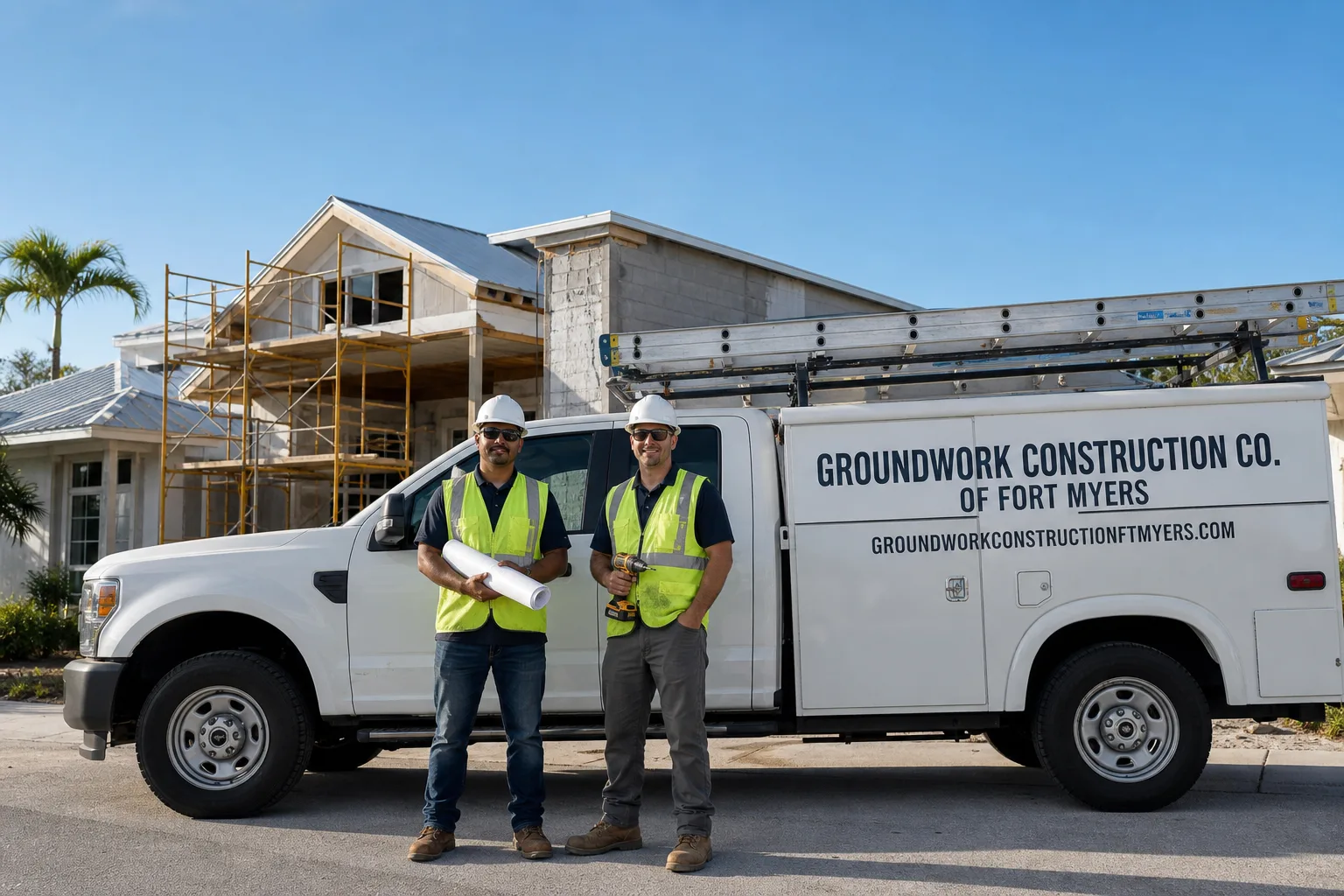
What a Tub-to-Shower Conversion in Pine Island Center Actually Takes and What It Costs
In Pine Island Center, a tub-to-shower conversion runs between $3,500 and $10,000 for most post-Ian homes we work on, and the job takes about 5 to 8 working days from demolition to final silicone. That range covers everything from a basic alcove replacement keeping your existing footprint to a full custom-tiled walk-in with a bench and frameless glass. The variables that push a quote toward the high end of that spread are almost always waterproofing complexity, plumbing relocation, and the finish choices you make on tile, glass, and fixtures. Call (844) 638-7249 for an exact line-item quote specific to your bathroom; there is no charge for the estimate and no pressure to commit.
How We Take a Tub Out and Put a Walk-In Shower In Its Place
The process is methodical, not mysterious. A tub-to-shower conversion follows a predictable sequence, and knowing that sequence ahead of time makes the whole project less disruptive. Here is what a typical week looks like when our crew pulls up to a Pine Island Center home.
Day 1: Demolition and discovery. We remove the tub, the surrounding wall finishes down to the studs, and the first few rows of subfloor if there is any water damage. This is the loudest and dustiest day. We run zip-wall containment and negative air to keep construction debris out of the rest of the house. A real conversation happens at the end of day 1: once the walls are open, we can see the condition of the subfloor, the joists, and any plumbing that was hidden. If the drain line is in the wrong spot for a center-drain shower pan, or if the venting needs adjustment, we show you photos and give you a firm price for the plumbing work before anyone touches a pipe. No change orders that appear from nowhere.
Day 2-3: Rough plumbing and waterproofing prep. A licensed plumber moves the drain to center position if required, installs a 2-inch shower drain line (code-required for a shower; a 1.5-inch tub drain does not meet current Lee County code for a shower), and checks the shutoff valves and supply lines. Our carpenters then reinforce any studs that will carry glass panel hardware, block between studs for grab-bar backing even if you do not currently want grab bars (future-proofing costs $30 in lumber and avoids a gut remodel later), and correct any framing that is out of plumb. The shower valve and any niche framing get set at this stage. Lee County requires a rough-in inspection on the plumbing before the walls close; we pull the permit and schedule the inspection so the inspector sees the work while it is still exposed.
Day 4-5: Waterproofing and tile. This is the part that separates a shower that lasts 30 years from one that rots out in six. We use a full system - either a bonded sheet membrane over the entire wet area or a liquid-applied waterproofing with reinforcing fabric at every change-of-plane and fastener penetration. The pan gets a pre-sloped mortar bed or a factory-made foam tray, and we water-test it for 24 hours before a single tile is set. Tile installation follows: walls first, then the pan floor, with a 1%-2% slope toward the drain. If you chose a bench or a niche, those get tiled as part of the continuous waterproofing envelope.
Day 6-7: Grout, glass, trim-out, and final inspection. Once tile has cured, we grout with epoxy-based grout in wet areas (it repels water and never needs sealing, unlike cement grout). The shower valve trim, showerhead, and any handheld sprayer go on. Our plumber sets the mixing valve temperature limit stop so the water never scalds. The glass enclosure goes in: either a fixed panel with a walk-in opening or a framed or semi-frameless door, measured and fabricated to fit. Lee County requires a final inspection; we stay on-site until the inspector signs off. Final silicone at every seam, a thorough cleanup, and the shower is ready to use the next morning.
The Options You Will Choose Between
When you convert a tub to a shower in Pine Island Center, you make a handful of specific decisions that determine how the shower looks, how it holds up to our hard water and humidity, and what it costs. Here are the choices that have the most practical impact.
- Shower pan: Acrylic base vs. tiled mortar pan. A factory-made acrylic or solid-surface pan installs in a few hours, costs less, and has zero grout lines to maintain. A tiled mortar pan is infinitely customizable in size, shape, and slope, and it gives you the seamless look of a high-end custom shower. The trade-off is that a tiled pan adds 2-3 days of labor and requires meticulous waterproofing. For a guest bath that sees occasional use, an acrylic pan makes a lot of practical sense. For a primary suite where you want a curbless, doorless walk-in feel, a tiled pan is the better long-term fit.
- Wall material: Large-format porcelain tile vs. standard ceramic vs. solid-surface panels. Large-format porcelain (24×48 or similar) means fewer grout lines to clean and less opportunity for water intrusion. Solid-surface wall panels from brands like Kohler offer a completely seam-free surface that wipes down in seconds. Standard ceramic subway tile is the most budget-friendly and never looks dated, but you have more grout to maintain. In Pine Island Center’s humidity, we strongly lean toward large-format porcelain or solid-surface panels in primary bathrooms: less grout means less mold food.
- Glass enclosure: Framed vs. semi-frameless vs. frameless heavy glass. Framed glass uses a metal frame around every edge of the panels - it is the most economical and structurally rigid option. Semi-frameless uses framing on the walls and header but leaves the door panel frameless, giving you a cleaner look at a mid-range price. Fully frameless heavy glass (3/8-inch or 1/2-inch tempered) delivers a high-end, open feel with minimal metal. It costs the most and requires perfectly level and plumb walls, because there is no frame to hide imperfections.
- Shower valve and fixtures: Pressure-balance vs. thermostatic. A pressure-balance valve meets code and keeps water temperature stable when a toilet flushes or a washing machine kicks on. A thermostatic valve goes a step further: you set an exact temperature and the valve holds it within a degree or two regardless of pressure fluctuations elsewhere in the house. Thermostatic valves cost more upfront but matter a lot if you have a large family or a tankless water heater that can hunt a little on temperature. Either way, we set the anti-scald limit stop as part of the trim-out.
- Built-in seating and niches. A shampoo niche built between two studs is straightforward and adds no structural cost. A corner bench or a full-width bench integrated into the shower footprint requires more waterproofing, more tile work, and more precision on the slope. It is one of the highest-satisfaction upgrades we do, especially for homeowners planning to stay in their Pine Island Center home into retirement, but it adds $400-$900 to the job depending on size and finish.
What a Tub-to-Shower Conversion Costs in Pine Island Center, FL
The lead range for a tub-to-shower conversion here is $3,500 to $10,000. A straightforward alcove conversion where the footprint does not change, the drain stays in the previous tub-drain location (with a reducer), and the walls get a standard white subway tile and a framed glass door will land at the lower end. A project that relocates the drain to center, expands the shower footprint into an adjacent closet or vanity recess, includes a full tiled mortar pan with a frameless heavy-glass enclosure, and upgrades the wall tile to large-format porcelain with a built-in bench will push toward $10,000 and sometimes beyond if the waterproofing scope grows.
The five variables that move the number are: (1) drain and plumbing relocation - moving a drain laterally requires opening the subfloor and reframing a section of floor joists, adding $800-$1,600; (2) waterproofing scope - a full bonded sheet-membrane system with a water-tested pan costs more than a basic liquid-applied system but buys decades of leak-free life; (3) tile material and size - standard ceramic is the least expensive option, while large-format porcelain or natural stone adds $5-$12 per square foot in material cost alone; (4) glass type - framed starts below $400, while custom heavy-glass frameless can exceed $1,800; (5) permitting - Lee County permit fees for a plumbing alteration and a change-of-use inspection run a few hundred dollars, and we pull the permit as part of the job.
A written estimate from us covers all labor, materials, permit fees, and a line item for any plumbing or framing modifications we can identify before demolition. If we open the wall and find a joist that has been notched by a previous owner or a drain line that is too shallow for the new shower pan slope, we photograph it, explain it, and give you a fixed price for the additional work before touching it. That has been our rule for over 42 years in construction, and it is non-negotiable.
What Pine Island Center Homes Specifically Do to This Job
A tub-to-shower conversion on Pine Island Center is not the same job as one in a mainland subdivision. The island’s housing stock, the salt air, and the post-Ian rebuild reality all push this seemingly straightforward bathroom project in a few specific directions.
First, a large share of the tubs we are pulling out here sit in mid-century CBS or wood-frame homes that were at or near grade before Ian. Even homes that did not flood fully absorbed enough moisture during the storm to compromise subfloor sheathing around the tub apron. We find more subfloor rot on Pine Island bathroom demos than in any other area we work. That means a higher percentage of our tub-to-shower conversions here include subfloor replacement before the pan goes in - not an upsell, just a fact of building on a low-elevation island with a shallow water table and a direct hit from a Category 4 hurricane still working its way out of the building stock.
Second, the saltwater environment is hard on metal. The standard fasteners, drain grates, and shower door hardware that hold up fine 15 miles inland will pit and corrode here within a few years if they are not stainless or hot-dipped galvanized. We specify stainless screws on every backer board fastener, a stainless or solid-brass shower drain grate, and marine-grade hardware on glass enclosures. It adds a small line item to the material list and eliminates callbacks. For the same reason, we specify epoxy grout on the shower floor and lower wall sections: our humidity and the salt content in the air are a mold-promotion engine, and epoxy grout does not absorb moisture the way cement grout does.
Third, the permitting reality on Pine Island Center is specific. Lee County requires a plumbing permit for a drain relocation, and the inspector will look at the shower pan water test and the valve temperature limit stop. Because the Pine Island Road causeway is a single two-lane bottleneck with heavy contractor traffic starting before 7 a.m., we schedule inspections in the earliest available window to avoid the mid-morning crush that turns a 20-minute drive from the mainland into an hour. Our project managers know the causeway rhythm and build it into every schedule. If you are converting a tub to a shower as part of a larger post-Ian renovation that has already opened walls and permits, this job slots into the existing permit scope cleanly. If you are doing it as a standalone remodel in a home that was not substantially damaged, it is a standalone permit with its own inspection sequence.
Serving Pine Island Center, FL - Our Local Coverage Area
We’re based in the Pine Island Center area and know this community well. Use the map below to see our service coverage - if you’re nearby, we can almost certainly help.
Frequently Asked Questions About Tub-to-Shower Conversion in Pine Island Center
Most tub-to-shower conversions in Pine Island Center take 5 to 8 working days, assuming no hidden subfloor damage that requires extensive reframing. Day 1 is demolition and plumbing stub-out; days 2-3 cover rough plumbing inspection and waterproofing prep; days 4-5 are tile and pan installation with a 24-hour water test; days 6-7 handle grout, glass enclosure, trim-out, and final inspection. If the subfloor is rotted and we replace a section, expect the schedule to add 1-2 days. We give you a day-by-day calendar before we start, and we stick to it unless the house has surprises to show us.
Yes. Lee County requires a plumbing permit for the drain relocation from a 1.5-inch tub drain to a 2-inch shower drain, and the inspector will check the shower pan water test and the anti-scald setting on the mixing valve. We pull the permit as part of the job, and the cost of the permit is included in your estimate. Working without a permit on a drain-line change is a code violation, and unpermitted work can become a problem when you sell the home. If you are already permitted for a larger bathroom renovation - part of a full Bathroom Remodeling in Pine Island Center scope - this conversion typically rides under that existing permit with an amendment.
Sometimes, but not always. If you keep the drain in the same location as the old tub drain and use an offset shower pan designed to accept a drain at the tub-end position, you can avoid relocating the drain line entirely. This works well in alcoves where the tub was a standard 60-inch model. The trade-off is that the shower floor will not have a perfectly centered drain, and the pan slope is slightly steeper on one side. If you want a centered drain or a larger shower footprint, the plumber will need to relocate the drain line, which means opening the subfloor and reframing a small section. We can usually tell you which scenario your bathroom requires during the estimate visit by checking the joist direction and the drain routing.
The workmanship on every tub-to-shower conversion we do is covered by our 730-Day Done Right Promise: if something is not done right within two full years, we come back and make it right at our cost. The tile manufacturer, the shower valve, and the glass enclosure each carry their own manufacturer warranty, which we register on your behalf. The waterproofing system we use - whether sheet membrane or liquid-applied - carries a manufacturer warranty that in most cases extends well beyond a decade when installed by a certified applicator. Call (844) 638-7249 and we can walk you through the specific warranty terms on the materials you are considering.
A tub-to-shower conversion here typically runs $3,500 to $10,000 depending on whether you keep the existing footprint, what tile and glass you select, and whether the subfloor or plumbing needs repair. A basic alcove conversion with acrylic pan, standard tile, and framed glass starts around $3,500. A fully customized walk-in with a tiled mortar pan, large-format porcelain, frameless heavy glass, and a built-in bench reaches the $9,000-$10,000 range. For an exact price on your specific bathroom, call (844) 638-7249 to schedule a free on-site estimate. The quote is written and line-itemed, and the number you see is the number you pay.
Get a Free Estimate for Your Tub-to-Shower Conversion in Pine Island Center
If you are ready to trade a tub you never use for a walk-in shower that works for your household right now, call (844) 638-7249 to set up a free on-site estimate. One of our project managers will come to your home in Pine Island Center, take measurements, walk through every option listed above, and hand you a written quote before they leave. No high-pressure pitch. No price that changes after you sign. Our bathroom remodeling team handles the entire job with background-checked, uniformed technicians, and every conversion is backed by the 730-Day Done Right Promise. Some homeowners in the area pair a tub-to-shower conversion with exterior upgrades like Metal Roofing in Pine Island Center or Tile Roofing in Pine Island Center as part of a broader post-Ian resilience plan - and we are built to handle the full scope under one roof, with one schedule and one accountable team.
Written by Derek Hollenbeck, Owner at Groundwork Construction Co., serving Pine Island Center.