
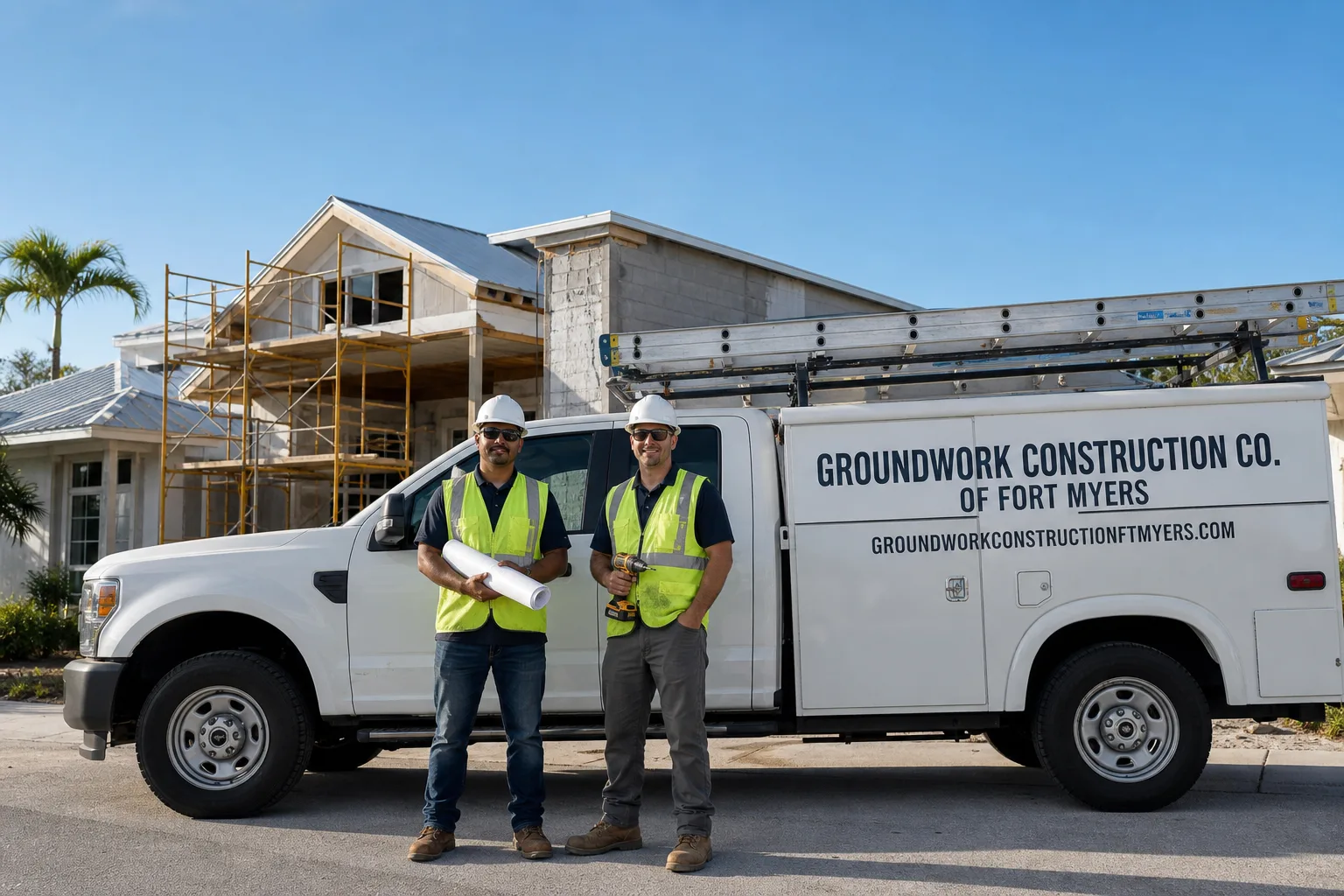
What Glass Railing Systems in Pine Island Center Actually Cost and How They’re Done
Glass railing systems in Pine Island Center typically run $250 to $600 per linear foot for a complete installation, with most residential deck, balcony, or stair projects landing between $6,500 and $18,000 depending on the system type, footage, and mounting conditions. That’s the range we quote most often, and it accounts for the stainless-steel hardware and heavy-duty anchoring these jobs demand in our salt-air environment. A straightforward 30-linear-foot frameless glass rail with a top cap and one gate will usually put the total around $9,000 to $14,000 here. Call (844) 638-7249 if you want a free, written estimate built around your actual measurements rather than an internet average.
How a Glass Railing Project Comes Together
Most homeowners call us after wrestling with a decaying wooden rail or staring at a corroded aluminum picket system that’s been losing the fight against Pine Island Center’s salt spray for a decade. Glass railing isn’t a one-day job, but it follows a clear sequence, and knowing what happens at each stage tends to take the mystery out of the process.
Stage 1: Site measure and substrate evaluation (1 visit, about an hour). We measure every linear inch of the run, check level across the mounting surface, and inspect what’s underneath. On elevated decks and balconies common in post-Ian Pine Island Center rebuilds, the structural framing and sheathing have to be sound enough to hold the base shoe and resist the moment force a glass panel exerts when someone leans on it. If the deck rim joist or concrete stem wall needs reinforcement, we flag it here before any material gets ordered.
Stage 2: System selection and permitting (1 to 2 weeks). You’ll choose between framed, semi-frameless, and frameless configurations, pick your glass type, and settle on a hardware finish. While you’re deciding, we pull the permit. Lee County requires a building permit for any guardrail replacement that alters the structural attachment or changes the rail height, and Pine Island Center properties in the AE and VE flood zones often trigger additional plan-review scrutiny because railings attached to elevated piling foundations have to meet both the high-wind and floodplain standards simultaneously. This isn’t a rubber-stamp process; we budget two weeks for permit turn-around.
Stage 3: Fabrication and templating (2 to 3 weeks). Glass panels are cut and tempered off-site to your exact measurements. If you chose a frameless system, the glass itself is the structural element, so each panel is fabricated from 1/2-inch or thicker tempered safety glass that meets ASTM E2353 for infill use. Hardware, base shoes, and spigots arrive during this window. For Pine Island Center jobs, we spec only 316-grade stainless steel on every fastener, bracket, and clamp, because 304 will pit within two years in salt-laden air.
Stage 4: Installation (2 to 4 days on site). Day one is prep: removing the old rail, verifying the mounting surface, and laying out base-shoe or spigot positions. Day two is anchoring; we mechanically fasten the base track to the substrate, set the first glass panels, and level everything as we go. Day three or four is final panel setting, gate-hinge adjustment, and a top-cap install if the system calls for one. Frameless jobs run closer to four days because each panel has to be set with millimeter precision. Every day we’re on site, we clean up, and the project lead walks you through progress before we leave.
Stage 5: Final inspection and close-out. Lee County sends an inspector to verify the guardrail meets the 42-inch minimum height, the four-inch sphere rule for any gaps, and the structural load requirements in the Florida Building Code (7th Edition, 2023). We don’t hand over the job until the inspection passes and you’ve walked the rail with us. The 730-Day Done Right Promise kicks in the day we finish, so if anything shifts, loosens, or doesn’t look right inside two full years, we come back and fix it.
The Options You’ll Choose Between
Three system families cover most of what we install in Pine Island Center, and each one changes the look, the maintenance story, and the price.
- Framed glass railings (posts and rails with glass infill). Powder-coated aluminum or stainless-steel posts and top/bottom rails sandwich the glass panels. This is the most cost-effective option, usually running $250 to $350 per linear foot. The frame takes the structural load, so glass thickness stays at 1/4 or 3/8 inch, which reduces material cost. It’s the right call when budget is the priority and you still want an unobstructed view through the infill. The trade-off is more visible metal, which some homeowners find busier than they wanted.
- Semi-frameless railings (posts with base shoe, no top rail). Vertical posts stay, but the top rail disappears and the glass is captured only along the bottom edge. This hits a sweet spot around $300 to $425 per linear foot. You get a cleaner sightline than full-frame, and the posts still carry the wind load, so the engineering is simpler. Glass thickness bumps to 3/8 or 1/2 inch tempered. For Pine Island Center decks that catch steady afternoon breezes off the Sound, the missing top rail can make the difference between a view you enjoy and a railing you’re constantly looking past.
- Frameless glass railings (standoff spigots, no top rail, no vertical posts). This is the architects’ choice: glass panels appear to float, held by small stainless-steel spigots or a recessed base channel. You’re looking at $450 to $600 per linear foot. The glass itself resists the design loads, so each panel is 1/2 to 3/4 inch thick, heat-soak tested, and custom cut. These systems demand a dead-level, perfectly rigid substrate for the spigot anchors, and on any Pine Island Center property within a quarter mile of the water, we strongly recommend the 316 stainless spigot upgrade. You’ll pay more at installation but you won’t be staring at rust blooms after two wet seasons.
Glass itself splits into two paths: standard clear tempered, which gives you that transparent edge that makes glass railing what it is, and low-iron tempered, which strips out the faint green tint standard glass carries. Low-iron is about a 20 percent adder on glass cost and is worth it if you want the panels to look invisible instead of just clear.
What Glass Railing Systems Cost in Pine Island Center, FL
Plan on $6,500 to $18,000 for a typical glass railing system in Pine Island Center, with most projects clustering between $9,000 and $14,000. The per-linear-foot range is $250 to $600, and here’s what pushes the needle one direction or the other.
Total linear footage. More rail means more glass, more hardware, more labor hours. A 20-foot balcony rail isn’t half the cost of a 40-foot run; it’s more like 65 to 70 percent, because mobilization, permitting, and minimum fabrication charges don’t scale down proportionally.
Frameless vs. framed. Frameless systems double the per-foot cost of a basic framed install because the glass has to be thicker and the hardware is precision-engineered. Spigots alone can run $40 to $90 each, and they’re spaced every 3 to 4 feet.
Mounting surface condition. If the existing deck or concrete edge is level and structurally sound, anchoring is straightforward. If we discover rot in the rim joist, spalling in a concrete slab, or an undersized ledger board on an elevated deck, you’re paying for substrate repair before the first base shoe goes down. On post-Ian rebuilds in Pine Island Center, we see this less often because the framing is usually new, but older structures that survived the storm often have hidden deterioration that only reveals itself when we start drilling.
Number of gates and corners. A gate with a self-closing hinge and magnetic latch adds $400 to $900 per gate, depending on width and hardware finish. Forty-five-degree corners or stair transitions add fabrication and labor time because each panel gets a custom miter.
Salt-air hardware spec. If you’re close enough to Pine Island Sound to taste the salt, 316-grade stainless fasteners and brackets are the only sensible choice. They add roughly 10 to 15 percent to the hardware line item versus 304 stainless, and they’re the single best investment you can make against corrosion pitting. Every Groundwork Construction Co. glass rail quote for Pine Island Center includes 316 stainless as the default; it’s not an upsell.
Our written estimate breaks out all of these line items: linear feet, system type, glass spec, hardware grade, gate count, substrate prep (if any), permit fee, and labor. The number you see is the number you pay. No change orders unless you ask to change the scope, and even then, we re-quote before we touch anything.
What Pine Island Center Homes Specifically Do to This Job
Glass railing in Pine Island Center doesn’t get the easy version of the assignment. The island’s salt-laden atmosphere corrodes standard metal components relentlessly, which is why we default to 316 marine-grade stainless steel on every fastener, bracket, and spigot we install east of the causeway. That’s not an optional upgrade here; it’s the baseline. On properties within sight of Pine Island Sound, we also strongly recommend a powder-coated or anodized finish on any aluminum base shoes or post sleeves, because raw aluminum in this air develops white oxide bloom inside a year.
The post-Ian building environment creates another layer of specificity. Much of Pine Island Center’s older wood-frame deck stock was destroyed by surge, and what’s being rebuilt now sits on elevated piling foundations engineered to current FEMA freeboard requirements. Those new decks are structurally superb, but they often have concrete stem walls or treated-lumber rim joists sitting 10 to 14 feet above grade, so our anchoring detail has to transfer the full guardrail load into a substrate that experiences more thermal expansion and wind-driven vibration than a ground-level slab ever would. Lee County inspectors look hard at these connections, and they should, because a railing on a third-floor deck 12 feet up is a life-safety element, not a design preference.
Permitting runs through Lee County’s Building & Permitting Services division, and the current Florida Building Code (7th Edition) governs guardrail height, opening limitations, and structural load resistance. For glass railing specifically, the panels must pass ASTM E2353 impact and retention testing, and the assembly as a whole has to resist a 200-pound concentrated load applied in any direction. We pull the permit on every glass railing job in Pine Island Center, no exceptions, and we don’t start work until the permit card is posted. If you’re adding a glass rail as part of a broader project that includes Windows & Doors in Pine Island Center, we sequence the inspections together to avoid multiple trips.
Serving Pine Island Center, FL - Our Local Coverage Area
We’re based in the Pine Island Center area and know this community well. Use the map below to see our service coverage - if you’re nearby, we can almost certainly help.
Frequently Asked Questions About Glass Railing Systems in Pine Island Center
Four to six weeks is the typical timeline. The site visit and measure happen within a week of your call. Permitting takes roughly two weeks in Lee County, sometimes a few days longer if the property sits in a flood zone that triggers a plan-review flag. Fabrication of the glass panels runs two to three weeks after the order is placed. The on-site installation itself takes two to four working days for most decks and balconies. If you’re also considering Fence Repair in Pine Island Center on the same property, we often schedule both scopes during the same mobilization window to save you time.
Yes. Lee County requires a building permit for any guardrail replacement that involves new structural attachments or changes the railing height. Replacing like-for-like with identical mounting points sometimes falls under a repair exemption, but because most glass railing installations use different anchor patterns than the wood or aluminum rails they replace, we permit every job. The permit cost is included in our estimate. The inspection protects you: a county inspector verifies the rail height, opening clearances, and structural integrity against the Florida Building Code before we close the job.
It depends entirely on the deck’s structural condition and the stiffness of the rim joist or perimeter beam. Frameless systems transfer all the load through the base shoe into the substrate, so the mounting surface has to be dead-level and rigid enough that it won’t flex under lateral pressure. Many pre-Ian decks in Pine Island Center that survived the storm have rim-joist rot, corroded ledger fasteners, or undersized framing that won’t pass muster for a frameless anchor detail. We evaluate this at Stage 1 and tell you honestly what the deck needs before we mount glass to it. Sometimes the right call is a semi-frameless system that uses posts to carry the load, which is more forgiving of an older substrate.
Not unless we uncover something that couldn’t have been seen during the initial evaluation or unless you ask us to change the scope. If we open up a deck section and find structural rot that needs repair, we stop, show you exactly what we’re seeing, and give you a separate quote for the repair work before we proceed. You decide; we don’t add anything without your approval. That upfront pricing discipline is a core part of how our Windows & Doors team and every other crew at Groundwork Construction Co. operates, and it’s one of the reasons our 730-Day Done Right Promise exists. If we quote it, we stand behind it.
Properly engineered and installed, yes. The glass itself is tempered safety glass that meets ASTM E2353 impact standards, and the assembly is designed to resist the same design wind pressures that the rest of the structure is engineered for. The real vulnerability with any exterior railing in Pine Island Center isn’t the glass, it’s the fasteners. That’s why we spec 316 stainless steel on every bolt, anchor, and bracket, and why Lee County inspectors verify the attachment detail during the permit inspection. If you’re pairing a glass rail with hardscape work like Paver Driveways in Pine Island Center, we coordinate the structural and finish trades so nothing gets compromised by sequencing conflicts.
Start With a Free On-Site Estimate for Glass Railing in Pine Island Center
If you’re ready to replace a tired railing or spec a glass system for a new build, the next step is a site visit. We’ll measure, evaluate the mounting surface, talk through the system options that fit your budget, and hand you a written, line-by-line estimate before we leave. No pressure, no vague numbers. Call (844) 638-7249 to schedule the walk-through. A real person answers, any hour, any day, and we’ll have a uniformed technician at your Pine Island Center property within days, not weeks.
Written by Derek Hollenbeck, Owner at Groundwork Construction Co., serving Pine Island Center and Lee County since 2014.