
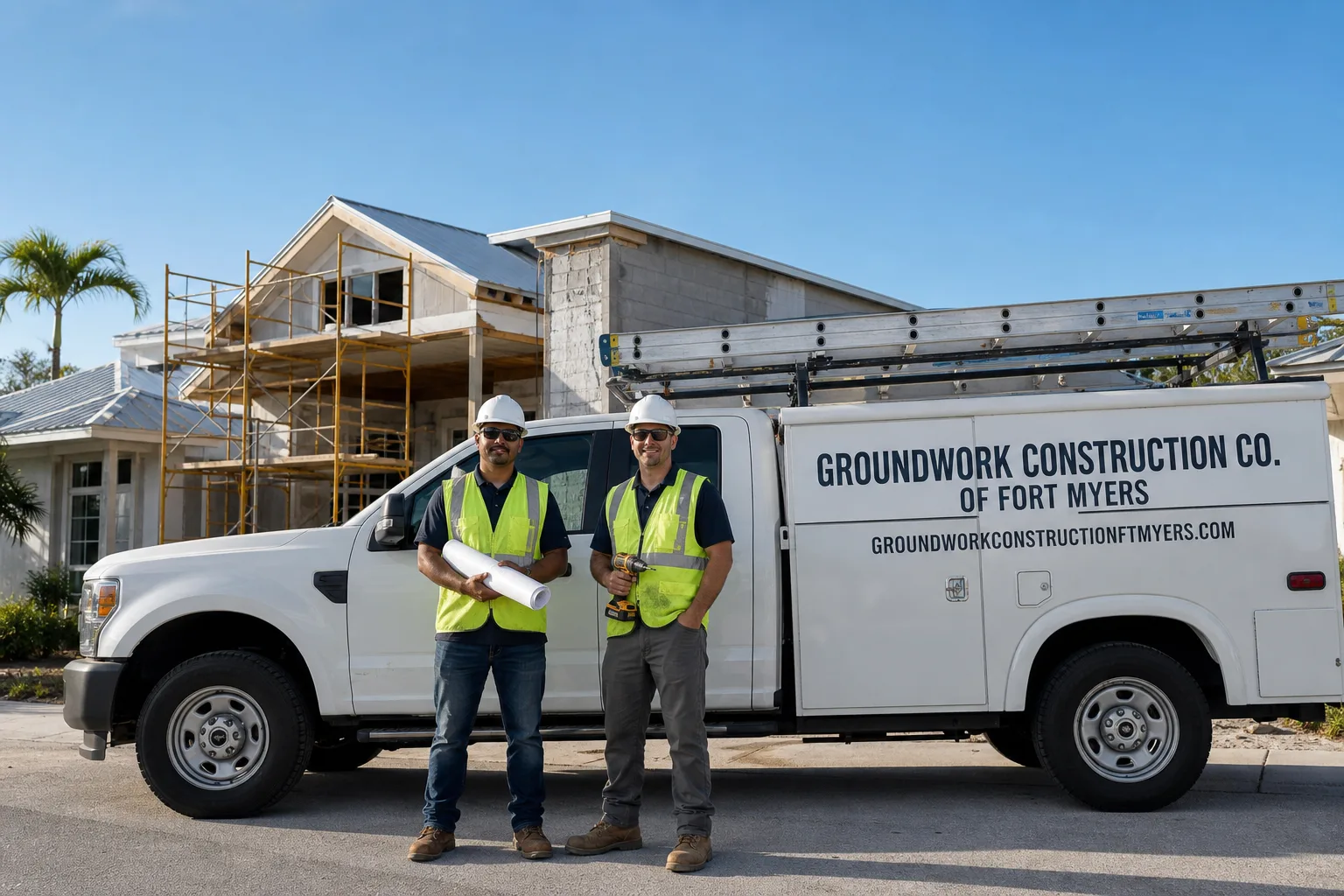
What a Garage Conversion ADU in Cleveland Actually Costs and How Long It Takes
Converting an existing garage into a legal accessory dwelling unit in Cleveland, FL typically runs between $45,000 and $130,000, with most projects landing in the $60,000-$80,000 range. The work takes 10 to 16 weeks from the day we pull permits to final inspection, depending on whether you’re tapping into existing plumbing and electrical or running new service lines. Call (844) 638-7249 for a free, no-obligation estimate that breaks down every line item so you know the real number before you commit.
Cleveland sits squarely in Pasco County’s karst limestone belt, which means the conversation here starts with what’s under the slab before we ever talk about floor plans. We’ll get into that. But the short version is that a garage conversion in this part of Florida is a far smarter path to adding square footage than building new in an area where sinkhole activity keeps insurers and building officials on high alert.
How We Convert a Cleveland Garage Into a Legal ADU
The sequence matters, and skipping steps is how you end up with an unpermitted unit that can’t be rented and hurts your resale value. Here’s exactly how we do it.
Stage 1: Site assessment and sinkhole due diligence (Week 1). Before we touch a wall, we bring in a geotechnical engineer to assess subsurface conditions under and around the slab. In Pasco County, this isn’t a checkbox. It’s the difference between a permit that sails through and one that stalls. We also pull property records to confirm the garage is legally permitted, measure floor-to-ceiling clearance for habitable-space minimums, and test for moisture intrusion through the slab. You’ll decide at this stage whether to proceed with standard improvements or invest in sinkhole-resistant reinforcement if the report flags a void risk.
Stage 2: Design, engineering, and permit submission (Weeks 2-4). We draw plans that meet Florida Building Code Chapter 1 for ADUs, submit structural calculations, and file with Pasco County Building Construction Services. The county will want a sinkhole attestation on the permit package if the lot hasn’t been assessed previously, and we handle that directly. You’ll choose your floor plan layout, window and door placements, and finish level during this stage. Most Cleveland homeowners doing a Home Additions & ADU in Cleveland project like this opt for a studio or one-bedroom layout to keep costs down while maximizing rental income potential.
Stage 3: Demolition and rough-in (Weeks 5-7). We strip the garage door and track, remove any automotive-grade concrete apron that conflicts with the new entry, and cut the slab where plumbing trenches are needed. This is the dustiest week. If you’re adding a bathroom or kitchenette, we run new drain lines, water supply, and vent stacks at this stage. Electrical rough-in follows, with a new subpanel if the existing garage circuit can’t carry the load. You’ll walk the space with us to confirm outlet, switch, and fixture locations before drywall goes up.
Stage 4: Insulation, drywall, and systems install (Weeks 8-11). Garages in 1970s and 1980s Cleveland CBS homes were rarely insulated. We bring the walls and ceiling to code minimums, hang and finish drywall, and install the mini-split HVAC system that most ADU conversions use down here. Humidity control is everything in a subtropical climate with afternoon thunderstorms hammering the area from June through September. You’ll pick paint colors, flooring, cabinet style, and countertop material during this phase. Many homeowners coordinate with Cabinets & Countertops in Cleveland to match the ADU’s kitchenette to the main house.
Stage 5: Trim, finishes, and final inspection (Weeks 12-16). Baseboards, door casing, plumbing fixtures, light fixtures, and appliance hookups go in. We schedule the county’s structural, electrical, plumbing, and mechanical inspections. Once Pasco County signs off, the ADU is legal to occupy or rent. We do a final walkthrough with you to catch any paint touch-ups or adjustments. The 730-Day Done Right Promise applies to every element of the conversion, so if anything isn’t right after move-in, we make it right, no fine print.
The Options You’ll Choose Between for a Garage Conversion ADU
Every Cleveland garage we convert presents the same fork-in-the-road decisions. Here’s what you’re actually choosing between, and the honest trade-off of each.
- Studio vs. one-bedroom layout. A studio keeps the space open, costs less in framing and drywall, and works well for short-term rentals. A one-bedroom with a separating wall adds roughly $4,000-$7,000 to the project but dramatically expands your renting pool. If the garage footprint is under 400 square feet, a studio is usually the smarter play.
- Full kitchen vs. kitchenette. A full kitchen with a range, vent hood, and 220V appliance circuit adds $8,000-$15,000 and requires a dedicated gas or electric line. A kitchenette with a microwave, under-counter fridge, and sink keeps the project simpler and avoids triggering additional fire-suppression requirements. Most Cleveland ADUs we build go with a kitchenette unless the homeowner plans to rent long-term to a tenant who will cook daily.
- Mini-split HVAC vs. extending central ductwork. A ductless mini-split costs $3,500-$6,000 installed and gives the ADU independent climate control. Extending the main house’s central ductwork is cheaper upfront but rarely works well because residential HVAC systems aren’t sized for the added square footage. We install mini-splits in nearly every Cleveland conversion.
- Luxury vinyl plank vs. tile flooring. LVP runs $4-$8 per square foot installed, handles humidity without warping, and feels warmer underfoot. Tile costs $7-$14 per square foot and is practically indestructible in a Florida rental. If the slab has minor cracking from past settling, LVP’s flexibility hides imperfections better. If the geotechnical report flags movement risk, we recommend tile with a decoupling membrane.
- Standard drywall vs. moisture-resistant board. For a few hundred dollars more, we use green board throughout every Cleveland garage conversion. The humidity cycling in this part of Pasco County, with daily summer downpours and a water table that sits close to the surface, makes standard drywall a false economy.
Flooring and tile selections often run in parallel with Backsplash, Tile & Flooring in Cleveland work, and we coordinate so your ADU’s finishes are consistent if you’re updating the main house at the same time.
What a Garage Conversion ADU Costs in Cleveland, FL
A garage conversion in Cleveland runs $45,000 on the low end for a straightforward studio with a kitchenette, one bath, and no structural surprises, up to $130,000 for a large two-story garage conversion with a full kitchen, premium finishes, and significant slab or foundation work. Here’s what moves the number.
Garage size and condition. A 400-square-foot single-car garage costs less to convert than a 700-square-foot two-car, but the real variable is the slab. Cleveland’s 1970s and 1980s CBS homes frequently have slabs that were poured without compaction reports. If we find cracking, spalling, or door-frame racking that indicates past movement, the geotechnical report and any required slab remediation can add $5,000-$15,000 before we frame a single wall.
Plumbing and electrical scope. If your garage already shares a wall with the main house’s wet wall, tapping into existing drain and supply lines is relatively straightforward. If the garage is detached and we need to trench new sewer and water lines across the yard, expect $6,000-$12,000 in additional site work. Electrical is similar: an existing 60-amp subpanel in the garage saves you $2,000-$4,000 compared to running a new service drop from the main panel on the opposite side of the house.
Permit and impact fees. Pasco County charges school impact fees, transportation impact fees, and park impact fees on new ADUs. These vary by square footage and often land between $3,000 and $8,000. Our written estimate includes these as a separate line item so you see exactly what goes to the county and what goes into the build. No surprises.
Finish level. Builder-grade cabinets, laminate counters, and standard fixtures keep the budget tight. KraftMaid cabinetry, quartz or Cambria counters, and Kohler fixtures push the number higher but hold up better in a rental and look right if this ADU will house family. We quote both options so you control where the money goes.
What Cleveland Homes Specifically Do to This Job
Cleveland sits in Pasco County, which consistently posts some of Florida’s highest sinkhole-claim volumes. The limestone bedrock here dissolves over decades, creating underground voids that collapse without warning, and the 1970s through 1980s concrete-block homes that dominate the area were often built before sinkhole investigation reports became standard. We routinely open up a garage slab in Cleveland and find hairline cracking or subtle grade changes that signal subsurface movement. This isn’t a dealbreaker. It’s a reality. We bring in a geotechnical engineer on every garage conversion in this area, and if the report recommends compaction grouting or slab reinforcement, we build that into the scope before the permit package goes to the county. Pasco County’s building officials now expect a sinkhole attestation on structural permits for habitable conversions, and out-of-area contractors who don’t know this get their plans bounced. We don’t.
The aging CBS housing stock here also means we’re frequently dealing with garage walls that need repointing and stucco remediation before we can insulate and drywall. Decades of subtropical humidity cycling, intense afternoon thunderstorms rolling through from June to September, and the persistent damp that sits against block walls in this part of Cleveland take a toll. We address the shell first so the finished ADU stays tight and dry. In neighborhoods closer to the Suncoast Parkway corridor where newer construction is mixed in, we still test for moisture because even post-2000 slabs can wick groundwater in a county where the water table runs high. The process is the same regardless of whether we’re working near the older manufactured-home pockets or the newer sprawl: test, remediate, then build.
Serving Cleveland, FL - Our Local Coverage Area
We’re based in the Cleveland area and know this community well. Use the map below to see our service coverage - if you’re nearby, we can almost certainly help.
Frequently Asked - Garage Conversion ADU in Cleveland
Yes. Pasco County requires structural, electrical, plumbing, and mechanical permits for any garage conversion that adds habitable square footage. The county also requires a sinkhole attestation on the permit package if the lot was never previously assessed. Working without permits in Cleveland risks fines, an uninsurable unit, and a disclosure problem when you sell. Our Home Additions & ADU team handles the entire permit package, and we don’t start demolition until the county signs off.
Ten to sixteen weeks is the realistic range for a permitted garage conversion ADU in Cleveland. The design and permit phase eats the first three to four weeks. Demolition and rough-in take two to three weeks. Insulation, drywall, and systems install run another three to four weeks. Trim, finishes, and county inspections close it out in two to four weeks. The sinkhole investigation can add a week if the geotechnical engineer’s schedule is tight. Call (844) 638-7249 and we’ll give you a project timeline tied to your specific garage and scope.
You can, and that’s the lowest-cost path. A studio ADU where the bathroom and kitchenette share a wet wall and the garage door opening simply gets framed in and windowed avoids nearly all the structural and plumbing cost. Most Cleveland garages that already share a wall with the main house are good candidates for this approach. The trade-off is layout flexibility: you’re working within the existing footprint without moving drain lines. For many homeowners, the savings are worth it.
It shouldn’t, and with our upfront pricing, it doesn’t, unless you change the scope or we uncover a condition nobody could have seen before opening walls. In Cleveland, the one legitimate unknown is what the slab looks like underneath. If the geotechnical report comes back clean, the number in your estimate is the number you pay. If subsurface voids require remediation, we document everything, show you the engineer’s report, and give you a change order with fixed pricing before any additional work begins. No vague add-ons.
Every garage conversion we complete in Cleveland is covered by the 730-Day Done Right Promise. If something isn’t done right within two full years of completion, we make it right at no cost to you. This covers workmanship across every trade we touch: framing, drywall, plumbing, electrical, HVAC, flooring, finishes. It’s one of the longest guarantees in residential construction, and it’s in writing. No asterisks, no prorating, no “that’s not covered.”
Get a Free, No-Obligation Estimate for Your Garage Conversion ADU in Cleveland
We’ll walk your garage, measure the space, test the slab, and give you a written estimate with every line item broken out so you see exactly where your money is going. The estimate is free, and there’s no pressure to proceed. Call (844) 638-7249 to schedule yours. A live person answers, 24/7, and we’ll have a background-checked, uniformed estimator at your Cleveland property within days. From foundation to finish line, we build it so it stays built.
Written by Derek Hollenbeck, Owner at Groundwork Construction Co., serving Cleveland and Pasco County since 2014.