
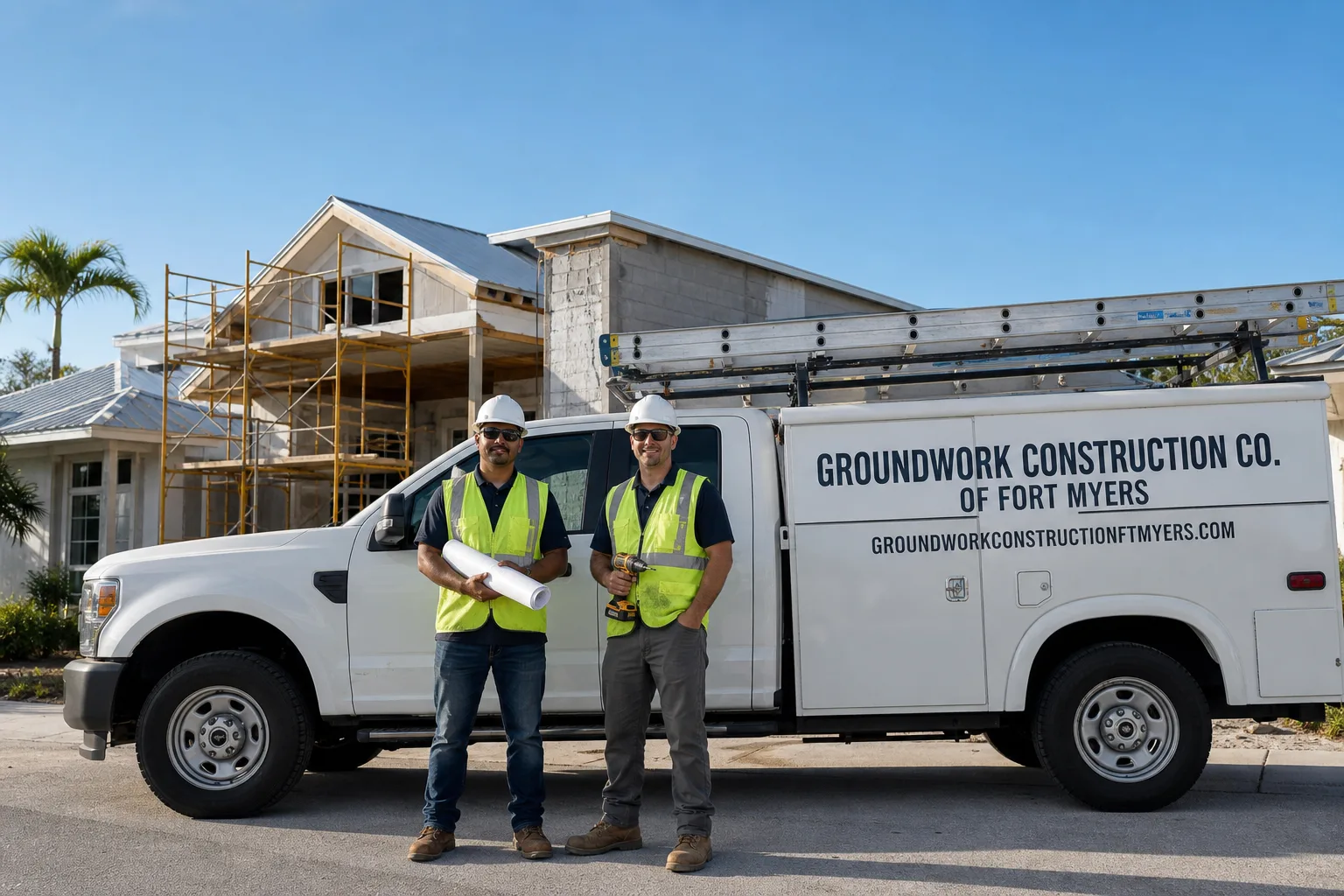
What you’ll actually pay for a chain link fence in Orangetree, and how fast it gets built
A straight chain link fence in Orangetree runs between $3,500 and $9,000 for a standard residential lot, with most jobs finishing in 2 to 4 days once posts are set. That range covers 4-foot galvanized through 6-foot vinyl-coated with a walk gate or double-drive gate. We price it in writing before the first post hole gets dug, so the number you see is the number you pay. Call (844) 638-7249 to schedule a free on-site estimate and we’ll walk the property line together.
How we put a chain link fence in the ground, start to finish
Unlike a privacy fence that hides what’s happening behind it, a chain link fence gets its strength from what’s underground. Most of the work is in the holes. Here’s how it goes with us, day by day.
Stage 1: Marking the line and calling 811 (Day 0)
Before a shovel touches dirt, we mark the fence path along the property line with paint and stakes so you can see exactly where it’ll run. Then we call 811, which notifies every underground utility in eastern Collier County. They come out within 48 hours and spray their own marks. In Orangetree, this step carries extra weight because of that old citrus-grove drainage infrastructure still buried under certain lots. Former tile lines show up on ground-penetrating radar sometimes, and you don’t want to auger through one blind.
Stage 2: Setting terminal posts and pulling string lines (Day 1-2)
Terminal posts go in first - corners, gate posts, and any end posts where the fence meets a wall or structure. These are thicker-gauge steel and get set deeper than line posts because they bear the tension of the fabric. On Orangetree lots built on that flat limestone plain, we watch for water in the holes starting around the 2-foot mark during the May-to-October rainy months. If a hole fills before we pour, we pump it, set the post, and concrete it immediately so the base doesn’t soften. Each post is concreted and braced level while the mix cures, typically overnight.
Stage 3: Line posts, top rail, and hardware (Day 2-3)
With a string line pulled taut between terminal posts, we set the line posts at even intervals - usually 8 to 10 feet on center. Then the top rail goes up. For residential jobs we typically use a single top rail with tension wire woven through the bottom of the fabric, but on taller or heavy-duty runs we’ll include a bottom rail as well. This is the point where you’ll see the skeleton of the fence and we can adjust any gate swing direction or post placement before the mesh goes on.
Stage 4: Pulling the fabric and tensioning (Day 3)
The chain link fabric arrives in rolls, and we unroll it along the post line, attaching it to the terminal posts first with tension bands and brace bands. Then we weave a tension bar through the mesh, bolt it down, and use a come-along to pull the fabric tight until there’s no visible sag between posts. In Orangetree’s summer heat, steel expands - we leave just enough give that a cooler December morning doesn’t pull it drum-tight and over-stress the posts. The mesh gets hog-ringed to the top rail and tied to the bottom tension wire every 18 inches.
Stage 5: Gate install and punch-list walk (Day 3-4)
Walk gates and drive gates get hung on pre-set hinge posts with adjustable hinges so the gate swings level and latches clean. We check the tension again, clean up, and walk the entire line with you. If anything’s out of plumb or the gate drags, it gets corrected right then. You sign off, we haul the scrap, and the fence is yours.
The chain link decisions that change the look, the life, and the number
Chain link isn’t one product. There’s a surprising range of choices that make a real difference in how the fence looks against your house and how long it stands up to Florida humidity. Here’s what you’ll pick between once we’ve measured the lot.
- Galvanized vs. vinyl-coated mesh. Galvanized is silver-gray, rust-resistant, and the most budget-friendly option. Vinyl-coated chain link - usually black, green, or brown - costs more per linear foot but nearly disappears into landscaping and holds up better against irrigation overspray and the corrosive leaf litter that collects along fence lines in Orangetree’s wooded sections.
- Gauge of wire. Residential jobs typically use 11-gauge, which is about 0.120 inch thick. 9-gauge is thicker, stiffer, and the smarter call if you’re containing large dogs or expect kids and lawn equipment leaning against it daily. The bump in material cost is modest and pays back in fewer sags over the life of the fence.
- Mesh size. Standard is 2-inch diamond, which keeps people and medium-to-large dogs in or out. For smaller dogs or to stop tennis balls from rolling through, 1-1/4-inch or 1-inch mesh is available, though the tighter the weave the higher the cost.
- Height. 4 feet is common for front-yard boundaries and pool code compliance (with the right latch). 5 and 6 feet are more common for backyards and full perimeter enclosures. In Orangetree, if the fence is part of a pool barrier, we need to meet Collier County’s specific height, gap, and self-latching gate requirements, which we walk through with you before ordering materials.
- Gate hardware. A simple walk gate with a gravity latch runs about the same as a few extra linear feet of fence. A double-drive gate with drop-rod pins and a heavy-duty fork latch adds more, but it’s sized to your mower, trailer, or boat and built to swing without scraping the ground even on an uneven grade.
What a chain link fence costs in Orangetree, FL
Realistically, an Orangetree chain link fence runs $3,500 on the low end for a smaller backyard run of 4-foot galvanized with one walk gate, and climbs to roughly $9,000 for a full perimeter 6-foot vinyl-coated fence with a double-drive gate on a larger corner lot. The average job we write lands around $5,500.
What pushes a quote to the high end: linear footage is the biggest driver, followed by fabric choice (vinyl-coated adds 30 to 40 percent over galvanized), gate count and type, and whether we’re removing and disposing of an existing fence first. Lot conditions matter, too. If the fence line runs through tree roots or we hit limestone close to the surface, concrete might need more volume, and the hole work takes longer. In Orangetree, the scattered pockets of fill and soft soil left from the citrus-grove drainage system occasionally require us to over-dig a hole and tamp in extra stone before placing the post, which is a small line item we flag during the walk-through so it’s never a surprise.
Every written estimate from us includes all materials, concrete, gate hardware, demolition and haul-off of any existing fence, and a final walk-through. It doesn’t include tree or brush removal beyond trimming back what’s intruding on the fence line, and it assumes the property line is locatable from existing survey markers. If a fresh survey is needed, we’ll tell you before we start, not after we dig.
What Orangetree’s lots, codes, and history do to a fence project
Orangetree wasn’t built on clean fill. The whole community sits on former citrus-grove land subdivided in the late 1980s through early 2000s, and that agricultural past still shows up during fence construction. Old subsurface drainage tile lines - clay and concrete pipes laid decades ago to drain the groves - appear in fence post holes more often than anyone expects. When we hit one, the soil around it is usually soft and waterlogged even in dry months. That hole gets over-dug, the pipe section removed, and the post concreted to virgin ground, which adds maybe twenty minutes per post but keeps a post from leaning two years later.
The housing stock here spans a building-code fault line around Hurricane Andrew in 1992. Homes built before that storm often sit on pads graded differently than the post-Andrew slabs next door, and when a fence line crosses between two lots of different vintages, the grade change matters. We have to step the fence or rack the fabric so the bottom stays flush to the ground without gaps at the dips. In the rainy season, when the water table sits only 2 to 4 feet below grade across much of eastern Collier County, a fence post hole in the wrong spot can fill halfway with groundwater inside an hour. We plan around the calendar and schedule post-setting in morning windows whenever possible.
Permitting in Orangetree goes through Collier County, and any fence over 4 feet requires a permit. If the fence is part of a pool enclosure, the inspection checklist gets longer, and we coordinate directly with the county inspector so you don’t have to take off work. This is also where the larger project scope matters: a chain link fence is often one part of a full Fence Installation in Orangetree project where the backyard gets sectioned off with chain link while the front or side yards use something more enclosed, and our Fence Installation crew handles the entire envelope in one pull. Homeowners doing full exterior renovations frequently pair fencing with Concrete Driveways & Concrete Work in Orangetree or Asphalt Driveways & Resurfacing in Orangetree since equipment is already on-site and the ground disturbance happens once, not twice.
Serving Orangetree, FL - Our Local Coverage Area
We’re based in the Orangetree area and know this community well. Use the map below to see our service coverage - if you’re nearby, we can almost certainly help.
Frequently asked - Chain Link Fence in Orangetree
Most residential chain link fences in Orangetree are built in 2 to 4 days, start to finish. The single biggest variable is weather: a heavy summer afternoon storm that floods post holes can push the set-and-cure stage into the next morning. We build that buffer into every schedule so a 30-minute downpour doesn’t derail the whole week.
Collier County requires a permit for any fence taller than 4 feet. We pull the permit, manage the inspection, and close it out. If your property falls under a specific HOA regulation within Orangetree, we’ll help you compile the submittal package, but HOA approval is between you and the association board. We recommend checking your covenants early because some Orangetree phases have setbacks and height restrictions that are stricter than the county minimums.
We remove and haul away the old fence as part of the job. That includes pulling the posts, breaking up the concrete footers, and grading the soil back level so the new fence line is clean. Demolition and disposal are always in the written quote, never an add-on surprise.
You absolutely can phase a chain link fence across two budget cycles, and Orangetree homeowners do this often because a perimeter fence is a big linear number. We’ll design the first phase so the terminal posts are set to accept the second phase’s fabric without rework, and we mark the lot corners before we leave so the survey work doesn’t get charged twice.
Every chain link fence we build in Orangetree is covered by our 730-Day Done Right Promise. If something shifts, sags, or fails due to our workmanship within two years, we make it right at our cost. The galvanized and vinyl-coated components carry manufacturer warranties against rust-through that we’ll document in your project file, but practically speaking, a properly tensioned chain link fence on solid concrete footings in Florida should look straight and function perfectly for decades with almost no maintenance. Call (844) 638-7249 for an exact quote built for your lot - estimates are free and there’s zero pressure to sign.
Get a free, written estimate for a chain link fence in Orangetree
If you’re ready to price a chain link fence in Orangetree, the next step is a walk-through at your property. We’ll measure, talk through fabric and gate options, check the grade, and hand you a written, line-item estimate that’s good for 30 days. There’s no obligation and no follow-up harassment - just a real number from a crew that’s been building fences across Southwest Florida since 2014. Call (844) 638-7249 to schedule yours.
Written by Derek Hollenbeck, Owner at Groundwork Construction Co., serving Florida homeowners with upfront pricing and a 730-Day Done Right Promise on every project since 2014.