
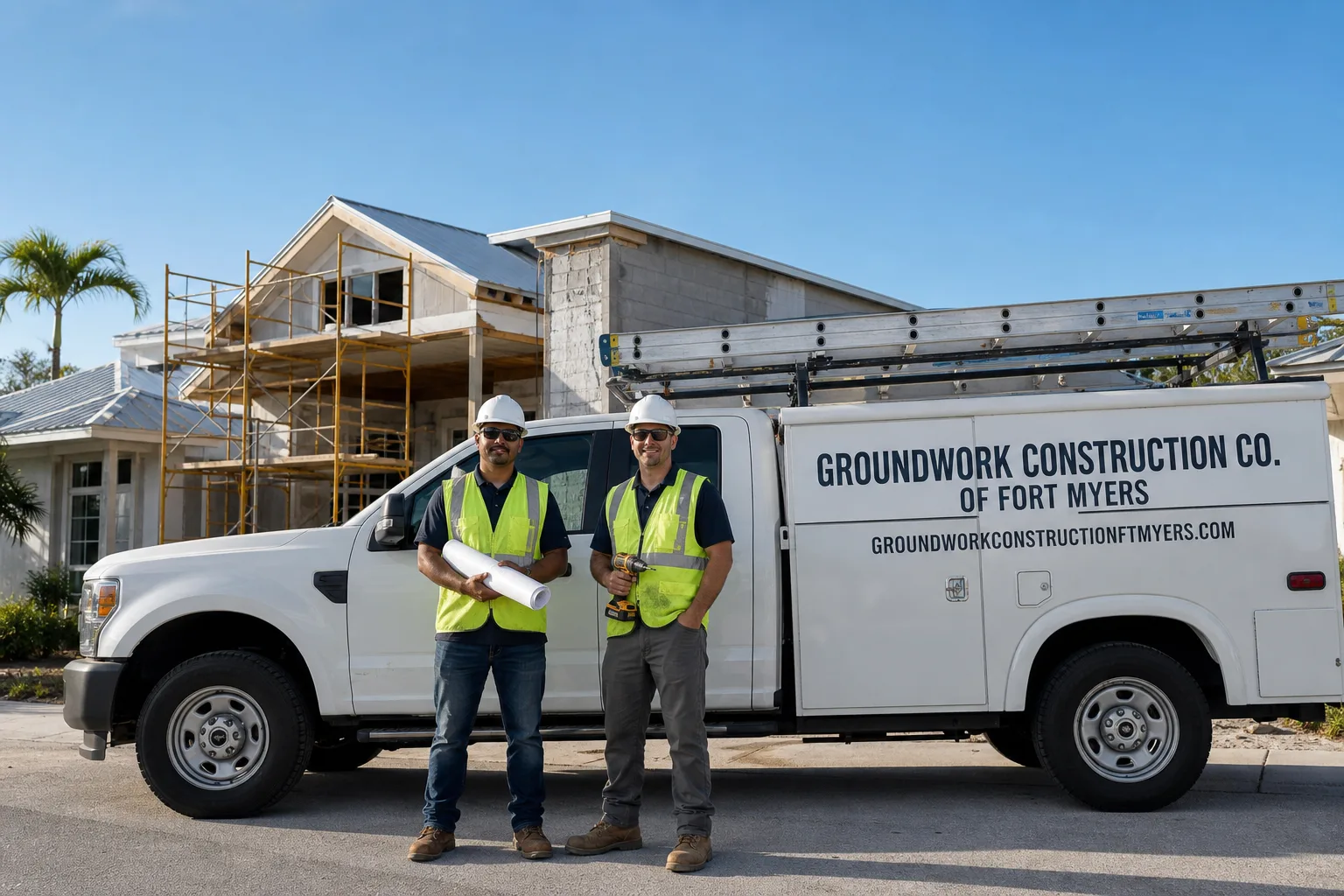
What an Iron Fence in Vineyards Really Costs and How Long It Takes
An iron fence installation in Vineyards typically runs $4,500 to $9,000 for a standard residential lot, with most jobs wrapping up in 3 to 5 working days. That range covers the full scope: demolition and haul-away of an existing fence if there is one, concrete footers poured to Collier County wind-load depth, the steel or wrought-iron panels, posts, gate hardware, and a finish coat rated for our salt-heavy air. Call (844) 638-7249 and we’ll walk your property, measure everything, and hand you a written line-item quote before we leave, not three days later.
The Way We Build an Iron Fence in Vineyards, Step by Step
We’ve done enough our Fence Installation services in this community to know that nobody wants the crew blocking their driveway for a week with no end in sight. Here’s exactly what the schedule looks like, from the first shovel strike to the final walk-through.
Day 1: Layout, locate, and mark. We start by pulling your property survey and confirming the fence line with you on site. Then we call 811 for underground utility marking. In Vineyards, where a lot of the original irrigation lines and landscape lighting conduits were put in during the late ’80s and early ’90s, the utility map isn’t always gospel. We trace and flag everything ourselves as a second check. While we wait on the official markout (usually same-day or next-morning in Collier County), we finalize the gate locations, swing direction, and any HOA-required setback from the sidewalk or neighboring property line.
Day 2: Demo, dig, and set posts. If there’s an existing fence, it comes out this morning. Post holes go to a minimum depth of 24 inches for wind-load compliance, and in a few pockets of Vineyards where the water table sits unusually high, we’re hitting saturated soil at 20 inches. We adjust with deeper, wider footers and a higher concrete mix strength to prevent heaving. Each steel post gets set in concrete, plumbed, and braced. The concrete cures overnight; nobody rushes this step. An iron fence anchored in shallow or undersized footers is the first thing to lean after a tropical storm.
Day 3: Weld, hang, and square up. The horizontal rails get welded or mechanically fastened to the posts, then the vertical pickets or panels go in. We check every section with a level and square, not just the first one. Gate frames get welded on-site and test-hung before the hinges are final-tightened. If your fence includes decorative finials, scrollwork, or arch-top panels, this is the day that detail work really shows. By the end of Day 3, the iron is standing and the gates swing true.
Day 4 (if needed) and Day 5: Finish coat, hardware, and cleanup. Raw steel gets a zinc-rich primer, then a topcoat matched to either the Vineyards Community Association ARB-approved palette or a custom color you’ve chosen. This isn’t a spray-and-pray job: we brush and roll into every weld joint and inside the post caps, the places rust starts first. Gate latches, drop rods, and self-closing hinges get adjusted. We haul off every scrap of debris, sweep the our Patios, Walkways & Pool Decks service in Vineyards if needed, and do a walk-through with you, pointing out exactly where the concrete is still curing so you know not to pressure-wash near the posts for a week.
From the moment we arrive until the gate lock clicks on the final day, you’ll know what’s happening next and when. That’s the job, and we stick to it.
The Options You’ll Choose Between
An iron fence isn’t one product; it’s a set of decisions about material, finish, height, and gate configuration. Here’s what we walk every Vineyards homeowner through before the estimate is final.
- Solid wrought iron versus hollow steel. True wrought iron is hand-forged, heavier, and can run 30-40% more than tubular steel. It’s the choice for a custom estate look with scrollwork and finials. Hollow steel gives you the same silhouette at a lower material cost and resists rust equally well when properly primed and coated. For most Vineyards homes built in the ’90s, steel hits the sweet spot on price and durability.
- Finish: Powder coat versus wet paint. A factory-applied powder coat is baked on, harder than wet paint, and holds up longer against the salt-laden air we get from the Gulf. The trade-off is color selection: you’re choosing from the manufacturer’s stock palette. Wet paint, applied on site, gives you an exact match to HOA requirements or a custom color. Southwest Florida sun is brutal on dark finishes, so we usually steer people toward lighter tones that won’t absorb and radiate as much heat.
- Panel height and style. Most Vineyards lots call for 4- or 5-foot fencing, sometimes 6 feet around a pool enclosure. Flat-top, spear-top, and arched panels are the three most common profiles we install. Flat-top is clean and modern. Spear-top adds a visible security deterrent without looking aggressive. Arched panels follow the grade and work particularly well on the gently sloped lots you find in the older sections of the community.
- Gate type and automation. A single walk gate with a self-closing hinge is standard. A double drive gate adds cost, not just for the gate itself but for the heavier posts and footers. If you want an electric opener, we run the conduit and rough-in during the footer stage. The actual motor, keypad, and vehicle sensor loop go in after the gate is hung.
What an Iron Fence Costs in Vineyards, FL
You should expect to spend $4,500 to $9,000 on an iron fence installation in Vineyards. That’s a real range we’ve written estimates across dozens of homes in this community. The number that lands on your quote is driven by four or five variables, not an arbitrary markup.
Linear footage is the obvious one. A 60-foot side-yard run costs less than a 150-foot perimeter that encloses the whole back yard and wraps around the pool cage. More posts, more panels, more concrete, more labor. Existing fence removal adds a half-day of labor and a disposal fee; if the old fence is concrete-anchored or set in deep footers, that’s extra excavation. Gate count and size. One walk gate is standard. Adding a 10-foot or 12-foot double drive gate with a welded steel frame pushes the quote toward the high end of the range, especially if you add automation. Finish choice matters. A custom wet-paint color matched to an ARB sample takes more labor hours than a factory powder coat. Permit and HOA review. The Vineyards Community Association ARB application carries its own processing timeline and fees, and the Collier County permit office requires a site plan, survey, and wind-load calculations for any fence over 4 feet. Those costs are baked into our estimate, not tacked on as a surprise.
Every written estimate from us shows the total job price broken into line items: demo, footers, materials, finish, gates, and permit fees. You know exactly what each piece costs and why. The number you see is the number you pay. No change-order cascade on Day 3 because we suddenly discovered we forgot to include the gate.
What Vineyards Homes Specifically Do to This Job
If you’ve lived in Vineyards long enough, you’ve watched a neighbor’s fencing project stall for three weeks because the contractor didn’t pull Architectural Review Board approval before digging. This is the single most common problem we see, and it’s entirely avoidable. The Vineyards Community Association maintains a specific palette of approved exterior colors and fence profiles. Submit a sample that’s “close enough” and you’ll get a stop-work order and a demand to rip it out. We submit the ARB package before we order a single panel. The Collier County permit follows only after the HOA sign-off, which creates a two-step timeline that out-of-town crews consistently misjudge. We build that lead time into the schedule up front and tell you exactly when the crew will break ground.
The homes we work on here are predominantly concrete block and stucco construction from the late ’80s and ’90s, sitting on lots with irrigation systems that were installed three decades ago and have been patched and rerouted by three different landscaping companies since. Before we put a shovel in the ground, we map every sprinkler line we can find, because hitting a main line at the curb adds an afternoon of repair work that nobody budgeted for. We also account for the wind-load requirements that apply to any fence over 4 feet in Collier County’s high-velocity hurricane zone. A properly engineered iron fence isn’t just heavier steel; it’s deeper footers, larger-diameter concrete piers, and posts spaced and connected to resist uplift, not just lean. This is what keeps your fence vertical when the tropical storm warnings go up and the rest of the neighborhood is picking panels out of the landscaping.
The salt in our air does real work on metal, even a quarter-mile inland from the Gulf. We’ve pulled out iron fences installed by other contractors less than five years ago with rust blooming at every weld joint because they skipped the primer step or used a consumer-grade spray finish. That’s not a material failure; it’s a process failure. Our finish system is built for this climate, and we warranty it accordingly.
Serving Vineyards, FL - Our Local Coverage Area
We’re based in the Vineyards area and know this community well. Use the map below to see our Vineyards service area - if you’re nearby, we can almost certainly help.
Frequently Asked Questions About Iron Fence in Vineyards
Most residential iron fence jobs in Vineyards take three to five working days. The schedule depends on linear footage, gate complexity, and whether an existing fence has to be removed first. The HOA and permit approval window runs separately and typically adds two to three weeks before the first day of construction.
Yes. Any fence over 4 feet tall requires a Collier County building permit, and the Vineyards Community Association Architectural Review Board must approve the design, color, and placement before the county will issue that permit. We handle both applications as part of the job, so you’re never stuck chasing paperwork.
An iron fence installed with a zinc-rich primer and a high-grade topcoat, applied correctly at every weld and joint, will resist rust for decades even in our coastal air. The failures we see in Vineyards are almost always from fences where the contractor cut the finishing step short: no primer on the welds, a single thin topcoat, or a spray-only application that misses the inside of post caps. Our process is built to prevent exactly that.
Paver Driveways - Vineyards aside, iron fence installation in Vineyards typically spans $4,500 to $9,000, while an aluminum fence of the same footprint usually runs a few hundred to a thousand dollars less on the front end. The trade-off is weight and stiffness. Iron is heavier and more rigid, and a well-finished iron fence will outlast a cheaper aluminum system in a storm. Aluminum won’t rust, but it’s more prone to denting from debris impact. Call (844) 638-7249 and we’ll walk you through the numbers for both.
Yes. We pull the current ARB-approved palette from the Vineyards Community Association, source the wet-paint match or the closest powder-coat stock color, and submit the sample with the application package before we order materials. If the board requires an adjustment, we revise the sample and resubmit. The fence doesn’t get built until the color is signed off.
Get a Written Estimate for Your Vineyards Iron Fence
You don’t need three bids and a guessing game. One call to (844) 638-7249 gets us to your property in Vineyards for a free, no-pressure measurement and a line-item written estimate. We’ll talk through material choices, finish options, the ARB timeline, and exactly what the crew will do each day. Derek Hollenbeck and the team at Groundwork Construction Co. build iron fences that stay straight, stay rust-free, and stay standing through the next named storm. Pick up the phone and let’s get yours scheduled.
Written by Derek Hollenbeck, Owner at Groundwork Construction Co., proudly serving Vineyards and all of Collier County.