
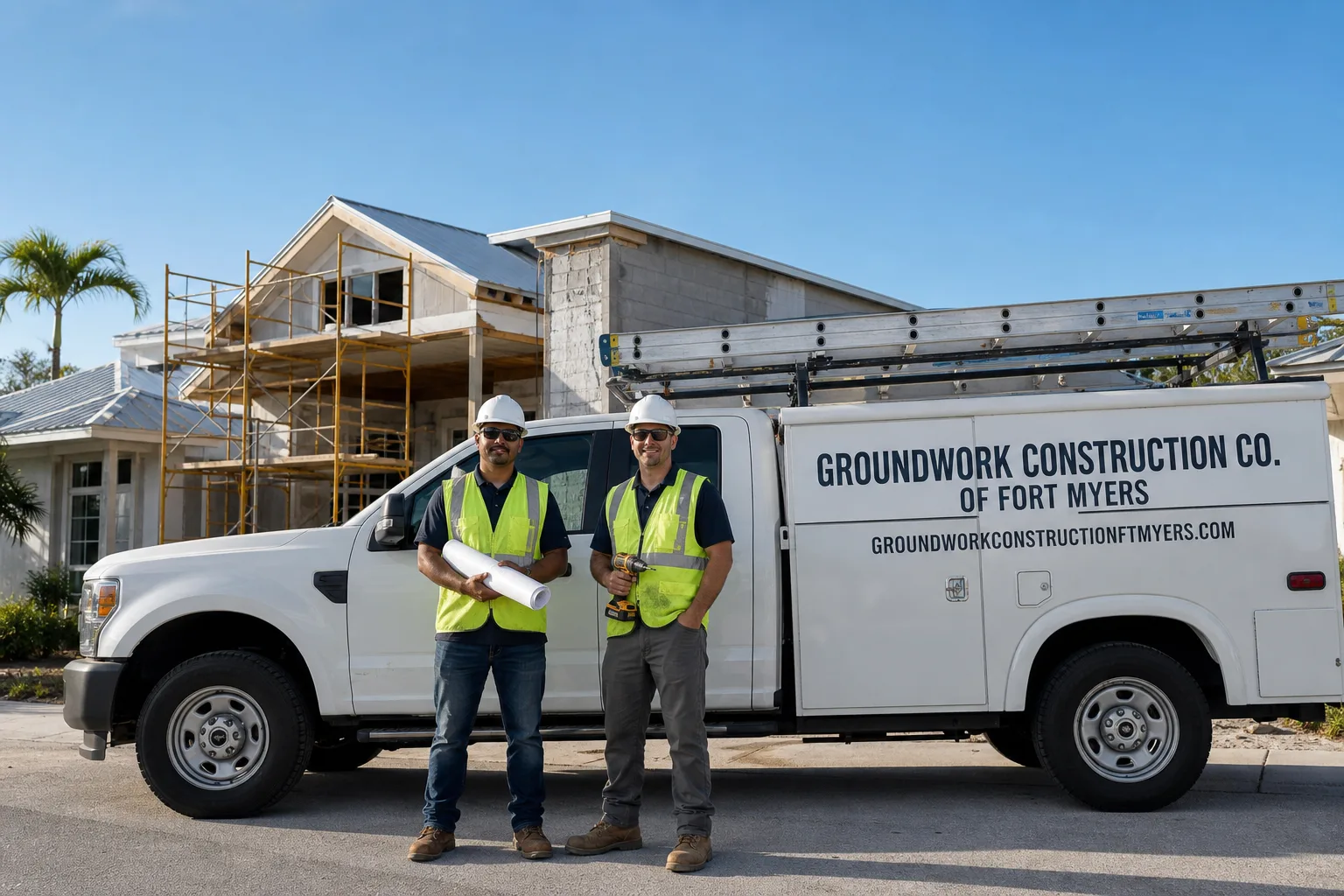
What a Wood Fence in Rotonda West Costs and How the Job Gets Done
A wood fence in Rotonda West typically runs between $3,500 and $9,000, with the realistic timeline spanning about one to two weeks from the first post hole to the final walkthrough. That range covers a standard 150- to 200-linear-foot pressure-treated pine fence on an average canal-front or interior lot here; material upgrades, longer runs, and site-specific soil complications push it toward the higher end. Call (844) 638-7249 to schedule a free estimate with written, line-by-line pricing.
How We Build a Wood Fence on a Rotonda West Lot
The process starts well before a shovel hits the dirt. We follow a five-stage sequence that keeps the job predictable even when the water table throws us a curveball, which it regularly does across Rotonda West’s canal-grid neighborhoods.
Stage 1: Marking, Locates, and HOA Review. Before any digging, we verify the property line, call in underground utility locates, and cross-check the proposal against the homeowner’s HOA or deed restrictions. Rotonda West’s original covenants and individual neighborhood association rules can dictate fence height, material, and even which side of the fence faces out. This stage takes a day or two and requires one homeowner decision: confirming the exact fence alignment and gate placement we walk together on site.
Stage 2: Post-Hole Excavation and Footer Pour. This is where Rotonda West’s shallow water table, often sitting just 18 to 24 inches below grade, turns a routine step into something that demands local experience. Our crew sets posts at a minimum 36-inch depth with a concrete footer, and on many lots here we hit groundwater well before we reach that depth. We pump as needed, pour the footer to the engineered depth, and brace each post plumb while the concrete cures. The homeowner decides nothing during this stage except whether to proceed after any unanticipated subgrade condition we flag, which we document with photos and a brief note before adding a single dollar.
Stage 3: Framing, Rails, and Pickets. Once the footers have cured, typically by day four or five, we frame the horizontal rails and hang the pickets. We use ring-shank galvanized nails or exterior-rated screws on every board, not staples. If the design includes a privacy pattern (dog-ear pickets with a tight shadowbox stagger, or a full board-on-board layout), that choice was made during Stage 1. The framing stage is when the fence starts looking like a fence, and it usually wraps in two to three working days.
Stage 4: Gate Hardware and Post Caps. Driveway gates, pedestrian gates, and any decorative post caps go on once the picket runs are set. We build gate frames from the same pressure-treated lumber as the fence body and hang them with adjustable heavy-gauge hinges and latch hardware rated for outdoor exposure. If the homeowner wants a specific latch style or a keyed gate lock, that gets confirmed before hardware day.
Stage 5: Cleanup, Stain/Seal (Optional), and Walkthrough. We haul all scrap, sweep the work area, and rake out any ruts from equipment. If the estimate included staining or sealing, we apply it after the lumber has had a few days to dry and acclimate. The last step is a walkaround with the homeowner where we check every picket, gate swing, and latch before considering the job closed. From breaking ground to cleanup, a standard wood fence builds out in about six to ten working days, weather and groundwater permitting.
The Choices You’ll Make for a Wood Fence Here
Wood fencing in Rotonda West isn’t a one-size-fits-all product. The budget, the look, and how many years the fence will stand up to Florida humidity and afternoon storms all hinge on a few decisions you make before the order goes in.
- Pressure-treated pine vs. cedar. Pressure-treated Southern yellow pine is the most common choice and lands at the lower end of the price range. It resists rot and insects well, but it will move and check as it dries. Western red cedar costs more per linear foot, holds its shape better through wet/dry cycles, and carries a natural tannin-rich resistance to decay. Cedar is the right call when the fence runs along a canal bank or in a low spot where the soil stays damp most of the year.
- Picket style and privacy level. A standard dog-ear picket with a half-inch gap gives you a clean look and some airflow, which matters on lots that catch shade and hold humidity. Board-on-board or shadowbox patterns give you near-total privacy while letting wind pass through, an advantage during late-summer squalls. Solid-board privacy fences catch more wind load and need stouter post spacing, nudging the material cost up.
- Gate count and hardware grade. A single walk gate versus a double-drive gate and an extra side-yard gate shifts the labor and hardware line item noticeably. We use adjustable hinges and stainless or powder-coated latches on every gate; the hardware itself doesn’t add a massive number, but the framing and blocking for a well-built gate always shows up in the estimate.
- Post-setting method. Given the groundwater reality across much of Rotonda West, we strongly recommend concrete footers on every post rather than dry-packed gravel or dirt backfill. Concrete buys years of stability when the ground stays saturated for weeks at a time.
What a Wood Fence Costs in Rotonda West, FL
The $3,500-to-$9,000 range we quoted up top covers the majority of wood fence projects we price in this community. A straightforward 150-foot run of pressure-treated dog-ear with one walk gate on dry, accessible ground will sit near the bottom of that spread. A 220-foot cedar privacy fence with a double drive gate, two walk gates, and a full stain coat on a lot where the post holes fill with water as fast as the auger pulls out pushes toward the top.
The variables that actually move the number are straightforward: linear footage is the single biggest driver, followed by the lumber species, the picket pattern, the number of gates, and the subgrade conditions we encounter once the auger goes in. In Rotonda West that last variable matters more than it does fifteen or twenty miles inland. When every other post hole hits groundwater at two feet, the concrete take goes up and the labor to pump and pour clean footers ticks the day count upward. None of that is a surprise on a quote we write, because we factor the local soil profile into every estimate before we hand it to you.
Every estimate we deliver is a written, line-item breakdown. It includes all lumber, concrete, hardware, gate fabrication, debris removal, and the 730-Day Done Right Promise on workmanship. It does not include staining or sealing unless you ask for it (we’ll price it separately), and it does not include any fence removal if an old fence has to come out first, that line will be called out plainly. If you’re considering a full Fence Installation in Rotonda West with multiple material types on the property, we’ll break out each section so you can see exactly where the dollars go. Call (844) 638-7249 for upfront pricing with no hidden add-ons.
What Rotonda West Homes Specifically Do to a Wood Fence Job
Rotonda West’s entire housing stock was built inside a master-planned circular plat where the canals were excavated decades ago to a uniform depth across the whole development. That means groundwater sits shallow even on interior lots that look high and dry, a condition that surprises crews who do most of their work in Englewood or North Port where the water table runs noticeably deeper. When we set fence posts here, we plan for concrete footers from the first hole, not as an upsell after we hit slop.
The other piece is Charlotte County’s wind-load code. Because the community sits in a 150-plus-mph wind zone hardened after Hurricane Charley, any fence that exceeds a certain height or that ties into a structure’s wind-mitigation envelope (common on lots where the fence connects to a pool cage or attached screen enclosure) has to meet current uplift and tie-down standards. In practice, that means our post-footing design and gate-post blocking get a hard look during a permit review, and we don’t cut corners on embedment depth just to save a few dollars.
We also see a lot of the original fences from the 1980s and early 1990s finally giving out right now. The wood is punky at ground contact, the posts are heaved or rotted at grade, and the pickets have split from decades of sun and rain. On those jobs, the demo and disposal add a line to the quote and the replacement posts often go into holes that have to be re-compacted around crumbling concrete from the first install. If you’re pairing a new fence with hardscape work, our fence installation crews coordinate with the Concrete Driveways & Concrete Work in Rotonda West team when a driveway widening or apron adjustment sits right alongside the fence line, so the grading and drainage stay coherent across both scopes.
Serving Rotonda West, FL - Our Local Coverage Area
We’re based in the Rotonda West area and know this community well. Use the map below to see our service coverage - if you’re nearby, we can almost certainly help.
Frequently Asked Questions About Wood Fence in Rotonda West
In most cases, yes. Charlotte County requires a permit for any new fence or full replacement, and the review checks for wind-load compliance, setback from the property line, and height limits. We pull the permit and schedule the inspection as part of the job, and our pricing always includes the permit fee and the inspection coordination.
A properly built pressure-treated pine fence with concrete footers and good drainage will give you 15 to 20 years in Rotonda West’s climate before the posts start showing their age. Cedar adds another five to seven years, especially in the damp microclimate along the canals. The finish fails first, the pickets second, and the footers last. An unstained fence will gray and surface-check within two years, which is cosmetic and doesn’t mean it’s failing.
Charlotte County and the individual Rotonda West neighborhood associations both regulate how close a fence can be built to the water. Most associations require a setback of at least 10 to 15 feet from the canal bank, and some prohibit fencing that blocks a neighbor’s view corridor. We verify the specific rules for your plat before we draw the quote; you’ll know exactly what’s allowed before we ask for a deposit.
It shouldn’t, and ours doesn’t, unless we uncover a condition that nobody could have seen during the estimate and you approve the change in writing before we proceed. Examples on a wood fence job include discovering an undocumented buried concrete slab along the fence line, or hitting a muck pocket that requires an engineered fill. We document what we find, show you photos, and hand you a fixed-price change order with no pressure. The number you see on the original estimate is the number you pay for the scope we agreed to.
Yes. Every wood fence we install in Rotonda West is backed by the full 730-Day Done Right Promise. If a post shifts, a gate sags, or a picket fails because of a workmanship issue within two years of completion, we fix it at our expense. The promise covers labor and installation defects; it doesn’t cover normal wood movement, surface checking, or damage from a hurricane, though we build everything to the current wind code so it has a fighting chance.
Get a Free Estimate on Your Wood Fence in Rotonda West
We’ll come to your property, walk the fence line with you, and hand you a written estimate that shows every dollar. No vague ballpark, no change-order surprises, and a real person answers the phone when you call (844) 638-7249, 24/7. Our crew knows Rotonda West’s soil, its HOA patchwork, and its building department, so the quote you get is built for this community, not a generic number off a spreadsheet. If you’re also looking at driveway work alongside the fence, many homeowners pair a wood fence with Paver Driveways in Rotonda West and we can price both scopes in a single visit.
Written by Derek Hollenbeck, Owner at Groundwork Construction Co., a licensed and insured contractor serving Rotonda West and surrounding communities.