
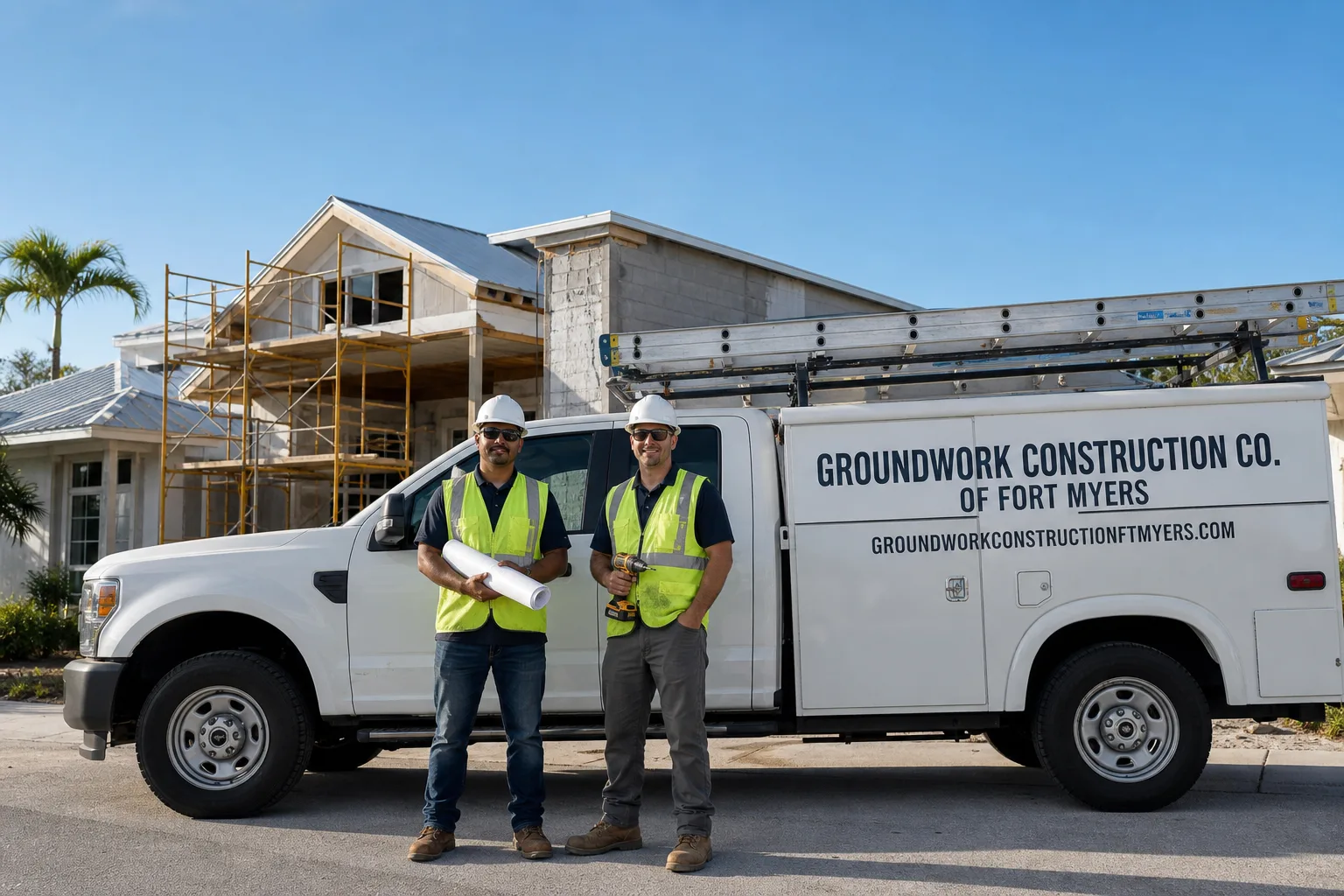
What Glass Railing Systems Actually Cost and Take to Install in Naples
Glass railing systems in Naples typically run between $180 and $600 per linear foot, fully installed, with most whole-deck or balcony projects landing in the $4,500 to $16,000 range from permit to final inspection. A straightforward 30-foot frameless run on an existing concrete slab can be wrapped in three to five working days. Call (844) 638-7249 for a line-item quote that accounts for your specific elevation, wind-load requirements, and sightline preferences - our estimates are free and there’s no obligation.
How We Handle a Glass Railing Install in Naples, Step by Step
Most glass railing jobs in Naples fall into one of two buckets: a new-build install where we’re working off fresh architectural plans with a known substrate, or a retrofit onto an existing balcony or pool deck where the concrete, fastening points, and elevation don’t reveal themselves until we open things up. The second bucket is more common in older Naples neighborhoods, and it’s the one that rewards a systematic approach.
Stage 1 - Site measure and substrate check. We spend a full hour on site with a laser measure, a concrete scanner, and the Collier County wind-load tables for your specific parcel. On a retrofit, we’re looking for spalling, rebar rust, delamination, or thin-set overlay that would compromise a base-shoe anchor. If the slab can’t hold the required pull-out strength, we discuss remediation before a single dollar gets committed to glass. This stage is part of the free estimate and takes one visit.
Stage 2 - Engineering and permit package. Every glass railing system in Naples that serves as a guardrail - which means any deck, balcony, or stair run above 30 inches - requires a permit pull with stamped engineering. We draw the system in elevation, calculate the 200-pound concentrated load and 50-pound-per-linear-foot uniform load per Florida Building Code 1607.8, and submit to Collier County for plan review. Plan review turnarounds currently run seven to fourteen business days, depending on whether your property falls inside the Coastal High Hazard Area boundary. We handle every submission, every resubmission, and the on-site inspection coordination.
Stage 3 - Material procurement and fabrication. Once the permit is approved, we order your glass panels - typically ½-inch or ¾-inch tempered and laminated to meet impact-zone requirements east and west of US-41, with stainless steel or aluminum base shoes, cap rails, and standoff pins cut to spec. Lead time on custom glass from our suppliers runs two to three weeks. Panels arrive pre-drilled and edge-polished; we do zero cutting on site, which keeps the job clean and eliminates microfractures that show up six months later as stress cracks.
Stage 4 - Installation. Day one is layout and drilling: we snap lines, set anchor points with a rotary hammer and epoxy-set stainless anchors, and dry-fit the base shoe. Day two is glass setting: panels get walked into the shoe, leveled with setting blocks, and mechanically clamped. Day three is tensioning and sealing - cap rails go on, all fasteners get torqued to spec, and we run a full point-load test before calling it done. On a 30-linear-foot run, three days is typical; a wraparound balcony with stairs might push to five. We don’t rush epoxy cure times, period.
Stage 5 - Inspection and walkthrough. The Collier County building inspector will check anchorage, glass stamping (look for the ANSI Z97.1 or CPSC 16 CFR 1201 etch), and deflection under load. We’re on site for that inspection. After it passes, we walk the whole railing with you, show you how to clean the glass without scratching the low-iron finish, and hand you the manufacturer warranty registration. Everything’s backed by our 730-Day Done Right Promise - if something isn’t right, we make it right, with no finger-pointing at the glass supplier or the concrete sub.
The Options You’ll Choose Between for Glass Railing in Naples
Every glass railing job forces a handful of decisions early in the process. These are the ones homeowners in Naples spend the most time on, and our take on what each choice actually means for the finished product:
- Frameless vs. semi-frameless. True frameless - glass clamped at the base with standoff pins and no top cap - gives you an uninterrupted view, which is the reason most people choose glass in the first place. It also costs 20 to 30 percent more than a semi-frameless system with vertical posts every four to six feet. On a third-story Gulf-facing balcony in Pelican Bay, the premium is almost always worth it. On a pool cage overlook where the sightline is broken by screen framing anyway, semi-frameless often makes more sense.
- Clear vs. low-iron glass. Standard clear tempered glass carries a faint green tint that becomes noticeable on edge and in full Florida sun. Low-iron (sometimes called Starphire or ultra-clear) removes that green cast and gives you true color fidelity through the panel. The upcharge runs roughly 15 to 25 percent on material, and it’s most visible on panels thicker than ½ inch. If your view is the whole reason you’re installing glass, low-iron is where you put the budget.
- Base shoe material and finish. In Naples, 316-grade stainless steel is the default recommendation - 304 will pit in salt air within a few years, especially east of the Intracoastal where the breeze carries brackish estuary spray. Powder-coated aluminum is lighter and available in a wider color range to match existing window frames, but it won’t take a hit from a dropped planter or a pool-chair leg as gracefully as stainless. We run both options and let you handle samples in your own light before you commit.
- Cap rail or no cap rail. A continuous stainless or aluminum cap rail adds structural rigidity and gives people something to lean on besides the glass edge. It also collects salt haze and needs a wipedown every few weeks. On frameless systems, skipping the cap rail is common; just know that handprints and nose prints land directly on the glass and you’ll be cleaning more often. Neither choice is wrong - it’s a maintenance preference.
- Panel height and code minimums. Florida Building Code requires a 42-inch guardrail height for residential balconies and decks. Stair railings can be 34 to 38 inches, measured from the nosing. Anything taller than code minimum - 48-inch panels are popular on penthouse terraces in Old Naples where a prevailing wind makes people nervous - is a custom order that adds about 10 to 15 percent to the glass cost and extends lead time by a week. We’ll flag your height requirement during the measure and never upsell you past what the situation genuinely needs.
What Glass Railing Systems Cost in Naples, FL
For a typical Naples installation, expect $180 to $350 per linear foot for a semi-frameless aluminum-post system and $300 to $600 per linear foot for a fully frameless, low-iron, stainless-steel-anchored system. A simple 25-foot stretch on a ground-level patio might land around $5,000; a wraparound third-floor balcony with 60 linear feet of frameless glass and a stair run can push past $18,000.
The variables that swing the number are not mysterious:
- Linear footage and corner count. Every 90-degree corner adds a custom panel, extra anchor points, and sometimes an engineered post. Corner count typically adds $400 to $800 per turn.
- Substrate condition. Drilling into sound, 4,000-psi concrete is straightforward. If we find spalled, delaminated, or thin-pour concrete - something we see regularly in 1980s-era condominium balconies along Gulf Shore Boulevard - remediation with epoxy injection or a new topping slab can add $1,500 to $4,000 before glass ever touches the site.
- Glass spec. ½-inch clear tempered is the baseline. Moving to ¾-inch low-iron with a laminated interlayer for impact-zone compliance can nearly double the per-panel material cost. In Naples, whether you’re inside or outside the wind-borne debris region dictates the minimum; we confirm this during the permit phase using the current Collier County parcel lookup.
- Access and elevation. A ground-level pool deck with a straight shot from the trailer is one thing. A third-floor balcony on a canal-front home in Aqualane Shores with no ground access and a tight spiral staircase is another. Labor hours climb with every flight of stairs and every panel that has to be hoisted by hand.
- Permit and engineering fees. Collier County permit fees for a guardrail job typically run $200 to $600 depending on valuation, with engineering stamps adding $400 to $900 if your project needs custom calcs beyond the railing manufacturer’s standard details. We fold all of this into the upfront price - the number you see is the number you pay.
Every estimate we write is a line-item breakdown: glass type and thickness, hardware alloy and finish, linear footage with per-foot pricing, labor at the expected number of crew days, permit fees, and a contingency line that only gets touched if we hit a substrate surprise we both agreed to address. No change orders appear because we guessed low. Call (844) 638-7249; an estimate takes one visit and costs nothing.
What Naples Homes Specifically Do to This Job
Naples’s coastal construction environment changes glass railing work in ways that don’t apply twenty miles inland. The wind-load requirement east of US-41 - inside the High Velocity Hurricane Zone - demands anchorage and glass thickness that would be overkill in Estero but is the minimum here. We’ve pulled permits on Gulf Shore Boulevard properties where the design pressure requirement for the guardrail exceeded 75 pounds per square foot, which pushes you straight into ¾-inch laminated glass and 316 stainless pin connections with epoxy-set anchors at 12-inch spacing. Get that spacing wrong and the inspector will red-tag the whole run.
Corrosion is the quiet budget-killer on Naples railing jobs. The combination of salt-laden onshore wind, high humidity, and the occasional storm surge that leaves chloride residue on everything means 304 stainless and uncoated aluminum hardware degrade fast. We spec 316 stainless on every coastal job, and we’ve replaced enough pitted base shoes on three-year-old installs in Port Royal to know the $200 saved on cheaper alloy costs $2,000 in tear-out later. The new-build stock in gated communities like Grey Oaks tends to have properly engineered substrates - the post-Ian rebuilds almost universally over-spec the concrete and the anchor depth - but the older condominium stock along the beachfront was built to a different code cycle and often needs a structural engineer to sign off before we drill a single hole.
The HOA landscape in Naples also exerts more control than most homeowners expect. Pelican Bay, Bay Colony, and the Quarry all maintain architectural review committees that must approve glass railing modifications, even on interior-facing balconies. They’ll want to see the glass tint, the hardware finish, the panel height, and sometimes a mockup photo. We prepare the submittal package as part of the permit process; it’s a one-week add-on that avoids a six-month compliance headache. If you’re pairing this railing with a broader exterior update, our Windows & Doors in Naples crew can coordinate the whole scope so you’re not juggling two permits and two HOA applications.
Some homeowners, especially in the tear-down-and-replace cycle sweeping Old Naples, bundle a glass railing installation with hardscape work on the same property - a new pool deck with a frameless glass overlook pairs naturally with the Paver Driveways in Naples we do, and we can run both crews in sequence so the site doesn’t sit open. If the project also involves replacing a worn perimeter enclosure, we’ll often timeline it alongside Fence Repair in Naples so the whole property boundary gets addressed in one push.
Serving Naples, FL - Our Local Coverage Area
We’re based in the Naples area and know this community well. Use the map below to see our service coverage - if you’re nearby, we can almost certainly help.
Frequently Asked - Glass Railing Systems in Naples
Three to five working days on site for a typical single-balcony run, plus two to three weeks for custom glass fabrication and whatever time the Collier County permit review takes (currently one to two weeks for most residential guardrail permits). From signed contract to final inspection, plan on four to six weeks total. We’ll give you a specific schedule during the estimate - call (844) 638-7249 to get on the calendar.
Yes, if the railing serves as a guardrail - meaning it protects a drop of 30 inches or more - it requires a building permit with stamped engineering. Our team handles the entire permit package, including wind-load calcs specific to your parcel’s exposure category, and we coordinate the on-site inspection. Ground-level pool-cage glass that isn’t functioning as a guardrail may be exempt, but we verify that with the county before assuming anything.
Almost always yes, but the condition of the concrete dictates the scope. We scan for rebar placement, spalling, and compressive strength before mounting anything. Older balconies in Naples - especially 1980s and 1990s construction along the beachfront - sometimes need epoxy crack injection or a thin overlay to bring the substrate up to the pull-out strength that 316 stainless anchors demand. We’ll show you the scan results and quote the remediation as a separate line item, with no pressure to proceed if the numbers don’t pencil out.
Manufacturer warranties on the glass and hardware typically run ten to fifteen years against delamination, seal failure, and corrosion when properly maintained. Our workmanship is covered by the 730-Day Done Right Promise: if something isn’t right within two full years of the install date, we fix it at our cost. That’s one of the longest workmanship guarantees you’ll find on a residential railing job in Southwest Florida, and it’s in writing before we start.
Glass is almost always the most expensive option per linear foot. Expect to pay roughly 40 to 60 percent more than powder-coated aluminum pickets and about 25 to 40 percent more than stainless cable rail. The premium buys you an unobstructed view and a modern architectural profile that holds resale value in Naples’s luxury market - buyers in Pelican Bay and Aqualane Shores expect glass, not pickets. For an exact comparison on your specific balcony or deck, call (844) 638-7249 and we’ll quote all three systems side by side during the estimate visit.
Get a Free On-Site Estimate for Glass Railing in Naples
We’ll come to your home in Naples, scan the substrate, walk you through the glass and hardware options with samples in hand, and leave you a line-item written quote that accounts for your specific elevation, wind-load zone, and HOA requirements. Nothing is guesswork, nothing is verbal. Our full-scope Windows & Doors team works across Naples from the beachfront to the inland communities, and every job is backed by upfront pricing and the 730-Day Done Right Promise. Call (844) 638-7249 to schedule - we answer the phone with a live person, every time.
Written by Derek Hollenbeck, Owner at Groundwork Construction Co., providing glass railing systems and full-scope home construction to Naples homeowners who expect the job done right the first time.