
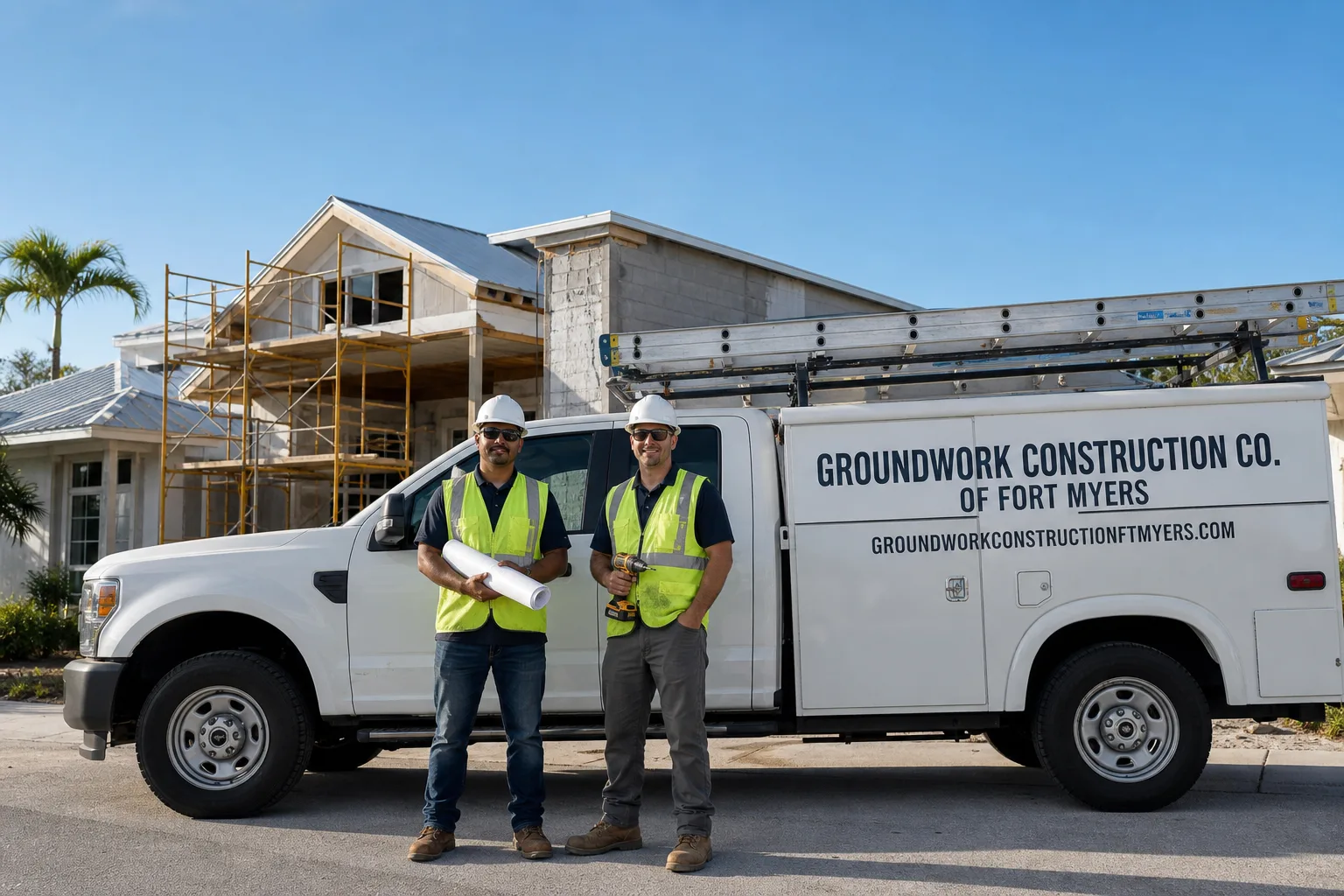
What Specialty Roofing Actually Costs and Covers in Plantation
Specialty roofing in Plantation means any roof system or detail that falls outside a standard shingle replacement, and it usually runs between $15,000 and $40,000 depending on the material, pitch, structural upgrades, and wind-rated fastening system required. The work itself can take anywhere from five to fourteen days on site, and a detailed written estimate for your exact roof is free. Call (844) 638-7249 to schedule one.
What makes it “specialty” here typically comes down to two things: the roof type and the wind-load rating it has to meet before the next storm season. Every roof in Plantation has to pass Broward County’s wind-mitigation thresholds, and the older CBS homes that dominate this city were built long before those thresholds existed. So a specialty roofing job often means we are retrofitting an architecturally specific roof that also has to hold up against 140-plus-mph gusts.
The real sequence for a specialty roofing job
Every job follows a predictable rhythm, and it helps to know what happens and when you need to make a decision. Here is how we work through it.
Stage 1: On-site assessment and wind-mitigation audit (Day 1, about two hours). We walk the roof, check the existing deck, note the fastening pattern, document prior repairs, and open the permit file. In Plantation, where entire subdivisions were built in the same decade, we often find that every house on the block has the same attachment weakness; we know what to look for because we have fixed the same thing three doors down. You will get a fixed-price line-item estimate, not a rough range.
Stage 2: Material selection and structural load review (Days 2-5, off-site). This is the week where you pick the material, color, profile, and any custom flashing details. If the roof system is heavier than what was there originally - tile or stone-coated steel over old asphalt - we run the structural calc to confirm the existing framing can carry the load. In a Plantation CBS home built in 1972, the trusses were designed for a specific dead load and nothing more, so this stage dictates whether we need to sister-in reinforcement before the roof goes on.
Stage 3: Permit submittal to Broward County (Days 5-14+). The plan set goes in with wind-load calcs, product approvals, and the NOA or Miami-Dade product control number for every material. Broward County inspection backlogs lengthen during hurricane season, so June through November we factor in extra days the city itself adds to the process. The permit is pulled once the review clears; no work starts without it.
Stage 4: Tear-off, deck prep, and dry-in (Days 1-5 on site). Old roofing comes off down to the deck, and we inspect the sheathing for rot or termite damage - a real variable in Plantation’s older flat-roof sections where ponding water has been sitting for decades. The secondary water barrier goes on next, followed by the specific underlayment and fastening pattern required for the wind zone. If you added Glass Railing Systems in Plantation as part of a broader exterior upgrade, this is the point where deck-mount bases get flashed in so the roofing ties around them cleanly.
Stage 5: Install, trim, and final inspection (Days 6-14). The roof system itself goes on, ridge vents get cut, flashing is fabricated and sealed, and every penetration gets a collar. The county inspector signs off, we walk the property with a magnet to catch stray fasteners, and the 730-Day Done Right Promise kicks in the day the final inspection passes. As with every job we do, the number you saw on the estimate is the number you pay - no change orders unless you choose to add scope mid-project.
The roof options you will choose between, and what each one actually means
Specialty roofing in Plantation almost always comes down to a handful of material paths, and the right one depends on your roof pitch, your HOA, and how you weigh upfront cost against a 50-year lifespan. Here are the real trade-offs.
- Stone-coated steel. Runs $18,000-$38,000 on a typical Plantation home. Weighs less than tile, carries a Class 4 hail rating, and meets Broward wind-zone requirements without extra strapping. The trade-off: it shows every footfall if you have HVAC techs walking the roof twice a year, and some Plantation HOAs want a sample panel approved before install.
- Concrete or clay barrel tile. Usually $22,000-$40,000, and often the only material an HOA in a Mediterranean-style Plantation subdivision will accept. The weight almost always triggers a structural review, and we sometimes need to add a Quikrete-based mortar set at hips and ridges that cures differently in South Florida humidity than it does inland. Longevity is 50-plus years if maintained, but individual tile replacement after a wind event is more expensive than patching a steel panel.
- Flat/low-slope TPO and modified bitumen systems. These run $14,000-$28,000 and cover the flat or nearly flat sections that appear all over Plantation’s mid-century and 1970s ranch designs. TPO is reflective and keeps attic temperatures down, but it hates standing water, so the slope and drain placement have to be dead-on. A lot of the Plantation homes we work on had original built-up tar-and-gravel roofs that are now 50 years old and failing at the parapet wall junctions.
- Custom architectural metal (standing seam, copper accents, specialty flashings). $28,000-$45,000+. Used when the roof itself is an architectural feature you see from the street. This is the most labor-intensive install, and every panel is site-formed. In Plantation’s planned subdivisions where curb appeal is uniform, this is less common on primary structures and more common on detached outbuildings, porte-cochères, or custom porch roofs.
None of these decisions need to be made before the first estimate visit. We bring samples, spec sheets, and wind-load documentation to the table so you can see what each option looks like against your existing exterior. Homeowners around Plantation often make this choice at the same time they upgrade Sliding & Patio Doors in Plantation, since the new roof and impact-rated doors together can lock in a wind-mitigation credit on the homeowners insurance policy.
What specialty roofing costs in Plantation, FL
The tight range for most Plantation specialty roofing work lands between $15,000 and $40,000. On the low end, you are looking at a smaller flat-roof section under 1,200 square feet with straightforward access and no structural surprises. On the high end, it is a full tear-off on a large-pitch hip roof with concrete tile, structural reinforcement, custom chimney flashing, and a permit cycle that overlaps hurricane-season backlog.
These are the variables that actually move the number:
- Deck condition. If the plywood or OSB sheathing is rotted around the perimeter - extremely common on Plantation homes where original gutters discharged right at the foundation - we replace it by the sheet, and that cost adds up fast.
- Roof pitch and access. A steep 8/12 pitch requires full staging, safety tie-offs, and slower progress. A single-story 3/12 can be worked from rolling scaffolding and moves faster.
- Material weight and the structural retrofit it triggers. Tile over old shingles almost always means removing the old roof first and adding strapping or collar ties to meet current uplift requirements. The structural engineer’s letter and the lumber package are not small line items.
- Existing roof penetrations. Every plumbing vent, skylight, attic fan, and chimney adds a custom flashing detail. Plantation’s older ranches have a lot of penetrations, and each one is a potential water entry point that gets inspected and sealed individually.
- Permit scope and inspection cycle. Broward County’s review timeline and the number of required inspections - rough, in-progress, final - vary by roof system. A TPO roof with mechanical fasteners requires fewer in-progress inspections than a tile roof with mortar-set hips, and the time difference is real during peak season.
A written estimate from us includes the material, labor, fasteners, underlayment, flashing, waste removal, permit fees, and the final county inspection. It does not include structural lumber or engineering unless we flag it up front, and it never includes a surprise change order we did not discuss with you in person.
What Plantation homes specifically do to this job
Plantation was developed as a master-planned community almost entirely between the late 1950s and the mid-1980s, leaving a dense concentration of CBS homes that are now hitting the 40-to-65-year mark. That means most of the roofs we work on were installed before Florida’s post-Andrew building code overhaul, so the original fastening pattern, underlayment, and strapping are almost never adequate for what Broward County requires today. We are not just replacing a roof; we are bringing the entire attachment system up to a wind-load standard that did not exist when the house was built.
Because entire Plantation neighborhoods share the same construction vintage, we see the same failure modes over and over: rusted-out strap anchors at the truss-to-wall connection, original flat-roof drains that have been buried under three re-roof layers, and parapet-wall flashing that separated years ago and let water into the block walls. The permitting side matters here too: Plantation falls under Broward County’s building jurisdiction rather than Miami-Dade’s stricter HVHZ rules. Contractors who do not know Broward’s middle-ground inspection thresholds will over-document or under-document the wind-mitigation submittal, and both mistakes add days to the permit queue. We know exactly what the county plan reviewer expects to see on a specialty roofing submittal for a 1968 CBS ranch with a flat-to-hip conversion, because we have filed and passed that exact submittal multiple times.
For a broader look at what the structure beneath the roof might need, our Roofing in Plantation page covers the full range of roof types and conditions across the city. When the specialty roofing involves tie-in details with the rest of the envelope, our Roofing crew coordinates directly with the exterior and window teams so the flashing transitions are seamless.
Serving Plantation, FL - Our Local Coverage Area
We’re based in the Plantation area and know this community well. Use the map below to see our service coverage - if you’re nearby, we can almost certainly help.
Frequently asked - Specialty Roofing in Plantation
Most jobs take five to fourteen days on site, plus the Broward County permit review before work starts. The on-site timeline is driven by the roof complexity: a simple TPO flat section might dry in by day four, while a full tile roof with structural reinforcement runs into the second week. The permit review adds another five to fourteen business days outside of hurricane season, and longer during it.
Yes, every specialty roofing job in Plantation requires a Broward County building permit. The submittal must include wind-load calculations and product approvals for every material. We handle the entire permit package, and no work begins until the permit is issued and posted on site. Skipping the permit is not an option; the county inspector will catch it, and your insurer will not accept the wind-mitigation credit without the final sign-off.
It often does, because the wind-mitigation inspection that follows a permitted specialty roofing install documents the exact fastening pattern, secondary water barrier, and roof-deck attachment that insurers use to discount the windstorm portion of the premium. The discount depends on the roof system and the carrier, but it is common to see a meaningful reduction once the completed wind-mit form is filed.
Yes, and we do it regularly. Plantation’s planned subdivisions often have architectural guidelines or HOA requirements that dictate roof material and color. We work with the HOA submittal process, provide the sample panels and spec sheets they ask for, and make sure the finished roof is compliant before the final inspection. If the existing material is no longer manufactured, we find the closest approved substitute and get it pre-cleared.
Every specialty roofing job carries the manufacturer’s warranty on the material - the duration varies by product - plus our 730-Day Done Right Promise. If something is not right within two full years, we make it right at no additional cost. That covers workmanship, flashing integrity, and any leak that traces back to the install. The material warranty is separate and registered in your name at project close. Call (844) 638-7249 for specifics on the roof system you are considering - estimates are free.
Get a fixed-price estimate for specialty roofing in Plantation
You will know the exact number before any work starts, and the number on the estimate is the number you pay. Call (844) 638-7249 and you will get a live person, not a voicemail, who can schedule an on-site assessment at a time that fits your week. Derek will walk the roof, walk you through the options, and put together a written line-item quote that covers materials, labor, permits, and no surprises. Free estimate, no obligation, and you will have real numbers in hand to decide from.
Written by Derek Hollenbeck, Owner at Groundwork Construction Co., serving Plantation with specialty roofing and full-scope home construction.