
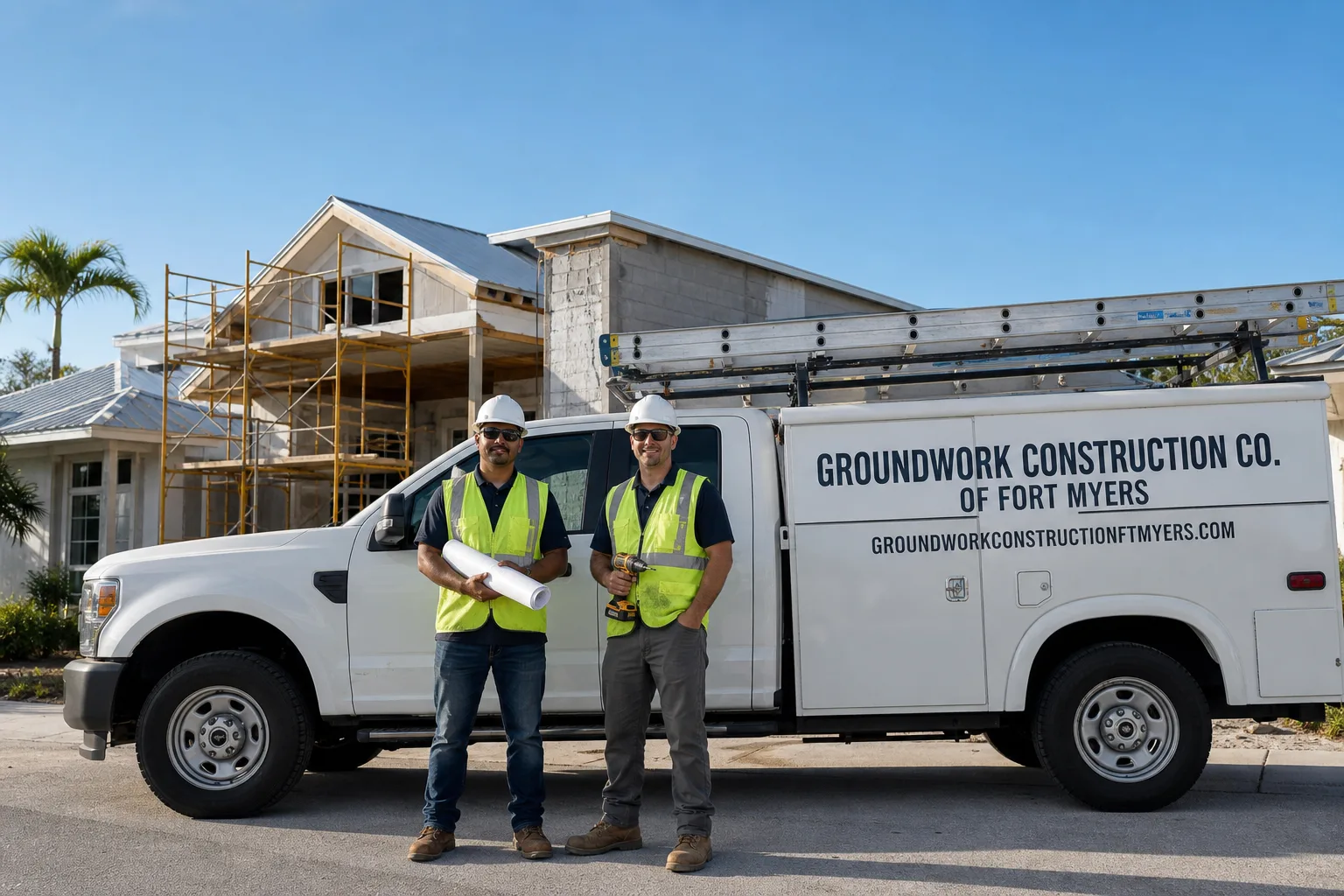
What a Chain Link Fence in Marco Costs and What to Expect
A chain link fence in Marco typically runs between $3,500 and $9,000, depending on the size of the yard, the gauge of wire, and whether you’re dealing with a standard rectangular lot or one of the island’s irregular canal-front properties. Most jobs wrap up in two to four working days, from stake-out to final walkthrough, barring any surprises with buried boulders or old concrete footings. If you’re pricing a project right now, call us at (844) 638-7249 for a written, upfront estimate with no hidden line items.
How we install a chain link fence on Marco Island, start to finish
The process moves fast, but it still follows a sequence that protects your property lines and your investment. Here’s how it goes.
1. Site measure and utility locate (Day zero, before we dig)
We pull your plat from Collier County records and match it against the physical property corners. On Marco, where Deltona-era slabs often sit on zero-lot-line or near-lot-line setbacks, we physically walk the boundary with you to confirm where the fence lands. We call 811 to mark underground utilities. Florida law requires this, and we don’t skip it. You choose your fence height, wire gauge, and gate configuration at this meeting. We leave a written quote in your hand, not a follow-up email you’ll hunt for later.
2. Post layout and stake-out (Day one, 2-3 hours)
We drive stakes and run string lines so you can see exactly where the fence stands before a single hole gets dug. This is the moment to adjust for any landscaping, sprinkler heads, or buried cable boxes you forgot about. On Marco’s tight lots, where your side yard might be eight feet wide and shared with a neighbor’s pool cage, we often shift the line six inches to preserve access without sacrificing security. Once you sign off on the layout, we order any materials we don’t already carry, though galvanized terminal posts and top rail are standard stock for us.
3. Core-drilling and setting posts (Day two, the main event)
We don’t just auger holes and hope the post stays plumb. On Marco, we core-drill through existing concrete when the old fence sat in a slab-mounted footer, or we drive posts into sandy native soil with a hydraulic post driver for better bearing resistance in the island’s loose fill. Terminal posts (corners, ends, gate posts) go in first, set in concrete with a slight crown to shed rain. Line posts follow, spaced to match the top rail spec. We check plumb with a digital level as we go. The crew is background-checked, uniformed, and carries a site lead who’s done this exact job hundreds of times.
4. Stretching fabric and hanging gates (Day two or three, same visit typically)
Once posts are set and the top rail is locked into the line-post loops, we roll out the chain link fabric and stretch it with a come-along tension bar. Tension matters. Too loose, and a kid or a dog can bow the bottom. Too tight on a Marco afternoon with full sun, and you get a slight wave when it cools at night. We tension to manufacturer spec, then tie the fabric to the top rail and the line posts every 12 inches. Gate posts get heavier bracing, and the gate frame is welded square on-site. If you’re getting a double-drive gate for boat trailer access, which is common in Marco’s canal neighborhoods, we install a center drop rod and a heavy-duty latch that won’t corrode in salt air. Need help with the gate itself? Ask about our Door Installation in Marco options.
5. Final grade, cleanup, and walkaround (Day two or three, last hour)
We backfill any post holes with clean fill, grade the soil away from the posts so water doesn’t pool, and use a magnetic sweeper to pick up any stray hardware. Then we walk the fence with you, gate by gate, section by section. If something’s not right, it gets fixed before the crew leaves. That’s the bar, and it’s backed by our 730-Day Done Right Promise. If it’s not done right, we make it right.
The options you’ll choose between for a chain link fence in Marco
Chain link isn’t one-size-fits-all anymore. The choices you make here determine longevity, appearance, and how the fence holds up against Marco’s salt-laden air.
- Wire gauge: 11½-gauge is the heavy-duty residential standard we recommend. It resists sagging better than the lighter 12½-gauge commercial economy wire, especially across the longer spans you often see along Marco’s canal-side lots. For a small pet enclosure, 12½-gauge is fine and saves a few hundred dollars.
- Finish: Galvanized steel is the budget default. In Marco, we strongly push the upgrade to a zinc-aluminum alloy coating (brands like ActiveYards’ aluminized system) or a factory-bonded vinyl coating. Salt air will pit standard galvanized wire within five to seven years. Coated wire stretches that to fifteen or more, and the black or green vinyl blends into tropical landscaping better than bare silver.
- Height: Four feet is standard for a backyard boundary. Six feet is common where privacy or pool-code compliance matters. Collier County requires a minimum four-foot barrier around any swimming pool with self-closing, self-latching gates, and we pull the gate hardware specs directly from the current Florida Building Code pool-barrier section.
- Gate type: A single walk gate is standard and included in most estimates. A double-drive gate for a boat or trailer adds $400 to $800 depending on the width and the latch hardware. On Marco properties with direct canal access, the drive gate often ends up being the most-used entry point on the whole fence.
- Bottom wire: Tension wire along the bottom edge keeps dogs from pushing under and stiffens the whole run. It’s a $3-a-foot add-on, and on sandy Marco soil where washout from summer storms is real, we consider it essential rather than optional.
What a chain link fence costs in Marco, FL
A standard residential chain link fence in Marco runs from $3,500 on the low end to about $9,000 for a larger yard with heavy-gauge wire, coated finish, and multiple gates. Here’s what pushes a job toward one end or the other.
Linear footage. This is the biggest lever. A 150-foot backyard boundary is baseline. A 350-foot wraparound on a corner lot or a canal parcel with a long side yard nearly doubles the material and post count. Price moves almost in lockstep with feet.
Gate count and size. One walk gate is standard. Adding a double-drive gate for a boat trailer adds real cost in hardware, heavier posts, and more concrete footings. If the drive gate has to match a fence line that runs right to the water’s edge, we sometimes have to core-drill into an existing seawall cap, which adds labor hours.
Existing fence removal. If there’s an old chain link or wooden fence on the property line, it has to come out before the new line can go in. On Marco, where a lot of the Deltona-era homes still have their original 1960s wire strung between rusted steel posts set in crumbling concrete, removal and disposal usually adds $500 to $1,200.
Finish and wire spec. A basic galvanized fence with 12½-gauge wire is the entry price point. Stepping up to 11½-gauge and a zinc-aluminum alloy or vinyl coating adds 20 to 30 percent to the material cost, but in a salt-air environment, it’s the difference between a fence that looks tired in six years and one that still looks clean at twelve.
Soil and access conditions. Driving posts into clean sandy fill is fast and straightforward. Hitting buried construction debris from the original 1960s build-out (broken block, old slab edges, random concrete pours the Deltona crews left behind) slows the job and adds cutting or core-drilling time. We’ll flag any known access issues during the site measure so the quote reflects reality, not a pleasant surprise later.
Every written estimate includes all materials, labor, posts, concrete, hardware, gate(s), tension wire, cleanup, and a line-item breakdown. What it does not include: permit fees (paid directly to Collier County), and any landscape repair beyond basic backfill and grade. If you need sprinkler lines rerouted, we’ll coordinate with an irrigation contractor we work with regularly. The number you see is the number you pay. That’s upfront pricing, no surprises.
What Marco properties specifically do to this job
Marco Island isn’t like fencing a lot in Fort Myers or Naples Park. The soil here is mostly dredge-and-fill sand laid down when the Deltona Corporation carved the canal grid in the 1960s. If your driveway has suffered from similar settling issues, see our Driveway Repair & Replacement service in Marco. It drains fast, which means post footings need to go deeper than the standard two feet to resist lateral movement, particularly on open canal-front lots that catch direct wind off the Gulf. We set terminal posts at a minimum of 30 inches here. Line posts hit 24. That extra depth prevents the slow lean you see on older fences all over the island, especially down in the Old Marco neighborhood and along Collier Court where the original 1965-vintage chain link is still sagging into neighboring lots.
Salt exposure is a constant. Brackish canal water and onshore Gulf breezes accelerate rust on uncoated hardware. We use stainless steel gate hinges, latches, and tension-band bolts on every Marco job, not zinc-plated steel that pits within two rainy seasons. If your property sits on a direct canal cut with a seawall, the fence line often terminates right at the water, and we sometimes core the last post into the seawall cap rather than trying to dig in saturated backfill that won’t hold.
Collier County permits apply. A chain link fence in a residential R-1 zone on Marco requires a fence permit, and the fence must not exceed six feet in height in the side and rear yards without a variance. The front-yard limit drops to four feet, and sight triangles at driveways and intersections must stay unobstructed. We pull the permit, and we schedule the inspection. If you’re part of a homeowners’ association (and most Marco subdivisions, from Hideaway Beach to Tigertail, have an HOA with architectural review), bring us the HOA fence spec before we stake the line. We’ll match it. A full Fence Installation in Marco project often includes coordinating with the HOA board, and we’ve handled enough Marco HOAs to know what they’ll flag.
Also worth knowing: Marco sits almost entirely within FEMA flood zones. A chain link fence isn’t structural and doesn’t trigger flood elevation rules, so you’re generally in the clear on that front. But if you’re considering other hardscape work alongside the fence, Concrete Driveways & Concrete Work in Marco can become a regulatory conversation quickly when the driveway pad is part of the overall impervious-surface calculation. Homeowners often pair a new chain link fence with an Asphalt Driveways & Resurfacing in Marco project when the whole exterior needs attention at once, and our Fence Installation crew can sequence it so the fence goes in after the paving is done. We cover the full scope, from foundation to finish line.
Serving Marco, FL - Our Local Coverage Area
We’re based in our Marco service area and know this community well. Use the map below to see our service coverage - if you’re nearby, we can almost certainly help.
Frequently asked - Chain Link Fence in Marco
A typical residential chain link fence in Marco takes two working days for the crew to complete, with a third day added only if we’re pulling and hauling an old fence or core-drilling a significant number of posts into existing concrete. The site measure and utility locate happen before the crew arrives, so the days on-site are purely construction days. Weather can shift the schedule; we don’t set posts during a lightning storm, and summer afternoons sometimes shut us down by 3 p.m. if the daily thunderstorm rolls in. But most Marco jobs finish within the same week they start.
Yes. Collier County requires a fence permit for any new chain link fence installation in a residential zone on Marco Island. The permit covers height compliance, setback confirmation, and pool barrier code if applicable. We pull the permit as part of our scope and handle the inspection scheduling. HOA approval is a separate step that runs parallel, not instead of, the county permit process. Call (844) 638-7249 and we’ll walk you through who needs what for your specific property.
Installed cost for a galvanized chain link fence in Marco ranges from about $18 to $28 per linear foot for a standard four-foot height with one gate included. Upgrading to a coated finish, heavier wire gauge, or adding a double-drive gate pushes the per-foot figure higher because the gates drive up the total regardless of the per-foot run. Every estimate we write is a fixed-price, line-item quote so you see the exact cost before you sign. Estimates are free. Call (844) 638-7249 to schedule yours.
We match HOA specs on every Marco job. Bring us the architectural review committee’s approved fencing guidelines, and we’ll spec the exact height, finish, color, and setback they require. We’ve worked with the review boards at Hideaway Beach, Tigertail Beach Club, Olde Marco Inn, and most of the smaller condo and single-family associations across the island. The HOA doesn’t slow us down when we know what they want from the start.
Every chain link fence we install is covered by our 730-Day Done Right Promise. If the fence leans, the fabric sags, a gate binds, or any hardware fails due to our workmanship within two full years, we fix it at our cost. Manufacturer warranties on coated wire and hardware vary by product line; we’ll provide the specific warranty documentation for the materials you select so you know exactly what’s covered and for how long. It’s built to last, backed in writing.
Get a free estimate for your chain link fence in Marco
A chain link fence on Marco Island has to handle sand, salt, and Emergency & Storm Damage in Marco without sagging or rusting out. We’ve done it hundreds of times across every neighborhood on the island, and every job starts with a free, on-site estimate that gives you a hard number, not a range. Call us at (844) 638-7249. A live person answers, you’ll schedule a time that works for you, and we’ll walk the property line together and hand you a written quote before we leave. No pressure, no vague bids, just the real number.
Written by Derek Hollenbeck, Owner at Groundwork Construction Co., serving Marco since 2014.