
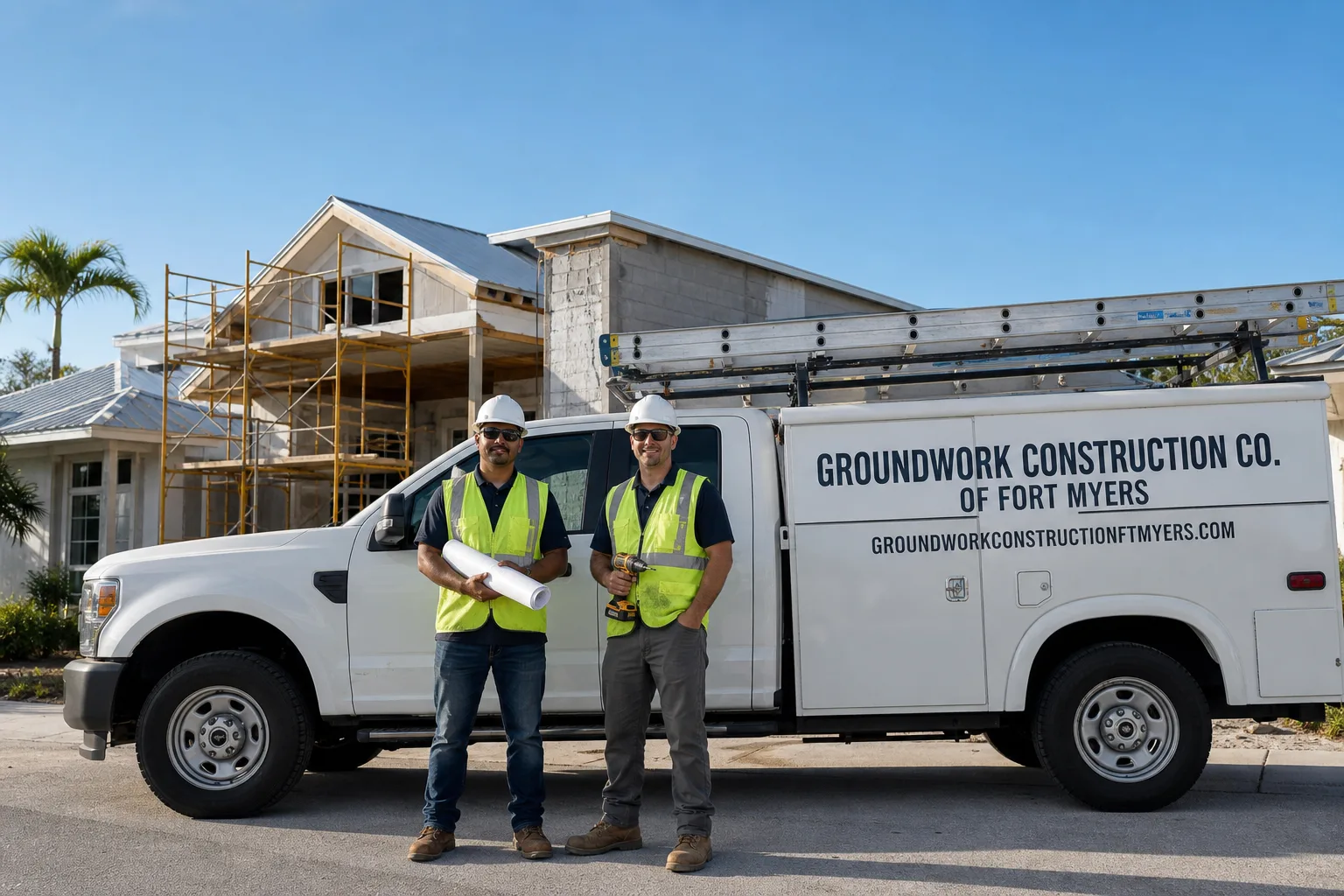
What a Glass Railing System Installation Actually Looks Like in Villas
In Villas, installing a glass railing system typically runs $180 to $420 per linear foot, with most full-deck or balcony projects landing between $4,500 and $14,000 total. A straightforward replacement on an existing code-compliant deck takes our crew two to three days; new construction or structural reinforcement work stretches closer to five. If you’re pricing out a project right now, call (844) 638-7249 for a written, line-item estimate built around your specific layout.
We don’t start these jobs with a sales pitch. We start by looking at what the salt air out here does to the mounting hardware that’s supposed to hold everything steady, because that’s where Villas projects tend to go sideways when an installer cuts corners on the fasteners.
The Sequence We Follow on Every Glass Railing Job in Villas
What slows most railing projects down isn’t the glass. It’s what we find underneath the old railing once it comes off. Here’s how our crew works through it, stage by stage.
Stage 1: Structural assessment and anchor testing - Day 1, roughly 90 minutes. Before we touch a single piece of glass, we pull the base trim on the existing railing and inspect the concrete slab edge or wood rim joist where the new posts will anchor. In Villas, on those 1960s-to-1980s ranch homes that dominate the neighborhoods off Pine Island Road, we routinely find spalled concrete along the slab perimeter - decades of rain-driven moisture working into the top edge, rusting the rebar just inside and cracking the concrete from within. If the anchor points aren’t sound, the glass is irrelevant. At this stage we confirm the mounting surface, check for rot or delamination, and decide whether we need epoxy-set anchors or a full concrete edge repair before proceeding. You’ll know by that first afternoon whether we’re on a standard track or need to add a day for substrate work.
Stage 2: Post layout and permit-spec verification - Day 1, late afternoon. Lee County code requires a railing on any deck or balcony surface more than 30 inches above grade, and the spacing between glass panels cannot pass a 4-inch sphere. Those are the minimums; your specific HOA in a community like Pine Lakes or Villas Golf & Country Club may have tighter rules on railing height or glass tint. We lay out every post position, mark the floor, and check the plan against what the county wants to see if a permit inspection is triggered. If you’re part of a broader post-Ian rebuild - and a lot of Villas homeowners are - this step dovetails with what the building inspector already has on file from your roof or window permits.
Stage 3: Core-drilling and post setting - Day 2 or 3, depending on slab condition. For a concrete-slab deck, we core-drill each post location with a diamond bit, blow the holes clean, and set the posts in a high-bond epoxy engineered for the wet-dry cycle we get in Southwest Florida. The posts get shimmed and braced plumb, then the epoxy cures - overnight minimum. On a wood-framed balcony, we’re bolting surface-mount base plates through the decking into the joists with heavy-gauge lag screws, and we’re looking at every joist end for the soft rot that creeps in when Villas’s 60-plus inches of annual rain sit against untreated end grain. If we find it, we sister the joist before a single post goes in. You don’t pay for surprises you didn’t approve. You get a photo and a phone call.
Stage 4: Glass panel and handrail installation - typically Day 3. The glass panels - either 3/8-inch or 1/2-inch tempered, depending on the wind-load calculation your specific property requires - slot into the base shoes or clamp onto standoffs, depending on the system you chose. We install the top rail or cap rail next, which locks the panels in place. On a frameless system, the glass is the structure; the mounting hardware and the glass thickness do all the work of resisting wind and impact, which matters in a place that got hit by a Category 4 three years ago. Our crew checks every panel for level and alignment twice: once during installation, once the next morning after the system has settled under its own weight.
Stage 5: Seal, clean, and final walkthrough - final half-day. We seal every base shoe and post penetration against standing water - Silicon Valley gets the press, but Villas’s afternoon thunderstorms will find a pinhole in a bead of caulk faster than anything. The glass gets cleaned with a non-abrasive solution that won’t etch the surface, and we walk the full railing with you, testing every panel by hand before we pack up. If you’re pulling a permit, we call the inspection in that afternoon.
The Choices That Actually Matter for a Glass Railing System
Not every option makes sense on a Villas property. We guide homeowners toward the configurations that hold up here. Here’s what you’ll decide.
- Frameless vs. semi-frameless. Frameless uses thick tempered glass panels clamped at the base or side with aluminum standoffs - the cleanest look, the highest material cost, and the one that demands the most from the mounting surface. Semi-frameless runs glass panels inside narrow aluminum posts; it’s about 20 to 30 percent less per linear foot and gives you more forgiveness if the deck edge isn’t perfectly straight. Both meet code. The choice is mostly aesthetic, but if your deck overlooks the Caloosahatchee River estuary, frameless buys you an unobstructed sightline that a post-every-four-feet system won’t.
- Glass thickness and finish. Standard 3/8-inch tempered glass handles most residential wind loads in Lee County. For an elevated balcony above the second story, or anywhere the railing catches a direct gust off the river, we spec 1/2-inch. The glass comes clear, low-iron (which removes the faint blue-green tint of standard glass), or with a light tint that cuts glare on west-facing decks. Low-iron adds roughly 15 to 20 percent to the glass cost; tint is a smaller upcharge. In Villas, we recommend low-iron for any deck that faces the water - the view is half the reason you’re doing this.
- Hardware grade. This is where salt air separates a five-year railing from a twenty-year railing. Standard aluminum posts and base shoes, even powder-coated ones, will show pitting and oxidation around the fasteners within a few years if they’re within a mile of brackish water. We strongly recommend 316 marine-grade stainless steel for all exposed fasteners, brackets, and clamp bodies on any Villas home east of McGregor or near the Caloosahatchee. The upcharge is modest - maybe $8 to $12 per linear foot - and it’s the single best dollar you’ll spend on the whole project.
- Handrail profile. Round, rectangular, or wood-capped. A round stainless handrail keeps the profile minimal and matches modern homes. A wood-capped top rail in ipe or treated pine warms up the look, but wood caps need re-oiling or sealing every 12 to 18 months in this humidity or they gray unevenly. We’ll walk you through each at the estimate.
What Glass Railing Systems Cost in Villas, FL
A full glass railing installation on a standard 30-linear-foot deck in Villas runs between $5,400 and $12,600, averaging around $8,500 with mid-grade materials and normal substrate conditions. A smaller balcony replacement - 15 linear feet, straightforward - starts closer to $2,700. The per-foot range is $180 to $420, and the spread is driven by real variables, not salesmanship.
Four things that push the number up or down:
- Total linear footage and corner count. More length means more glass and more posts, but corners are the hidden multiplier - each inside or outside corner requires a custom post configuration or a mitered glass panel, adding $200 to $400 per corner.
- Concrete condition under the old railing. If we core-drill and hit spalled, crumbling concrete, we’re adding epoxy repair and possibly rebar treatment before the posts go in. That’s the single most common cost variance on Villas homes built between 1965 and 1985.
- Frameless vs. semi-frameless. Frameless systems use thicker glass and more expensive clamping hardware and run toward the top of the per-foot range. Semi-frameless is the value play that still delivers the glass look.
- Permit and inspection scope. A simple railing swap on an existing deck may not trigger a permit - but if your home is already in the Lee County system for a post-Ian roof or structural permit, the railing gets pulled into that same inspection cycle. We handle the paperwork; you just need to know the inspection fee and any required engineering letter are line items in our estimate, not afterthoughts.
Every estimate we write includes material, labor, hardware, demolition and disposal of the old railing, sealant, and the final cleanup. What’s typically not bundled in: major concrete deck resurfacing, full rim-joist replacement on a wood balcony, or an engineer’s stamp if the county requires one - those we quote as separate line items so you see exactly what drives the cost. Call (844) 638-7249 and we’ll give you a price that doesn’t move once you approve it - upfront pricing, no surprises, the number you see is the number you pay.
What Villas Homes Specifically Do to a Glass Railing Job
We’ve worked on enough post-Ian properties in Villas to know the pattern. A homeowner calls about a glass railing for a rebuilt lanai deck, and we show up to find the slab edge hasn’t been touched since 1978. The concrete along the outer rim is micro-cracked from decades of rain soaking into the top surface, and the original anchor bolts for the old aluminum railing are rusted thin at the thread root. Out near the Caloosahatchee side of the neighborhood, we see something else: a chalky white corrosion bloom on any aluminum post base that wasn’t marine-grade, creeping up from the fastener holes where salt-laden air sat against bare metal.
The Villas housing stock - mostly concrete block ranch homes poured between 1965 and 1985 - means we’re anchoring into slab edges that predate modern edge-distance requirements. If your home is one of the many that went through a full roof and window rebuild after Ian, the railing permit often gets folded into the same Lee County compliance review. That’s actually good: it means the inspector already has your elevation certificate and structural files, so a railing permit moves faster than it would in a vacuum. Homeowners in Pine Lakes and the established streets south of Littleton Road often pair a glass railing with a broader hardscape redo - we’ve done several jobs where the same crew that installs the glass also handles Paver Driveways in Villas on the same property, which keeps the site logistics simpler.
If you’re starting with a bare concrete slab and want the full perimeter done along with the railing, the conversation naturally expands into Windows & Doors in Villas territory, especially if you’re still running original single-pane sliders onto the lanai - it makes sense to address both the opening and the edge protection at the same time. For homes where a new glass railing is part of a larger property boundary update, we’ve also coordinated with our Fence Repair in Villas team so the deck perimeter and the yard perimeter get done in one project window. And when the scope grows to the whole exterior envelope, our Windows & Doors crew is the same team that handles the glass and framing, so you’re not managing separate subcontractors.
Every glass railing we install in Villas gets anchored with 316 stainless fasteners - not standard zinc, not “weather-resistant coating” - because we’ve seen what the salt air from the river estuary does to anything less. That’s not a sales tactic. It’s just what works here.
Serving Villas, FL - Our Local Coverage Area
We’re based in the Villas area and know this community well. Use the map below to see our service coverage - if you’re nearby, we can almost certainly help.
Frequently Asked Questions About Glass Railing Systems in Villas
Most jobs finish in two to three working days. Day one covers demolition of the old railing, structural assessment of the mounting surface, and post layout. Day two or three is core-drilling, epoxy-setting the posts, and letting the epoxy cure overnight. The glass panels and handrail go in on the final day, followed by sealing and a walkthrough. If we find spalled concrete or rim-joist rot during the anchor check, add a day for substrate repair. Call (844) 638-7249 and we’ll give you a schedule tied to your specific deck condition, not a generic timeline.
If the railing is on a deck or balcony more than 30 inches above grade, Lee County requires a permit. Many Villas homes that went through post-Hurricane Ian roof or structural permits already have an open file with the building department, which can actually streamline a railing permit. We handle the application, the engineering letter if the county wants one, and the inspection coordination - it’s built into our scope, not a separate headache for you.
Almost always, yes. We core-drill directly into the slab edge with a diamond bit, set the posts in epoxy, and the deck stays intact. The exception is when the slab perimeter is badly spalled or the rebar inside has rusted to the point where the concrete edge is structurally unsound. In those cases we do a localized concrete repair - typically a one-day add-on - and then proceed. We’ll show you photos of what we find before we recommend anything extra.
Expect $180 to $420 per linear foot, with a typical 30-foot deck project landing between $5,400 and $12,600 total. The biggest variables are linear footage, the number of corners, glass thickness, frameless versus semi-frameless, and the condition of the concrete or wood substrate under the old railing. We provide a written, line-item estimate so you see exactly what each choice costs - no change orders, no lump-sum vagueness. Estimates are free.
Salt air corrodes standard aluminum hardware and zinc-plated fasteners within a few years. On Villas properties within a mile of the river estuary, we spec 316 marine-grade stainless steel for all exposed fasteners, standoffs, and clamp components. The glass itself is unaffected, but the mounting system is only as durable as its weakest bolt. For the base posts and handrail, powder-coated aluminum holds up well inland; closer to the water, we recommend a full stainless system or at minimum marine-grade fasteners throughout. Our 730-Day Done Right Promise covers workmanship - if anything loosens or shows corrosion within two years, we make it right.
Get a Written Estimate for Your Glass Railing Project in Villas
If you’re planning a glass railing in Villas, start with a free on-site estimate - we’ll measure the deck, inspect the mounting surface, talk through material grades with you on the spot, and hand you a written price before we leave. No pressure, no vague ballpark, no change orders after the fact. Call (844) 638-7249 and you’ll get a live person who can schedule the visit. From the first anchor test to the final wipe-down, you’re working with background-checked, uniformed technicians who answer to Derek Hollenbeck and stand behind the 730-Day Done Right Promise, one of the longest workmanship guarantees in residential construction. Built to last, backed in writing.
Written by Derek Hollenbeck, Owner at Groundwork Construction Co., serving Villas and all of Lee County with straightforward pricing and a guarantee that actually means something.