
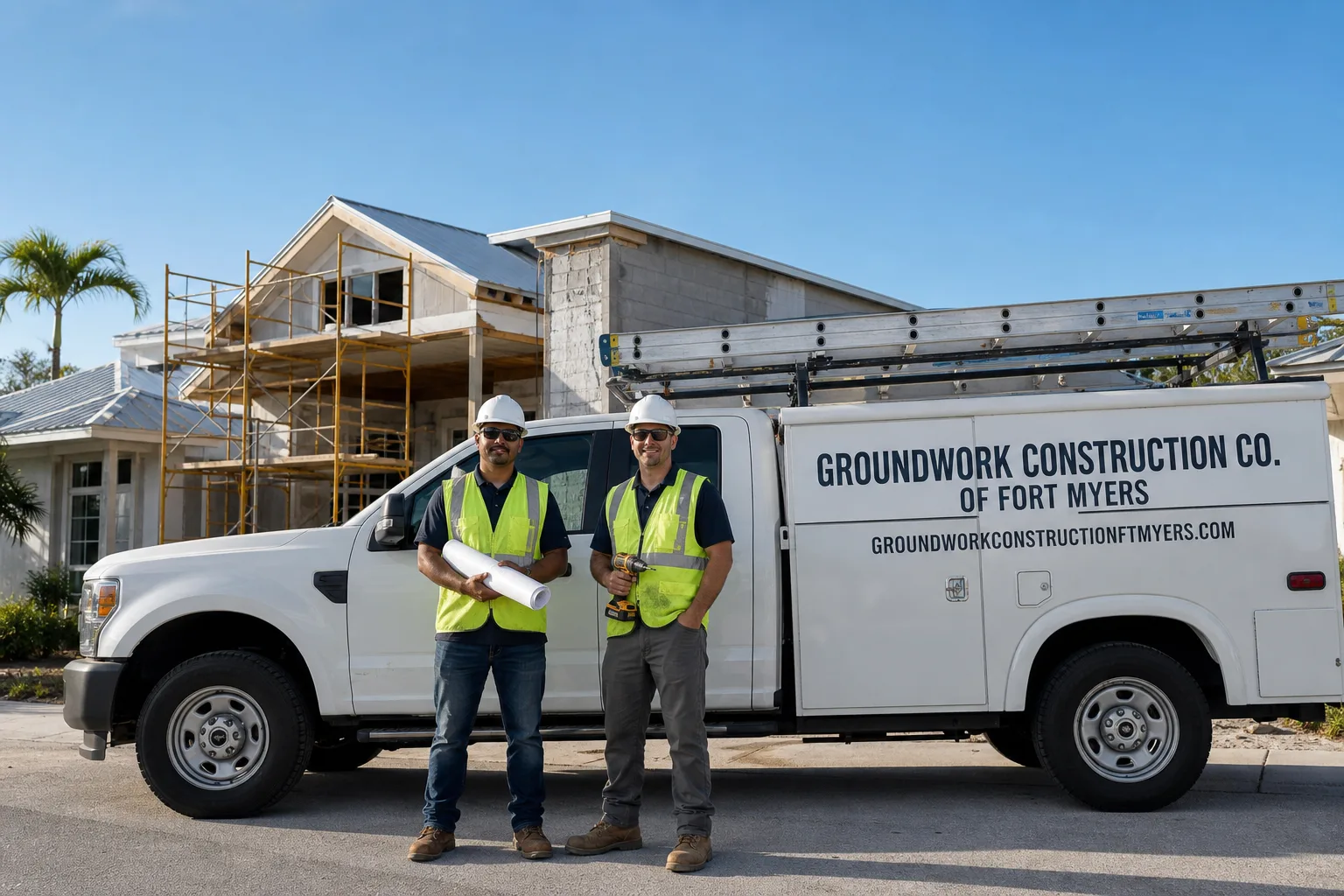
What a Metal Roof in Cape Coral Actually Costs and How Long It Takes
Metal roofing in our Cape Coral service area typically runs $15,000 to $40,000 for a full installation, with most single-family canal-area homes landing between $22,000 and $32,000. A standard tear-off and metal install takes our crew five to eight working days, start to finish. Call (844) 638-7249 for a free on-site estimate with line-item pricing - we give you the real number before you commit to anything.
How We Install a Metal Roof, Stage by Stage
Every metal roofing job in Cape Coral follows a clear sequence. There are no mystery days where “the guys are figuring things out.” Here’s exactly what happens from the day we pull up to the day we do the final walkthrough.
Stage 1: Tear-off and deck inspection. We strip the existing roof down to the plywood or tongue-and-groove decking, usually in one day for a standard Cape Coral ranch or two-story CBS home. This is the moment we find out what the old shingles were hiding - moisture-damaged sheathing, termite trails along the eaves, or decking that has started to delaminate from years of canal humidity. If we find rot, we show you photos immediately and give you a per-sheet replacement cost before we cut a single panel. No surprises added to the final bill.
Stage 2: Underlayment and flashing. On day two, we lay a high-temperature self-adhering underlayment across the entire deck. In Cape Coral’s salt-heavy air, this membrane is the real waterproofing barrier - the metal panels are its armor. We double-layer the valleys and penetrations, then install new drip edge and flashing at every transition: chimneys, vent pipes, skylights, and the canal-side soffits that catch driven rain off the Caloosahatchee. This stage takes one to two days depending on roof complexity.
Stage 3: Panel layout and fastening. Metal panels go down in full-length runs wherever possible - fewer seams mean fewer places for salt spray to eat at the fastener heads. We use stainless steel fasteners with neoprene washers on every panel, not the zinc-coated hardware that pits within three years on canalside homes. Panel alignment on Cape Coral’s long, low rooflines has to be dead square - a half-inch drift at the ridge looks like six inches by the time the eye follows it to the eave. This stage takes two to three days.
Stage 4: Ridge caps, trim, and closure. Once the field panels are fastened, we cap the ridges, install gable trim, and seal every exposed edge with matching closure strips. This is detail work - a full day - but it’s what separates a roof that sheds hurricane-driven rain cleanly from one that whistles and leaks at the first tropical storm. On Cape Coral homes with vented soffits and ridge vents, we also verify the airflow path is open; metal roofs run hotter than shingle roofs, and attic ventilation has to be right.
Stage 5: Final inspection and site cleanup. We walk the roof with a magnet sweeper to pull every stray fastener, then do a ground-level inspection with you to point out the details - how the panels lock, where the flashing ties in, what to watch for after a major storm. The crew runs a magnetic roller over the entire yard and driveway before they leave. You have a written 730-Day Done Right Promise on the full installation.
The Options You’ll Choose Between
Not all metal roofing is the same product. The choices you make here affect cost, longevity, and how the roof performs in Cape Coral’s coastal conditions.
- Steel vs. aluminum. Galvalume-coated steel is the workhorse - strong, dent-resistant, and priced at the lower end of the range. Aluminum costs more per square foot but will not rust, period. For homes within a half-mile of salt water - which includes most of Cape Coral’s canal-front lots - aluminum is the safer long-term bet. Steel with a factory-applied Kynar 500 coating splits the difference and holds up well if the panels aren’t scratched during install.
- Panel profile. Standing seam is the most common choice: vertical ribs with concealed fasteners, clean look, nothing exposed for salt to attack. Exposed-fastener panels (like corrugated or ⅞-inch corrugated) save on material cost but put thousands of screw heads in direct contact with Cape Coral’s salt air - we replace fastener gaskets on those roofs far more often. Stone-coated steel mimics tile or shake but adds weight and cost; it’s an option if your HOA mandates a non-metal look.
- Gauge and coating. 24-gauge steel is standard for residential metal roofing; 26-gauge saves a little money but dents more easily under falling branches during hurricane season. The PVDF coating system - Kynar 500 or Hylar 5000 - is what resists chalk-and-fade on a Cape Coral roof that bakes under full Florida sun 300 days a year. Cheaper SMP coatings look good for five years and start to chalk fast after that.
- Color and reflectivity. Light-colored or “cool roof” rated metal panels reflect more solar radiation and can drop attic temperatures by 30 to 50 degrees compared to dark shingles - a real difference on a Cape Coral electric bill from June through September. Darker colors absorb heat and cost more to cool the house, but some HOAs in gated communities like Sandoval or Cape Harbour will only approve specific color palettes. We can pull the HOA guidelines for your neighborhood before you pick a color.
What Metal Roofing Costs in Cape Coral, FL
A full metal roof installation in Cape Coral ranges from $15,000 on a smaller 1,200-square-foot ranch with a simple gable layout to $40,000 or beyond for a larger two-story home with multiple hips, valleys, and canal-side elevation requirements. Most jobs in neighborhoods like Pelican, Yacht Club, and the SW 20th Avenue corridor fall between $22,000 and $32,000.
What pushes a job toward the high end:
- Roof complexity. A simple 4-in-12 gable roof panels up fast with minimal waste. A cut-up roof with dormers, crickets, and five or six hips generates more trim, more labor, and 15 to 20 percent material waste versus 5 percent on a straight run.
- Decking condition. If the tear-off exposes rotted or delaminated sheathing - common on older Cape Coral homes where the original 1970s plywood has been cooking under dark shingles for 40 years - each 4-by-8 sheet replaced adds to the total. We quote decking replacement as a per-sheet line item so you know the exact exposure before we start.
- Material grade. Entry-level exposed-fastener steel panels in a standard color keep the price down. Stepping up to standing seam aluminum with a Kynar finish and stainless hardware adds 30 to 50 percent to the material line alone.
- Permit and elevation requirements. Post-Ian FEMA flood-map amendments mean some Cape Coral homes now require elevation certificates and additional structural documentation as part of the roofing permit package. We handle the paperwork, but the engineering and survey costs add to the total when they’re triggered.
- Access and site conditions. Canal-front lots with tight setbacks, seawall-proximity staging limitations, or tall two-story elevations that require a lift instead of ladder work all add labor hours. We factor site access into every estimate before we quote.
Every estimate we write is a fixed-price, line-item document. You see the material cost, the labor, the permit fee, and the disposal fee as separate numbers. The price you sign is the price you pay - our 730-Day Done Right Promise covers the workmanship, and the manufacturer’s warranty covers the panels. Call (844) 638-7249 to schedule a free on-site estimate.
What Cape Coral Homes Specifically Do to a Metal Roof
Cape Coral’s geography changes the math on metal roofing in ways that don’t apply ten miles inland. The city sits on a flat peninsula between the Caloosahatchee River and Charlotte Harbor, laced with over 400 miles of canals. That means salt aerosol is present on every roof in the city - not just the waterfront lots. We see zinc-plated fasteners on five-year-old metal roofs in the Yacht Club neighborhood with pitting that looks like fifteen years of inland exposure. The fix is stainless steel fasteners and aluminum panels where the budget allows, but even a steel roof with a quality PVDF coating and stainless hardware will outlast coated screws three to one.
The other Cape Coral specific is the post-Ian permitting reality. Lee County and the city now require wind-load documentation and, on homes in revised FEMA flood zones, an elevation certificate before the roofing permit is issued. This is not a statewide Florida building code requirement - it’s a Cape Coral and Lee County response to what Ian’s storm surge did in 2022. We pull permits weekly and know what triggers the extra documentation. If your home is in one of the older Unit 1-3 neighborhoods where the city’s utility expansion is still rolling through - areas along SE 47th Terrace or west of Del Prado - we also coordinate roof work around active street-level water main or force-main construction so our tear-off isn’t happening the same week the city is trenching the swale. Roofing in Cape Coral has to account for this in ways a Roofing crew working inland never thinks about.
Older CBS homes built from the 1970s through the early 1990s make up a large share of our metal roofing work in Cape Coral. These houses have good bones but the original roof decking was often nailed directly to trusses with minimal sheathing clips, and the dark shingle roofs they’ve worn for decades have cooked the plywood from above while canal humidity has worked on it from below. We open a roof on a 1980s ranch near Cape Coral Parkway and we expect to replace some decking - it’s factored into the estimate. Homeowners who Window Replacement in Cape Coral is part of a broader envelope upgrade, or who are adding Impact Windows & Doors in Cape Coral as part of a post-Ian hardening project, often sequence the roof first so everything ties together under one permit cycle.
Serving Cape Coral, FL - Our Local Coverage Area
We’re based in the Cape Coral area and know this community well - from Cape Coral Sliding & Patio Doors to full roofing systems. Use the map below to see our service coverage - if you’re nearby, we can almost certainly help.
Frequently Asked - Metal Roofing in Cape Coral
An aluminum standing seam roof with stainless fasteners will last 50 years or more in Cape Coral’s coastal environment with basic maintenance. Galvalume steel with a Kynar 500 coating and stainless hardware typically runs 30 to 40 years before the coating shows meaningful wear. The weak point is never the panels - it’s the fasteners and the trim flashing, and those are replaceable components. Call (844) 638-7249 and we can walk you through which material grade makes sense for how close you are to the canals.
Yes. Every metal roof replacement in Cape Coral requires a building permit from the city’s Building Division, and the job must comply with the current Florida Building Code wind-load requirements for the High Velocity Hurricane Zone. Post-Ian, we also see elevation certificate requirements triggered on homes in revised FEMA flood zones. We pull the permit, coordinate inspections, and provide all the documentation - you don’t handle any of it on your own.
We can, but we rarely recommend it in Cape Coral. Overlaying metal on top of shingles traps the old roof’s moisture history against the new underlayment, and on older canal-area homes, that’s a recipe for decking rot that you won’t see until it has already progressed. Tearing down to bare decking lets us inspect every sheet of plywood, replace what’s bad, and fasten the new roof into solid wood - not into shingles that may have been hiding a slow leak for years. The tear-off adds cost up front but saves expensive decking replacement later.
Most Cape Coral HOAs allow metal roofing, but some gated communities restrict panel profile and color. Communities like Sandoval, Cape Harbour, and Tarpon Point Marina often have an approved color palette and may require standing seam rather than exposed-fastener panels. We pull HOA guidelines for your neighborhood before you commit to a material or color, so there are no expensive re-orders halfway through the job. If your HOA requires a specific look that metal can’t match, we can discuss our Small Bathroom Remodels service in Cape Coral or other alternatives during the estimate.
You get two warranties. The manufacturer covers the metal panels - typically 30 to 50 years depending on the coating system, and we can review the exact terms for the product you choose. Our workmanship is covered by the 730-Day Done Right Promise: if it’s not done right, we make it right, period, for two full years. That covers every flashing detail, every fastener, every seam. For an exact quote on your Cape Coral home, call (844) 638-7249 - estimates are free and come with a detailed scope of work in writing, whether you need roofing or Cape Coral Small & Partial Kitchen Remodels.
Get a Free Metal Roofing Estimate in Cape Coral
Metal roofing in Cape Coral is a long-term decision - the right material, the right fasteners, and the right install crew make a 30-year difference. Call (844) 638-7249 to schedule a free on-site estimate. We walk the roof, take measurements, discuss material options that fit your budget and your proximity to the water, and hand you a fixed-price written quote before we leave. A live person answers the phone, day or night - no voicemail, no waiting until Monday.
Written by Derek Hollenbeck, Owner at Groundwork Construction Co., serving Cape Coral since 2014.