
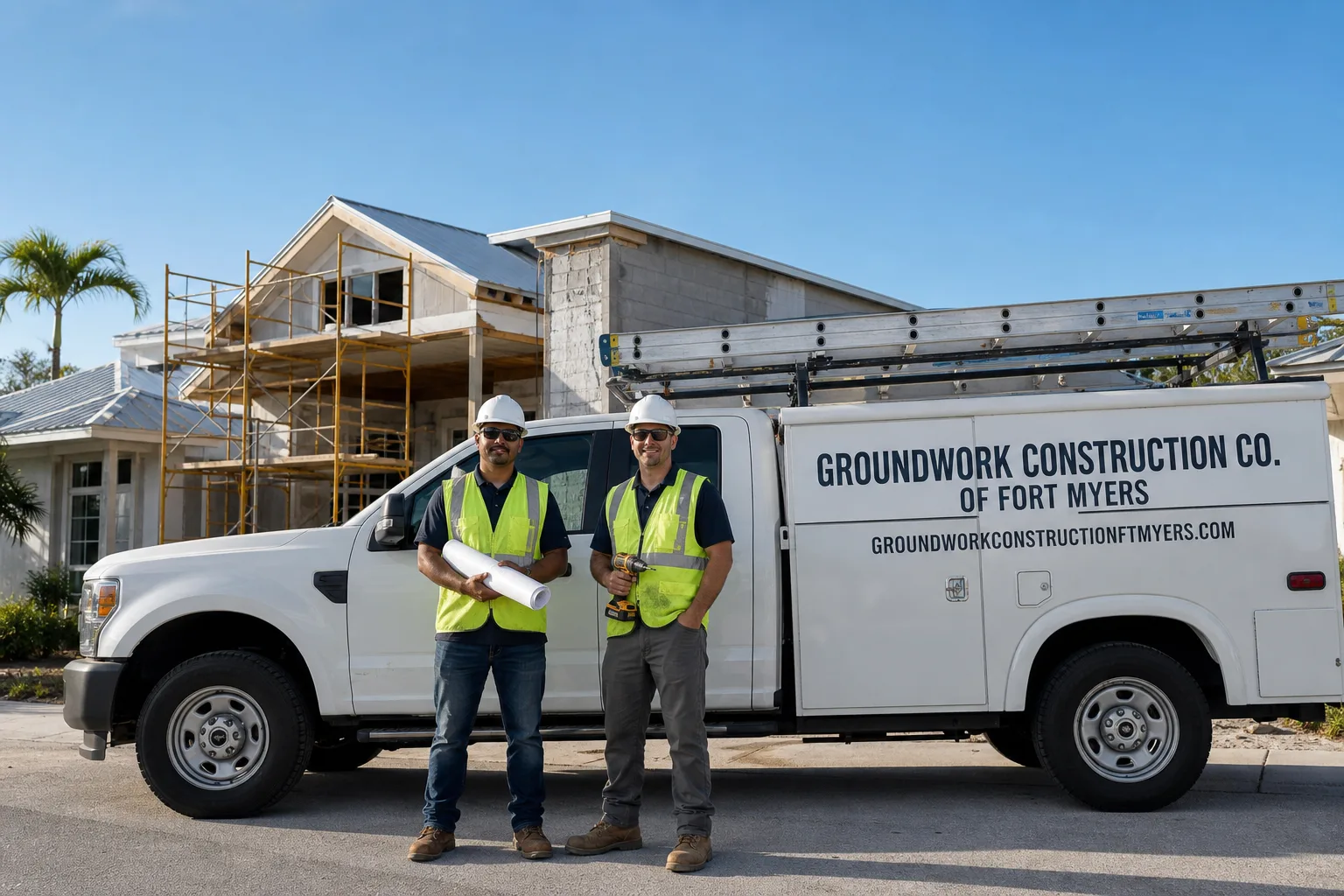
What a Wood Fence in Vineyards Actually Costs and How Long It Takes
A wood fence in Vineyards, FL typically runs $3,500 to $9,000 for a standard residential project, with most wrapped up inside a week. The range is wide because job size, wood grade, and HOA requirements move the number fast. Call us at (844) 638-7249 for a line-by-line estimate built for your specific lot, not a round number off a checklist.
How We Build a Wood Fence in Vineyards, Start to Finish
The process has five real stages, and you’ll make a few key decisions along the way. Here’s what the week looks like on the ground.
1. Site markout and utility locate (Day 1, 1-2 hours)
We walk the fence line with you and physically mark every post location on the ground with paint. This is the moment where corners, gate swings, and any neighbor-line questions get settled before a single hole goes in. We call in a utility locate through Sunshine 811; Collier County code requires it, and we don’t skip it. While the locate ticket processes, we submit the required paperwork to the Vineyards Community Association Architectural Review Board so the approval clock starts ticking before we’re even on-site.
2. ARB approval and material order (Days 2-5, parallel track)
The Vineyards ARB needs to sign off on your fence height, style, stain color, and post-cap profile before Collier County will touch the permit. We handle the submittal: a scaled plot plan showing the fence line relative to the house and lot boundaries, the spec sheet for the lumber grade you chose, and a stain sample if applicable. This dual-approval bottleneck catches out-of-area crews, but we build the lead time into the schedule. While the board reviews, we order your materials so they’re on-site the day approval lands. You’ll pick your wood species and stain tone during this window. Pressure-treated yellow pine keeps the price toward the lower end; Western red cedar pushes it up but carries a richer grain and natural rot resistance that holds up better in the humidity Collier County throws at everything.
3. Demolition and post-hole prep (Day 6, half-day)
Old fence comes down and gets hauled off. We core out the post holes to 36 inches minimum, which puts the base of the post below the high water table in the sandy loam common across Vineyards. That depth matters. Shallow posts in this soil lean inside two wet seasons. We backfill with a dry-pack concrete mix that sets hard in the hole and locks the post fast, no bracing needed.
4. Fence frame and picket install (Days 6-8, the main build)
Posts go in and get checked for plumb at every hole. Stringers run level, two per panel on a 6-foot fence, three on an 8-footer. Pickets go on next, each one screwed individually with stainless fasteners that won’t bleed rust trails down a white-stained board. This is the stage that separates a fence that still looks straight four years on from one the neighborhood association starts sending letters about. Gate hardware goes on last. We size gates to the opening and hang them on galvanized steel hinges with a self-closing latch that meets Florida pool-code requirements where needed.
5. Final walkthrough and cleanup (Day 9, 1 hour)
We walk the full fence line with you, open and close every gate, and hand you a care sheet for the lumber finish you selected. The site is raked clean, scrap lumber is removed, and you get the signed permit close-out the same day so your HOA file stays current.
The Options You’ll Choose Between
A wood fence isn’t one product. Here are the real choices that swing the look, the lifespan, and the price.
- Pressure-treated Southern yellow pine: The workhorse. Treated to resist rot and insect damage. Accepts stain well but can warp slightly as it cures. The most cost-effective option and the one we use most often in Vineyards when the budget is the lead constraint.
- Western red cedar: Lighter, straighter-grained, and naturally more decay-resistant than pine. Costs more per linear foot but requires less long-term maintenance to stay true. Cedar also takes a clear seal coat beautifully if you want the natural wood color to show through.
- Board-on-board vs. shadowbox vs. standard picket: Board-on-board alternates pickets front and back for full privacy and a finished look from both sides. Shadowbox gives partial privacy with airflow, which helps a pool deck breathe. Standard picket is open, affordable, and suits front-yard boundary markers.
- Stain and seal: We apply a penetrating oil-based stain, not a surface paint. Paint peels in Florida humidity inside two years. A quality stain soaks into the wood fibers and can be refreshed every three to five years without stripping. You’ll pick the tone-from a barely-there natural cedar tint to a darker walnut-during the ARB submittal so the board sees the exact product.
What a Wood Fence Costs in Vineyards, FL
The $3,500 to $9,000 range covers most residential wood fences we build here. Four variables do the heavy lifting on where your job lands.
Linear footage. Twice the fence line is roughly twice the material and twice the labor. A typical Vineyards lot with a 150-foot rear and side boundary will fall in the middle of the range. A smaller courtyard enclosure at 60 linear feet sits at the low end.
Wood grade and species. Pressure-treated pine is the baseline. Switching to Western red cedar typically adds 30 to 40 percent to the material cost. Clear-grade cedar, where knots are nearly absent, pushes the number higher again and is most often chosen on streets where the fence is visible from the golf course or a shared amenity line.
Gate count and hardware. A single walk gate is straightforward. Adding a double-drive gate with a steel frame and welded hardware changes the labor profile and the material list at the same time. If the gate needs an automatic opener for vehicle access, the electrical rough-in and motor add another line item.
Old fence removal. If there’s an existing fence to demo, that’s labor and a dumpster or haul-off charge. Fences that share a boundary with a neighbor’s fence line sometimes sit on a shared post line, which complicates the tear-out and needs a conversation before demo day.
Every written estimate from us lists the full scope line by line. No change orders because the crew discovered something we didn’t price up front. That is the whole point of the walkaround we do before we hand you the number.
What Vineyards Homes Specifically Do to This Job
Vineyards is a master-planned HOA community where the homes were mostly built between the late 1980s and late 1990s. That means two things for a wood fence project. First, the Vineyards Community Association Architectural Review Board must approve your fence spec before Collier County will issue a permit. We submit the plot plan, the material grade, the stain color, and the post-cap style on your behalf. Miss that step and the county stops the job, period. Second, many of these lots border common areas, golf course sight lines, or water features where the HOA enforces a specific height limit and rail profile. We’ve built enough fences inside Vineyards to know the submittal process cold, so approval doesn’t become the thing that stalls your start date.
The soil here is sandy and drains fast, but the water table sits close to the surface across much of the community. That’s why we sink posts a full 36 inches and set them in concrete. It’s also why we favor stainless steel fasteners throughout. The humidity in Collier County corrodes galvanized hardware faster than most people expect, and a rusted fastener on a fresh fence is a callback waiting to happen. If you’re planning a wider property upgrade, homeowners often pair this with Paver Driveways in Vineyards or Concrete Driveways & Concrete Work in Vineyards while the crew and equipment are already on-site.
For the full scope of what we build across the community, see Fence Installation in Vineyards. Our Fence Installation crew handles every post and picket that goes in the ground across Vineyards and the surrounding area.
Serving Vineyards, FL - Our Local Coverage Area
We’re based in the Vineyards area and know this community well. Use the map below to see our service coverage - if you’re nearby, we can almost certainly help.
Frequently Asked Questions About Wood Fence in Vineyards
Nine to fourteen calendar days from stakeout to final walkthrough, with about five to six of those being actual build days. The Vineyards ARB approval window runs parallel to material ordering, so it rarely adds net time to the schedule unless the board meets on an irregular calendar.
Yes. Collier County requires a fence permit, and the Vineyards Community Association requires Architectural Review Board approval before the county will process it. We handle both submittals so you’re not the one chasing paperwork.
It shouldn’t. We price from a detailed site walk, not a satellite photo. The only time a number moves is if you change the scope, like adding a gate or extending the fence line beyond what was originally measured. If that happens, it’s a signed change order before the extra work starts, never a surprise invoice at the end.
Pressure-treated Southern yellow pine is the value pick and works well when properly stained and maintained. Western red cedar carries natural oils that resist decay better over the long haul without chemical treatment, and it tends to stay straighter through the wet-dry cycles that warp lower-grade pine. The trade-off is upfront cost.
Every wood fence we build is covered by our 730-Day Done Right Promise. If something isn’t right, we make it right, straight through two full calendar years. That covers workmanship, not normal wood movement or weathering, but we’ll walk you through what to expect from your lumber as it seasons so there are no surprises.
Get a Free, Written Estimate for Your Wood Fence in Vineyards
Call (844) 638-7249 to schedule a site walk. We’ll measure the fence line, talk through wood species and stain, check the HOA requirements against your lot, and hand you a fixed-price estimate. No round numbers, no pressure, and a real person answers the phone when you call. The estimate is free, and the number you see is the number you pay.
Written by Derek Hollenbeck, Owner at Groundwork Construction Co., providing wood fence installation and full-scope construction services to Vineyards homeowners who expect the job done right and guaranteed in writing.