
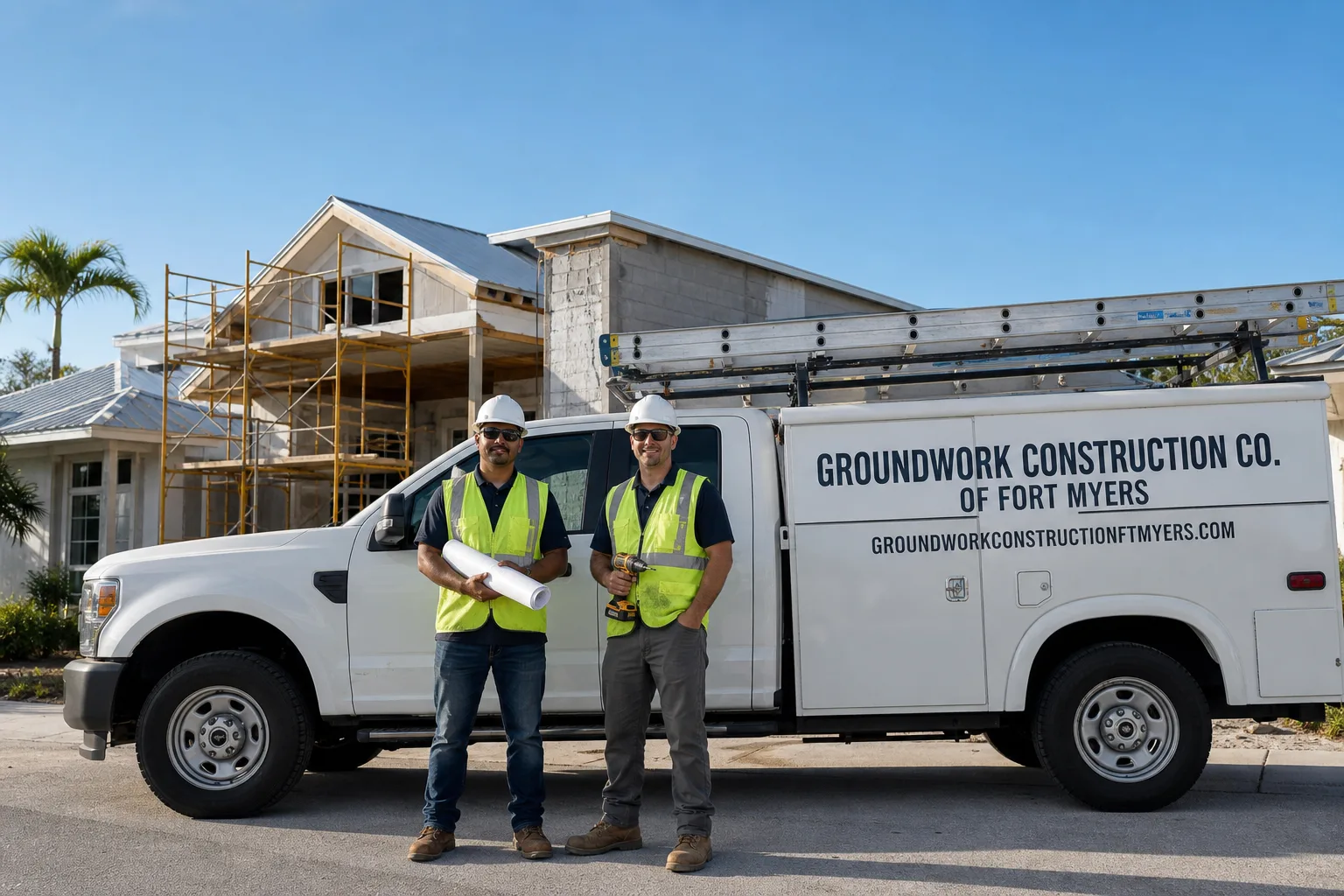
What a Metal Roof Installation in Sanibel Actually Looks Like, Start to Finish
A metal roof installation in Sanibel runs $15,000 to $40,000 on most homes, takes 5-10 working days once materials are on site, and nearly always requires a City of Sanibel building permit and a separate inspection. Call (844) 638-7249 for a line-item quote specific to your roof - every estimate is free and written in plain English, not contractor shorthand.
We install metal roofs on Sanibel homes that have been through a lot - many of them are post-Ian rebuilds, elevated on pilings, with fresh plywood decking and updated truss engineering. Other homes we work on are the lucky ones that survived the storm and now need a roof system that won’t fail in the next Category 4. In both cases, the metal roof is the long play: 40-50 years of service life, 140-mph wind ratings when properly fastened, and a surface that salt air doesn’t eat through the way it does through asphalt shingles after a decade on this island.
How We Install a Metal Roof on a Sanibel Home - The Real Sequence
Metal roofing isn’t a one-crew, one-day job, and on Sanibel it moves at a rhythm set partly by the City’s inspection calendar and partly by the causeway logistics. Here’s what the 5-10 working days actually look like.
Stage 1: Tear-off and deck inspection (1-2 days). The existing roof comes off down to the decking. On post-Ian rebuilds we’re often working with clean, new plywood - but on older homes that survived the storm, we find water damage, soft spots, or decking that was never rated for a standing-seam system. Any compromised sheathing gets replaced before we move forward. This is the moment you make a real decision: if the deck is worse than expected, we show you photos and give you a change-order price on the spot - no vague “we’ll figure it out later” pricing.
Stage 2: Underlayment and flashing (1 day). On Sanibel, this step isn’t optional or minimal. We install a high-temperature peel-and-stick underlayment over the entire deck - not just the eaves and valleys - because Florida High-Velocity Hurricane Zone code demands a secondary water barrier, and because wind-driven Gulf rain finds every seam. Drip edge, valley metal, and pipe-flashing boots go in at the same time. If your home is within 1,500 feet of the Gulf, we step up to stainless steel flashing as standard; galvanized doesn’t hold up to the salt spray here.
Stage 3: Panel fabrication and delivery (0-3 days, runs in parallel). Most Sanibel metal roofs are standing-seam systems where the panels are roll-formed on site or cut to length at our supplier’s yard and trucked over the causeway. The causeway is the bottleneck: we schedule deliveries for mid-morning on weekdays during off-season, and as early as possible during tourist months when the toll plaza backs up past 9 a.m. You don’t need to do anything during this stage - we handle coordinating the truck, the crane if your home is elevated, and the staging area on your property.
Stage 4: Panel installation (2-5 days). The panels go up one by one, locked together with concealed clips that allow the metal to expand and contract without oil-canning or pulling fasteners loose. This is the stage where the crew’s experience with Sanibel’s wind-uplift detailing really shows: every clip spacing, every eave-to-ridge fastener pattern is dialed to the engineering letter for your specific roof zone. If your home is three stories or has a steep pitch - common on the newer elevated builds - expect the longer end of that 2-5 day range.
Stage 5: Trim, ridge cap, and final inspection (1 day). Ridge caps, gable trim, and any custom flashing around skylights or chimney chases get installed and sealed. Then the City of Sanibel inspector comes out to sign off - Sanibel runs its own building department, separate from Lee County, so this is a Sanibel-specific step with its own scheduling queue. Once the inspection passes, we walk the roof with you, point out the details, and hand you the manufacturer’s warranty registration and our 730-Day Done Right Promise in writing.
The Options You’ll Choose Between for a Sanibel Metal Roof
Metal roofing isn’t one product - it’s a category with real decisions that affect cost, look, and how the roof holds up in a hurricane zone. Here are the choices our Sanibel customers work through.
- Standing-seam vs. exposed-fastener panels. Standing-seam uses hidden clips and interlocking seams, which means no fastener penetrations exposed to weather - the gold standard for coastal Florida and what we recommend for every Sanibel home within a mile of the Gulf. Exposed-fastener panels (sometimes called corrugated or ribbed metal) cost less per square foot but rely on gasketed screws that salt air eventually degrades. On Sanibel, the savings rarely pencil out over a 40-year horizon.
- Gauge of the steel. Residential standing-seam is typically 24-gauge or 26-gauge steel. 24-gauge is thicker, resists denting better during a hail or debris event, and spans slightly further between purlins - worth the upgrade on homes with wide-open rafter spacing, common in the mid-century ranch stock that survived Ian.
- Finish and color. PVDF (polyvinylidene fluoride) paint systems - brand names like Kynar 500 - are the standard for coastal metal roofing because they don’t chalk or fade under southwest Florida UV the way polyester finishes do. Color matters more than you’d think: lighter colors reflect more heat and reduce attic temperatures by 15-25 degrees in August, which directly cuts cooling costs on a Sanibel home that runs air conditioning nine months of the year.
- Ridge ventilation system. A metal roof seals tighter than shingle, so you need to be intentional about venting. We typically spec a continuous ridge vent paired with soffit intake to keep attic humidity from building up - critical on Sanibel, where ambient humidity sits above 70% most mornings and a poorly vented attic breeds mold inside two seasons.
What Metal Roofing Costs in Sanibel, FL
A complete metal roof installation on a Sanibel home falls between $15,000 and $40,000. The low end is a modest-sized ranch with a simple gable roof and 26-gauge standing-seam panels. The high end is an elevated coastal contemporary with a complex roofline, multiple dormers, 24-gauge panels, and extensive stainless flashing - the kind of house that’s become the norm in post-Ian Sanibel.
Five variables push the number in one direction or the other. First, roof square footage and pitch: more squares means more material, and steep pitches slow the crew down. Second, deck condition: if we’re tearing off an original 1970s roof on a home that took Ian’s wind but not the surge, the sheathing underneath is often compromised and needs replacement - that’s $2-$4 per square foot added to the job. Third, panel gauge and finish: 24-gauge with a premium PVDF coating costs roughly 15-20% more than 26-gauge with a standard finish. Fourth, flashing complexity: homes with multiple chimneys, skylights, or a roof deck require substantially more custom trim work, and stainless upgrades near the water add material cost. Fifth, access and staging: elevated homes on pilings need a crane or a lift, and that equipment has to come across the causeway - typically $500-$1,200 in additional logistics depending on the reach needed.
Every estimate we write includes the tear-off, dumpster, underlayment, panels, trim, flashing, permit fees, and the final City of Sanibel inspection. What it doesn’t include - and we flag this up front - is hidden deck damage found after tear-off or any structural repairs to trusses or rafters. If we find those, you get a separate line item and a photo before we proceed. No surprises means no surprises. The upfront pricing number on your proposal is what you pay for the scope we can see and measure.
What Sanibel Homes Specifically Do to This Job
Sanibel isn’t just another coastal Florida market. The island runs its own building department with its own permit queue and inspection calendar - completely separate from Lee County - so the timeline from contract to first nail includes a permitting step that doesn’t exist on mainland jobs. The City’s inspectors know metal roofing inside and out, and they check fastener patterns, underlayment laps, and wind-uplift engineering letters with a level of scrutiny that comes from watching what Hurricane Ian did to underbuilt roofs. That’s a good thing - it means a roof that passes Sanibel inspection is a roof that’s actually built to the code, not just stamped that way.
The existing housing stock shapes the work, too. The older homes that survived Ian - concentrated in neighborhoods like The Dunes and along Periwinkle Way - were mostly built in the 1960s and 1970s with rafter spacing and decking that predate modern metal-roof engineering. On those homes, we often need to overlay the existing deck with a rated substrate or add blocking to hit the clip-spacing spec. On the newer elevated homes going in from Gulf Pines to Chateau Sur Mer, the structural engineering is already dialed for standing-seam, but the sheer height off the ground adds crane time and safety rigging that a single-story Cape Coral job simply doesn’t carry. And then there’s the salt: any metal roof east of Tarpon Bay Road or within sight of the Gulf gets stainless fasteners and trim as standard, because we’ve pulled enough corroded galvanized flashing off ten-year-old roofs to know what the spray does over time.
If you’re pairing a metal roof with Impact Windows & Doors in Sanibel as part of a full storm-hardening package, we can coordinate the sequencing so the window install doesn’t damage new fascia or trim. And when a roof is part of a wider exterior project, we work alongside our Roofing in Sanibel crew to keep the whole job moving as one schedule.
Serving Sanibel, FL - Our Local Coverage Area
We’re based in the Sanibel area and know this community well. Use the map below to see our service coverage - if you’re nearby, we can almost certainly help.
Frequently Asked - Metal Roofing in Sanibel
Plan on 5-10 working days once materials are staged on your property. The biggest variable on Sanibel is the City permit and inspection timeline - Sanibel’s building department runs its own calendar, and in peak reconstruction season the wait for a rough-in or final inspection can add 3-5 business days to the back end. We build that into your schedule up front so there are no surprises. Call (844) 638-7249 and we’ll give you a project timeline specific to your roof and the current permit queue.
Yes. Every metal roof replacement in Sanibel requires a building permit through the City of Sanibel’s own building department, not Lee County. The permit package includes the wind-uplift engineering, the product approval numbers for the panel system, and the underlayment spec. We pull the permit as part of the job - you don’t deal with City Hall. The final inspection is also through the City, and the inspector will check fastener spacing, clip engagement, and flashing details before signing off.
In most cases on Sanibel, no. Florida building code allows a metal roof-over on one layer of existing shingles in limited circumstances, but we nearly always recommend a full tear-off. Here’s why: Sanibel homes carry decades of heat and humidity in their decking, and laying metal over a compromised substrate locks in moisture and soft spots that become major problems inside five years. A tear-off lets us inspect and replace bad decking, install a modern underlayment system, and give you a roof assembly that’s fully warrantied from the sheathing up.
Manufacturer warranties on the PVDF paint finish typically run 30-40 years from the major steel suppliers, and the panel system itself usually carries a 20-30 year material warranty. Our workmanship is covered by the 730-Day Done Right Promise: if it’s not done right, we make it right - one of the longest workmanship guarantees in residential construction. Beyond the written warranties, a properly installed standing-seam metal roof on Sanibel should give you 40-50 years of service life with very little maintenance beyond the occasional rinse to clear salt residue.
It very often does, but the exact discount depends on your carrier and policy. A standing-seam metal roof with a Florida Product Approval and a wind-uplift rating of 140 mph or higher checks the box most insurers want for wind-mitigation credits. On Sanibel, where every home is in a wind-borne debris region and many are in flood zones, the roof credit can be significant - but you’ll need to send your insurer the installation certificate and the product approval documentation after the job is done. We provide both in your close-out package.
Get a Free, Line-Item Estimate for Metal Roofing in Sanibel
If you’re planning a metal roof on Sanibel, the best first step is a measurement and a written price. We’ll come out, walk the roof, talk through standing-seam vs. exposed-fastener, gauge, color, and venting, and hand you a proposal that breaks down the numbers line by line. No pressure, no vague ranges - just the real cost for your specific home. Call (844) 638-7249 to schedule your free on-site estimate. A live person answers, any hour, any day.
Written by Derek Hollenbeck, Owner at Groundwork Construction Co., helping homeowners make informed roofing decisions in Sanibel and across southwest Florida.