
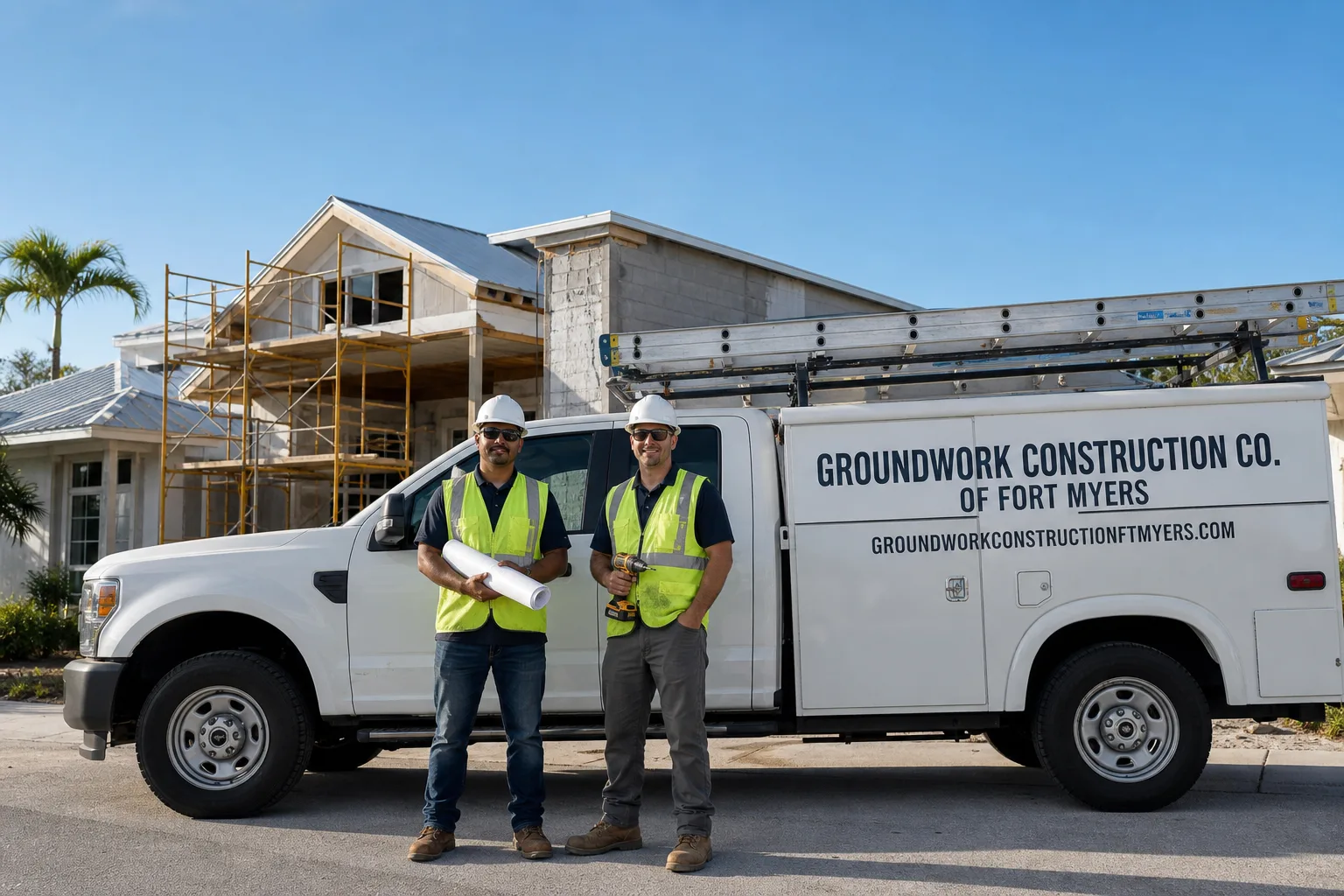
What Window Installation in Sanibel Actually Involves, and What It Costs
A full window installation in Sanibel usually runs between $4,500 and $15,000 and takes about 2 to 4 working days for a typical single-story home. The crew removes the old window, addresses any water damage in the rough opening, sets and flashes the new unit, and trims it out inside and out. For a fast, written estimate on your specific project, call (844) 638-7249 - we’ll walk the house, talk through your options, and put a fixed number in your hand before you decide anything.
How We Move a Window Installation From Estimate to Cleanup
The process isn’t complicated, but each step carries real weight for how the window performs over the next decade, especially on a barrier island that just ate a Category 4 hurricane. Here’s the sequence we follow on every Sanibel installation. Most homeowners find it helpful to know which decisions come at which stage, because that’s what keeps the schedule from drifting.
Day one - demo and dry-in. We pull the old window and cut back any interior drywall or exterior siding needed to expose the rough opening (1 to 2 hours per opening). This is when we find what the last installer left behind, and on Sanibel’s older beach cottages and ranch homes from the ’50s through ’70s, that often means water-damaged framing or corroded fasteners from decades of salt air. We replace any compromised wood, square up the opening, and apply self-adhered flashing tape at the sill, jambs, and head before the sun hits the new opening. Homeowner decisions at this stage: none. We’re uncovering and prepping, and we send you photos of anything unexpected so you see what we see.
Day one or early day two - setting the new window. The unit goes in, gets shimmed level and plumb, and is fastened through the jambs with corrosion-resistant fasteners (stainless or hot-dipped galvanized - standard hardware rusts out fast in the Sanibel salt environment). We foam-seal the gap between the window frame and the rough opening with low-expansion closed-cell foam, then cap the exterior with custom-bent aluminum trim that sheds water away from the opening. Homeowner choice: if we’re installing a window in a new location rather than swapping an existing one, this is when interior casing style gets locked in. We’ll have shown you samples at the initial walkthrough, so the decision is usually fast.
Day two - exterior integration. On the outside, we tie the new window into the home’s weather-resistant barrier - this is where Sanibel’s coastal construction reality bites hard. If the house sits in a VE or AE flood zone and the window is below the base flood elevation, we’re using impact-rated units with the required product approvals on file with the City of Sanibel building department. We can’t just set any window. The flashing details have to match the manufacturer’s tested assembly, because Sanibel’s inspectors check product-approval numbers against the FBC HVHZ standard. Homeowner choice: exterior trim profile and color, if not already decided at the estimate.
Day three or four - interior finish and trim. Once the window is sealed and the exterior is buttoned up, we install interior extension jambs, casing, and any stool and apron work the homeowner selected. We fill nail holes, caulk the trim-to-wall joint, and leave the window ready for paint. If we had to cut back drywall on day one, we patch and finish to level four - smooth, not textured, so you can prime and paint the same day it dries. Homeowner choice: almost none at this point, except where a homeowner wants to change casing style mid-job. We accommodate, but it may add a day.
Final walkthrough. We open and close every operable sash, check locks, verify the weep holes are clear at the sill, and confirm that the window drains to the exterior. We test the balance on double-hung units so the sashes stay where you put them. You walk the job with the lead installer, and we don’t leave until you’ve signed off. Everything we touch is covered under our 730-Day Done Right Promise - if something isn’t right, we come back and we fix it.
The Window Options You’ll Choose Between
The choices run deeper than most people expect, and each one changes both the price and how the window handles a Sanibel summer. Here are the main forks in the road.
- Frame material - vinyl, wood, or composite. Vinyl is the most common choice on the island because it handles humidity without swelling and doesn’t need painting. Wood windows bring a warmer look and better insulation values, but they demand diligent maintenance in a salt-air environment, and we see more callbacks on wood frames that weren’t re-sealed every two or three years. Composite windows (fiberglass blends) split the difference - they’re dimensionally stable, paint well, and don’t rot - but they carry a steeper material cost up front.
- Impact-rated vs standard. On Sanibel, this isn’t really a choice for most openings - the Florida Building Code and Sanibel’s own building department require impact-rated products or shutters on any opening in a wind-borne debris region, which is the entire island. Impact windows use laminated glass (two panes bonded with a polymer interlayer) that stays in the frame even when struck by a 2×4 at 50 feet per second. Non-impact windows are not an option on new construction or substantial rebuilds here.
- Glass package - low-E, tint, and argon. Standard low-E coatings cut solar heat gain noticeably, which matters when your west-facing windows catch the full Gulf afternoon sun. We typically spec a dual-pane insulated unit with a low-E coating on surface two (the inner face of the outer pane) and argon fill between the panes. On north-facing or shaded walls, you can sometimes drop the low-E to save a few hundred dollars, but the energy savings usually pay it back within a few years in a climate with Sanibel’s cooling demand.
- Style - double-hung, casement, fixed, or sliding. Double-hung windows (both sashes move vertically) are the default in most Sanibel bedrooms and living areas. Casement windows (crank-out, hinged at the side) seal tighter against wind-driven rain and are often the better choice for east-facing walls that take the brunt of summer squalls. Fixed picture windows maximize glass area and cost less per square foot of opening, but they don’t ventilate, so we typically combine them with operable flanking units.
- Grids and finishes. Grids between the glass are the easiest to clean and won’t trap salt. Simulated divided lites (grids adhered to both interior and exterior glass surfaces) look more authentic, especially on the island’s older cottage-style homes. We sample all three with you at the estimate so you can hold them up to your existing trim and make a real comparison.
We source from Andersen, Marvin, and Pella, among other brands - not because we’re tied to one manufacturer, but because different openings and different budgets call for different window systems. A tight coastal lot with full western exposure may genuinely need a higher-spec frame than a shaded interior room. We’ll walk you through which line matches your house, not just your budget. When homeowners pair window work with larger exterior upgrades, our crew often coordinates with the team handling Windows & Doors in Sanibel to make sure flashing and trim details line up across the project.
What Window Installation Costs in Sanibel, FL
Expect to spend between $4,500 and $15,000 on a standard window installation project in Sanibel. A single-opening swap on a ground-level wall typically lands around $900 to $1,800, while a whole-house package of ten or so windows with impact-rated units pushes toward the upper end fast. Here’s what pushes a job one direction or the other.
- Number and size of openings. This is the single largest driver. More windows, larger windows, and windows on upper floors (where ladder or lift access gets more involved) all add material and labor cost linearly.
- Impact-rating requirements. Impact windows cost more than non-impact units - roughly 40% to 70% more per opening - and on Sanibel, most installations require them. If you’re replacing a window in an existing wall above the base flood elevation and the opening is not in a wind-borne debris zone, you may be able to use a standard insulated unit, but the Sanibel building department decides that case by case.
- Frame material grade. Entry-level vinyl starts around $200 per window for the unit itself; wood and composite can run $500 to $900 per unit. On a 12-window house, that difference alone accounts for roughly $3,600 to $8,400 of the spread.
- Rough opening condition. When we open a wall on a 1960s Sanibel cottage, we sometimes find a sill plate that’s been drinking salt spray for 60 years. Re-framing that opening adds a few hundred dollars in labor and materials per window, but skipping it means the new window won’t seal or drain properly, and you’ll be back in the same spot in five years.
- Permit and inspection fees. Sanibel maintains its own building department and permit queue, separate from Lee County. Permit costs for a window installation project vary by job scope but typically adds a few hundred dollars total. We pull the permit, schedule the inspections, and stand with the inspector on site - the fee is a line item in your estimate, never buried in a lump sum.
A written estimate from us includes the window units, all flashing and sealants, exterior capping, interior trim, the permit, and the final inspection. It does not include paint beyond primer on new trim, and it does not include structural repairs we can’t see before we open the wall - but we tell you about those the moment we find them, with photos and a fixed change-order price, so there’s no surprise on the final bill. That’s upfront pricing, no surprises, and it’s how we’ve done business for over 42 years across our service areas.
What Sanibel Homes Specifically Do to This Job
A window installation on Sanibel doesn’t look like the same job in Cape Coral or Fort Myers, and anyone who treats it identically is going to have a problem with the building inspector. The island’s housing stock tilts heavily toward older low-slab construction, much of which was inundated during Hurricane Ian’s storm surge in 2022. When we open a wall on a surviving home near West Gulf Drive or around the Sanibel River, we’re often working on a 1960s or 1970s ranch that was built before modern flashing standards existed. The rough openings are rarely square, the existing flashing is typically non-existent or deteriorated, and the local salt air has eaten every piece of uncoated hardware.
The permitting reality adds real lead time. Sanibel runs its own building department, not Lee County’s, so the permit queue and inspection calendar are independent. We can’t schedule a final inspection for a Friday afternoon and expect the same turnaround a mainland crew gets. We build that into the schedule from day one. If the window falls within the Coastal Construction Control Line - which covers large portions of the island - the Florida DEP permit is a separate submittal that requires project-specific engineering. On homes in the VE flood zone, windows below the base flood elevation must be impact-rated and breakaway-rated where applicable, and the product-approval documentation has to match what’s filed with the City.
Then there’s the causeway. Every window unit, every coil of aluminum trim, every tube of sealant comes across the Sanibel Causeway on a truck. During tourist season, that adds real travel time, and we plan deliveries accordingly. It’s not a complaint; it’s just a fact of how construction logistics work on a barrier island with one road in and out. For homeowners doing broader exterior work - some are also adding a Wood Fence in Sanibel or installing a Chain Link Fence in Sanibel for post-storm privacy - it makes sense to batch material deliveries and inspections where possible, which our Windows & Doors team coordinates from the first walkthrough.
We’ve done enough window work in Sanibel to know that the failure mode you’re most likely fighting isn’t a bad latch - it’s water intrusion through a sill that wasn’t sloped and flashed correctly for a climate where 50 inches of rain a year is normal and a hurricane can drive water horizontally at 130 miles per hour. The fix is methodical, not complicated: tear out the old, correct the opening, install the new unit to the manufacturer’s tested assembly, and flash it so water goes where it’s supposed to. We’ve been doing it this way since Derek Hollenbeck founded the company in 2014, and we stand behind every window we set.
Serving Sanibel, FL - Our Local Coverage Area
We’re based in the Sanibel area and know this community well. Use the map below to see our service coverage - if you’re nearby, we can almost certainly help.
Frequently Asked Questions About Window Installation in Sanibel
Most projects wrap in 2 to 4 working days. A single window swap often takes half a day. A whole-house package of ten or more windows, especially when we’re replacing deteriorated rough openings, usually runs 4 to 5 days. Sanibel’s inspection scheduling can push final signoff a few days beyond physical completion - we factor that into the timeline upfront.
Yes. Sanibel’s building department requires a permit for window replacement, and if the opening changes size or location, structural review is mandatory. We pull the permit and schedule all inspections. For openings within the Coastal Construction Control Line, a Florida DEP permit is often required as well. Skipping the permit isn’t a shortcut worth taking - it will surface when you sell the house, and unpermitted work in a post-Ian market gets flagged fast.
It shouldn’t - but if we open a wall and find rotted framing that wasn’t visible during the estimate, we’ll show you photos, explain what’s required, and give you a fixed change-order price before we touch it. We never run the tab up without your approval. The number you see on our written estimate is the number you pay unless you choose to expand the scope or we both agree that an unseen condition has to be addressed. Call (844) 638-7249 to schedule a free project estimate and we’ll walk you through exactly what’s included.
Generally, no - not for new construction, substantial improvements, or replacements in wind-borne debris regions, which cover the entire island. The Florida Building Code and Sanibel’s local amendments require impact-rated products or code-approved shutters in most cases. There are narrow exceptions for minor repairs, but your Sanibel building inspector will make that determination, not us. We default to impact-rated units because they satisfy code, simplify the permit, and perform better during the storm events that define life on a Gulf-front barrier island.
Two layers. The window manufacturer covers the unit itself - glass, frame, hardware - and terms vary by brand and product line, generally ranging from 10 years to lifetime on the vinyl or composite frame. Our workmanship is covered by the 730-Day Done Right Promise: if something we installed fails due to our workmanship within two years, we fix it at no charge. That’s one of the longest workmanship guarantees in residential construction, and we back it in writing.
Get a Written Estimate for Window Installation in Sanibel
If you’re planning a window installation on Sanibel or just want a real number before you decide, call (844) 638-7249. We’ll schedule a time to walk the house, look at every opening, talk through frame materials, glass packages, and impact-rating requirements, hand you a fixed written estimate, and walk you through our 0% financing for 18 months and $1,000 off projects over $10,000 - so you know exactly what the money looks like before you commit to anything. You’ll speak with a live person when you call, not a voicemail, and the crew that shows up is background-checked and uniforms every day.
Written by Derek Hollenbeck, Owner at Groundwork Construction Co., serving Sanibel since 2014.