
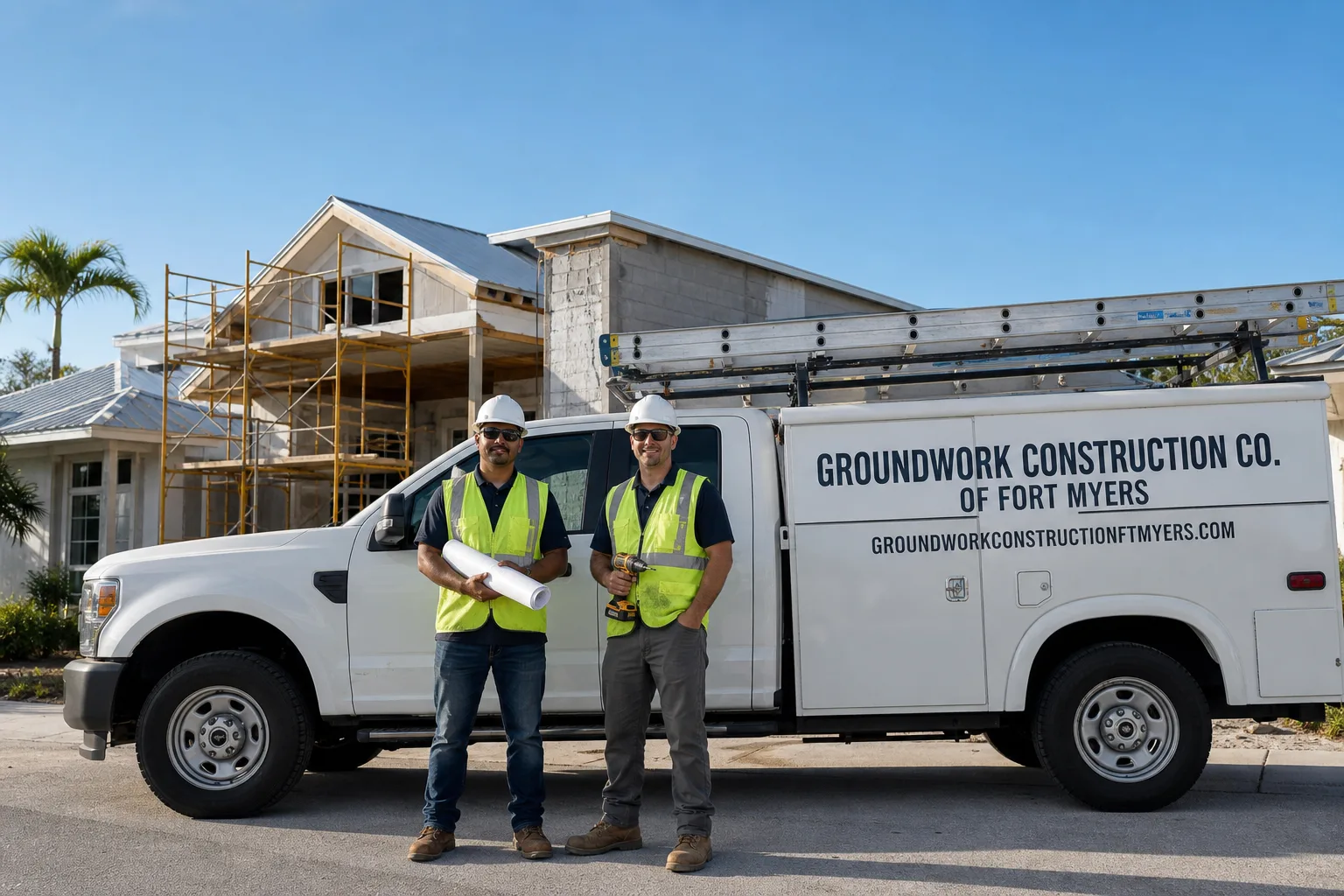
What a Chain Link Fence Job in Sanibel Actually Looks Like
A chain link fence in Sanibel typically runs $3,500 to $9,000 and takes our crew two to four working days from first post hole to final walk-through. That timeline stretches a bit here on the island because material deliveries, concrete pours, and dumpster swaps all have to cross the single Sanibel Causeway. Call (844) 638-7249 to talk through your property lines and get a written, upfront number, not a rough guess you can’t budget around.
How We Build a Chain Link Fence on Sanibel, Start to Finish
Most fence companies skip the part where they tell you what actually happens once you sign. We don’t. Here’s the real sequence for a chain link fence on a Sanibel property, and what you’ll decide at each stage.
Day one: locate, mark, and pull the permit. Before a single post hole gets dug, our crew walks the lot with you to confirm the fence line. On Sanibel, this step matters more than it does inland because many lots have been re-surveyed post-Ian and old markers can be off. We call in the utility locate, mark the line, and handle the Sanibel building department permit submission. The City of Sanibel runs its own permit queue independent of Lee County, so we schedule this first and build the rest of the timeline around their inspection calendar. You’ll decide exact gate placement and swing direction during this walk.
Day two: dig, set, and concrete the posts. We dig terminal and line post holes to depth, accounting for Sanibel’s sandy soil profile. Terminal posts get set in concrete footers, line posts get tamped or concreted depending on the run length and wind load. Every fastener we use here is hot-dipped galvanized or stainless, because standard zinc hardware in this coastal air starts rusting within eighteen months. Posts are braced and allowed to cure. You’re not making any decisions on this day, we’re just moving dirt and steel.
Day three: hang the fabric, rails, and tension hardware. Once the concrete has set, we install the top rail, line posts, and tension wire. The chain link fabric gets stretched and secured with a come-along to take out every bit of slack. In Sanibel’s exposure, a sagging fence from a rushed tension job is the first thing to fail in a tropical storm. We pull the fabric tight, tie it off at every post, and install the tension bar at terminal posts. Gates go in last, with heavy-gauge hinge hardware and latch mechanisms you test yourself before we leave.
Day four: inspection and final walk. The City of Sanibel sends an inspector to verify post depth, concrete footing compliance, and proper gate hardware. We’re on site for every inspection, not down the road hoping it passes. After sign-off, we walk the full fence line with you, gates included, and show you what we did. If something doesn’t look right, we fix it before we leave. The 730-Day Done Right Promise covers it from that moment.
What you’ll decide, and when. Gate locations and swing direction happen on day one. Fence height and gauge are chosen before we even break ground, on the estimate call. If you’re adding privacy slats or a top rail cover, that choice gets made early too, since it affects material orders crossing the causeway.
The Options You’ll Choose Between
Chain link isn’t just chain link anymore. You have real choices that affect how the fence holds up and what it costs.
- Fabric gauge: 11-gauge versus 9-gauge. 11-gauge is the standard residential weight and covers most lots just fine. 9-gauge is thicker steel, about 20 percent heavier, and we recommend it on corner lots or fence lines facing open water where wind loads are higher. The cost difference is modest, maybe a few hundred dollars on a typical Sanibel yard.
- Galvanized versus vinyl-coated fabric. Standard galvanized mesh gives you a clean, utilitarian look. Vinyl-coated chain link in black or green hides the metal and stands up to salt air better over time. On Sanibel, where airborne salt spray accelerates galvanized coating wear, the vinyl-coated option adds five to seven years of good appearance. It costs more upfront but saves on the early replacement cycle.
- Line-post spacing and top rail. Standard post spacing is 10 feet on center. Tighter 8-foot spacing adds stability for tall sections. A top rail is standard on residential chain link; it prevents the fabric from sagging between posts and is worth every dollar in a storm zone.
- Gate hardware grade. We spec heavy-gauge, hot-dipped galvanized hinges and fork latches. If the gate faces a street or pool, we install self-closing hinges and a latch at code height. You pick the gate width, we handle the compliance details.
What Chain Link Fence Costs in Sanibel, FL
A complete chain link fence install on a standard Sanibel lot generally lands between $3,500 and $9,000. The spread isn’t arbitrary. Four things move the number.
Linear footage. This is the biggest driver. A 60-foot rear fence with two gates costs a fraction of a full 200-foot perimeter enclosure. We measure during the free estimate and price it down to the foot.
Height. Four-foot chain link is the most common for front and side yards. Six-foot fabric with a top rail costs more in materials and labor. Pool-code fencing or privacy-height runs push toward the higher end.
Gate count and type. Every gate adds posts, hardware, and labor. A single walk gate is a small line item. A double-drive gate wide enough for a boat trailer means heavier posts, thicker frame pipe, and more concrete. Those add up.
Site access and old fence removal. Tight lots with limited access on Sanibel sometimes mean hand-digging post holes around existing plantings or pulling an old fence first. Demo and debris haul-off across the causeway adds cost that an open, flat yard does not carry.
Every estimate we write is a fixed, no-surprises number. You’ll see the material list, post spacing, concrete, gate hardware, permit fees, and labor broken out in plain English. No change orders appear later unless you add scope. The 730-Day Done Right Promise covers the work, and we offer 0% financing for 18 months with $1,000 off projects over $10,000 for homeowners who are bundling Fence Installation in Sanibel with other trades.
What Sanibel Homes Specifically Do to This Job
Sanibel changes the math on what a chain link fence needs to survive, and we’ve seen the cheap versions fail fast. The island’s near-direct hit from Hurricane Ian in 2022 turned every building decision into a wind-and-corrosion equation. Many of the older 1950s-through-1970s beach cottages, the ones that sat on low slabs and took 10 to 15 feet of storm surge, are being replaced with elevated homes on concrete pilings. The new grade heights and finished floor elevations often shift where a fence line can legally go, and the City of Sanibel building department enforces current FEMA flood-zone base-elevation and coastal construction control line requirements on every permit.
What that means for a chain link fence installation is straightforward. Salt air corrodes standard hardware faster here than almost anywhere else in Lee County. We use hot-dipped galvanized or stainless fasteners on every post, hinge, and tension band, not as an upgrade, but as baseline spec. Posts set in sandier coastal soil need wider concrete footers to resist tropical-storm wind loads. And because every load of steel, concrete, and equipment crosses one toll causeway, scheduling matters. Experienced Sanibel contractors order materials in full truckloads and time inspections around causeway tourist-season backups, not the other way around. When a fence line butts up against a newly elevated home, we also coordinate with the homeowner’s Concrete Driveways & Concrete Work in Sanibel contractor or Asphalt Driveways & Resurfacing in Sanibel crew so the post layout doesn’t conflict with planned driveway expansions.
Serving Sanibel, FL - Our Local Coverage Area
We’re based in the Sanibel area and know this community well. Use the map below to see our service coverage - if you’re nearby, we can almost certainly help.
Frequently Asked - Chain Link Fence in Sanibel
Yes. The City of Sanibel building department requires a fence permit, and it’s not the same as a Lee County permit. Sanibel runs its own process. We pull the permit as part of the job, and our crew handles the inspection scheduling. You don’t chase the city.
Two to four working days for a standard residential lot, assuming the permit is already in hand. Post-concrete cure time, inspection slot availability, and causeway delivery logistics can add a day or two compared to a mainland Fort Myers job. We’ll give you a calendar-accurate timeline on the estimate, not a best-case guess.
It will if the hardware is right. Standard zinc-coated hardware fails early here. We use hot-dipped galvanized posts, tension bands, and stainless-steel fasteners on every fence we build in Sanibel. Vinyl-coated fabric adds further protection. A properly spec’d chain link fence on this island should give you fifteen to twenty years before any serious corrosion shows.
Yes. This is common now in Sanibel. If your home was raised on pilings after the storm, we stake the fence line relative to the new finished floor elevation and coordinate with any other trades working the lot. We’ve done the elevated-home-to-fence transition enough times to know where the setbacks hit and where the gates need to go.
All of our fence installations are covered by the 730-Day Done Right Promise. If something isn’t right, we make it right. Beyond that, the hot-dipped galvanized steel and stainless hardware we use is backed by manufacturer material warranties that cover premature corrosion failure, which matters on a coastal island like Sanibel. Call (844) 638-7249 if you want to see the specifics in writing.
Get a Free, Written Estimate for Your Sanibel Chain Link Fence
We’ll come out to your property, measure the full fence line, walk you through the gauge and coating options, and hand you a fixed-price estimate with no blank spaces. Call (844) 638-7249 to schedule it. Someone answers live, 24/7. We’ll talk through your layout, gate needs, and permit timeline, and get you a number you can plan around, whether this is a standalone fence or part of a larger fence installation project on your Sanibel lot.
Written by Derek Hollenbeck, Owner at Groundwork Construction Co., serving Sanibel since our first island project after Hurricane Ian.